Top Vegan Cookbooks
Explore our curated list of the top vegan cookbooks to elevate your plant-based cooking. From beginner-friendly guides to gourmet recipes, find your new favorite.
Top Vegan Cookbooks
Discover the essential vegan cookbooks that will transform your kitchen experience, whether you are a complete beginner or a seasoned plant-based chef.
Table of Contents
- The Power of Vegan Cookbooks
- Choosing the Right Cookbook for Your Style
- Best Books for Beginners
- Advanced Techniques and Global Cuisines
- Quick and Budget-Friendly Cooking
- How to Use Cookbooks Effectively
- Common Mistakes to Avoid
- Comparison of Cookbook Focus
- Expert Strategies for Meal Planning and Storage
- Frequently Asked Questions
- Related Articles
- Newsletter
The Power of Vegan Cookbooks
Investing in a high-quality vegan cookbook is one of the most effective ways to sharpen your culinary skills and stay inspired in the kitchen. Transitioning to a plant-based lifestyle, as discussed in our Transition To Veganism 30 Day Plan, can feel overwhelming at first, but having a trusted guide at your side makes all the difference. Cookbooks do more than just provide recipes; they teach you how to think about flavors, textures, and the chemistry of cooking without animal products.
When you master the fundamentals found in the Best Vegan Cookware Sets, you will find that cookbooks provide the perfect framework to apply those tools. Whether you are learning to handle tofu with precision or mastering the art of Vegan Pantry Staples: The Ultimate Guide to Building Your Kitchen, the right collection of books ensures you never run out of ideas for your next meal. Beyond the recipes, professional cookbooks often act as a bridge between home cooking and restaurant-quality presentation, teaching you how to plate dishes, balance acidity with fats, and use fresh herbs to elevate a simple meal into an experience.
Choosing the Right Cookbook for Your Style
Every cook is different. Some crave simplicity, while others enjoy the challenge of elaborate dishes. Before purchasing or checking out a book, consider your personal "why." Are you cooking for a family, or are you looking to master Easy Vegan Meal Prep Beginners? Your choice of cookbook should align with your daily needs.
If you find yourself busy during the week, look for books that emphasize "30-minute meals" or "pantry-only recipes." These will help you maintain your healthy habits without spending hours in the kitchen. For those wanting to dive deeper into nutrition, consider pairing your cookbook journey with Plant Based Nutrition resources to ensure you are meeting all your wellness goals. Always consider the "kitchen footprint" of a cookbook; if your kitchen is small, avoid books that require a massive array of obscure spices or specialized equipment like dehydrators or high-end commercial vacuum sealers unless you are truly committed to those specific techniques.
Best Books for Beginners
For those just starting, the focus should be on accessibility and foundational techniques. The best beginner books demystify ingredients like nutritional yeast or tempeh, which are featured in guides like Nutritional Yeast Uses: The Ultimate Guide to the Vegan Superfood. A great beginner book will explain how to swap dairy and eggs with common household items, making the process seamless.
Beginners should also look for books that include basic "how-to" tutorials, such as how to properly roast vegetables or how to make a basic vinaigrette. By mastering these small steps, you build a foundation that makes cooking Quick Vegan Meals feel like second nature rather than a chore. Look for sections on "The Science of the Swap," where authors explain why flax seeds act as an egg replacer in baking versus when you should use applesauce. Understanding the functional role of ingredients allows you to improvise later on.
Advanced Techniques and Global Cuisines
Once you have mastered the basics, you may want to challenge yourself with more complex flavor profiles. Vegan cooking is not limited to salads; it encompasses global cuisines, from complex Vegan Chickpea Curry to sophisticated risottos and handmade pastas. Advanced cookbooks often explore the intersection of science and flavor, teaching you how to build umami in plant-based dishes using ingredients like fermented soy paste, sun-dried tomatoes, or properly aged balsamic vinegar.
These cookbooks are perfect for those who have moved past the Beginners Guide Going Vegan phase and are looking to entertain guests or simply elevate their weeknight dinner routine. Don't be afraid to experiment with new techniques—even the most experienced chefs started by following recipes exactly as written before branching out into their own creative interpretations. When exploring global cuisines, look for books that emphasize authentic spice blends like Ras el Hanout, Garam Masala, or Harissa, which can define the character of a plant-based dish without the need for animal fat.
Quick and Budget-Friendly Cooking
Veganism is often seen as expensive, but it can be the most affordable way to eat if you know what to look for. Books that focus on "frugal" or "budget" cooking are incredibly valuable. They teach you how to leverage Affordable Vegan Pantry Staples to create hearty, satisfying meals that won't break the bank. Key concepts here include "bean-forward" cooking, using seasonal vegetables to dictate your menu, and the art of batch cooking grain bowls.
Look for authors who prioritize seasonal produce and bulk buying. These books are usually filled with tips for minimizing food waste and maximizing flavor. When you combine these cooking techniques with strategies found in 25 Cheap Vegan Meals, you will find that a plant-based kitchen is both sustainable and economical. Pro tip: when choosing a budget book, check the ingredient list for the first ten recipes. If they rely on highly processed vegan meats or expensive dairy-free cheeses, they may not be as budget-friendly as their titles suggest.
How to Use Cookbooks Effectively
To get the most out of your collection, start by creating a "must-try" list. Rather than flipping through books randomly, mark recipes that fit your current grocery budget or time constraints. You can even create a weekly plan based on one specific book to help you get used to the author’s style and ingredient pairings.
Take notes in the margins! If you swapped an ingredient or adjusted the cooking time because you were using a different tool, write it down. This turns a generic cookbook into a personalized resource that you will cherish for years to come. Your cookbook is a tool for exploration—treat it as such. Consider utilizing "recipe flagging" systems, such as color-coded sticky notes: green for "favorites to repeat," blue for "needs modification," and yellow for "special occasions." This prevents the frustration of searching for a dish you loved three months ago.
Common Mistakes to Avoid
One of the most common mistakes is trying to tackle a highly complex, time-consuming recipe on a busy Tuesday night. Save those "project" recipes for the weekend. Another error is neglecting to read the entire recipe introduction, as authors often provide crucial advice about specific equipment or ingredient substitutions that can save your meal.
Another frequent pitfall is failing to prep your mise en place. In plant-based cooking, especially when dealing with high-heat stir-frys or delicate plant-based sauces, having your chopped vegetables and measured spices ready before you turn on the stove is essential. Don't fall into the trap of using measuring cups for dry ingredients like flour or cocoa powder; use a digital kitchen scale if the recipe allows, as packing flour into a cup can lead to overly dense, dry results. Finally, avoid the trap of thinking a recipe must be perfect. If you don't have the exact spice a recipe calls for, use a suitable substitute. Cooking is an iterative process, and mistakes are often where the best lessons are learned.
Comparison of Cookbook Focus
| Focus Area | Primary Benefit | Skill Level | Target Audience |
|---|---|---|---|
| Fundamentals | Teaches basic prep and swapping | Beginner | New Vegans |
| Global Cuisines | Expands flavor horizons | Intermediate/Advanced | Home Cooks |
| Budget/Quick | Maximizes efficiency and cost-saving | All levels | Students/Parents |
| Nutrition Focused | Balances macros and health goals | Intermediate | Fitness Enthusiasts |
Expert Strategies for Meal Planning and Storage
To maximize the utility of your new cookbook library, adopt professional storage and meal prep habits. Many beginners struggle with the transition because they fail to account for shelf-life in the fridge.
- The Rule of Three Days: Most cooked plant-based meals, such as hearty stews or roasted grain dishes, maintain optimal texture and flavor for 3 to 4 days in an airtight glass container. Avoid using plastic, as it can absorb the aromatic compounds of garlic and onion-heavy vegan dishes.
- Component Prep: Don't just prep full meals; prep components. A big batch of quinoa, roasted chickpeas, and a versatile lemon-tahini dressing can be used in five different cookbook recipes throughout the week. This approach, often found in "lifestyle" cookbooks, makes healthy eating effortless.
- Freezing Technique: If you are following a recipe that makes large portions, label your freezer bags with the date and the name of the dish. Use a thin layer of oil on the surface of sauces before freezing to prevent freezer burn and keep flavors bright.
- Pro Tip for Soups/Stews: If a recipe is too watery after reheating, stir in a teaspoon of nutritional yeast or a tablespoon of cornstarch slurry (1:1 ratio with cold water) at the very end to thicken the sauce without diluting the flavor.
Frequently Asked Questions
Q1: Should I follow recipes exactly? A1: Beginners should follow recipes exactly to understand the chemistry. Experienced cooks can feel free to experiment and substitute ingredients once they understand the basics.
Q2: How can I keep my cookbooks clean in the kitchen? A2: Consider using a cookbook stand, a tablet holder, or even placing a piece of glass over the page to protect it from spills and splashes.
Q3: What if I don't have an expensive blender? A3: Most recipes can be adapted. If a recipe requires a high-speed blender, you can often soak ingredients longer or use a food processor for a similar, if slightly more rustic, texture. Cashews and seeds should be soaked in boiling water for at least 30 minutes to ensure a smooth blend in standard machines.
Q4: How many cookbooks do I really need? A4: You only need 2-3 high-quality books that match your lifestyle. It is better to master a few books than to own twenty that you never open.
Q5: Why do my plant-based baked goods turn out dry? A5: This is often due to the lack of eggs or fat content found in traditional baking. Ensure your recipe uses a balance of wet components like flax eggs (1 tbsp ground flax + 3 tbsp water) and sufficient healthy fats like avocado oil or coconut oil to maintain moisture.
Q6: Can I convert non-vegan recipes easily? A6: Yes, start by substituting butter for vegan butter sticks and milk for unsweetened soy milk. Avoid using nut-based milks in savory sauces, as they can sometimes leave a lingering nutty flavor that disrupts the dish's profile.
Related Articles
- 25 Cheap Vegan Meals
- Beginners Guide Going Vegan
- Affordable Vegan Pantry Staples
- Vegan Pantry Staples: The Ultimate Guide to Building Your Kitchen
Newsletter
Join our community of plant-based enthusiasts! Subscribe to our weekly newsletter for the latest recipe collections, kitchen tips, and exclusive guides to help you master the art of vegan cooking right from your own home.
Conclusion
Finding the right vegan cookbook is a journey, not a destination. Whether you are looking for simple meals for your family or complex dishes to impress your friends, the right guide will empower you to become a more confident and creative cook. By investing in the right resources, you turn every meal into an opportunity to learn, grow, and enjoy the incredible diversity of plant-based food. Remember that every master chef was once a beginner who wasn't afraid to make a mess, follow a recipe until it was stained with tomato sauce, and try again the next day.
Start small, build your skills, and most importantly, have fun in the kitchen. Your next favorite meal is just a page turn away.
Enjoying this guide?
Browse our favorite recommended vegan products and kitchen essentials.
View Recommended Products →You Might Also Like
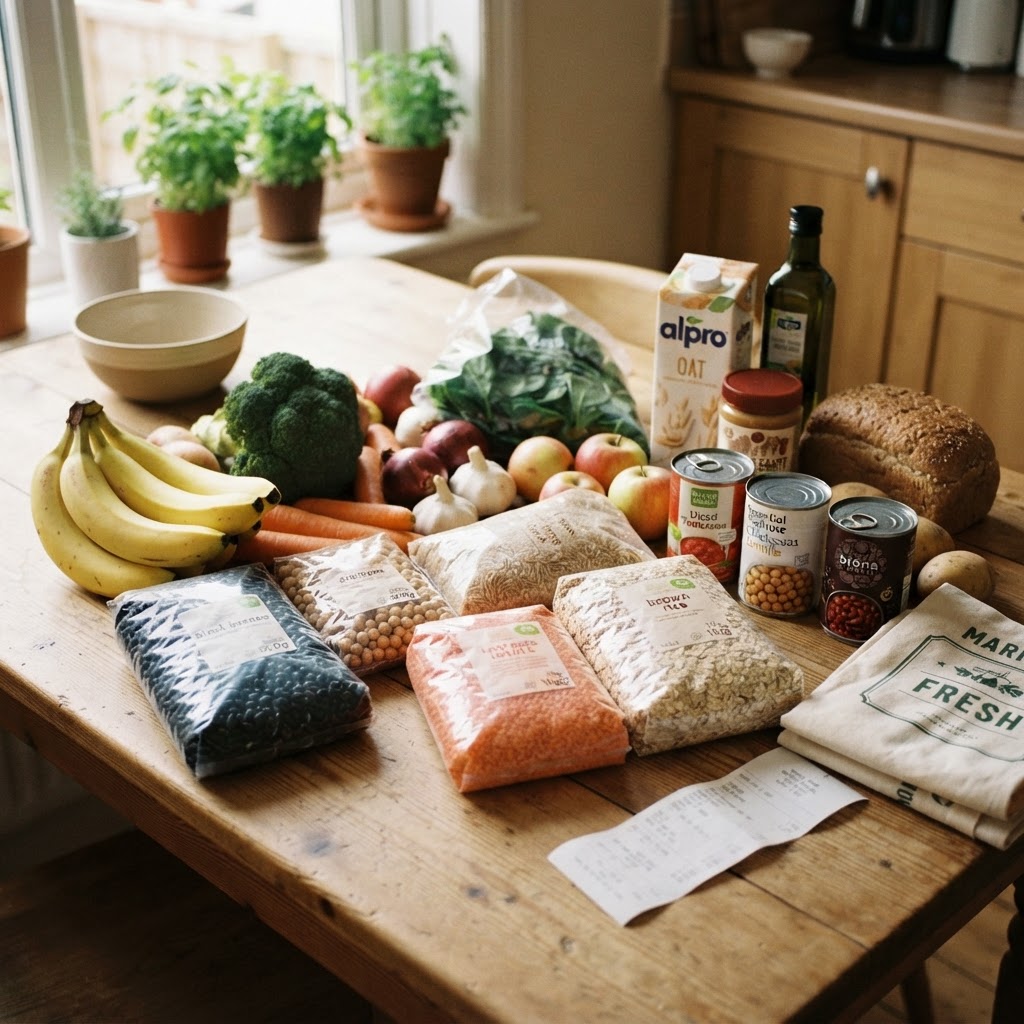
Budget Friendly Vegan: Eat Well Without Breaking the Bank
Discover how to maintain a budget friendly vegan lifestyle. Learn smart shopping tips, essential staples, and affordable meal prep strategies to save money today.
Vegan Egg Replacer
Confused about vegan egg replacer options? From baking to scrambling, discover the best substitutes to achieve perfect texture and flavor in your cooking.
Vegan Kitchen Gadgets: Essential Tools for Plant-Based Cooking Success
Discover the best vegan kitchen gadgets to elevate your plant-based cooking. From blenders to air fryers, compare essential tools for delicious, healthy meals.
Quick Vegan Lunches
Searching for quick vegan lunches? Compare the best 10-minute recipes, meal prep ideas, and high-protein options to keep you energized all day long.
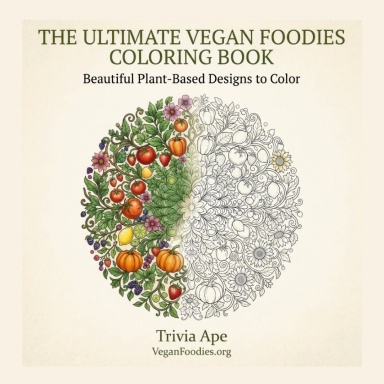
The Ultimate Vegan Foodies Coloring Book
Beautiful Plant-Based Designs to Color
Relax and unwind with beautifully detailed illustrations inspired by fruits, vegetables, herbs, flowers, and wholesome plant-based living. Perfect for stress relief, mindfulness, and creative fun.
by Trivia Ape