Beginners Guide Going Vegan
Going vegan doesn't have to be all-or-nothing. This practical, step-by-step guide shows beginners exactly how to transition at their own pace, keep costs low, and actually enjoy the process.
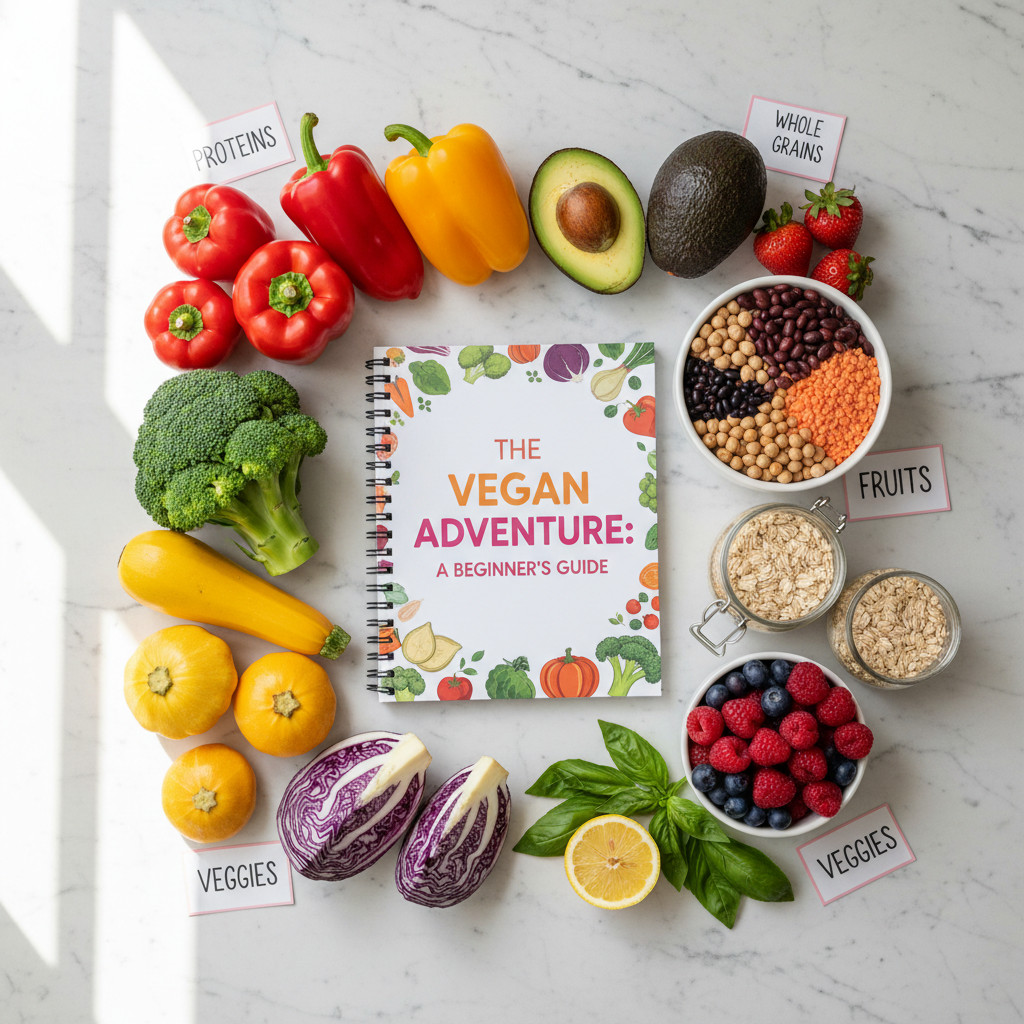
Beginners Guide Going Vegan
Transitioning to a vegan lifestyle is a rewarding journey that prioritizes health, ethics, and sustainability through thoughtful, plant-based choices.
Table of Contents
- Introduction
- Understanding Veganism
- Getting Started with Your Diet
- Essential Pantry Staples
- Nutritional Considerations
- Common Challenges and Solutions
- Socializing and Eating Out
- Practical Tips for Success
- Frequently Asked Questions
- Key Takeaways
- Related Articles
- Newsletter
- Conclusion
Introduction
Embarking on the path toward veganism is a transformative experience. Whether you are motivated by personal health, environmental concerns, or animal welfare, choosing to remove animal products from your diet is a powerful step that can influence your well-being and the world around you. This guide is designed to provide you with a clear roadmap to navigate this transition with confidence and ease.
At its core, a vegan diet is about abundance rather than restriction. It encourages you to explore a vibrant world of plant-based foods, from crisp, colorful vegetables and hearty legumes to exotic grains and nutrient-dense nuts. As you begin your journey, remember that progress is more important than perfection, and every plant-based meal makes a positive impact.
Understanding Veganism
Veganism is a lifestyle that seeks to exclude, as far as is possible and practicable, all forms of exploitation of, and cruelty to, animals for food, clothing, or any other purpose. It extends beyond the plate to encompass your daily choices, including cosmetics, clothing materials, and entertainment.
By choosing plant-based options, you are actively reducing your ecological footprint. Plant-based diets generally require significantly less land, water, and energy compared to diets high in animal products. Transitioning to this lifestyle allows you to align your daily habits with values of compassion and environmental stewardship. It is not just about what you eliminate; it is about the intentionality you bring to your consumption patterns.
Getting Started with Your Diet
Transitioning to a vegan diet does not have to happen overnight. Many people find success by gradually replacing animal-based ingredients with delicious, plant-powered alternatives. Start by auditing your current kitchen favorites and identifying where you can swap out dairy milk for almond or oat milk, or meat for mushrooms, lentils, or tofu.
The "Swap" Methodology
To make this transition sustainable, consider a systematic "swap" approach. Instead of completely overhaul your diet on day one, swap one meal type at a time. For example, replace traditional cow’s milk in your coffee with soy or hemp milk. Swap butter for extra virgin olive oil or avocado oil in your sautéing. When cooking at home, replace ground beef in pasta sauce or tacos with a mixture of brown lentils and finely chopped walnuts. This provides the texture and hearty mouthfeel that many new vegans miss during the initial transition.
Focus on incorporating whole, unprocessed foods. Base your meals around a simple formula: one portion of protein (like half a cup of chickpeas or tempeh), one portion of complex carbohydrates (like quinoa or brown rice), and at least two portions of colorful vegetables (like steamed broccoli or roasted kale). This strategy ensures you remain satiated while providing your body with the broad spectrum of phytonutrients it needs.
Essential Pantry Staples
To thrive on a plant-based diet, keep your pantry stocked with reliable, versatile ingredients. These staples make it easy to whip up a nutritious meal at a moment’s notice. Here are the must-have items for every vegan kitchen:
- Legumes: Dried or canned chickpeas, black beans, lentils (red, green, and brown), and kidney beans. Pro tip: Always rinse canned beans thoroughly to reduce sodium content.
- Grains: Brown rice, quinoa, farro, oats, and whole-wheat pasta. These provide the energy needed for daily activity.
- Nuts and Seeds: Chia seeds, flaxseeds (ground), walnuts, almonds, and pumpkin seeds. Ground flaxseeds are particularly useful as a vegan "egg" binder in baking.
- Spices and Seasonings: Nutritional yeast (for a cheesy flavor), soy sauce or tamari, smoked paprika, turmeric, cumin, and sea salt. Nutritional yeast is packed with B-vitamins and adds a nutty, savory profile to popcorn or pasta.
- Healthy Fats: Olive oil, coconut oil, and creamy nut butters like almond or peanut butter.
- Shelf-Stable Additions: Canned coconut milk for creamy curries and sun-dried tomatoes for intense umami flavor.
Nutritional Considerations
Planning is the key to nutritional adequacy. While a vegan diet is naturally rich in vitamins and fiber, it is essential to be mindful of a few key nutrients that are harder to obtain from plants alone. Vitamin B12, which is essential for nerve function, must be sourced from fortified foods or a high-quality supplement, as it is not present in plant foods.
Maximizing Absorption
Iron and calcium are vital, but their bioavailability can be affected by other compounds in plants. For example, the non-heme iron in spinach is better absorbed when paired with a source of Vitamin C, such as a squeeze of lemon juice or sliced bell peppers. Conversely, try to avoid drinking tea or coffee right at the same time as an iron-rich meal, as the tannins can inhibit absorption.
| Nutrient | Plant-Based Sources | Benefit | Daily Tips |
|---|---|---|---|
| Protein | Lentils, Chickpeas, Tofu, Seitan | Muscle repair and satiety | Aim for 1.0–1.2g per kg of body weight |
| Iron | Spinach, Lentils, Pumpkin Seeds | Energy and blood health | Pair with Vitamin C to boost uptake |
| Calcium | Broccoli, Kale, Fortified Plant Milk | Bone health | Ensure fortified milks are shaken well |
| Omega-3 | Flaxseeds, Chia Seeds, Walnuts | Heart and brain health | Store ground seeds in the fridge |
Common Challenges and Solutions
One of the most common challenges new vegans face is dealing with cravings for familiar non-vegan foods. If you find yourself missing cheese or heavy comfort foods, look for high-quality recipes that replicate those textures using nuts, cashews, or coconut cream. Experimenting with umami-rich ingredients like miso paste, tomato paste, and mushrooms can provide the depth of flavor you might be missing from meat-based dishes.
Avoiding Common Pitfalls
Many beginners make the mistake of focusing only on what they can't eat. Instead, focus on what you can add. If you feel sluggish, you might be under-eating calories, as plants are often less calorie-dense than animal products. Ensure you include enough healthy fats like avocado, tahini, and nuts to maintain steady energy levels throughout the day.
Another challenge is navigating the social aspect of veganism. Friends and family may not always understand your choice. Approach these conversations with empathy rather than judgment. Focus on sharing the delicious food you are now enjoying rather than debating the philosophy, and always offer to bring a vegan dish to shared meals to ensure you have something safe and satisfying to eat.
Socializing and Eating Out
Eating out while vegan is easier than ever, thanks to the growing popularity of plant-based diets. Many restaurants now offer dedicated vegan menus or clear symbols on their main menus. When in doubt, don’t be afraid to call the restaurant in advance or ask the waitstaff if a chef can modify a meal by swapping out butter for olive oil or omitting cheese.
Strategies for Group Dining
When dining with non-vegans, look for cuisines that are naturally plant-friendly. Thai, Indian, Mediterranean, and Mexican restaurants are often gold mines for vegan dishes. You can easily find options like vegetable curries (check for fish sauce), falafel wraps, bean burritos (request no cheese/sour cream), or lentil soups that require only minor tweaks to be 100% plant-based. If dining at a standard steakhouse, focus on side dishes: a baked potato, sautéed spinach, and a fresh garden salad can often be customized into a filling, albeit simple, meal.
Practical Tips for Success
Keep a simple journal to track your progress and discover which meals keep you feeling your best. Meal prepping on a Sunday for the week ahead is a game-changer; cook a large batch of grains (like quinoa), roast a variety of vegetables (bell peppers, zucchini, and onions), and keep various sauces (like a peanut or tahini-based dressing) on hand to create diverse flavor profiles throughout the week.
The Art of Vegan Meal Prep
To ensure you don't reach for fast food when you are busy, use the "assemble-to-order" method. Prepare distinct components separately rather than mixing them into pre-made meals. For instance, store your roasted chickpeas in a container, your cooked grains in another, and your steamed greens in a third. This prevents your food from getting soggy and allows you to customize the flavors each day by choosing different spices or sauces.
Do not obsess over perfection. If you accidentally consume an animal product, forgive yourself and move on. The environmental and health benefits of veganism come from the consistent, long-term habits you build, not from a single moment of mistake.
Expert Advice for Long-term Adherence
- Listen to your body: If you are transitioning from a low-fiber diet, increase your legume and bean intake slowly to avoid digestive discomfort.
- Stay Hydrated: Fiber requires adequate water intake to move efficiently through your digestive tract.
- Find Community: Join local or online vegan groups. Having a support system makes a significant difference in motivation.
Frequently Asked Questions
Q1: Is it expensive to eat a vegan diet? A1: It can be very affordable if you base your diet on whole foods like rice, beans, oats, and seasonal vegetables rather than expensive processed meat alternatives.
Q2: Where do vegans get protein? A2: Protein is abundant in legumes, grains, soy products like tofu and tempeh, nuts, seeds, and even vegetables like broccoli and peas.
Q3: Do I need to take supplements? A3: Vitamin B12 is essential for all vegans. Depending on your diet, you may also consider Vitamin D or Omega-3 supplements under medical supervision.
Q4: Is veganism safe for everyone? A4: With proper planning, a plant-based diet can be healthy for all stages of life, but it is always best to consult with a registered dietitian or doctor when making significant changes.
Q5: How do I handle dining with family who aren't vegan? A5: Focus on providing a delicious, hearty plant-based dish for everyone to try. Often, people are surprised by how satisfying vegan food can be, and it shifts the focus from "restriction" to "culinary exploration."
Q6: Can I eat out at fast-food restaurants? A6: Many fast-food chains now offer plant-based burgers, salads, or fries cooked in vegetable oil. Always check the allergens and ingredients lists online before visiting.
Key Takeaways
- Focus on whole foods and keep a well-stocked pantry of legumes and grains.
- Be mindful of essential nutrients like B12, iron, and omega-3s.
- Transition at your own pace and focus on the abundance of plant-based options.
- Communicate your dietary choices with compassion and positivity.
- Use meal prepping to ensure you have quick, healthy options available during the week.
Related Articles
- Top 10 High-Protein Vegan Recipes
- Simple Meal Prep for Busy Vegans
- How to Shop for a Vegan Lifestyle
Newsletter
Stay updated with the latest plant-based recipes and lifestyle tips. Subscribe to our newsletter to receive weekly meal plans, expert health advice, and exclusive content delivered directly to your inbox. Join thousands of fellow foodies on their journey to healthier living today!
Conclusion
Adopting a vegan lifestyle is a commitment to your health and the well-being of the planet. By focusing on whole, nutrient-dense ingredients and staying consistent, you will quickly find that the transition is not only manageable but also incredibly delicious and rewarding. Embrace the process, explore new flavors, and enjoy the positive changes in your life.
Start your journey today by auditing your pantry and planning your next delicious plant-based meal. Your future self will thank you for the health, vitality, and ethical alignment that this lifestyle brings. Remember that every small decision adds up, and your commitment to this journey represents a significant contribution to a more compassionate world.
Enjoying this guide?
Browse our favorite recommended vegan products and kitchen essentials.
View Recommended Products →You Might Also Like
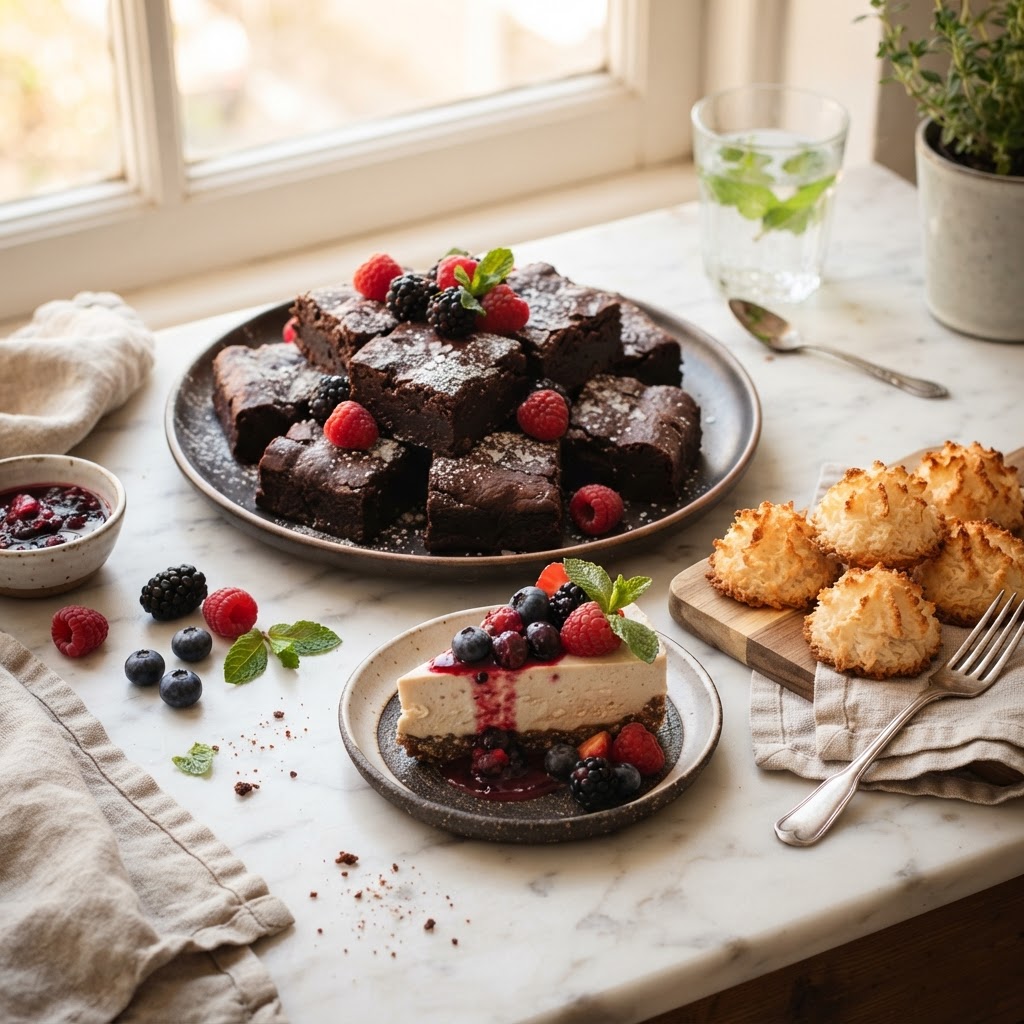
Vegan Dessert Ideas
Discover delicious vegan dessert ideas that satisfy every craving. From rich brownies to refreshing treats, learn how to bake plant-based without compromise.
Vegan Meal Planning
Master vegan meal planning with our comprehensive guide. Learn how to organize your pantry, prep nutritious meals, and save time and money on a plant-based diet.
Vegan Cooking Tools
Upgrade your kitchen with essential vegan cooking tools. Discover the best gadgets to simplify plant-based prep, from high-speed blenders to air fryers.
Simple Vegan Cooking
Master simple vegan cooking with our comprehensive guide. Learn essential pantry staples, easy meal prep tips, and delicious recipes for a healthy lifestyle.
The Ultimate Vegan Foodies Coloring Book
Beautiful Plant-Based Designs to Color
Relax and unwind with beautifully detailed illustrations inspired by fruits, vegetables, herbs, flowers, and wholesome plant-based living. Perfect for stress relief, mindfulness, and creative fun.
by Trivia Ape