Vegan Pantry Staples
Learn how to build a fully stocked vegan pantry. Discover essential dry goods, canned items, and healthy ingredients for delicious, plant-based cooking.
Vegan Pantry Staples
Mastering your vegan pantry ensures you can whip up nutritious, plant-based meals at a moment's notice with ease and confidence.
Table of Contents
- The Foundation of a Vegan Kitchen
- Essential Dry Goods and Grains
- Legumes and Protein Sources
- Flavor Enhancers and Spices
- Healthy Fats and Oils
- Advanced Pantry Techniques: Meal Prep and Storage
- Storing and Organizing Your Pantry
- Common Pantry Mistakes to Avoid
- Comparison: Staples vs. Specialty Items
- Expanding Your Pantry: Variations and Substitutions
- Related Articles
- FAQ
The Foundation of a Vegan Kitchen
A well-stocked vegan pantry is the secret weapon of any successful home cook. By keeping your kitchen stocked with versatile, shelf-stable ingredients, you minimize the need for last-minute grocery runs and ensure that healthy, plant-based meals are always within reach. A thoughtful pantry setup simplifies meal planning and encourages creativity in the kitchen.
Whether you are a newcomer to plant-based nutrition or a seasoned pro, the goal is to create a space that supports your lifestyle. Focus on items that have long shelf lives and provide essential nutrients, such as fiber, protein, and healthy fats, which are key to maintaining energy throughout the day. Consider the "pantry base" method: always keep one grain, one legume, one fat source, and one spice blend ready to combine into a "bowl" meal—the ultimate fast vegan dinner.
Essential Dry Goods and Grains
Grains serve as the hearty base for many satisfying meals. Keeping a variety of grains allows you to rotate your menu and ensure you get a diverse range of nutrients. Always keep staple grains like brown rice, quinoa, rolled oats, and farro in airtight containers to preserve freshness and prevent pests.
Beyond basic grains, consider incorporating various pastas and noodles. Whole-wheat pasta, lentil-based noodles, and rice noodles are excellent options that cook quickly. These ingredients are perfect for quick vegan meals when you are short on time after a long day.
Pro Tip: The Grains Ratio
Always keep a standard 2:1 water-to-grain ratio for most staples like white rice, but be aware that quinoa often requires a 1.75:1 ratio, and oats may vary based on whether they are steel-cut or rolled. Cooking a large batch of grains on Sunday can save hours during the work week.
Legumes and Protein Sources
Legumes are the cornerstone of a healthy vegan diet. Canned beans are convenient for rapid preparations, while dried lentils, chickpeas, and black beans are cost-effective staples that bulk up soups, stews, and vegan lentil recipes.
If you are looking for more variety, explore high protein vegan foods such as textured vegetable protein (TVP) or nutritional yeast. These shelf-stable items offer concentrated protein and can be easily incorporated into your daily cooking repertoire to boost the nutritional profile of your favorite dishes. Chickpeas, for instance, are versatile enough to be roasted into crunchy snacks or blended into hummus with just a splash of olive oil and lemon juice.
When working with dried legumes, remember that soaking times vary. Chickpeas and kidney beans benefit from a full 8-12 hour soak to ensure even cooking. If you find yourself in a rush, a "quick soak" method—boiling the beans for two minutes then letting them stand for an hour in the hot water—can substitute for the overnight soak.
Flavor Enhancers and Spices
Flavor is everything in plant-based cooking. A robust collection of spices allows you to transform simple pantry ingredients into gourmet-level meals. Stock your shelves with essentials like cumin, smoked paprika, turmeric, garlic powder, onion powder, and crushed red pepper flakes.
Flavor Profiles to Master
- The Mediterranean Blend: Dried oregano, basil, garlic powder, and red pepper flakes.
- The Southwest Blend: Cumin, smoked paprika, chili powder, and onion powder.
- The Umami Blend: Nutritional yeast, garlic powder, and sea salt.
Do not overlook acidic components like vinegars (balsamic, apple cider, and rice vinegar) and umami boosters like soy sauce, tamari, and nutritional yeast uses. These ingredients bridge the gap between basic nourishment and truly delicious dining experiences. For an extra depth of flavor, consider keeping miso paste in your refrigerator. While technically refrigerated, it lasts for months and acts as an incredible soup base or marinade component.
Healthy Fats and Oils
Healthy fats are essential for satiety and nutrient absorption. Keep a variety of oils on hand for different cooking methods: olive oil for dressings and light sautéing, and high-heat oils like avocado or coconut oil for roasting and frying.
Additionally, nut butters—such as peanut, almond, or cashew butter—are versatile pantry heroes. They can be added to vegan smoothies for energy or used as a base for creamy, savory sauces in seconds. Always look for nut butters with a single ingredient (the nuts themselves) to avoid added hydrogenated oils or unnecessary sugars. For a neutral fat source, consider keeping refined coconut oil, while extra virgin olive oil should be saved for finishing dishes to preserve its delicate flavor profile.
Advanced Pantry Techniques: Meal Prep and Storage
To take your vegan kitchen to the next level, embrace meal prep. Pre-soaking dried beans overnight reduces cooking time by up to 30%. You can then freeze cooked beans in portion-sized bags (roughly 1.5 cups per bag, equivalent to a standard 15oz can).
When it comes to nuts and seeds, they contain natural oils that can go rancid at room temperature. If you buy large quantities of walnuts, flaxseeds, or chia seeds, store them in the freezer to maintain their nutritional integrity and flavor for up to six months. Similarly, keep your "specialty" flours like almond or coconut flour in the refrigerator to keep them fresh. Another advanced technique is "pantry batching": combine your dry spices and herbs into pre-mixed jars for specific cuisines (like taco seasoning or Italian herbs) to streamline your weeknight cooking.
Storing and Organizing Your Pantry
Effective storage is critical for maintaining pantry quality. Glass or BPA-free plastic airtight containers are ideal for bulk items like flour, rice, and beans. They not only keep your ingredients fresh but also allow you to see exactly what you have at a glance, which reduces food waste.
Labels are your best friend when organizing. Note the purchase date or expiration on the bottom of containers to practice "first in, first out" inventory management. By creating an organized system, you save money and make the process of cooking simple vegan pantry dinners much more enjoyable. Remember to prioritize eye-level shelving for the items you use daily, such as grains and legumes, while keeping occasional items like baking supplies on higher or lower shelves.
Common Pantry Mistakes to Avoid
- Over-buying: Purchasing five bags of quinoa because it's on sale leads to stagnation. Buy what you use in a 3-month window.
- Improper Environment: Storing spices right above the stove subjects them to heat and humidity, which kills their potency. Keep spices in a cool, dark drawer.
- Cross-Contamination: Using the same measuring scoop for flour and then for sugar without washing can lead to moisture and spoilage in the containers.
- Forgetting the "First In, First Out" rule: Always place newer grocery items behind older items on your shelf to ensure you use up your inventory before it passes its peak.
- Ignoring Moisture Levels: Failing to use moisture-absorbing packets (or simple silica gel packs) in your grain canisters can lead to clumping in humid environments.
Comparison: Staples vs. Specialty Items
| Item Category | Everyday Staple | Specialty/Occasional |
|---|---|---|
| Grains | Brown Rice | Quinoa/Farro |
| Legumes | Chickpeas | Adzuki Beans/Lentils |
| Fats | Olive Oil | Toasted Sesame Oil/Walnut Oil |
| Spices | Salt, Pepper | Smoked Paprika/Sumac/Za'atar |
| Sweeteners | Maple Syrup | Date Paste/Agave |
Expanding Your Pantry: Variations and Substitutions
To keep your meals exciting, learn to swap ingredients based on what you have. If you run out of breadcrumbs, pulse rolled oats in a blender with herbs for a gluten-free alternative. If you are missing an egg replacer for baking, use a "flax egg" (1 tablespoon ground flaxseed mixed with 3 tablespoons water, set for 5 minutes).
For those cooking for groups, keeping larger quantities of versatile grains like bulgur or couscous is a pro tip; these grains are virtually "instant," requiring only soaking in hot water rather than long stove-top boiling times. Furthermore, never underestimate the power of canned tomatoes or coconut milk; keeping 3-4 cans of each allows you to pivot to a curry or a hearty tomato-based pasta sauce on any given night, even when your fresh vegetable drawer is empty.
Related Articles
FAQ
Q1: How do I organize a small vegan pantry? A1: Use vertical shelving and stackable clear containers to maximize your available space and keep items visible. Consider under-shelf baskets for smaller spice jars. Q2: How long do dried beans last? A2: Dried beans can last up to a year or more if stored in a cool, dark, and airtight environment. They may take longer to soften as they age. Q3: What are the most important vegan pantry spices? A3: Essential spices include cumin, smoked paprika, garlic powder, onion powder, and turmeric for versatile flavor. These form the base of most savory vegan dishes. Q4: Do I need a blender for a vegan pantry? A4: While not mandatory, a blender is highly recommended for turning nuts, seeds, and beans into creamy sauces and smoothies. A high-speed blender can turn cashews into a "cheese" sauce in under a minute. Q5: Can I freeze cooked pasta? A5: It is generally better to store cooked pasta in the fridge for 3-5 days. If you must freeze, undercook the pasta slightly before freezing so it doesn't turn mushy upon reheating. Q6: How can I tell if spices have gone bad? A6: Spices don't usually "spoil" in a dangerous way, but they lose flavor. If you rub them between your fingers and can't smell a strong aroma, they have lost their potency. Q7: How do I prevent pests in my grain canisters? A7: The best defense is airtight storage. For added peace of mind, place a bay leaf inside your canisters of rice or flour, as the scent is a natural deterrent for pantry moths. Q8: Are there health benefits to rotating my pantry grains? A8: Yes. Rotating through different grains like buckwheat, farro, and barley provides a broader spectrum of micronutrients and fiber, which helps support a healthy and diverse gut microbiome.
Newsletter
Stay updated with our latest vegan tips, meal prep strategies, and pantry guides. Join our community to receive weekly inspiration delivered directly to your inbox and never miss a beat on your plant-based journey.
Conclusion
Creating a high-quality, functional vegan pantry is one of the most effective steps you can take to simplify your lifestyle and ensure you are always eating well. By focusing on versatile grains, proteins, fats, and flavor enhancers, you gain the freedom to cook delicious, healthy meals without stress. Your pantry is a living collection of ingredients—keep it tidy, keep it stocked with variety, and don't be afraid to experiment with new spices or grains that catch your eye. Start auditing your kitchen today using these guidelines, and experience the difference that a well-stocked, organized pantry makes in your daily life.
Enjoying this guide?
Browse our favorite recommended vegan products and kitchen essentials.
View Recommended Products →You Might Also Like
Plant-based Supplements: A Complete Guide to Optimizing Your Vegan Nutrition
Explore the essential plant-based supplements to support your health. Learn what to look for in vitamins, minerals, and proteins to fuel your vegan lifestyle.
Vegan Air Fryer Recipes
Discover delicious, healthy, and easy vegan air fryer recipes. From crispy tofu to roasted vegetables, master your appliance with these plant-based meal ideas.
Vegan Comfort Food
Discover the best vegan comfort food recipes, from creamy pastas to hearty stews. Indulge in delicious, plant-based classics without the guilt!
How To Meal Prep Vegan
Master the art of vegan meal prep with our comprehensive guide. Learn how to plan, shop, and cook nutritious plant-based meals that save time and keep you healthy.
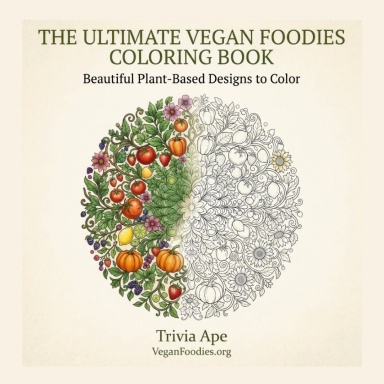
The Ultimate Vegan Foodies Coloring Book
Beautiful Plant-Based Designs to Color
Relax and unwind with beautifully detailed illustrations inspired by fruits, vegetables, herbs, flowers, and wholesome plant-based living. Perfect for stress relief, mindfulness, and creative fun.
by Trivia Ape