Plant Based Nutrition
Explore the benefits, types, and recipes of plant-based nutrition for optimal health and wellness.
Plant Based Nutrition
Discover the transformative benefits of plant-based nutrition and learn how to build a sustainable, health-conscious lifestyle powered by whole, nutrient-dense foods.
Table of Contents
- Understanding Plant-Based Nutrition
- Key Nutrient Pillars
- Health Benefits of a Plant-Forward Diet
- The Science of Satiety and Fiber
- Overcoming Common Nutritional Challenges
- Building a Balanced Plate
- Practical Meal Prep and Storage
- Common Mistakes to Avoid
- Tips for Long-Term Success
- FAQ
- Related Articles
- Newsletter
Understanding Plant-Based Nutrition
Plant-based nutrition focuses on maximizing the intake of whole foods derived from plants, including vegetables, grains, nuts, seeds, legumes, and fruits. Unlike restrictive diets, a well-planned plant-based approach prioritizes nutrient density and variety. By focusing on what you add to your plate rather than what you remove, you create a sustainable foundation for long-term health.
Transitioning to this lifestyle involves learning to recognize high-quality ingredients and understanding the role of macronutrients and micronutrients. Whether you are curious about veganism or simply want to reduce your intake of animal products, understanding the fundamentals of plant-based nutrition is the first step toward lasting vitality. It is not just about avoiding meat; it is about embracing a spectrum of flavors and textures provided by nature. Beyond the ethical considerations, this dietary pattern emphasizes the "Whole Food, Plant-Based" (WFPB) philosophy, which encourages limiting refined sugars, bleached flours, and highly processed oils to ensure that the calories you consume provide the maximum physiological "bang for your buck."
Key Nutrient Pillars
Every thriving plant-based diet relies on key nutrient pillars. Protein is often the primary concern for newcomers, but plants offer abundant sources like lentils, chickpeas, and tempeh. Pairing these with complex carbohydrates and healthy fats ensures you remain satiated and energized throughout the day.
Iron, calcium, and B12 are also critical components. Leafy greens, fortified plant milks, and nutritional yeast serve as excellent sources for these vital nutrients. By diversifying your intake—mixing colors, textures, and food groups—you can easily meet your daily requirements without relying on synthetic supplements for everything. For instance, iron absorption is significantly increased when you consume vitamin C-rich foods alongside iron-rich plants. Adding a squeeze of lemon to your spinach salad or pairing lentils with tomatoes can optimize the mineral uptake your body receives from every meal.
Essential Minerals and Vitamins
- Omega-3 Fatty Acids: Often lacking in modern diets, you can find these in chia seeds, flaxseeds, and walnuts. Aim for 1-2 tablespoons of ground flaxseed daily to ensure a steady supply of ALA.
- Calcium: While dairy is the conventional source, plants like bok choy, kale, tofu (set with calcium sulfate), and fortified milks provide ample calcium for bone health.
- Iodine: Essential for thyroid function, this can be sourced from iodized salt or sea vegetables like nori, though you must be careful not to consume excess sodium.
Health Benefits of a Plant-Forward Diet
Adopting a plant-forward diet is linked to numerous health improvements, including better cardiovascular outcomes, improved digestion, and stabilized blood sugar levels. Because plant foods are inherently high in fiber, they support a healthy gut microbiome, which is essential for immunity and overall well-being. Fiber acts as a prebiotic, fueling the beneficial bacteria in your gut that modulate inflammation and mood.
Furthermore, many people report increased energy levels and clearer skin when they remove processed animal products. The reduction in saturated fat intake often leads to better cholesterol profiles and improved weight management. When you fuel your body with complex antioxidants found in colorful produce, you are providing the tools necessary for cellular repair and disease prevention. Studies suggest that those consuming a high-plant diet have lower markers for chronic illnesses like Type 2 diabetes and hypertension, largely due to the systemic reduction of oxidative stress within the body.
The Science of Satiety and Fiber
One of the most frequently asked questions about plant-based eating is, "Will I stay full?" The secret lies in the volume-to-calorie ratio. Plants, particularly vegetables and legumes, have a high water and fiber content. This means you can physically eat a larger volume of food for fewer calories compared to animal-based proteins and processed fats.
Fiber provides structural integrity to plant cells. When you consume whole plants, your digestive system has to work harder to break these fibers down, leading to a slower, more sustained release of glucose into the bloodstream. This prevents the "energy crash" associated with high-sugar or refined-carbohydrate meals. To maximize satiety, aim for at least 30 grams of fiber per day, gradually increasing your intake to allow your gut to adjust comfortably.
Overcoming Common Nutritional Challenges
One common concern is the transition period. If you find it difficult to adjust, remember that you do not have to change everything overnight. Use easy plant-based swaps to make your favorite recipes more accessible while you get comfortable with new ingredients. For example, replace ground beef in tacos with a seasoned blend of mashed lentils and walnuts for a similar mouthfeel without the cholesterol.
Another challenge is B12 intake. Because B12 is not naturally found in most plant foods, it is vital to consult a vegan B12 guide to ensure you are supplementing correctly. Being proactive about your nutrition prevents the common pitfalls that lead to fatigue, ensuring you feel as good as you look. Do not wait for symptoms like tingling in your extremities or unexplained fatigue to surface before checking your levels with a blood test.
Building a Balanced Plate
To ensure every meal is nutritionally complete, follow the "Balanced Plate" method. This ensures you get a good mix of proteins, fats, and carbohydrates in every serving. A useful mental model is the "Quarter-Quarter-Half" rule: one-quarter of the plate is a lean protein source, one-quarter is a complex grain or starch, and one-half consists of non-starchy vegetables.
| Component | Examples | Portion Guide |
|---|---|---|
| Protein | Lentils, Tofu, Chickpeas, Tempeh | 1/2 to 1 cup per meal |
| Carbohydrates | Quinoa, Brown Rice, Sweet Potato, Oats | 1/2 to 1 cup per meal |
| Healthy Fats | Avocado, Walnuts, Chia Seeds, Flaxseed | 1-2 tablespoons |
| Vegetables | Broccoli, Spinach, Kale, Bell Peppers | As much as you want |
Practical Meal Prep and Storage
Success in plant-based eating relies heavily on accessibility. When you are tired or pressed for time, you are more likely to reach for convenient, processed snacks unless healthy options are ready to go.
- Batch Cooking Grains: Spend Sunday afternoon cooking a large batch of quinoa or brown rice. Store it in glass containers in the fridge for up to four days.
- Legume Prep: If using dried beans, soak them overnight to improve digestibility. Once cooked, portion them into meal-sized freezer bags.
- Washing Greens: Wash and spin your leafy greens as soon as you get home from the store. Place them in a container lined with paper towels to absorb excess moisture; this keeps them fresh for up to a week.
- Sauce Sovereignty: Keep a few "staple" sauces in your fridge—a peanut dressing, a tahini-lemon glaze, or a simple balsamic vinaigrette. A bland bowl of steamed vegetables transforms into a gourmet meal with the right sauce.
Common Mistakes to Avoid
- Relying on Processed Vegan Foods: High-sodium, highly processed mock meats are fine for occasional treats but should not be the foundation of your diet. They often contain high levels of refined oils and stabilizers.
- Ignoring Caloric Density: Ensure you are eating enough calories, especially if you are active, to keep your metabolism functioning well. A plate consisting only of iceberg lettuce and cucumbers will lead to energy deficits.
- Lack of Variety: Sticking to the same three meals can lead to nutrient deficiencies over time. Rotation is key. Try a "Meatless Monday" style of experimentation where you pick one new vegetable or legume to cook with each week.
- Neglecting Hydration: As you increase your fiber intake, you must also increase your water intake. Fiber requires water to move efficiently through the digestive tract; failing to drink enough can lead to bloating or constipation.
Tips for Long-Term Success
Planning ahead is the secret to success in plant-based eating. Use weekly meal prep to ensure you have healthy options available during busy days. Keeping a well-stocked pantry with vegan staples allows you to whip up a nutritious meal in minutes regardless of your schedule.
Pro Tip: Use spices and herbs generously. Plant-based foods are a canvas. Experiment with smoked paprika, turmeric, nutritional yeast, and fresh cilantro. Many people find they actually enjoy the taste of plant-based meals more than their previous diet once they learn how to layer flavors correctly.
Strategic Substitution Tips
When substituting, focus on functional equivalents. For baking, use flax eggs (1 tbsp ground flax to 3 tbsp water) for binding. For creaminess in soups, blend silken tofu or soaked cashews instead of dairy cream to maintain a robust, heart-healthy nutrient profile.
FAQ
Q1: Is it hard to get enough protein on a plant-based diet? A1: No. By including legumes, soy products, seeds, and grains in your daily meals, meeting your protein needs is simple and affordable. Q2: Do I need to count calories? A2: Generally, no. Focusing on whole, fiber-rich foods naturally regulates appetite, though tracking can be helpful initially if you have specific fitness goals. Q3: What is the most important supplement for vegans? A3: Vitamin B12 is essential as it is not reliably found in plant sources. Consult your doctor for appropriate dosages. Q4: How do I start if my partner isn't on board? A4: Keep things simple and lead by example. Try preparing family-friendly meals that satisfy everyone without focusing on the label. Q5: Can I eat out while following a plant-based diet? A5: Yes. Most modern restaurants offer vegetable-based sides or protein-swap options. Look for ethnic cuisines like Thai, Indian, or Ethiopian, which traditionally feature many plant-based dishes. Q6: Is a plant-based diet expensive? A6: It can be very budget-friendly. Staples like beans, rice, oats, seasonal vegetables, and frozen produce are significantly cheaper than meat and cheese products. Q7: How can I reduce gas from beans? A7: Start with smaller portions and increase slowly. Always rinse canned beans thoroughly, or soak dried beans overnight and discard the soaking water to improve digestibility. Q8: Are all plant-based foods healthy? A8: No. Always read labels. Many processed snacks and "vegan" sweets are still high in refined sugar and unhealthy oils. Whole-food-focused ingredients should be your primary dietary anchor.
Related Articles
- Beginners Guide Going Vegan
- Vegan B12 Guide
- Vegan Pantry Staples: The Ultimate Guide to Building Your Kitchen
- Easy Plant Based Swaps Everyday Meals
Newsletter
Stay updated with the latest plant-based recipes, nutritional guides, and wellness tips delivered straight to your inbox. Subscribe to our newsletter for weekly inspiration to keep your plant-based journey exciting and delicious.
Conclusion
Embracing plant-based nutrition is a powerful commitment to your health and the environment. By focusing on whole, nutrient-dense foods and staying consistent with your habits, you will unlock newfound energy and vitality. Start small, stay curious, and enjoy the delicious journey of plant-based living. Remember that health is a journey, not a destination. Every plant-based meal counts toward a healthier you, and even small changes, when compounded over months and years, lead to profound transformations in how your body functions and how you feel on a daily basis.
Enjoying this guide?
Browse our favorite recommended vegan products and kitchen essentials.
View Recommended Products →You Might Also Like
Vegan B12 Sources: A Comprehensive Guide to Essential Nutrition
Learn everything you need to know about vegan B12 sources. Discover reliable food options, supplementation tips, and how to maintain optimal health on a plant-based diet.
Plant-based Iron Foods
Discover the best plant-based iron foods to meet your daily needs. Learn how to optimize absorption and fuel your body with these iron-rich vegan staples.
Vegan Cheese Brands
Discover the best vegan cheese brands available today. From melty shreds to artisanal wheels, learn which dairy-free options are perfect for your kitchen.
Plant Based Cake Recipes
Discover the best plant-based cake recipes. From moist chocolate to fluffy vanilla, learn how to bake delicious vegan desserts using simple, wholesome ingredients.
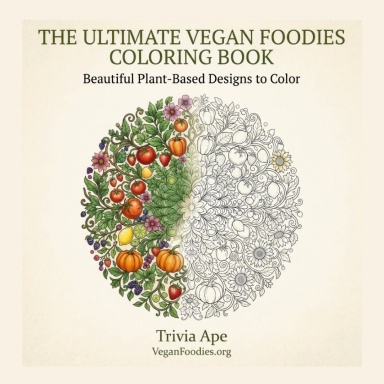
The Ultimate Vegan Foodies Coloring Book
Beautiful Plant-Based Designs to Color
Relax and unwind with beautifully detailed illustrations inspired by fruits, vegetables, herbs, flowers, and wholesome plant-based living. Perfect for stress relief, mindfulness, and creative fun.
by Trivia Ape