Veganize It

Veganize Eggs

Want to replace eggs? Start with what the egg needs to do.

Eggs are especially important to understand because they perform many different jobs in cooking — breakfast texture, binding, moisture, structure, lift, richness, thickening, coating/breading, and emulsification. There is no single vegan egg replacement that works for every purpose. The correct substitute depends on WHY the egg is in the recipe. This guide helps you identify that job and choose the replacement that does it.

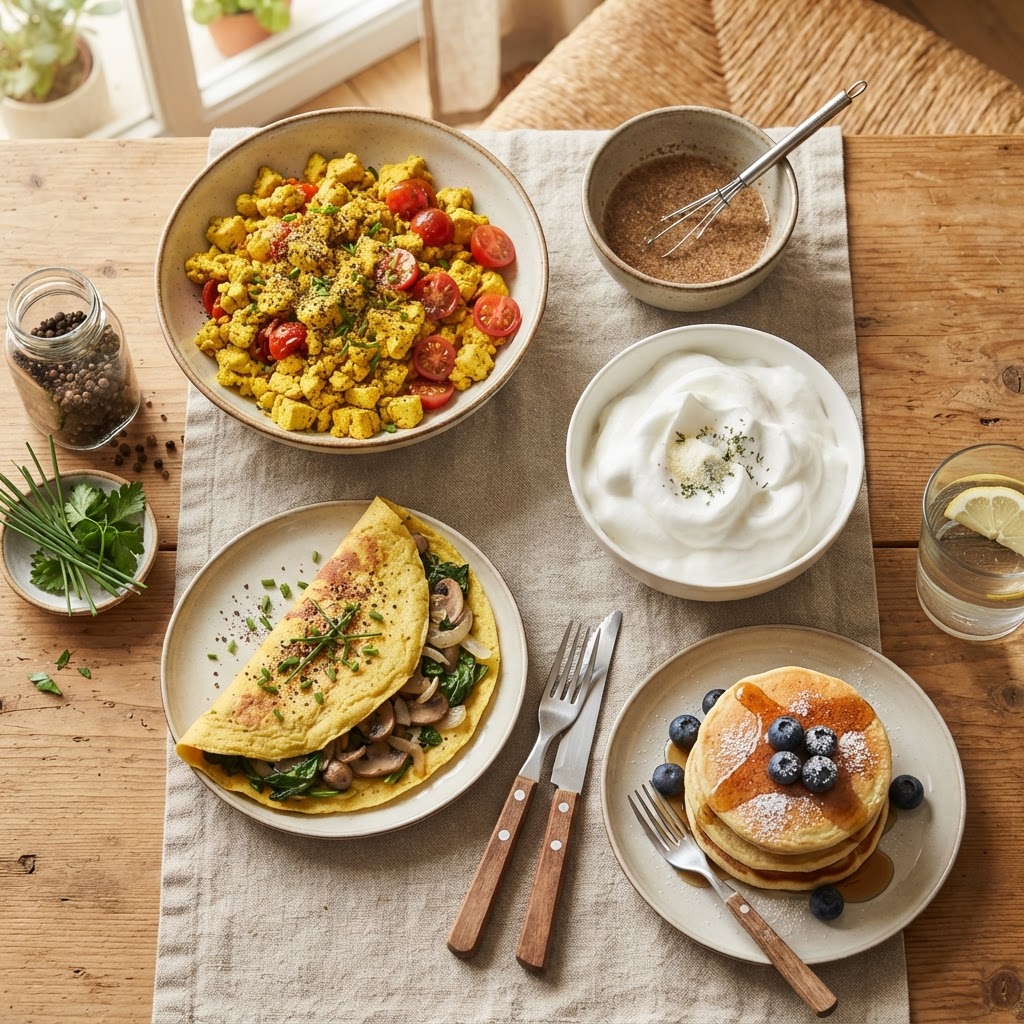
Vegan egg replacement spread with golden turmeric tofu scramble, a chickpea-flour omelet, a bowl of flax egg, whipped aquafaba foam, and a stack of pancakes

What Are You Making?

The right vegan egg depends on what the egg is supposed to do. Find your dish below and start with the recommended swap \u2014 then tweak to taste.

Scrambled Eggs

Best starting choice: Tofu

Also try: Commercial liquid vegan egg alternative

Tofu is inexpensive, easy to season, and produces an excellent scramble-style texture.

Omelet

Best starting choice: Commercial liquid vegan egg alternative

Also try: Chickpea flour batter

These options can set into a cohesive omelet-style structure.

Breakfast Sandwich

Best starting choice: Tofu

Also try: Commercial vegan egg patties or liquid egg alternatives

A seasoned tofu patty or a commercial egg patty fills the sandwich role.

French Toast

Best starting choice: Chickpea flour or cornstarch-based plant-milk batter

Also try: Commercial vegan egg alternative

The replacement needs to coat the bread and set during cooking.

Pancakes / Waffles

Best starting choice: Flax egg

Also try: Applesauce or commercial egg replacer

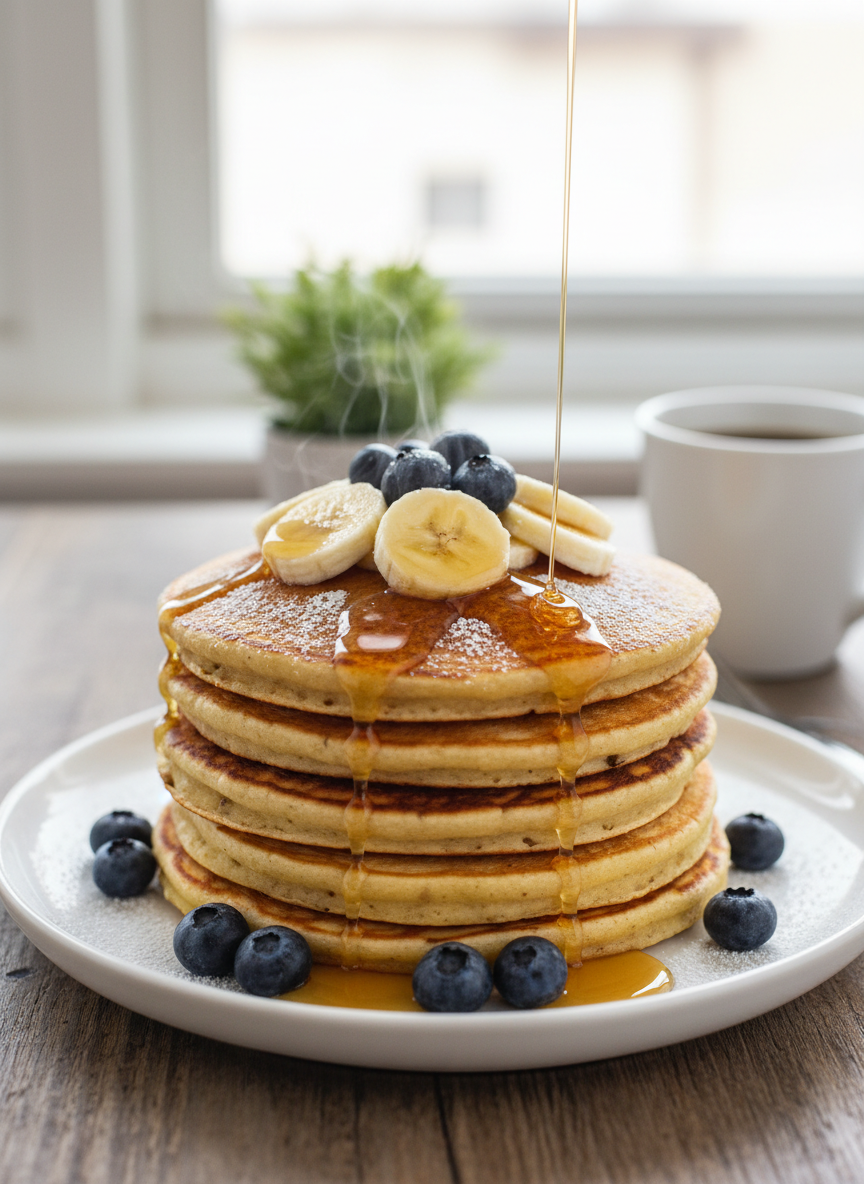
The egg generally contributes binding, moisture, and some structure rather than egg flavor.

Cookies

Best starting choice: Flax egg

Also try: Commercial egg replacer or applesauce depending on the recipe

Binding is the primary job; flax gels and holds the dough together.

Brownies

Best starting choice: Flax egg

Also try: Applesauce or commercial egg replacer

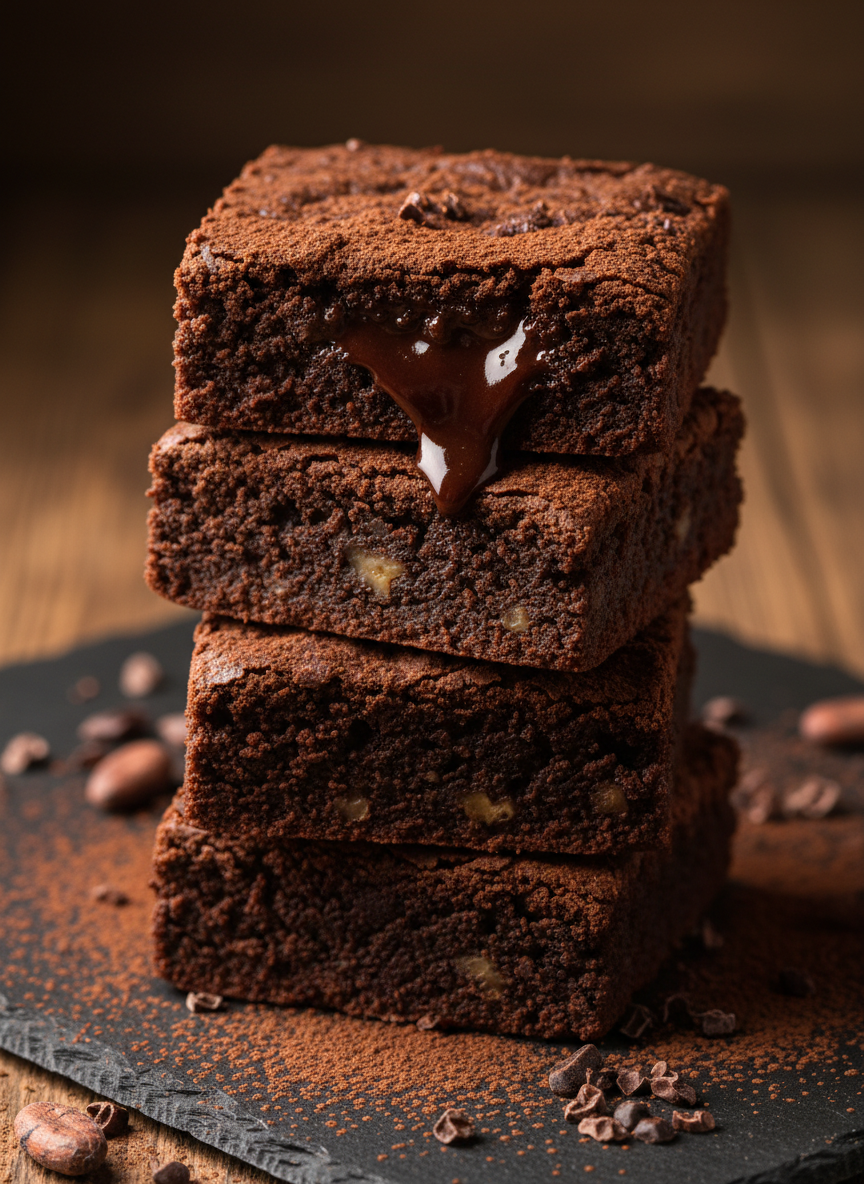
Binding and moisture matter most; fudgy brownies are forgiving without eggs.

Cakes

Best starting choice: Commercial egg replacer

Also try: Applesauce, aquafaba, or baking soda + acid depending on the recipe

Cakes often need lift and structure, not just binding — match the replacer to the cake.

Meatballs / Veggie Burgers

Best starting choice: Flax egg

Also try: Breadcrumb or starch-based binders

Binding is the primary job; flax or starch holds the mix together.

Breading / Chicken Parm / Cutlets

Best starting choice: Plant milk + flour/starch slurry

Also try: Aquafaba

The replacement primarily needs to help breading adhere.

Mayonnaise

Best starting choice: Aquafaba

Also try: Commercial vegan mayonnaise

Aquafaba emulsifies oil into a creamy mayo like egg yolks do.

Meringue

Best starting choice: Aquafaba

Also try: Commercial aquafaba powder

Aquafaba can whip and trap air in ways most other egg substitutes cannot.

Quiche

Best starting choice: Tofu

Also try: Chickpea flour

A blended tofu filling sets into a creamy quiche; chickpea flour also sets well.

Custard / Pudding

Best starting choice: Cornstarch or another starch with plant milk

Also try: Silken tofu depending on the dish

Thickening is the job; starch gels plant milk into a smooth custard.

Best Vegan Egg Replacements

Each option is honest about which egg job it does well and where it falls short \u2014 so you can choose the one that fits the function the egg was performing.

🥝

Tofu (Firm / Extra-Firm)

Pressed firm or extra-firm tofu, crumbled and seasoned for scramble, or blended smooth for quiche and egg salad.

What egg function it replaces: Scramble and quiche texture, plus structure and binding in some fillings.

Texture: Tender curds that hold together; crumbly like scrambled eggs when broken up.

Flavor impact: Neutral; it takes on kala namak, nooch, turmeric, and seasoning to read as egg.

Best uses: Scrambled eggs, breakfast sandwiches, quiche, frittata-style bakes, egg salad.

Limitations: Not a universal baking substitute; it won't whip or set a cake. Contains soy.

Beginner difficulty: Easy
🥝

Silken Tofu

Soft, unpressed tofu with high water content, blended smooth.

What egg function it replaces: Moisture, richness, and some binding in baking and fillings.

Texture: Smooth and custardy when blended.

Flavor impact: Very mild and neutral.

Best uses: Custards, puddings, quiche filling, brownies, creamy desserts.

Limitations: Adds water, so it can weigh down light cakes; not a binder for crisp cookies. Contains soy.

Beginner difficulty: Easy
🌾

Flax Egg

1 tablespoon ground flaxseed plus 3 tablespoons water, rested 5–10 minutes until gelled.

What egg function it replaces: Binding and moisture in baked goods.

Texture: Gel-like and slightly viscous; binds batters and mixtures together.

Flavor impact: Neutral to mildly nutty; undetectable in most baked goods.

Best uses: Cookies, brownies, pancakes, waffles, veggie burgers, meatballs.

Limitations: Will not scramble, whip, or lift; in pale baked goods it can add tiny dark flecks. Use fresh-ground for the best gel.

Beginner difficulty: Very easy
🌾

Chia Egg

1 tablespoon whole or ground chia seeds plus 3 tablespoons water, rested until gelled.

What egg function it replaces: Binding and moisture, similar to a flax egg.

Texture: Gel-like; whole seeds add a slight crunch and visible specks.

Flavor impact: Very neutral.

Best uses: Cookies, bars, pancakes, veggie burgers.

Limitations: Same as flax — no scramble, whip, or lift; seeds stay visible. Pricier than flax.

Beginner difficulty: Very easy
🥜

Aquafaba

The liquid from a can of chickpeas — about 3 tablespoons replaces one egg; whips like egg whites.

What egg function it replaces: Whipping, foaming, and some emulsification and binding.

Texture: Light and foamy when whipped; sets into meringue and macaron shells.

Flavor impact: Neutral; the chickpea note cooks out.

Best uses: Meringue, macarons, mousses, mayonnaise, marshmallow, some cakes.

Limitations: Finicky to whip (use a clean bowl; cream of tartar helps); best for foaming, not heavy binding. Use 2–3 tbsp per egg.

Beginner difficulty: Medium
🌾

Chickpea Flour

Gram flour from ground chickpeas, mixed with water and seasoning into a batter that sets when cooked.

What egg function it replaces: Structure and setting; mimics a cooked egg layer.

Texture: Set and slightly custardy; firms as it cooks, like an omelet or pancake.

Flavor impact: Mildly beany; it takes on savory seasoning well.

Best uses: Omelets, quiche, frittata, French toast batter, savory pancakes (socca).

Limitations: Raw batter can taste bitter; cook it through. Not for sweet baking. Contains legumes.

Beginner difficulty: Easy
🍎

Applesauce

Unsweetened applesauce — about 1/4 cup replaces one egg — used in baking.

What egg function it replaces: Moisture and some binding in soft baked goods.

Texture: Soft and tender; keeps cakes and quick breads moist.

Flavor impact: Mild apple; detectable in delicate recipes.

Best uses: Cakes, muffins, quick breads, brownies, some cookies.

Limitations: Adds sweetness and moisture; can make things dense or gummy if overused. Not for crisp or structure-heavy bakes.

Beginner difficulty: Very easy
🍌

Mashed Banana

Mashed ripe banana — about 1/4 cup replaces one egg — used in baking.

What egg function it replaces: Moisture, binding, and some sweetness.

Texture: Soft, dense, and tender.

Flavor impact: Strong banana flavor — useful when you want it, a limitation when you don't.

Best uses: Banana bread, muffins, pancakes, brownies, cookies where banana fits.

Limitations: Noticeable banana flavor dominates delicate recipes; adds sweetness. Not for savory dishes.

Beginner difficulty: Very easy
🧳

Commercial Powdered Egg Replacer

A boxed blend of starches and leaveners (often potato starch, tapioca, baking powder) mixed with water per egg.

What egg function it replaces: Binding, moisture, and some lift in baked goods.

Texture: Light and neutral; designed to mimic egg's binding in baking.

Flavor impact: Neutral.

Best uses: Cookies, cakes, muffins, pancakes, brownies — especially when you're unsure what the egg does.

Limitations: Brands vary; some give a dry or chalky crumb. Not for scrambling or whipping.

Beginner difficulty: Very easy
🥚

Commercial Liquid Vegan Egg Alternatives

Bottled plant-based liquid eggs (often mung-bean or soy protein based) poured and cooked like eggs.

What egg function it replaces: Scramble, omelet, and setting; some baking.

Texture: Sets into curds or a folded layer close to egg.

Flavor impact: Mild and eggy with added seasoning; closest to egg flavor out of the carton.

Best uses: Scrambled eggs, omelets, breakfast sandwiches, quiche, some baking.

Limitations: Pricier and more processed; scramble performance varies by brand. Check labels for allergens.

Beginner difficulty: Very easy
🧊

Cornstarch / Starch Slurries

Cornstarch (or arrowroot or potato starch) whisked with cold water or plant milk, cooked to thicken.

What egg function it replaces: Thickening and some coating and binding.

Texture: Smooth, glossy, and thick when cooked.

Flavor impact: Neutral.

Best uses: Custards, puddings, sauces, gravies, and breading slurries.

Limitations: Thickens as it cools; can go gummy if overcooked. No lift, whip, or egg flavor.

Beginner difficulty: Easy
🧳

Baking Soda + Acid

Baking soda paired with an acid (vinegar, lemon, or plant yogurt) to create lift in baking.

What egg function it replaces: Lift and leavening where eggs provided aeration.

Texture: Lighter crumb in cakes and quick breads.

Flavor impact: Neutral if balanced; too much soda tastes metallic.

Best uses: Cakes, muffins, pancakes, and quick breads that need lift.

Limitations: Provides lift only — not binding or moisture; pair with a binder like flax or applesauce. Measure carefully.

Beginner difficulty: Easy
Compare Vegan Egg Options

Each option rated Low, Medium, or High against practical egg criteria \u2014 no fabricated nutrition numbers, just honest comparisons to help you decide.

Tofu (Firm/Extra-Firm)

Binding
Medium
Moisture
Medium
Lift
Low
Structure
High
Whipping
Low
Breakfast egg texture
High
Neutral flavor
Medium
Breading
Low
Baking usefulness
Low
Cost
High
Ease of prep
High
Beginner friendly
High

Silken Tofu

Binding
Medium
Moisture
High
Lift
Low
Structure
Medium
Whipping
Low
Breakfast egg texture
Low
Neutral flavor
High
Breading
Low
Baking usefulness
Medium
Cost
High
Ease of prep
High
Beginner friendly
High

Flax Egg

Binding
High
Moisture
High
Lift
Low
Structure
Medium
Whipping
Low
Breakfast egg texture
Low
Neutral flavor
High
Breading
Low
Baking usefulness
High
Cost
High
Ease of prep
High
Beginner friendly
High

Chia Egg

Binding
High
Moisture
High
Lift
Low
Structure
Medium
Whipping
Low
Breakfast egg texture
Low
Neutral flavor
High
Breading
Low
Baking usefulness
High
Cost
Medium
Ease of prep
High
Beginner friendly
High

Aquafaba

Binding
Medium
Moisture
Medium
Lift
High
Structure
Medium
Whipping
High
Breakfast egg texture
Low
Neutral flavor
High
Breading
Medium
Baking usefulness
Medium
Cost
High
Ease of prep
Medium
Beginner friendly
Medium

Chickpea Flour

Binding
Medium
Moisture
Medium
Lift
Low
Structure
High
Whipping
Low
Breakfast egg texture
High
Neutral flavor
Medium
Breading
Medium
Baking usefulness
Medium
Cost
High
Ease of prep
High
Beginner friendly
Medium

Applesauce

Binding
Medium
Moisture
High
Lift
Low
Structure
Low
Whipping
Low
Breakfast egg texture
Low
Neutral flavor
Medium
Breading
Low
Baking usefulness
High
Cost
High
Ease of prep
High
Beginner friendly
High

Mashed Banana

Binding
Medium
Moisture
High
Lift
Low
Structure
Low
Whipping
Low
Breakfast egg texture
Low
Neutral flavor
Low
Breading
Low
Baking usefulness
Medium
Cost
High
Ease of prep
High
Beginner friendly
High

Commercial Powdered Egg Replacer

Binding
High
Moisture
Medium
Lift
Medium
Structure
High
Whipping
Low
Breakfast egg texture
Low
Neutral flavor
High
Breading
Low
Baking usefulness
High
Cost
Medium
Ease of prep
High
Beginner friendly
High

Commercial Liquid Vegan Egg

Binding
Medium
Moisture
Medium
Lift
Low
Structure
High
Whipping
Low
Breakfast egg texture
High
Neutral flavor
Medium
Breading
Low
Baking usefulness
Medium
Cost
Low
Ease of prep
High
Beginner friendly
High

Cornstarch / Starch Slurries

Binding
Low
Moisture
Medium
Lift
Low
Structure
Medium
Whipping
Low
Breakfast egg texture
Low
Neutral flavor
High
Breading
High
Baking usefulness
Medium
Cost
High
Ease of prep
High
Beginner friendly
High

Baking Soda + Acid

Binding
Low
Moisture
Low
Lift
High
Structure
Medium
Whipping
Low
Breakfast egg texture
Low
Neutral flavor
Medium
Breading
Low
Baking usefulness
Medium
Cost
High
Ease of prep
High
Beginner friendly
High

How to Build Egg-Style Flavor

For savory egg dishes, flavor is part of the puzzle. For baking, reproducing egg flavor is usually NOT the goal — the important issue is reproducing the egg's FUNCTION. Here's how to build egg-like flavor where it actually matters.

Flavor-Building Ingredients

  • Kala namak / black salt: Sulfurous, eggy aroma — the single most important egg-flavor ingredient. Use carefully; a little gives egginess, too much tastes sulfur-heavy.
  • Nutritional yeast: Savory depth that rounds out tofu scramble and quiche; it doesn't taste like egg on its own.
  • Turmeric: Primarily COLOR and earthy flavor — it gives scramble its golden look; it does not magically make something taste like eggs.
  • Black pepper: Classic egg seasoning; freshly cracked adds the familiar bite of scrambled eggs.
  • Garlic: Savory base for scrambles and quiche; roasted or powdered both work.
  • Onion powder: Savory background note in tofu scramble and egg salad.
  • Plant milk: The liquid for omelet and quiche batters; unsweetened and unflavored keeps it neutral.
  • Vegan butter: Richness and the buttery note eggs cooked in butter carry; use for scramble and omelet.
  • Mustard: A pinch adds the tang and emulsification eggs bring to mayo and dressings.
  • Chives: Fresh onion-y lift that finishes a scramble or omelet the way eggs do.
  • Paprika: Mild sweetness and color; a dusting over scramble reads as breakfast.

Techniques That Matter

  • Season the tofu, not the pan: Toss tofu with kala namak, nooch, and turmeric before cooking so the flavor penetrates.
  • Go light on kala namak: Start with 1/4 tsp per block of tofu and add more; too much tastes sulfur-heavy, not eggy.
  • Use turmeric for color: A pinch for golden hue; don't expect it to add egg flavor.
  • Add richness: A little vegan butter or plant cream carries the fat eggs bring to scramble and quiche.
  • Finish fresh: Chives, pepper, and a splash of plant milk at the end brighten a scramble.
  • In baking, focus on function: Match the substitute to the egg's job (binding, lift, moisture); egg flavor is rarely the goal.

For the pantry basics, see our Vegan Egg Replacer and Vegan Baking Tips guides.

Choose by What the Egg Needs to Do

For eggs, function matters more than cooking method. Identify the job the egg was doing, then reach for the approach that does it.

Scramble

Useful options: tofu, commercial liquid vegan egg

Tofu crumbles into tender curds and seasons easily; liquid vegan eggs set into a close egg-like scramble.

Bind

Useful options: flax egg, chia egg, commercial egg replacer

These gel and hold batters and mixtures together in cookies, patties, and meatballs.

Add moisture

Useful options: applesauce, banana, silken tofu

These add the water eggs contribute to cakes, muffins, and soft baked goods.

Add structure

Useful options: commercial egg replacer, chickpea flour, starches

These help batters and fillings set and hold their shape where eggs provided framework.

Add lift

Useful options: aquafaba, commercial egg replacer, baking soda + acid

Aquafaba whips in air; commercial replacers include leaveners; soda + acid creates bubbles.

Whip / foam

Useful option: aquafaba

Aquafaba whips to stiff peaks like egg whites for meringue, mousses, and macarons.

Help breading stick

Useful options: plant milk/flour slurry, aquafaba

A thin starch or flour wash helps crumbs cling to cutlets; aquafaba's protein also grips.

Make an omelet / quiche

Useful options: chickpea flour, tofu, commercial liquid vegan egg

Chickpea flour batter sets into a foldable omelet; tofu blends into a quiche filling; liquid eggs pour and set.

Thicken

Useful options: cornstarch, silken tofu, other starches

Cornstarch gels sauces and custards; blended silken tofu thickens puddings and fillings.

For tofu technique, see our Tofu Preparation Guide; for breakfast ideas that use these swaps, browse our Best Vegan Breakfast Ideas guide.

Related Vegan Foodies Recipes & Guides

New to Vegan Egg Replacements? Start Here.

If you're baking from an unfamiliar recipe and aren't sure what the egg is doing, a commercial egg replacer can sometimes be the simplest starting point. Otherwise, start with the option that matches the job.

Tofu

Start here when replacing eggs in scrambled eggs, breakfast dishes, and quiche-style recipes.

Flax Egg

Start here when a recipe primarily needs an egg for binding in cookies, pancakes, veggie burgers, or similar foods.

Aquafaba

Start here when whipping, foaming, or certain emulsification properties are needed.

Common Mistakes When Replacing Eggs

Most vegan egg misses come down to choosing the wrong substitute for the job. Here's what goes wrong and what to do instead.

1.Using the same egg substitute for every recipe

Fix: Identify what the egg does (bind, lift, add moisture, scramble) and pick the substitute built for that job.

2.Using flax egg for a recipe that requires whipping

Fix: Flax binds but never whips; use aquafaba for meringue, mousses, and airy cakes.

3.Expecting tofu to work as a universal baking replacement

Fix: Tofu scrambles and sets fillings but won't lift or whip a cake; use starches, aquafaba, or commercial replacers for baking.

4.Using too much banana and unintentionally flavoring the recipe

Fix: Use 1/4 cup per egg and pick banana only where its flavor fits; otherwise choose applesauce or flax.

5.Using too much kala namak

Fix: Start with 1/4 tsp per block of tofu and add more; too much tastes sulfur-heavy, not eggy.

6.Assuming turmeric creates egg flavor

Fix: Turmeric is for color and earthiness; pair it with kala namak and nooch for actual egg flavor.

7.Failing to determine why the original recipe uses eggs

Fix: Read the recipe — is the egg binding, lifting, adding moisture, or scrambling? Then choose accordingly.

8.Expecting every commercial egg replacer to scramble

Fix: Powdered replacers are for baking; only liquid vegan eggs are designed to scramble and make omelets.

9.Using aquafaba where structural binding is more important than whipping

Fix: Aquafaba is a foamer and emulsifier, not a heavy binder; use flax or commercial replacer where binding is the job.

10.Replacing multiple eggs in a structure-heavy baking recipe without considering how much work the eggs were doing

Fix: Eggs that provide structure and lift need a replacer that does both (commercial replacer, aquafaba, or soda + acid with a binder); one flax egg may not carry a three-egg cake.

Frequently Asked Questions

What is the best vegan substitute for eggs?

It depends on the job: tofu for scramble, flax egg for binding, aquafaba for whipping, and a commercial replacer when you're unsure.

What can I use instead of eggs for breakfast?

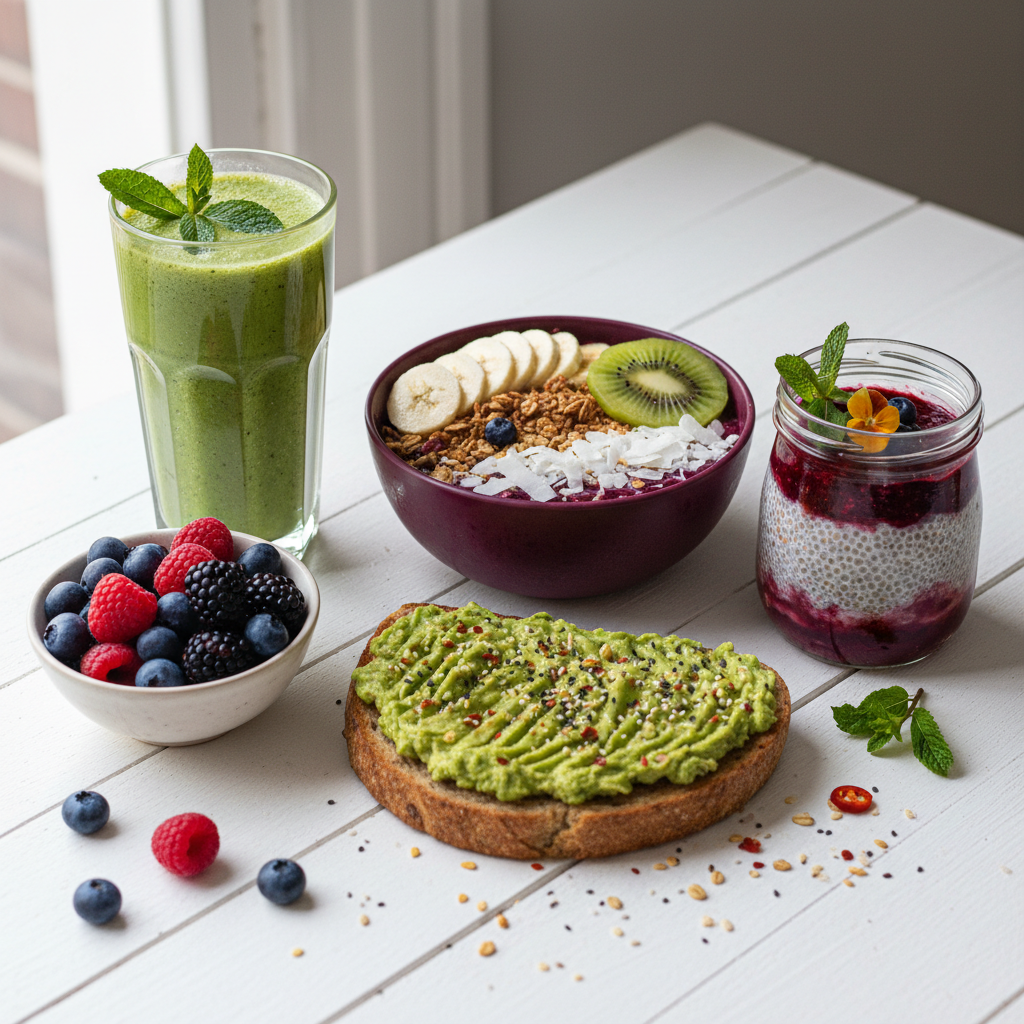
A tofu scramble, or a commercial liquid vegan egg for omelets and breakfast sandwiches.

What is the best substitute for scrambled eggs?

Crumbled firm tofu seasoned with kala namak, nooch, turmeric, and pepper, cooked in vegan butter.

What can I use instead of eggs in cookies?

A flax egg (1 tbsp ground flax + 3 tbsp water) binds cookies beautifully.

What can I use instead of eggs in brownies?

A flax egg or applesauce; our Fudgy Vegan Brownies bake rich without eggs.

What can I use instead of eggs in cake?

A commercial egg replacer, aquafaba, or applesauce depending on the cake; see our Plant Based Cake Recipes guide.

What is a flax egg?

1 tablespoon ground flaxseed mixed with 3 tablespoons water, rested until gelled; it binds and adds moisture in baking.

What is aquafaba?

The liquid from a can of chickpeas; it whips like egg whites for meringue, mousses, and macarons.

What can replace eggs for breading?

A plant milk and flour or starch slurry, or aquafaba; both help crumbs cling to cutlets.

What can replace eggs in meatballs?

A flax egg or a little starch binder; chill the mix before shaping so patties hold.

What works for French toast?

Chickpea flour or cornstarch whisked with plant milk and cinnamon; dip and pan-fry.

What can replace eggs in quiche?

Blended tofu with seasoning and fillings, baked in a crust; chickpea flour also sets well.

What can I use for vegan meringue?

Aquafaba whipped with cream of tartar and sugar to stiff, glossy peaks, then baked low.

Does tofu taste like eggs?

Not on its own; tofu is neutral and takes on kala namak, nooch, and seasoning to read as egg.

What makes tofu scramble taste egg-like?

Kala namak (black salt) for sulfur, nutritional yeast for savory depth, turmeric for color, and black pepper.

What is kala namak?

Black salt with a sulfurous, eggy aroma; a little gives tofu scramble its egg flavor — use it sparingly.

Can applesauce replace eggs?

Yes, for moisture and some binding in soft baked goods — about 1/4 cup per egg; it adds mild sweetness.

Can bananas replace eggs?

Yes, about 1/4 cup mashed per egg for moisture and binding; they add noticeable banana flavor, so use where it fits.

What Do You Want to Veganize Next?

Once you\u2019ve got beef sorted, pick the next food you want to make vegan.