🧈
Extra-Firm Tofu
Pressed soybean curd in extra-firm or super-firm blocks. The most versatile seafood base — it holds its shape, takes on any marinade, and crisps when battered.
Texture: Firm and sliceable when well-pressed. Not flaky like fish, but it crisps and holds together for fillets and sticks.
Flavor: Very neutral. Tofu is a flavor carrier — it becomes whatever you season it with.
Seasoning: Excellent, especially after pressing. The drier the tofu, the more marinade it pulls in.
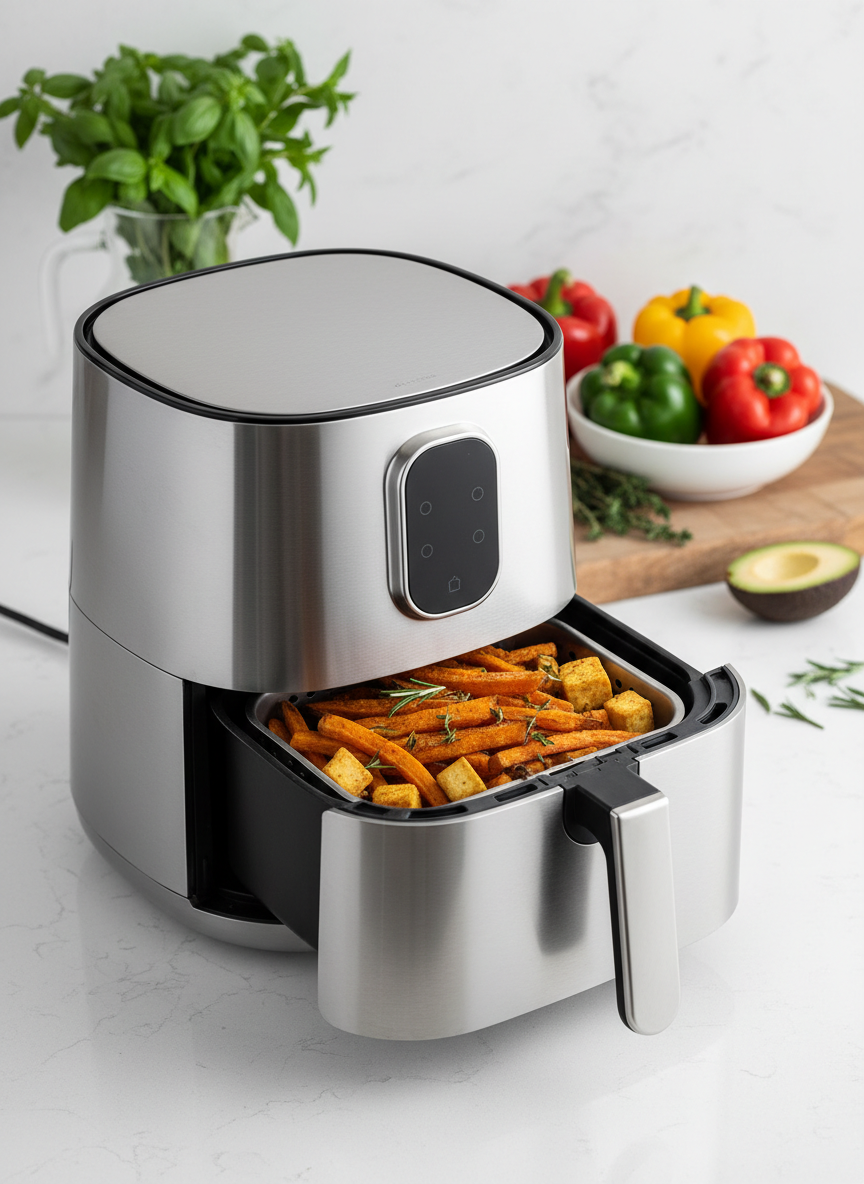
Best methods: Pan-frying, deep frying, baking, air frying, grilling, pan searing.
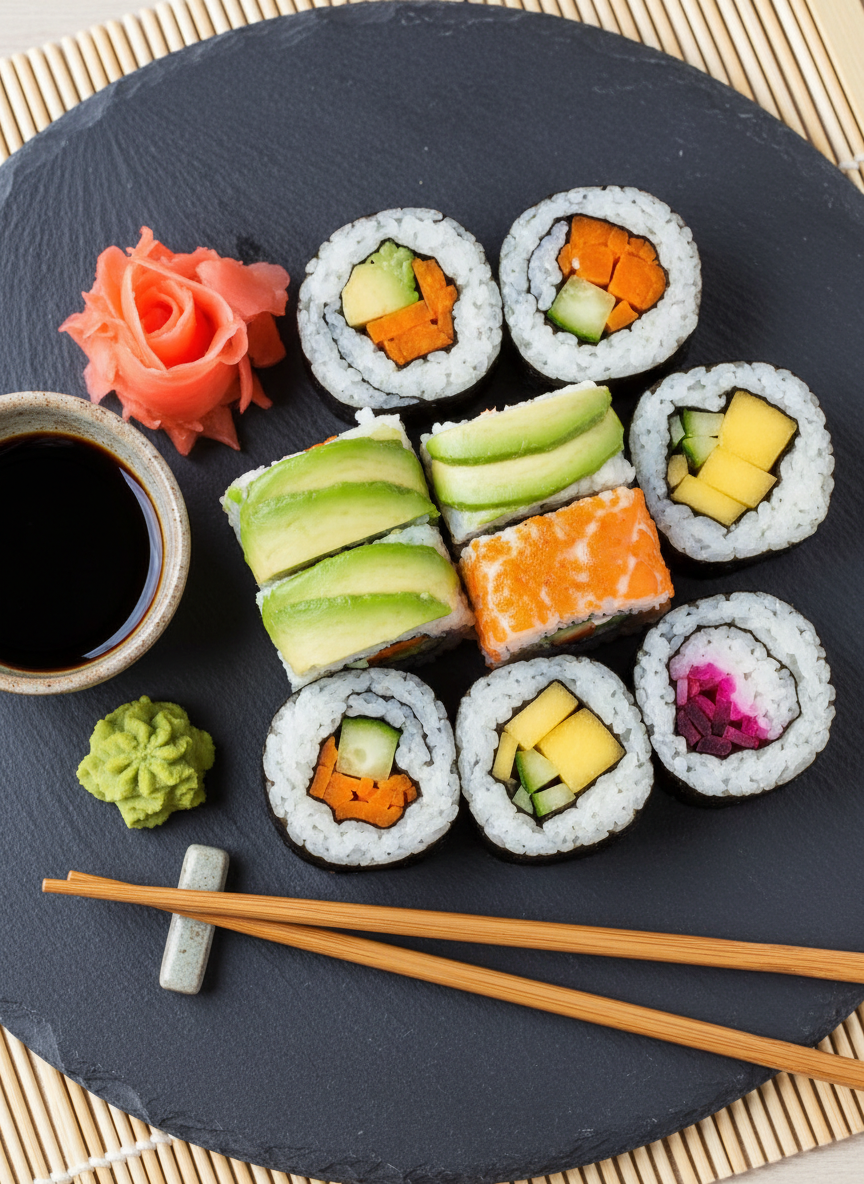
Best dishes: Fish and chips, fish tacos, fish sandwiches, fish sticks, salmon-style fillets, sushi.
Limitations: Not naturally flaky and needs pressing and bold seasoning. Skip silken or soft tofu. Contains soy.
Beginner difficulty: Easy🌸
Banana Blossoms
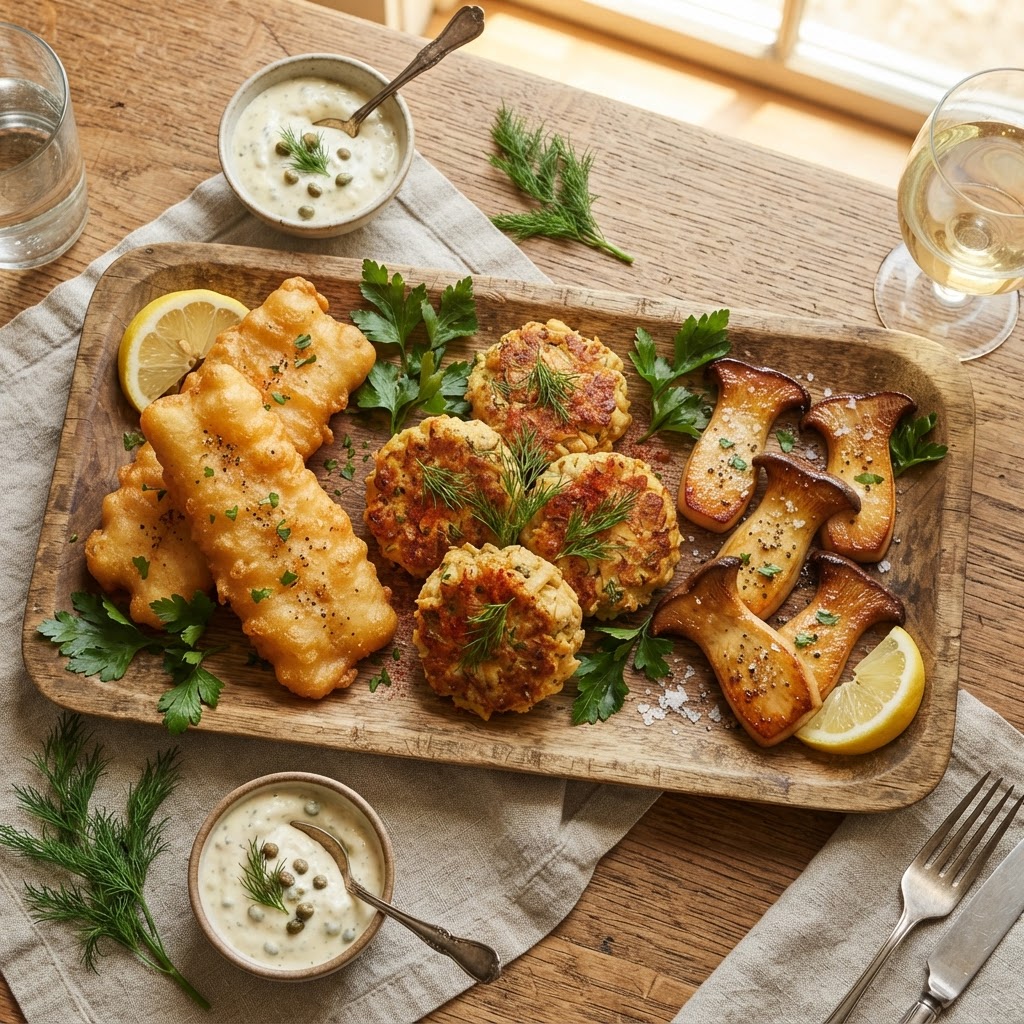
The flower of the banana plant, sold canned or fresh. Its layered petals pull apart into flaky, fish-like strands.
Texture: Tender and flaky; the layers separate like cooked fish. It fries into a crisp, layered fillet.
Flavor: Mildly vegetal and neutral; it takes on brine and batter well.
Seasoning: Good. It absorbs marinades, especially with a short soak in seasoned broth.
Best methods: Pan-frying, deep frying, baking.
Best dishes: Fried fish, fish and chips, fish tacos, fish sandwiches.
Limitations: Not nutritionally equivalent to fish — it’s low in protein, so pair it with a protein side. Canned blossoms need rinsing; fresh are hard to find.
Beginner difficulty: Medium🌴
Hearts of Palm
The tender core of palm stems, sold canned or jarred. Shredded, it mimics the soft, flaky pull of crab.
Texture: Tender and shreddable; it pulls apart into soft fibers that bind into cakes.
Flavor: Mildly sweet and vegetal; neutral enough to take on seafood seasoning.
Seasoning: Good. It holds brine, lemon, and Old Bay-style seasoning well.
Best methods: Pan-frying, baking, raw/chilled preparations, simmering.
Best dishes: Crab cakes, tuna-style salads, ceviche, chowder, seafood pasta.
Limitations: Low in protein — a texture substitute, not a nutritional one. Canned hearts of palm can be salty; rinse first.
Beginner difficulty: Easy🍄
King Oyster Mushrooms
Large mushrooms with thick, dense stems. Sliced into rounds, the stems sear into tender scallop- or shrimp-style bites.
Texture: Firm, meaty, and springy; stems hold a substantial bite and sear beautifully.
Flavor: Savory and mild; they brown well and take on marinades and umami.
Seasoning: Good. They absorb soy, lemon, and garlic and develop a savory crust.
Best methods: Pan searing, pan frying, grilling, simmering.
Best dishes: Scallops, shrimp, scampi, seafood pasta, chowder.
Limitations: Not nutritionally equivalent to seafood or protein-rich substitutes — they’re low in protein. Don’t overcook or they go soggy.
Beginner difficulty: Easy🭜
Chickpeas
Cooked garbanzo beans, mashed or whole. The pantry staple behind most vegan tuna salads.
Texture: Soft and flakeable when mashed; they break into a chunky, salad-like texture.
Flavor: Earthy and nutty; they carry mayo, celery, and lemon like tuna salad.
Seasoning: Good. They absorb seasoned mayo and brine well, especially with a short rest.
Best methods: Mashing, mixing, no-cook salads.
Best dishes: Tuna salad, tuna melts, croquettes, seafood-style dips.
Limitations: They don’t mimic a fish fillet or whole piece — they’re for flaked, salad-style dishes.
Beginner difficulty: Very easy🥬
Artichoke Hearts
The tender base of the artichoke, sold canned or jarred. A softer alternative to hearts of palm for crab-style mixtures.
Texture: Tender and slightly fibrous; it shreds into soft, layered pieces.
Flavor: Mildly sweet and earthy; it takes on brine and seasoning.
Seasoning: Good. It holds lemon, capers, and Old Bay-style seasoning.
Best methods: Pan-frying, baking, raw/chilled preparations.
Best dishes: Crab cakes, seafood-style dips, salads, pasta.
Limitations: Low in protein — a texture and flavor carrier, not a protein substitute. Canned versions can be salty; rinse first.
Beginner difficulty: Easy🥕
Carrots
Thinly sliced or ribboned carrots, sometimes marinated and lightly cooked for salmon-style dishes.
Texture: Firm with a slight bend when raw; they soften and flake slightly when poached or roasted.
Flavor: Sweet and carroty; they take on smoky, dill, and lemon notes for salmon-style flavor.
Seasoning: Good. They absorb marinades, especially with a warm infusion.
Best methods: Poaching, roasting, steaming, raw.
Best dishes: Salmon-style fillets, smoked-fish-style preparations, sushi fillings.
Limitations: Not a protein source and not naturally fish-like in texture — a creative option for specific dishes, not a general substitute.
Beginner difficulty: Easy🍅
Tomato
Ripe or lightly cooked tomato, used for raw, tuna-like cubes in poke and sushi-style bowls.
Texture: Soft and juicy; it breaks into tender, flake-like pieces.
Flavor: Sweet and acidic; it takes on soy, sesame, and brine for a tuna-like poke.
Seasoning: Good. It absorbs marinades, especially when lightly salted first.
Best methods: Raw/chilled preparations, light marinating.
Best dishes: Poke-style bowls, sushi, ceviche-style dishes.
Limitations: Not a protein substitute and very delicate — best for raw, marinated dishes, not cooked fillets.
Beginner difficulty: Very easy🌿
Seaweed / Nori (Flavor Component)
Dried sea vegetables — nori, kelp, and dulse — used in small amounts to add briny, ocean-like flavor.
Texture: Papery when dry, tender when rehydrated; not a structural substitute.
Flavor: Briny, salty, and oceanic; a little reads as the sea, a lot reads as seaweed.
Seasoning: It IS the seasoning. Use a small piece in broth or a sprinkle on top, not as a base.
Best methods: Simmering in broth, sprinkling, wrapping.
Best dishes: Chowders, broths, sushi, seasoning blends for any seafood-style dish.
Limitations: Primarily a flavor-building ingredient here, not a direct structural replacement for seafood. Too much overwhelms a dish.
Beginner difficulty: Easy🛍️
Store-Bought Vegan Seafood
Ready-made plant-based fish fillets, shrimp, crab cakes, and salmon-style products from brands like Gardein, Sophie’s, and store lines.
Texture: Ranges from flaky and fillet-like to springy and shrimp-like, depending on the product.
Flavor: Usually pre-seasoned toward a briny, oceanic profile — convenient, but check the salt level.
Seasoning: Already seasoned; great for speed, less ideal when you want to control the flavor.
Best methods: Follow the package — most bake, pan-fry, or air-fry in minutes.
Best dishes: Fish fillets, shrimp, crab cakes, salmon-style dishes, weeknight dinners.
Limitations: Read the label: some contain soy, gluten, or allergens, and “seafood-flavored” doesn’t guarantee vegan. More processed and pricier than whole-food substitutes.
Beginner difficulty: Very easy