Veganize It

Veganize Cheese

Want to replace cheese? Start with what you’re making.

There is no single “best vegan cheese.” The right replacement depends heavily on what the cheese is supposed to DO in the dish. A cheese needed for melting on pizza, stretching in mozzarella-style dishes, a creamy pasta sauce, sprinkling like parmesan, filling lasagna like ricotta, spreading like cream cheese, melting on a burger, or making queso requires different ingredients and techniques. This guide helps you choose based on the food you want to make — and shows you how to build the salty, tangy, savory flavor cheese brings.

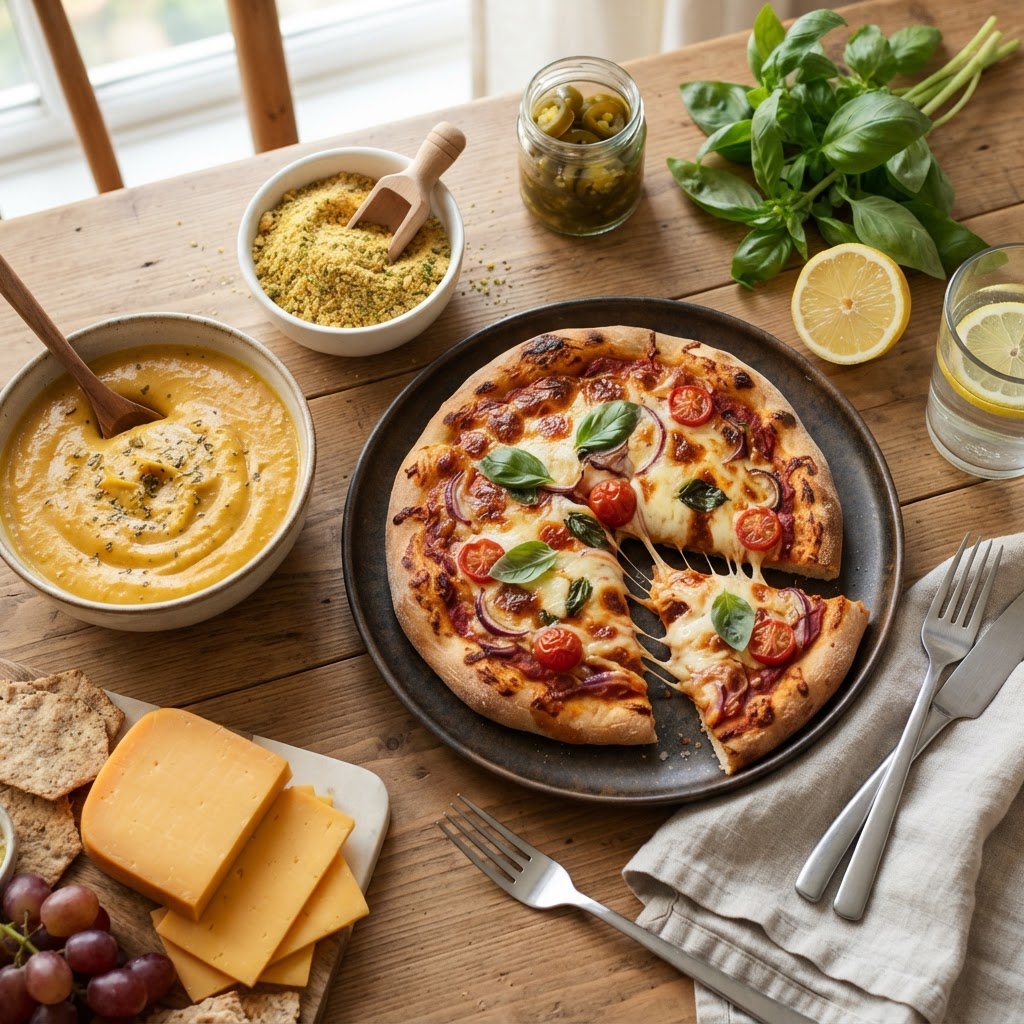
Plant-based vegan cheese spread with melty cashew cheese sauce, nutritional-yeast parmesan, vegan cheddar slices, and a mini pizza with stretchy vegan mozzarella

What Are You Making?

The right vegan cheese depends on what the cheese is supposed to do. Find your dish below and start with the recommended swap \u2014 then tweak to taste.

Pizza

Best starting choice: Vegan mozzarella

Also try: Homemade cashew or tapioca-based mozzarella

Pizza needs a cheese replacement designed primarily around melting, richness, and ideally some stretch.

Chicken Parm

Best starting choice: Vegan mozzarella

Also try: Vegan parmesan combined with a melting vegan cheese

The dish benefits from both melted cheese and parmesan-style savory flavor.

Cheeseburger

Best starting choice: Vegan cheddar-style slices

Also try: Homemade cheese sauce

A burger needs something that melts quickly and adds richness without overwhelming the other ingredients.

Mac & Cheese

Best starting choice: Homemade vegan cheese sauce

Also try: Commercial vegan cheddar

Creaminess and sauce consistency matter more than sliceability.

Queso / Nachos

Best starting choice: Vegan cheese sauce

Also try: Cashew-based queso

Queso is a pourable, dippable sauce; cashew or potato-carrot bases melt smooth and stay fluid.

Grilled Cheese

Best starting choice: Good melting vegan cheese slices

Also try: Vegan mozzarella/cheddar blend

You need slices that melt and brown in the pan; blends often melt better than one cheese alone.

Lasagna

Best starting choice: Tofu ricotta

Also try: Cashew ricotta

Lasagna needs a creamy filling more than a stretchy sliced cheese.

Ricotta / Stuffed Shells

Best starting choice: Tofu ricotta

Also try: Cashew ricotta

A soft, creamy, slightly granular filling is the goal; tofu ricotta nails it for little money.

Parmesan for Pasta

Best starting choice: Nutritional yeast-based vegan parmesan

Also try: Commercial vegan parmesan

You want a dry, salty, savory sprinkle — not melt — which nooch parmesan does perfectly.

Cream Cheese

Best starting choice: Commercial vegan cream cheese

Also try: Cashew- or tofu-based spread

You want a spreadable, tangy, creamy texture; store-bought is closest, homemade is easy.

Cheese Sauce

Best starting choice: Cashew or potato/carrot-based cheese sauce

Also try: Commercial vegan cheese melted into a sauce

A smooth, pourable sauce needs starch or blended nuts for body and melt.

Philly Cheesesteak

Best starting choice: Vegan provolone-style or mozzarella-style cheese

Also try: Creamy vegan cheese sauce

You want slices that melt over the seitan and peppers, or a sauce that drapes everything.

Cheese Dip

Best starting choice: Cashew queso or vegan cheddar sauce

Also try: Store-bought vegan cheese melted with a little plant milk

A warm, dippable sauce; cashew queso stays smooth and scoopable.

Best Vegan Cheese Replacements

Each option is honest about what it does well and where it falls short \u2014 especially how it melts and stretches \u2014 so you can choose the one that fits the job.

🧀

Commercial Vegan Mozzarella

Ready-made plant-based mozzarella in shreds, blocks, or fresh balls, usually built on coconut oil, starch, and plant protein.

Texture: Soft and pliable when cold; melts into a gooey, stretchy layer when hot.

Flavor: Mild and milky; it leans on salt and a little tang, with limited sharpness.

Melting: High — the best commercial mozzarellas melt smoothly; cheaper ones can stay grainy. Heat gently.

Stretch: High when hot — the stretchiest of the store-bought options, especially shred-style.

Best methods: Melting over pizza and casseroles, broiling, grilling.

Best dishes: Pizza, chicken parm, lasagna topping, mozzarella sticks, caprese-style salads.

Limitations: Brands differ a lot in melt and flavor; some don’t brown without help. More processed and pricier than homemade.

Beginner difficulty: Very easy
🧀

Commercial Vegan Cheddar / Slices

Ready-made plant-based cheddar in slices, shreds, or blocks, usually coconut- or starch-based.

Texture: Firm and sliceable when cold; melts softer than dairy cheddar and can stay a little waxy.

Flavor: Sharper and more savory than vegan mozzarella, with a cheddar-style tang that varies by brand.

Melting: Medium — some slices melt well, others barely soften. Cover with heat to help.

Stretch: Low to medium; cheddar-style slices pull less than mozzarella.

Best methods: Melting on burgers and sandwiches, grilling, baking into casseroles.

Best dishes: Cheeseburgers, grilled cheese, mac & cheese (shreds), cheese fries.

Limitations: Not every brand melts like dairy; some taste artificial cold. Read reviews and test small.

Beginner difficulty: Very easy
🥝

Tofu Ricotta

Crumbled firm or extra-firm tofu blended with lemon, nutritional yeast, garlic, and salt into a soft, slightly granular filling.

Texture: Soft, creamy, and a little crumbly — the tender bite of dairy ricotta.

Flavor: Mild and milky; it leans on nooch, lemon, and salt for the cheesy, tangy note.

Melting: Low — it bakes creamy but does not melt or stretch. Don’t expect a melt.

Stretch: None — it is a filling, not a melter.

Best methods: Baking into lasagna and shells, stuffing ravioli, no-cook spreading.

Best dishes: Lasagna, stuffed shells, ravioli, manicotti, cannoli-style dips.

Limitations: It won’t melt or stretch — use it where creaminess matters, not where melt is needed. Contains soy.

Beginner difficulty: Easy
🧀

Cashew Cheese

Soaked cashews blended with water, lemon, nooch, and salt into a creamy base for spreads, sauces, and soft cheeses.

Texture: Smooth and creamy when blended; can be firmed into a sliceable soft cheese when set.

Flavor: Rich, buttery, and mild; it takes on tang and savory seasoning well.

Melting: Medium — blends melt smoothly as a sauce; a set block softens but doesn’t melt like dairy.

Stretch: Low — creamy, not stretchy, unless you add tapioca starch.

Best methods: Blending into sauces and spreads, setting into soft cheese, spreading cold.

Best dishes: Cheese sauces, queso, cream cheese-style spreads, ricotta, cheesecake filling.

Limitations: A tree-nut allergen and pricier than tofu; a great sauce and spread, not a slicing or melting cheese on its own.

Beginner difficulty: Medium
🌿

Nutritional Yeast

Deactivated yeast flakes with a savory, cheesy flavor — the backbone of vegan cheese flavor, used as a seasoning.

Texture: Flaky and dry; it’s a seasoning, not a cheese body.

Flavor: Savory, nutty, and distinctly cheesy; it carries the “cheese flavor” in most vegan cheeses.

Melting: None — it does not melt. It gives flavor, not melt or body.

Stretch: None — it does not stretch.

Best methods: Stirring into sauces, sprinkling over pasta and popcorn, blending into ricotta and parmesan.

Best dishes: Vegan parmesan, cheese sauces, ricotta, mac & cheese flavor, sprinkle toppings.

Limitations: It is not a cheese by itself — it gives flavor but no melt, stretch, or body. Too much tastes bitter.

Beginner difficulty: Very easy
🧀

Vegan Parmesan

A dry, salty, savory blend — usually nutritional yeast, ground cashews or almonds, salt, and garlic powder — made to sprinkle like grated parmesan.

Texture: Dry and crumbly; it clings like grated parmesan.

Flavor: Sharp, salty, and savory with nutty depth.

Melting: Low — it softens into sauces but doesn’t melt into a layer; that’s not its job.

Stretch: None.

Best methods: Sprinkling over pasta, pizza, and salads; stirring into sauces for savory depth.

Best dishes: Pasta, pizza, soups, salads, garlic bread.

Limitations: It’s a sprinkle, not a melt — don’t expect it to behave like mozzarella. May contain nuts.

Beginner difficulty: Very easy
🧂️

Cashew Cheese Sauce

Soaked cashews blended with water, starch, nooch, and seasonings into a smooth, pourable cheese sauce.

Texture: Smooth, silky, and creamy; pours and clings like a cheese sauce.

Flavor: Rich and savory; it takes on tang, salt, and umami well.

Melting: High — it stays smooth and fluid when warm; that’s its strength over shreds.

Stretch: Low to medium — creamy and pull-y with tapioca, but not a true mozzarella stretch.

Best methods: Blending and warming; pouring over pasta, nachos, and fries.

Best dishes: Mac & cheese, queso, nachos, cheese fries, broccoli cheese sauce.

Limitations: A tree-nut allergen and needs a blender; it’s a sauce, not a slice.

Beginner difficulty: Medium
🥔

Potato / Carrot-Based Cheese Sauce

Cooked potato and carrot blended with cashews (optional), starch, nooch, and seasonings into a nut-free, allergy-friendly cheese sauce.

Texture: Smooth and creamy; thickens as it cools, like a sauce or gravy.

Flavor: Mildly sweet from the carrot; it leans on nooch, salt, and miso for savory cheese flavor.

Melting: High — it pours and stays fluid warm; great for nachos and mac.

Stretch: Low — creamy cling, not stretch.

Best methods: Boiling, blending, and warming; pouring and dipping.

Best dishes: Mac & cheese, queso, nachos, cheese fries, baked pasta sauce.

Limitations: Lower in protein than cashew or tofu sauces; color leans orange. Thicken carefully — it sets as it cools.

Beginner difficulty: Medium
🥝

Tofu-Based Cheese Sauces & Spreads

Blended silken or firm tofu with nooch, lemon, salt, and starch for creamy sauces and spreads.

Texture: Smooth and creamy; lighter and higher-protein than cashew versions.

Flavor: Mild and milky; it takes on tang and savory seasoning well.

Melting: Medium — softens and warms into a creamy sauce; doesn’t pull or stretch.

Stretch: Low.

Best methods: Blending into sauces and spreads; warming; spreading cold.

Best dishes: Cream cheese-style spreads, alfredo-style sauces, queso, dips.

Limitations: Won’t stretch and can be thinner than cashew; contains soy. Best for creamy, not melty, applications.

Beginner difficulty: Easy
🧀

Store-Bought Vegan Cream Cheese

Ready-made plant-based cream cheese, usually cashew, almond, oat, or tofu-based, in a tub or block.

Texture: Smooth, dense, and spreadable when cold; softens at room temperature.

Flavor: Mild, tangy, and creamy; closer to dairy cream cheese than most vegan cheeses are to their dairy counterparts.

Melting: Low — it softens and warms but doesn’t melt or stretch; it’s a spread.

Stretch: None.

Best methods: Spreading cold on bagels and sandwiches; blending into frostings and dips.

Best dishes: Bagels, sandwiches, dips, cheesecake-style fillings, frosting.

Limitations: It’s a spread, not a melter; some brands are bland or gummy. Check labels for allergens.

Beginner difficulty: Very easy
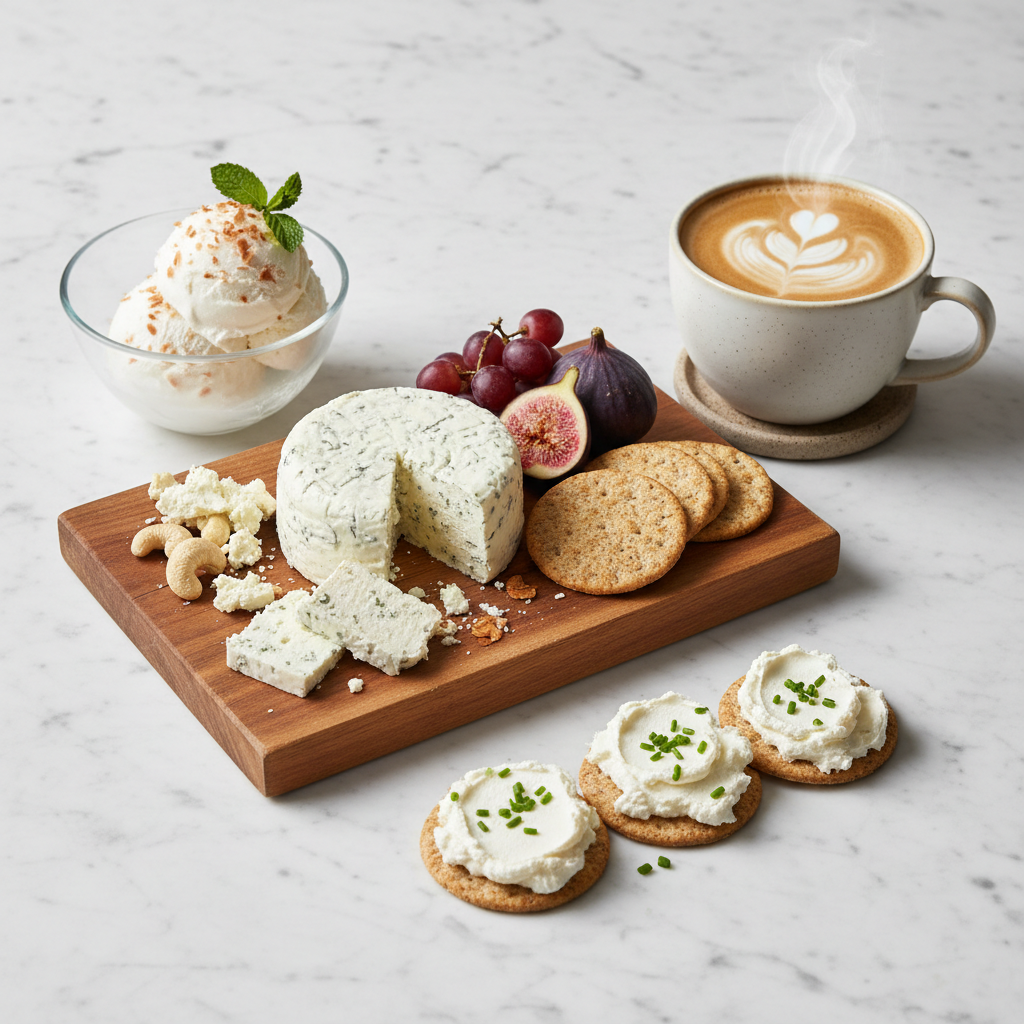
Compare Vegan Cheese Options

Each option rated Low, Medium, or High against practical cheese criteria \u2014 no fabricated nutrition numbers, just honest comparisons to help you decide.

Commercial Vegan Mozzarella

Melting
High
Stretch
High
Creaminess
Medium
Savory flavor
Medium
Grate/sprinkle
Low
Spread
Low
Browning
Medium
Protein
Medium
Cost
Low
Ease of prep
High
Beginner friendly
High

Commercial Vegan Cheddar/Slices

Melting
Medium
Stretch
Low
Creaminess
Medium
Savory flavor
Medium
Grate/sprinkle
Low
Spread
Low
Browning
Medium
Protein
Medium
Cost
Low
Ease of prep
High
Beginner friendly
High

Tofu Ricotta

Melting
Low
Stretch
Low
Creaminess
High
Savory flavor
Medium
Grate/sprinkle
Low
Spread
Medium
Browning
Low
Protein
High
Cost
High
Ease of prep
High
Beginner friendly
High

Cashew Cheese

Melting
Medium
Stretch
Low
Creaminess
High
Savory flavor
High
Grate/sprinkle
Medium
Spread
High
Browning
Low
Protein
Medium
Cost
Medium
Ease of prep
Medium
Beginner friendly
Medium

Nutritional Yeast

Melting
Low
Stretch
Low
Creaminess
Low
Savory flavor
High
Grate/sprinkle
High
Spread
Low
Browning
Low
Protein
Medium
Cost
High
Ease of prep
High
Beginner friendly
High

Vegan Parmesan

Melting
Low
Stretch
Low
Creaminess
Low
Savory flavor
High
Grate/sprinkle
High
Spread
Low
Browning
Low
Protein
Medium
Cost
Medium
Ease of prep
High
Beginner friendly
High

Cashew Cheese Sauce

Melting
High
Stretch
Low
Creaminess
High
Savory flavor
High
Grate/sprinkle
Low
Spread
Medium
Browning
Low
Protein
Medium
Cost
Medium
Ease of prep
Medium
Beginner friendly
Medium

Potato/Carrot Cheese Sauce

Melting
High
Stretch
Low
Creaminess
High
Savory flavor
Medium
Grate/sprinkle
Low
Spread
Medium
Browning
Medium
Protein
Low
Cost
High
Ease of prep
Medium
Beginner friendly
Medium

Tofu-Based Sauces & Spreads

Melting
Medium
Stretch
Low
Creaminess
High
Savory flavor
Medium
Grate/sprinkle
Low
Spread
High
Browning
Low
Protein
High
Cost
High
Ease of prep
Medium
Beginner friendly
High

Store-Bought Vegan Cream Cheese

Melting
Low
Stretch
Low
Creaminess
High
Savory flavor
Medium
Grate/sprinkle
Low
Spread
High
Browning
Low
Protein
Low
Cost
Low
Ease of prep
High
Beginner friendly
High

How to Build Cheese-Style Flavor

Cheese contributes several things to a dish — saltiness, umami, tang, richness, creaminess, fermented flavor, sharpness, fat, and texture. Vegan cheese replacements work best when you build the ones the dish actually needs, rather than chasing one “cheese flavor.”

Flavor-Building Ingredients

  • Nutritional yeast: Savory, cheesy character — the backbone of vegan cheese flavor. It does not melt or stretch by itself.
  • Miso: Fermented umami that adds the depth of aged cheese; a little goes a long way.
  • Lemon juice: Bright tang that mimics the acidity of fresh cheeses like ricotta and cream cheese.
  • Apple cider vinegar: Another tang source; a splash lifts flat cheese sauces.
  • Mustard: Adds sharpness and helps emulsify cheese sauces so they stay smooth.
  • Cashews: Blended soaked cashews give richness and creaminess to sauces, spreads, and soft cheeses.
  • Tofu: Blended tofu adds body and protein to ricotta-style fillings and spreads.
  • White beans: Blended white beans add creaminess and protein to sauces where appropriate.
  • Garlic: Roasted or powdered garlic deepens savory cheese sauces.
  • Onion powder: Savory base note in cheese sauces and parmesan blends.
  • Salt: Cheese is salty; under-salted vegan cheese reads flat. Season, taste, adjust.
  • Vegan lactic-acid-style ingredients: A few drops add the tang of cultured dairy; use where appropriate and check labels.
  • Tapioca starch: The key to stretch — it gives homemade mozzarella and queso that pull.
  • Cornstarch / other starches: Thickens cheese sauces so they cling instead of running.
  • Potatoes: Blended potato is the creamy, neutral base of many allergy-friendly cheese sauces.
  • Carrots: Add color and a little sweetness to potato-carrot cheese sauces.
  • Plant milk: The liquid for cheese sauces; unsweetened and unflavored works best.

Techniques That Matter

  • Salt: Cheese is salty; under-salted vegan versions read flat. Season, taste, adjust.
  • Umami: Layer nutritional yeast, miso, and a little soy for the savory depth cheese provides.
  • Tang: Lemon or vinegar adds the acidity of dairy cheese; don’t skip it in ricotta, cream cheese, and queso.
  • Richness: Cashews, a little oil, or vegan butter carry the fat and mouthfeel cheese brings.
  • Creaminess: Blended nuts, tofu, or potato give the smooth body of melted cheese.
  • Stretch: Tapioca starch creates the pull in homemade mozzarella and queso; add it to hot liquid and stir.
  • Browning: A little sugar and a hot broiler help vegan cheese brown; not all brands brown on their own.

For the cheesy pantry basics, see our Vegan Cheese Brands and Nutritional Yeast Uses guides.

Choose by What You Need the Cheese to Do

For cheese, function matters more than cooking method. Pick the job the cheese needs to do, then reach for the approach that does it best.

Melt

Best for: pizza, burgers, sandwiches, casseroles

Reach for commercial vegan mozzarella or cheddar slices, or a cashew/starch sauce. Heat gently — vegan cheese likes lower heat than dairy.

Stretch

Best for: pizza and mozzarella-style applications

Tapioca-starch homemade mozzarella or a stretchy commercial mozzarella gives the pull; most other vegan cheeses don’t stretch much.

Make a creamy sauce

Best for: mac & cheese, Alfredo-style dishes, queso

Blend cashews, or potato and carrot, with starch and seasonings into a smooth, pourable sauce.

Grate / Sprinkle

Best for: pasta, pizza, soups, salads

Nutritional-yeast parmesan or commercial vegan parmesan gives a dry, salty, savory sprinkle that doesn’t need to melt.

Spread

Best for: bagels, crackers, sandwiches

Store-bought vegan cream cheese, or a cashew/tofu spread, gives the creamy, tangy spread you want.

Fill

Best for: lasagna, stuffed shells, ravioli

Tofu ricotta or cashew ricotta gives a soft, creamy, slightly granular filling that bakes beautifully.

Brown / Bake

Best for: casseroles, pizza, baked pasta

Use a cheese that browns (some commercial shreds do) or a sauce with a little sugar under the broiler; cashew sauces brown lightly.

Eat cold

Best for: sandwiches, cheese boards, salads

Commercial vegan cheese slices and firm cashew cheese are meant to be eaten cold; sauces and ricotta are not.

For a cashew cheese sauce in action, try our Creamy Cashew Vodka Pasta; for baked cheese dishes with less oil, see our Best Vegan Air Fryers guide.

Related Vegan Foodies Recipes & Guides

New to Vegan Cheese? Start Here.

You don't need all ten options. Pick one based on the job you need done and start there.

Commercial Vegan Cheese

Best when convenience and familiar use are priorities. Brands differ substantially in flavor and melting — try a few to find one you like.

Tofu Ricotta

An inexpensive and approachable homemade replacement for lasagna, stuffed shells, and similar dishes.

Homemade Vegan Cheese Sauce

An approachable way to veganize mac & cheese, nachos, queso, and other creamy cheese dishes.

Common Mistakes When Replacing Cheese

Most vegan cheese misses come down to a few fixable habits. Here's what goes wrong and what to do instead.

1.Expecting one vegan cheese to work for every dish

Fix: Match the cheese to the job — mozzarella to melt, nooch parmesan to sprinkle, tofu ricotta to fill, cashew sauce for creamy.

2.Expecting every commercial vegan cheese to melt like dairy

Fix: Brands vary; some melt and stretch, others stay grainy. Read reviews and test a small amount first.

3.Using nutritional yeast as a direct mozzarella replacement

Fix: Nooch gives flavor, not melt or stretch; pair it with a starch-based base for anything that needs to melt.

4.Using too much nutritional yeast

Fix: Start with 2–3 tablespoons and taste; too much reads as bitter and overpowering.

5.Ignoring acidity/tang

Fix: Add lemon or vinegar to ricotta, cream cheese, and queso; without tang they taste flat and “wrong.”

6.Not considering what the cheese needs to do

Fix: Ask: melt, stretch, sauce, sprinkle, spread, or fill? Then pick the replacement built for that job.

7.Using tofu ricotta when melting/stretch is required

Fix: Tofu ricotta fills and bakes creamy; it won’t melt or pull. Use mozzarella where stretch matters.

8.Expecting homemade cashew cheese to behave like sliced cheese

Fix: Cashew cheese is great for spreads, sauces, and soft cheeses; it won’t slice and peel like a cheddar block.

9.Overheating some vegan cheeses or sauces

Fix: Heat gently; high heat can make vegan cheese seize, split, or turn gummy.

10.Making cheese sauces too thick before they finish cooking

Fix: They thicken as they cool; stop when it looks slightly thin, then let it rest.

11.Ignoring salt and umami

Fix: Vegan cheese needs salt and savory depth; taste and add miso, nooch, or salt before serving.

12.Choosing only by flavor instead of texture and cooking behavior

Fix: A great-tasting cheese that won’t melt ruins a pizza; pick by how it performs in the dish, not just how it tastes cold.

Frequently Asked Questions

What is the best vegan substitute for cheese?

It depends on the job: vegan mozzarella to melt, nooch parmesan to sprinkle, tofu ricotta to fill, and cashew sauce for creamy dishes.

What vegan cheese melts best?

Commercial vegan mozzarella and cheddar shreds formulated for melting melt best; homemade tapioca-starch mozzarella melts and stretches too.

What should I use for vegan pizza?

Vegan mozzarella — commercial shreds or a homemade tapioca-cashew mozzarella; bake hot and broil the last minute.

What is the best vegan mozzarella substitute?

Commercial vegan mozzarella for convenience, or a homemade tapioca-starch cashew mozzarella for real stretch.

What works best for chicken parm?

Vegan mozzarella to melt over the cutlet, finished with a vegan parmesan sprinkle.

What works best on a cheeseburger?

Vegan cheddar-style slices; cover the patty for the last minute to trap heat and melt.

What should I use for mac & cheese?

A homemade vegan cheese sauce — cashew or potato-carrot with nooch, mustard, and starch — beats slices here.

What is the best vegan substitute for ricotta?

Tofu ricotta — crumbled firm tofu blended with lemon, nooch, and garlic; cashew ricotta is richer.

What can replace parmesan?

Nutritional-yeast-based vegan parmesan (nooch, cashews or almonds, salt) or commercial vegan parmesan — it’s a sprinkle, not a melt.

Can nutritional yeast replace cheese?

It gives cheesy flavor but doesn’t melt or stretch; use it for sprinkling and sauces, paired with a base for melting.

What is tofu ricotta?

Crumbled firm tofu blended with lemon, nutritional yeast, garlic, and salt into a soft, slightly granular filling for lasagna and shells.

What is cashew cheese?

Soaked cashews blended into a creamy base for sauces, spreads, and soft cheeses; rich and smooth, but it doesn’t slice or stretch.

How do you make vegan cheese taste cheesy?

Combine nooch for savory, miso for umami, lemon or vinegar for tang, salt, and a little fat — cheese flavor is a combination.

What makes vegan cheese stretchy?

Tapioca starch; blended into a hot base, it creates the pull in homemade mozzarella and queso.

What can I use instead of cream cheese?

Store-bought vegan cream cheese, or a cashew- or tofu-based spread with lemon and salt.

What is easiest for beginners?

Store-bought vegan cheese slices for melting, and tofu ricotta or a cashew sauce for homemade — all forgiving and quick.

What Do You Want to Veganize Next?

Once you\u2019ve got beef sorted, pick the next food you want to make vegan.