How to Eat Vegan Without Missing Meat or Dairy
The secret to vegan eating is not willpower — it's having plant-based alternatives that satisfy the same cravings. Here's how to transition without feeling deprived.
How to Eat Vegan Without Missing Meat or Dairy
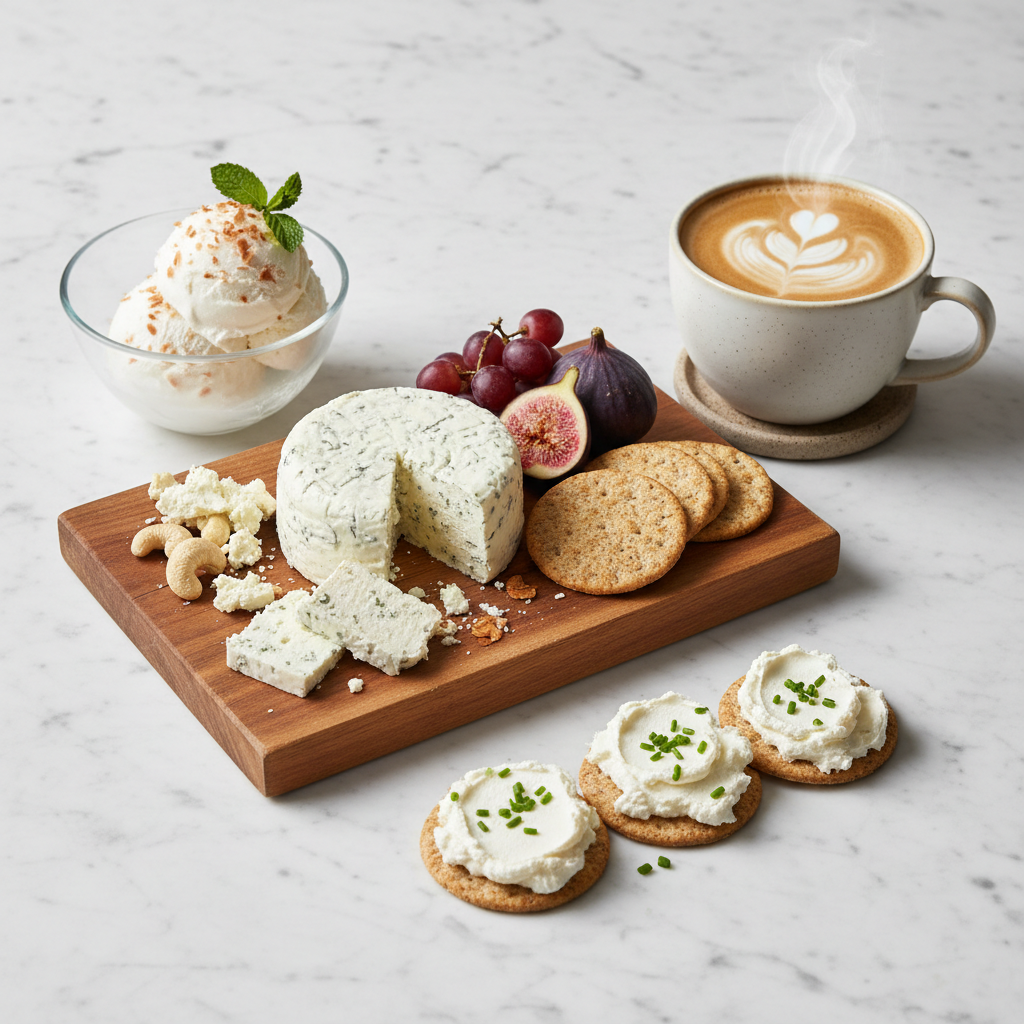
Transitioning to a plant-based diet doesn't mean sacrificing the flavors you love; with the right ingredients and creative swaps, you can enjoy satisfying, hearty meals without any animal products.
Table of Contents
- Understanding Your Transition
- Mastering the Art of Flavor
- Essential Plant-Based Swaps
- Building a Nutritious Foundation
- The Science of Satiety: Why Fiber Matters
- Common Mistakes to Avoid
- Pro Tips for the Modern Vegan Kitchen
- Tips for Success
- Storage, Prep, and Leftover Strategies
- Comparison: Dairy vs. Vegan Alternatives
- Frequently Asked Questions
- Related Articles
- Newsletter
- Conclusion
Understanding Your Transition
Moving away from meat and dairy is a journey, not a race. Many people fear that going vegan will result in bland meals or a constant sense of missing out on their favorite comfort foods. However, the modern plant-based landscape is more robust than ever, offering endless opportunities for culinary innovation.
By focusing on whole foods like legumes, grains, nuts, and seeds, you can create balanced meals that feel indulgent and satisfying. The key is to start by identifying which non-vegan ingredients you use most often and finding high-quality replacements that align with your taste profile and nutritional needs. Transitioning often involves unlearning old cooking habits; for instance, instead of reaching for butter to finish a sauce, consider a high-quality cold-pressed olive oil or a splash of tahini for creaminess. Embrace the shift by focusing on variety; rotate your proteins, grains, and vegetables weekly to ensure you are exploring the vast palette of flavors that the plant kingdom offers.
Mastering the Art of Flavor
One of the biggest hurdles for new vegans is learning how to build umami-rich flavors without using animal-based fats. Umami, often described as a savory "meaty" taste, is easily achieved through plant-based ingredients like soy sauce, tamari, miso paste, mushrooms, and tomatoes.
Experimenting with spices and herbs is also essential. Smoked paprika, cumin, nutritional yeast, and fresh aromatics like garlic and ginger can transform simple vegetables into complex, flavorful dishes. When you prioritize bold flavors, you naturally lose the desire for heavy dairy or meat-based toppings. Consider techniques like roasting, which caramelizes natural sugars in vegetables like carrots and onions, providing a depth of flavor that mimics slow-cooked meat dishes. For maximum depth, try dry-roasting your spices before adding them to a dish to release volatile essential oils that elevate the entire profile.
Essential Plant-Based Swaps
Swapping out animal ingredients is much easier than it sounds. For dairy milk, consider using oat, almond, or soy milk, which provide creamy textures suitable for coffee and baking. For butter, high-quality plant-based sticks work perfectly in both cooking and desserts.
When replacing meat, look toward high-protein staples such as lentils, chickpeas, tempeh, and extra-firm tofu. These ingredients absorb flavors beautifully and can be textured to mimic everything from ground beef in tacos to crispy chicken in stir-fries. Explore Easy Plant Based Swaps Everyday Meals to see how small changes add up. For example, replacing ground beef with a mixture of finely chopped walnuts and brown lentils provides a texture that is nearly indistinguishable from animal-based mince in shepherd's pie. To perfect this, sauté your walnuts and lentils with a dash of soy sauce and tomato paste to ensure a rich, browned base.
Building a Nutritious Foundation
Eating vegan is not just about what you remove, but what you add. Focus on filling your plate with color: leafy greens, bright bell peppers, hearty sweet potatoes, and diverse beans. These foods provide the fiber, vitamins, and minerals your body needs to thrive.
It is also important to pay attention to your intake of iron, B12, and omega-3 fatty acids. Incorporating foods like chia seeds, hemp hearts, walnuts, and fortified cereals ensures you maintain energy levels. Check out the Vegan B12 Guide for more detailed health considerations. Aiming for a diverse "rainbow" of vegetables ensures a broad spectrum of phytonutrients, which act as powerful antioxidants for your long-term health. Think of your plate as a canvas: include at least three different colors of vegetables at every dinner to guarantee a varied intake of micronutrients, such as beta-carotene from carrots, chlorophyll from greens, and anthocyanins from red cabbage.
The Science of Satiety: Why Fiber Matters
One advantage of a plant-based diet is the naturally high fiber content. Unlike animal proteins which contain zero fiber, plants are packed with it, which aids in digestion and keeps you full for longer. If you feel hungry shortly after switching to veganism, you may be eating too few calories or not enough fiber. Focus on whole grains like quinoa, farro, and wild rice, which provide sustained energy release throughout the day compared to simple carbohydrates. Fiber slows down glucose absorption, preventing the spikes and crashes associated with refined foods, ensuring that your satiety levels remain stable across your waking hours.
Common Mistakes to Avoid
A common error is relying too heavily on processed vegan "convenience" foods. While these are great in a pinch, they shouldn't replace nutrient-dense whole foods. Aim for an 80/20 balance, where the majority of your diet comes from fresh ingredients you prepare at home.
Another mistake is under-seasoning. Plant-based foods often require more seasoning than meat, as they don't have the inherent fat content that carries flavor. Don't be afraid to use salt, acidity like lemon juice, and plenty of herbs to brighten your dishes. Furthermore, forgetting to soak nuts or legumes can lead to texture issues. For instance, soaking cashews for at least four hours (or boiling for 15 minutes) is non-negotiable if you want a silky, smooth sauce without grainy bits. Avoid the trap of overcooking vegetables; steam or sauté them until just fork-tender to retain their vibrant color and essential nutrient profile.
Pro Tips for the Modern Vegan Kitchen
- Master the Aquafaba: The liquid from a can of chickpeas is a miracle ingredient. It can be whipped into a foam to create vegan meringues or used as a binder in cakes and cookies.
- Leverage Nutritional Yeast: Often called "nooch," this ingredient provides a distinct, nutty, cheese-like flavor. Sprinkle it over popcorn, stir it into pasta sauces, or use it to crust tofu.
- Acid is Your Best Friend: If a dish tastes flat but you have already added enough salt, it is missing acid. A squeeze of fresh lemon, lime, or a splash of apple cider vinegar can instantly "wake up" the flavors of roasted vegetables or lentil stews.
- Texture is Key: Incorporate crispy, crunchy elements like toasted seeds or pan-seared chickpeas to provide sensory contrast, which is often missing in softer, plant-based stews.
Tips for Success
Consistency is built in the kitchen. Learning How To Meal Prep Vegan can ensure you always have a healthy option available, reducing the temptation to reach for non-vegan comfort foods. Keep your pantry stocked with staples so you can whip up meals quickly.
Also, remember that you don't have to be perfect from day one. If you slip up, just get back on track with your next meal. Focus on progression, not perfection, to ensure long-term adherence. Investing in a few quality tools, like a high-speed blender for sauces or a cast-iron skillet for searing tofu, can make the process significantly more enjoyable. When starting, try selecting two new vegan recipes to master each week rather than overhauling your entire kitchen at once.
Storage, Prep, and Leftover Strategies
To maximize your efficiency, dedicate Sunday afternoons to "component prep." This means cooking a large batch of grains (like brown rice or quinoa), roasting a few sheet pans of seasonal vegetables, and prepping a protein (like a block of cubed, baked tofu). By storing these in airtight containers, you can assemble "bowl meals" in less than five minutes during the busy work week. Proper storage ensures freshness and prevents spoilage.
- Leftover Tofu: Keep in an airtight container for up to 3 days. Reheat in an air fryer to maintain crispiness.
- Grain Storage: Cooked grains freeze remarkably well. Freeze in portion-sized bags to save time.
- Sauce Life: Most cashew-based creams or herb-based pestos last for 4-5 days in the refrigerator.
- Vegetable Freshness: Keep leafy greens in a container with a dry paper towel to absorb excess moisture and prevent wilting. Store hardy vegetables like carrots and celery in water to keep them crisp for up to a week.
Comparison: Dairy vs. Vegan Alternatives
| Ingredient | Traditional Choice | Vegan Alternative | Best Use |
|---|---|---|---|
| Milk | Cow's Milk | Oat or Soy Milk | Coffee, Baking, Cereal |
| Cheese | Cheddar | Cashew-based Cheese | Melting, Pizzas, Sauces |
| Butter | Dairy Butter | Plant Butter Stick | Baking, Sautéing |
| Cream | Heavy Cream | Full-fat Coconut Milk | Soups, Curries, Pastas |
| Yogurt | Greek Yogurt | Almond or Soy Yogurt | Smoothies, Parfaits |
| Honey | Honey | Agave or Maple Syrup | Sweeteners, Glazes |
Frequently Asked Questions
Q1: How do I make sure I get enough protein on a vegan diet? A1: You can easily meet protein needs through lentils, beans, chickpeas, tofu, tempeh, seitan, quinoa, and hemp seeds. Most adults find they meet their requirements just by eating enough calories from a diverse plant-based source.
Q2: What is the best way to start a vegan diet? A2: Start slowly by swapping one meal at a time or exploring our 7 Day Beginner Vegan Challenge. Focusing on "crowding out"—adding in healthy plants rather than just taking away—makes the transition feel less restrictive.
Q3: Do vegan substitutes actually taste like meat? A3: Many modern substitutes are remarkably close in texture and flavor, especially when seasoned and cooked properly. However, whole-food options like jackfruit (for pulled "pork") or mushrooms (for savory depth) are often more satisfying in the long term than highly processed alternatives.
Q4: Is it expensive to eat vegan? A4: Eating a whole-foods plant-based diet is often more affordable than a meat-heavy diet, especially when you prioritize Affordable Vegan Pantry Staples. Buying dried beans in bulk and purchasing seasonal produce can slash your grocery bill significantly.
Q5: Can I eat out as a vegan? A5: Absolutely. Most modern restaurants offer at least one vegan option. Asian, Mediterranean, and Mexican cuisines are usually the easiest to navigate, offering naturally plant-forward dishes like vegetable curries, falafel wraps, or bean burritos.
Q6: What if I have social anxiety about dining out as a vegan? A6: Always check the menu online beforehand. If in doubt, call the restaurant ahead of time to ask if they can modify a dish. Most chefs are happy to accommodate if given a little notice.
Q7: How can I ensure my iron levels remain healthy? A7: Incorporate iron-rich plant foods like lentils, spinach, pumpkin seeds, and fortified cereals. To boost absorption, always pair these foods with a vitamin C source, such as bell peppers, citrus juice, or tomatoes.
Q8: Are all vegan diets healthy? A8: Not necessarily. A "junk food vegan" diet relies heavily on processed items and added sugars. Focusing on whole, unprocessed plants ensures the best health outcomes, including better heart health and stable blood sugar management.
Related Articles
- 7 Day Beginner Vegan Challenge
- Affordable Vegan Pantry Staples
- Easy Plant Based Swaps Everyday Meals
- How To Meal Prep Vegan
- Vegan B12 Guide
Newsletter
Stay inspired with the latest plant-based recipes, tips, and kitchen hacks delivered straight to your inbox. Join our community of foodies today to elevate your cooking and simplify your transition to a healthier, more vibrant lifestyle.
Conclusion
Transitioning to a vegan lifestyle is a rewarding adventure that opens up a world of fresh flavors and healthier habits. By focusing on whole, nutrient-dense foods and experimenting with creative swaps, you will find that you don't miss meat or dairy at all. Keep learning, keep experimenting, and enjoy the delicious benefits of your new culinary journey. Whether you are doing it for your health, the planet, or the animals, every plant-based meal counts as a step toward a better future. Stay curious, stay nourished, and happy cooking! By maintaining a growth mindset, you will find that the plant-based path is not about limitation, but about an expansive new world of culinary potential just waiting to be explored. Your kitchen is the heart of your health journey—embrace it with creativity and confidence.
Enjoying this guide?
Browse our favorite recommended vegan products and kitchen essentials.
View Recommended Products →You Might Also Like
Vegan Dessert Ideas
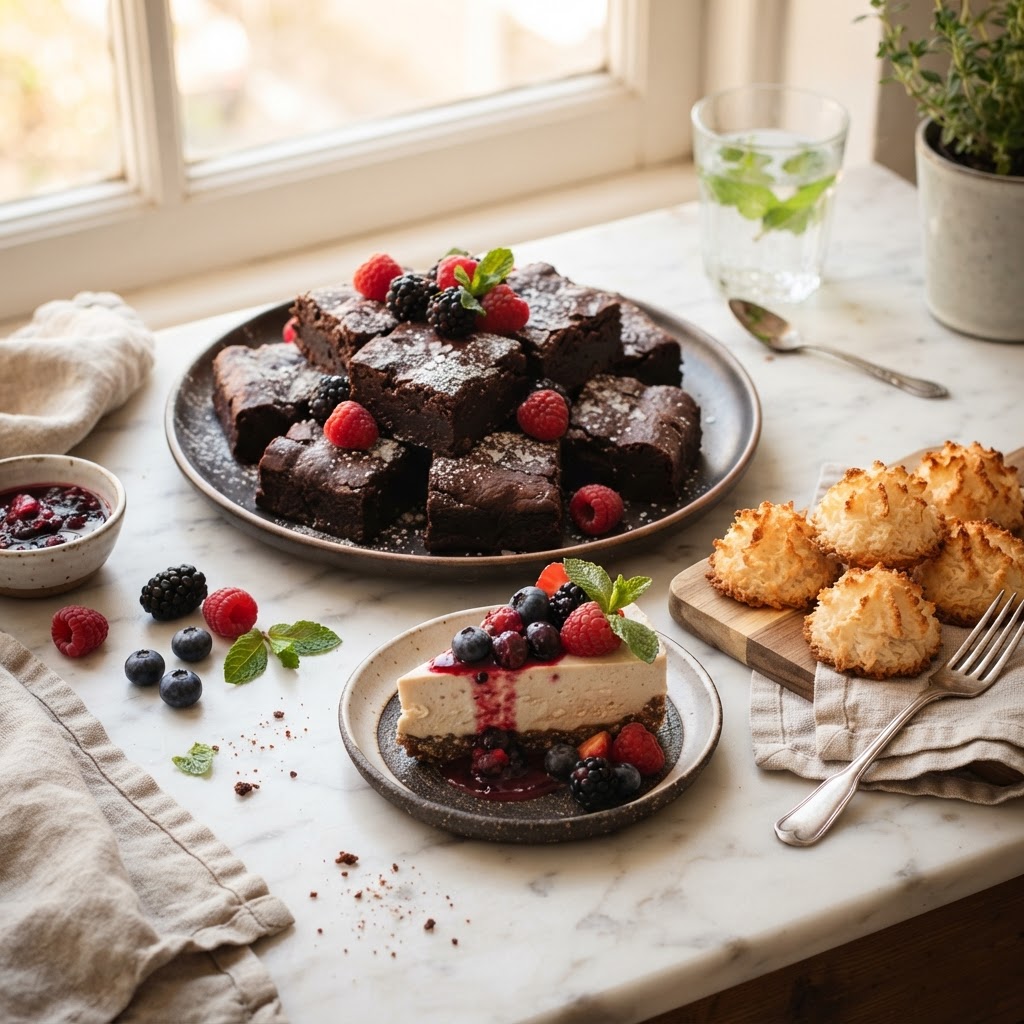
Discover delicious vegan dessert ideas that satisfy every craving. From rich brownies to refreshing treats, learn how to bake plant-based without compromise.
Vegan Meal Planning
Master vegan meal planning with our comprehensive guide. Learn how to organize your pantry, prep nutritious meals, and save time and money on a plant-based diet.
Vegan Cooking Tools
Upgrade your kitchen with essential vegan cooking tools. Discover the best gadgets to simplify plant-based prep, from high-speed blenders to air fryers.
Simple Vegan Cooking
Master simple vegan cooking with our comprehensive guide. Learn essential pantry staples, easy meal prep tips, and delicious recipes for a healthy lifestyle.
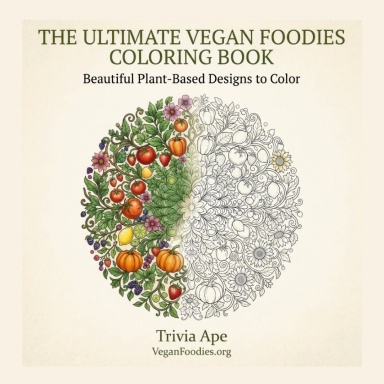
The Ultimate Vegan Foodies Coloring Book
Beautiful Plant-Based Designs to Color
Relax and unwind with beautifully detailed illustrations inspired by fruits, vegetables, herbs, flowers, and wholesome plant-based living. Perfect for stress relief, mindfulness, and creative fun.
by Trivia Ape