Affordable Vegan Pantry Staples
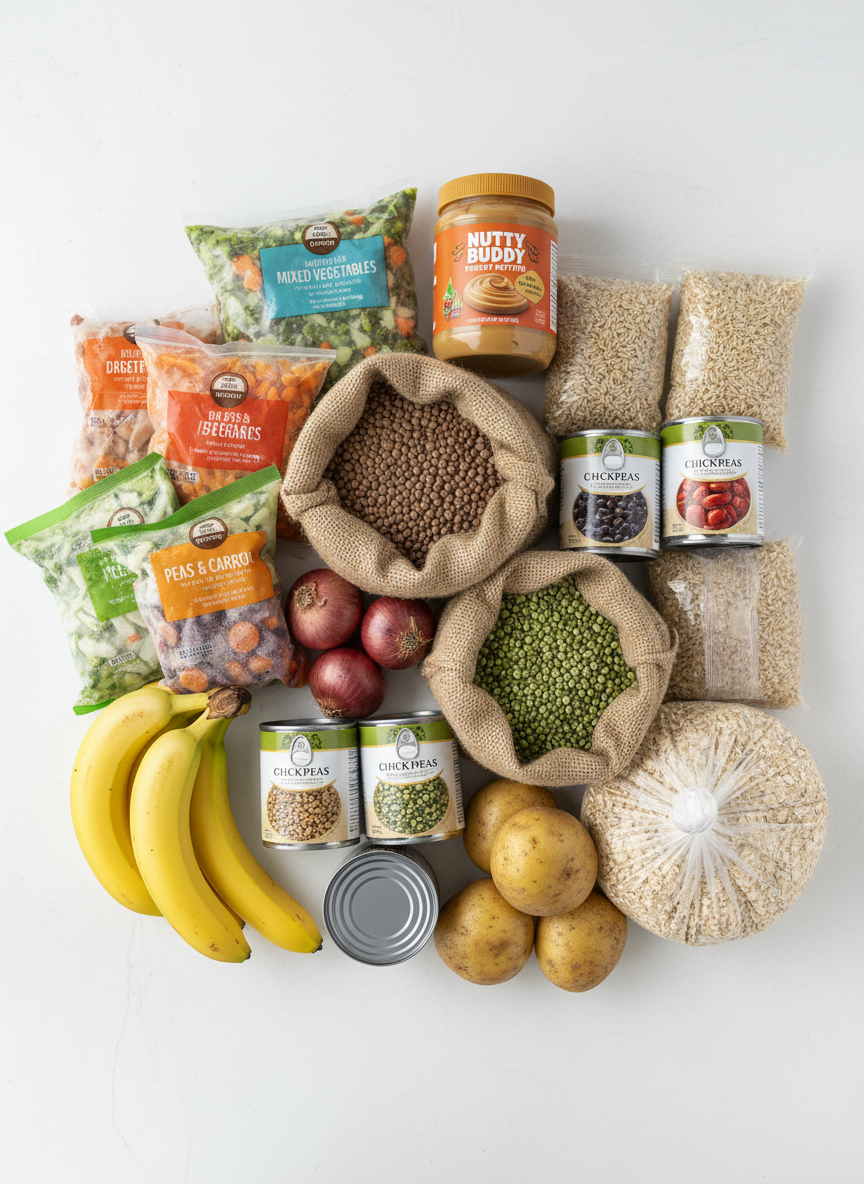
Build a fully stocked vegan pantry for under $50. These staples form the backbone of every great vegan meal.
Affordable Vegan Pantry Staples
Building a plant-based kitchen doesn't have to break the bank; by focusing on versatile, bulk-friendly staples, you can create delicious and nutritious vegan meals on any budget.
Table of Contents
- The Philosophy of Budget Vegan Eating
- Essential Dry Goods and Grains
- Protein-Packed Legumes and Pulses
- Healthy Fats and Flavor Enhancers
- Storage and Preservation Techniques
- Smart Shopping Strategies
- Common Mistakes to Avoid
- Comparison: Bulk vs Pre-packaged
- Frequently Asked Questions
- Related Articles
- Newsletter
- Key Takeaways
- Conclusion
The Philosophy of Budget Vegan Eating
Adopting a vegan lifestyle is often associated with expensive specialty products, but the reality is that the foundation of a plant-based diet—grains, beans, and seasonal vegetables—is among the most affordable food in the grocery store. When you focus on whole foods rather than processed vegan alternatives, your grocery bill will naturally decrease. The key is to view your pantry as the heartbeat of your kitchen.
By stocking up on versatile, long-lasting ingredients, you ensure that you always have the components for a satisfying meal on hand. This proactive approach reduces the temptation to rely on expensive convenience foods or takeout, which are often the primary drivers of inflated food budgets. Creating a "Gold Standard" pantry means prioritizing nutrient density alongside affordability.
Beyond just saving money, this approach fosters creativity. When you learn how to manipulate base ingredients like lentils or rice with various spices and cooking techniques, you stop viewing plant-based eating as a set of restrictions and start seeing it as a palette for culinary exploration. Budget vegan eating is not about deprivation; it is about intentionality and resourcefulness.
Essential Dry Goods and Grains
Dry goods are the backbone of a budget-friendly vegan diet. Buying in bulk is the smartest way to save, as items like rice, oats, and quinoa have an incredibly long shelf life and cost pennies per serving when purchased in larger quantities.
Focus on staples like brown rice, which provides complex carbohydrates, and rolled oats, which serve as the perfect base for breakfast or as a thickener in soups. Lentils, especially red and green varieties, cook quickly and absorb the flavors of your spices perfectly. Always store these in airtight containers to maintain freshness and prevent pests.
Expanding Your Grain Selection
- Barley: An excellent, chewy grain that holds up well in soups. It is significantly cheaper than quinoa and packs a punch of fiber.
- Polenta (Cornmeal): Perfect for breakfast porridge or fried as a savory side dish. It is incredibly cheap when bought in bulk bags.
- Whole Wheat Pasta: While refined pasta is cheap, whole wheat options provide more nutrition and keep you fuller for longer. Buying by the case is a great way to lower the price per unit.
Pro Tip: When cooking grains, use vegetable bouillon instead of plain water. This simple swap infuses the grains with flavor during the cooking process, reducing the need for heavy sauces later. Additionally, keep a log of grain-to-water ratios in your phone to prevent overcooking delicate grains like quinoa, ensuring perfect texture every single time you cook.
Protein-Packed Legumes and Pulses
Beans, chickpeas, and lentils are the ultimate budget superfoods. They offer an incredible amount of protein and fiber for a fraction of the price of animal-based protein. While canned beans are convenient, dried beans are significantly more cost-effective if you have the time to soak and cook them.
The Art of Preparing Dried Beans
To maximize your budget, purchasing dried beans is essential. A one-pound bag of dried beans typically yields the equivalent of three to four cans of beans for about a third of the price.
- Soaking: Rinse beans thoroughly and soak them in cold water for 8–12 hours. This improves digestion and ensures even cooking.
- Boiling: Bring them to a boil, then reduce to a simmer. Add a strip of kombu (seaweed) to the pot to further improve digestibility.
- Batch Cooking: Cook a massive batch, let them cool, and freeze them in 2-cup portions. This gives you "instant" beans for busy weeknights.
Common Mistake: Avoid adding salt or acidic ingredients (like tomatoes or lemon juice) at the very beginning of the boiling process. Acids can toughen the bean skins, leading to a longer, uneven cook time. Add salt only once the beans are tender.
Healthy Fats and Flavor Enhancers
Flavor is what makes healthy eating sustainable. You don't need expensive pre-made sauces; instead, invest in a few high-quality pantry staples that provide depth. Nutritional yeast is a vegan "holy grail" for cheesy, nutty flavor, while tahini and soy sauce are essential for savory dressings and stir-fries.
Building a Low-Cost Spice Library
Don't underestimate the power of spices. While the initial investment in a range of dried herbs and spices might seem high, they last for months and transform bland ingredients into restaurant-quality dishes.
- Turmeric: Great for anti-inflammatory benefits and adding color to tofu scrambles.
- Smoked Paprika: Adds a meaty, "bacon-like" depth to roasted vegetables or bean chili.
- Cumin: The foundation for most Mexican and Indian-inspired dishes.
- Garlic and Onion Powder: These staples provide an instant savory boost that saves time compared to chopping fresh produce every time.
Pro Tip: Look for ethnic grocery stores (such as Middle Eastern, Indian, or Asian markets) for your spices. You will often find larger quantities for a fraction of the price found in standard supermarkets. Always store spices in a dark drawer to prevent flavor loss caused by UV exposure.
Storage and Preservation Techniques
Proper storage is the hidden key to budget success. If your food spoils before you eat it, you have effectively thrown money into the trash.
- Glass vs. Plastic: While glass jars are aesthetically pleasing, reused plastic containers or even clean freezer bags work fine for dry goods. Ensure they are airtight to keep moisture out.
- Labeling: Always mark the date of purchase on bulk bins or bags. Use the "First-In, First-Out" method (FIFO) to ensure older items are used first.
- Cool, Dark Storage: Light and heat degrade spices and oils. Keep your pantry in a cool cabinet away from the oven or direct sunlight.
Meal Prep Hack: If you find you have leftover cooked grains or beans, spread them out on a baking sheet and freeze them individually before transferring them to a container. This prevents them from freezing into a giant, unusable block.
Smart Shopping Strategies
Effective budgeting starts before you even step into the store. Meal planning around the items already in your pantry is the single most effective way to prevent food waste and unnecessary spending. Always check your inventory before making a shopping list to avoid double-purchasing items you already have.
The "Pantry Audit" Method
Once a month, clear your shelves and categorize everything. Write down what you have on a notepad on your fridge. If you notice you have three bags of red lentils but no rice, your next shopping trip is strictly for grains. This creates a closed-loop system that keeps your spending predictable.
Consider local farmers' markets for fresh produce at the end of the day when prices are often discounted. Similarly, embracing frozen vegetables and fruits is a massive money-saver. These are picked at peak ripeness, are just as nutritious as fresh, and ensure you always have produce available, regardless of the season.
Common Mistakes to Avoid
One of the biggest mistakes new vegans make is relying heavily on processed "meat alternatives." While these are great as occasional treats, they are priced at a premium. If you consume these daily, your budget will skyrocket. Stick to the basics first and treat specialized products as occasional additions.
Another trap is "retail therapy" at the grocery store. Buying exotic ingredients that you only use once leads to clutter and waste. Focus on mastering five to ten versatile ingredients first, then expand your pantry repertoire once you feel confident in your cooking ability.
Additional Pitfalls:
- Over-buying perishables: Do not buy 5 pounds of spinach just because it is on sale if you cannot consume it within 3-4 days.
- Ignoring unit prices: Always check the price per ounce or per gram on the shelf tag. Sometimes, a smaller package is actually cheaper than a bulk one, depending on current promotions.
Comparison: Bulk vs Pre-packaged
| Item | Bulk Cost (Avg) | Pre-packaged Cost | Saving Potential |
|---|---|---|---|
| Dried Lentils | Low | High | ~60% |
| Rolled Oats | Low | Medium | ~40% |
| Brown Rice | Low | High | ~50% |
| Chickpeas | Low | Medium | ~45% |
| Dried Beans | Very Low | High | ~70% |
| Quinoa | Medium | High | ~35% |
Frequently Asked Questions
Q1: How long do dry grains last? A1: When stored in airtight containers in a cool, dark place, most dry grains like rice and oats can last for a year or more. Q2: Are frozen vegetables less healthy? A2: No, frozen vegetables are often flash-frozen at peak ripeness, preserving most of their nutritional value. Q3: What is the best way to start a vegan pantry on a budget? A3: Start by buying basic dry staples in bulk and building your recipe rotation around those core ingredients. Q4: Do I need fancy appliances? A4: Not at all; a good knife, a large pot, and a sturdy pan are all you need to cook the vast majority of vegan meals. Q5: Can I freeze cooked grains if I make too much? A5: Yes, cooked rice, quinoa, and barley freeze perfectly. Let them cool completely before storing in a freezer-safe bag or container; they will last for up to 3 months. Q6: Is organic food necessary for a budget pantry? A6: Not necessarily. Focus on the "Dirty Dozen" list for produce if organic is a priority, but prioritize bulk staples regardless of organic status to keep costs manageable. Q7: How do I keep weevils out of my bulk flour and grains? A7: Store grains in airtight containers and place a bay leaf inside the container, as the scent naturally repels common pantry pests. Q8: What can I do if my beans are still tough after cooking? A8: If beans remain firm after long cooking times, they may be very old; add a pinch of baking soda to the water to soften the skins.
Related Articles
- How to Meal Prep for a Vegan Week
- Top 10 High-Protein Vegan Recipes
- Understanding Vegan Nutrition Basics
Newsletter
Stay updated with the latest plant-based tips, budget-friendly recipes, and nutrition guides delivered straight to your inbox. Join our community of foodies dedicated to sustainable and healthy living.
Key Takeaways
- Focus on whole foods and bulk staples to keep costs low.
- Properly store your dry goods to maximize their shelf life.
- Prioritize legumes as a primary protein source.
- Use spices and simple flavor enhancers instead of expensive pre-made sauces.
- Batch cook your beans and grains to save time and reduce waste.
Conclusion
Maintaining an affordable vegan pantry is not just about saving money; it is about empowerment. When you fill your shelves with versatile, nutrient-dense ingredients, you become the master of your own nutrition and your own budget. Start small, build your pantry intentionally, and enjoy the creative possibilities of plant-based cooking. By mastering the basics and avoiding the traps of convenience-focused shopping, you build a foundation that supports your health, your wallet, and your environment for years to come.
Explore our recipe archives for inspiration on how to turn these staples into your next favorite meal.
Enjoying this guide?
Browse our favorite recommended vegan products and kitchen essentials.
View Recommended Products →You Might Also Like
Buy Vegan Protein Powder
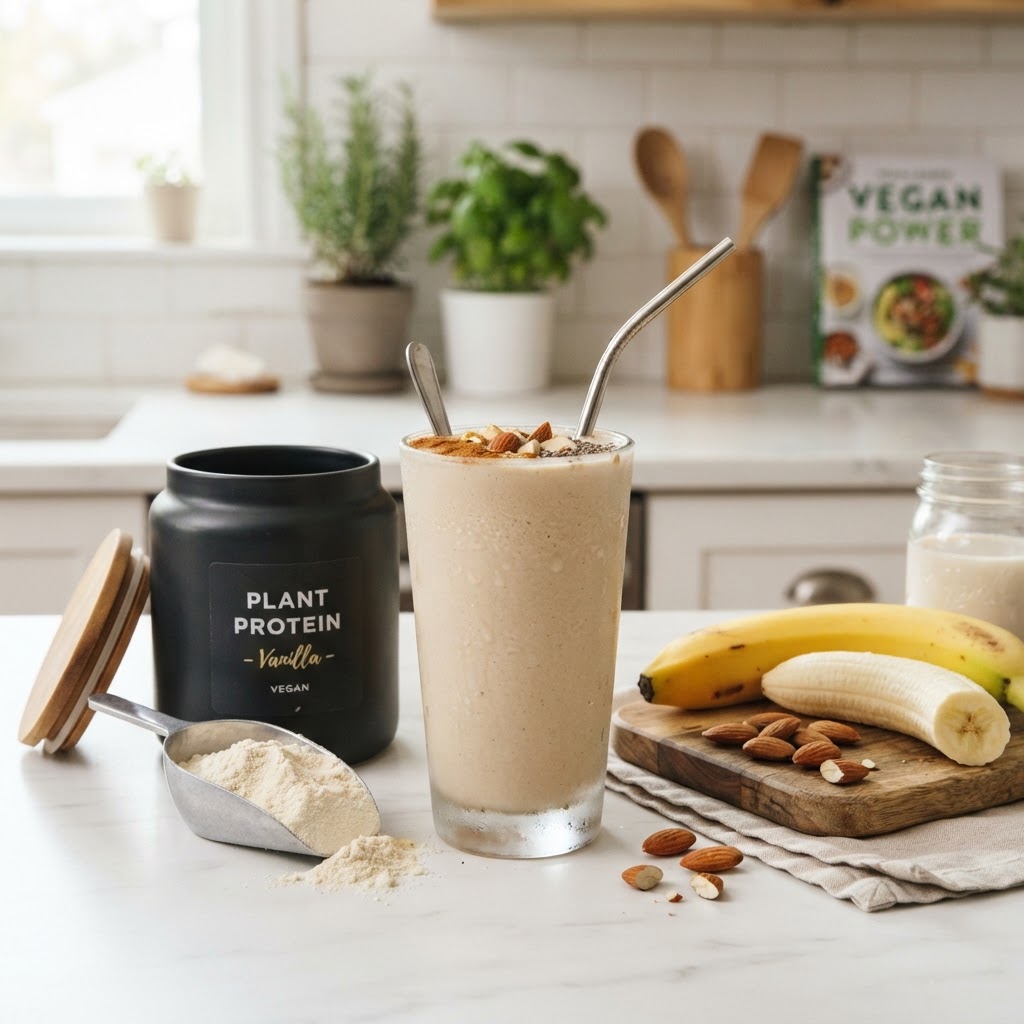
Looking to buy vegan protein powder? Discover our comprehensive guide on choosing the best plant-based supplements to meet your fitness and health goals.
Plant-based Milk Brands
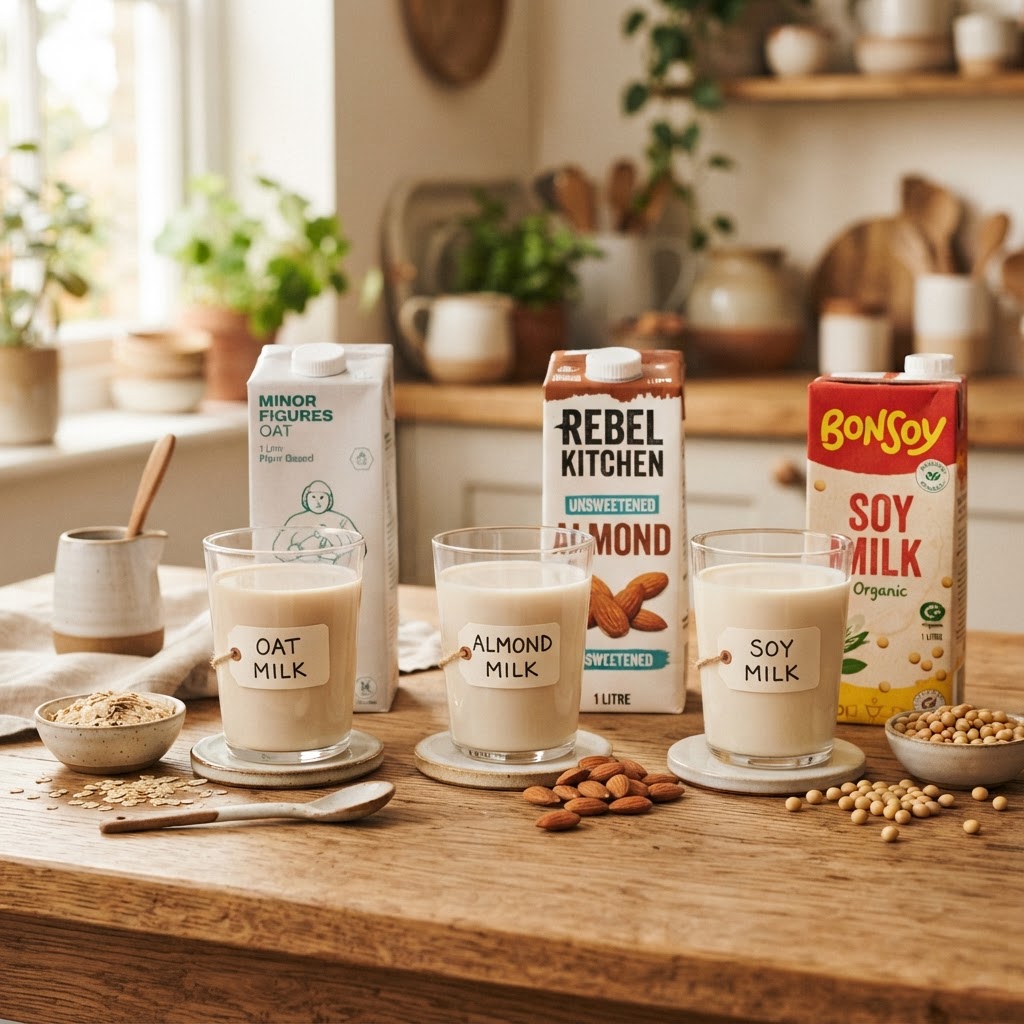
Explore the best plant-based milk brands in this comprehensive guide. From almond to oat, discover the perfect dairy alternative for your diet and lifestyle.
Easy Vegan Recipes
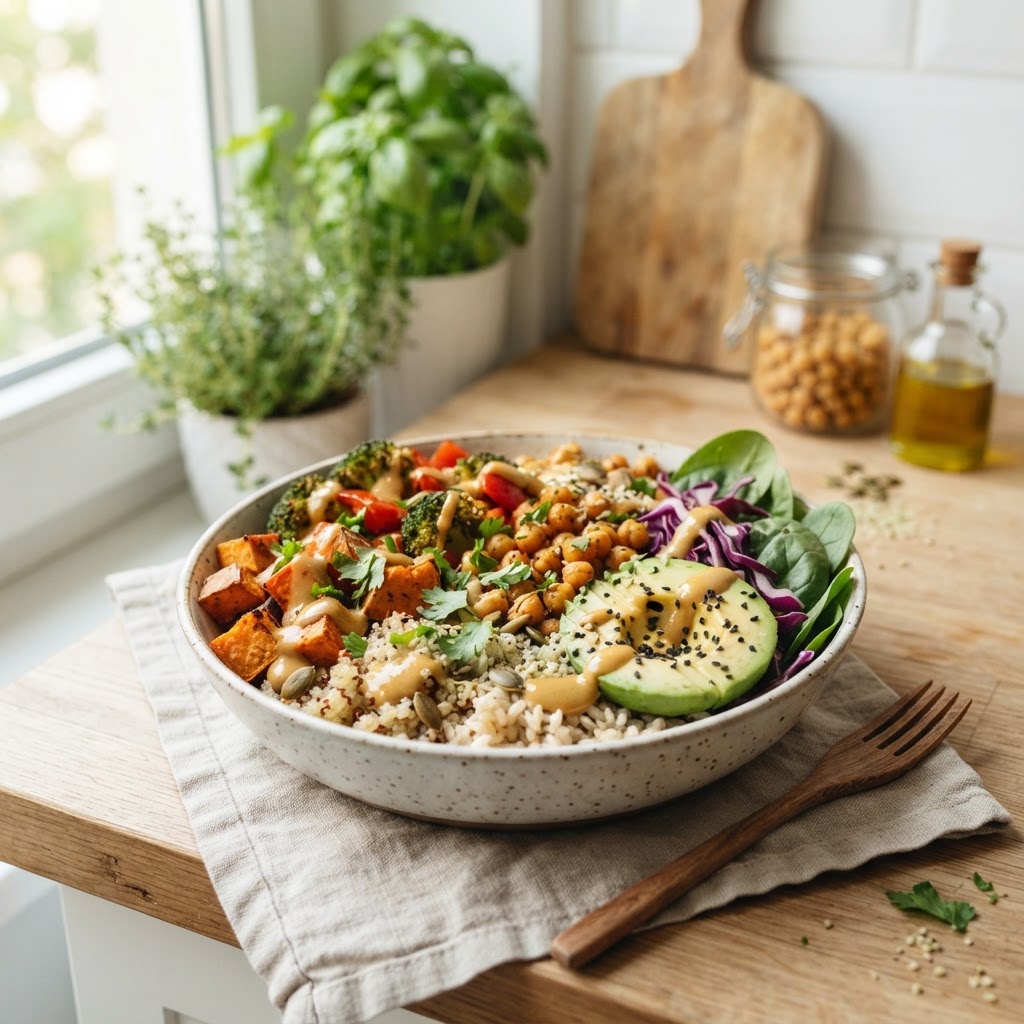
Discover delicious and easy vegan recipes perfect for beginners. From quick weeknight dinners to healthy snacks, simplify your plant-based journey today.
Tofu Preparation Guide
Master tofu preparation with our expert guide. Learn how to press, season, and cook perfect, crispy, and flavorful tofu for any vegan meal.
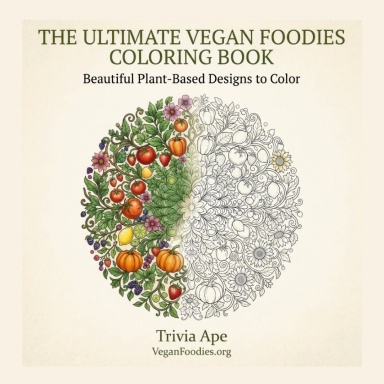
The Ultimate Vegan Foodies Coloring Book
Beautiful Plant-Based Designs to Color
Relax and unwind with beautifully detailed illustrations inspired by fruits, vegetables, herbs, flowers, and wholesome plant-based living. Perfect for stress relief, mindfulness, and creative fun.
by Trivia Ape