Easy Vegan Meal Prep for Beginners
A step-by-step guide to batch cooking vegan meals that last all week. Save time, money, and stress.
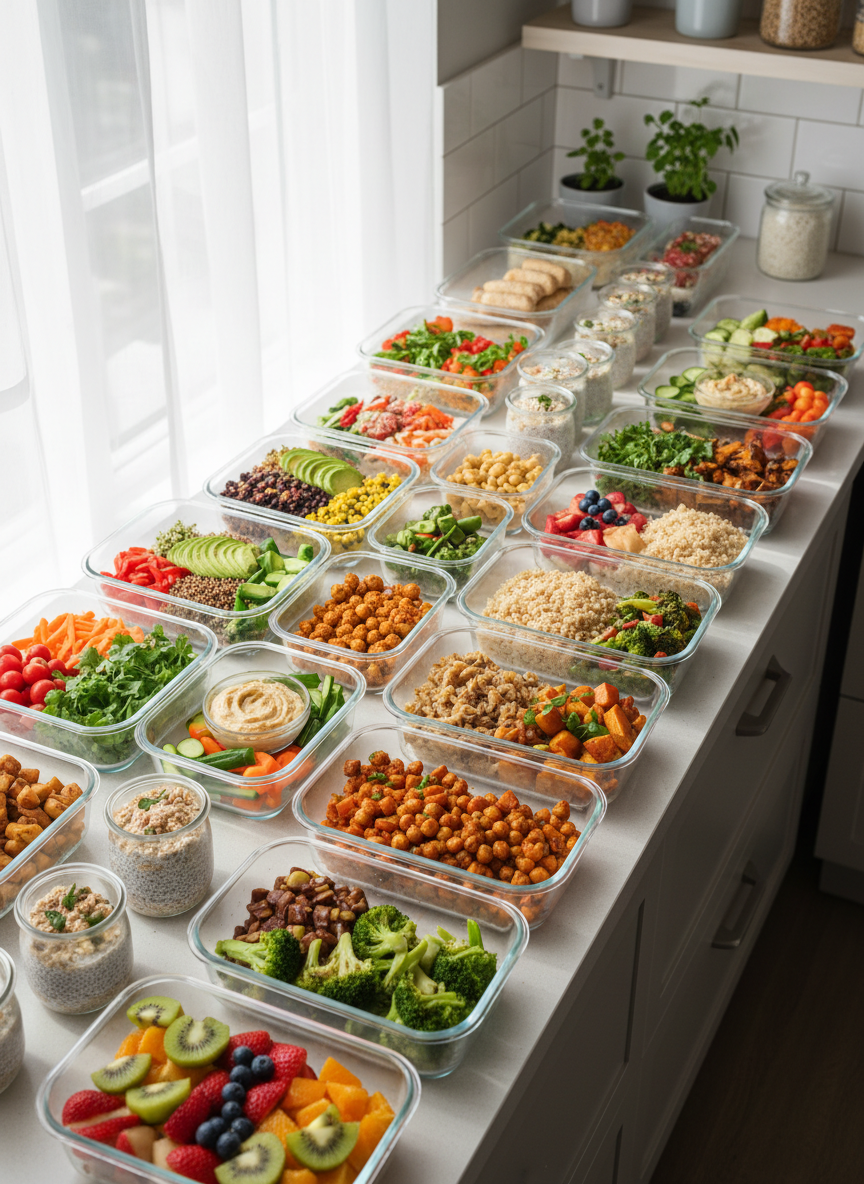
Easy Vegan Meal Prep for Beginners
Mastering the art of vegan meal prep is the single most effective way to maintain a healthy, plant-based diet without spending hours in the kitchen every evening.
Table of Contents
- The Benefits of Vegan Meal Prep
- Essential Tools for Success
- Planning Your Weekly Menu
- Building a Master Grocery List
- Step-by-Step Meal Prep Strategy
- Common Meal Prep Mistakes to Avoid
- Sample Meal Prep Workflow
- Nutritional Balance: The Formula for Success
- Storage, Reheating, and Safety Tips
- Advanced Prep Techniques: Batch Components vs. Full Meals
- FAQ
- Related Articles
The Benefits of Vegan Meal Prep
Vegan meal prep is more than just cooking in bulk; it is about reclaiming your time and ensuring you have nourishing, plant-powered meals ready when hunger strikes. Many beginners struggle with the transition to veganism because they find themselves scrambling for ideas during busy weeknights, which often leads to relying on processed convenience foods. By dedicating a few hours each week to preparing your staples, you remove the decision fatigue that often leads to unhealthy eating patterns.
Beyond saving time, meal prepping allows you to significantly reduce your grocery budget. When you shop with a plan, you purchase only the items you truly need, reducing the likelihood of fresh produce going to waste. This intentional approach is a cornerstone of the Beginners Guide Going Vegan, helping you stay on track with your nutritional goals while keeping your kitchen stocked with versatile, high-quality ingredients.
Essential Tools for Success
Investing in a few key kitchen staples can make your prep sessions seamless and enjoyable. You do not need a commercial kitchen to excel at plant-based meal prep, but having reliable equipment helps. A high-speed blender is invaluable for Vegan Smoothies For Energy or creating creamy sauces, while quality storage containers are essential for maintaining the freshness of your prepped ingredients throughout the week.
Consider the following list of must-have items for the beginner meal prepper:
- High-quality glass storage containers (airtight is best)
- A sharp chef's knife for efficient vegetable chopping
- A large stockpot for batch-cooking grains like quinoa, brown rice, or farro
- A sturdy rimmed baking sheet for roasting large batches of root vegetables
- A set of silicone storage bags for freezer-friendly portions
- A digital food scale for consistent portion control and recipe accuracy
- A vegetable peeler and a mandoline (optional, for rapid cucumber or zucchini slicing)
Planning Your Weekly Menu
Effective meal prep starts with a clear plan. Avoid the urge to cook five completely different recipes; instead, focus on "component cooking." This involves preparing versatile base ingredients—such as a large batch of roasted chickpeas, a pot of grains, and two types of dressings—that can be mixed and matched into various bowls throughout the week. This strategy is perfectly suited for those following a 7 Day Beginner Vegan Challenge.
When choosing recipes, look for dishes that hold up well in the refrigerator for three to four days. Soups, stews, and hearty grain salads are excellent candidates. Avoid meals that rely on delicate greens that wilt quickly, or store the dressing separately. If you need inspiration, check out Quick Vegan Meals to see how simple components can be transformed into delicious dinners.
Building a Master Grocery List
Building a Vegan Grocery List Beginners approach requires focus on pantry staples and fresh seasonal produce. Keep your pantry stocked with lentils, beans, nuts, seeds, and various grains. These ingredients have a long shelf life and provide a solid foundation for any meal.
For your fresh items, focus on high-yield vegetables like sweet potatoes, cauliflower, broccoli, and carrots. These items are inexpensive, versatile, and hold their texture well after cooking. Do not forget flavor-boosters such as nutritional yeast, tahini, and fresh herbs, which are detailed extensively in Affordable Vegan Pantry Staples.
Strategic Shopping List Breakdown
- Proteins: Canned chickpeas (keep 4-6 cans), firm tofu (2 blocks), red lentils (1 bag), hemp seeds (bulk bin).
- Complex Carbs: Rolled oats, brown rice or quinoa, sweet potatoes (3-4 large ones).
- Greens: A large container of kale (it holds up better than spinach), shredded cabbage (stays crisp for days).
- Flavor Agents: Soy sauce or tamari, lemon juice, garlic, ginger, tahini, and apple cider vinegar.
Step-by-Step Meal Prep Strategy
Follow this simple workflow to maximize your efficiency during your weekend prep session:
- Sanitize and Organize: Clear your workspace and wash your produce in advance. Dedicate a specific area for your 'prep station' where you can reach your knife and cutting board easily.
- The Oven Work: Start by roasting your vegetables or tofu, as these take the longest and require less active attention. Set your oven to 400°F (200°C) for optimal caramelization.
- The Stove Work: Simultaneously, boil your grains and legumes. Use the timer feature on your phone to keep track of multiple pots. Aim for a ratio of 2:1 liquid to grains for fluffy quinoa.
- The Prep Work: While your food cooks, chop your raw vegetables for salads and assemble your sauces or dressings. Use this time to also rinse and dry your fruit.
- The Assembly: Once everything is cooled, portion your meals into containers.
Common Meal Prep Mistakes to Avoid
One of the biggest mistakes beginners make is trying to do too much at once. Start small by prepping just your lunches for three days rather than trying to plan every single meal for the entire week. Another mistake is forgetting the importance of proper storage; ensure all your cooked components are completely cool before sealing them in containers to prevent excess moisture and early spoilage.
Pro-Tips to Avoid Common Pitfalls
- Don't Overcook Grains: Grains like brown rice will continue to steam in their containers; pull them off the stove while slightly al dente.
- The Soggy Salad Trap: Never dress your salads until the moment you eat them. Store greens and dressings in separate small containers.
- Flavor Fatigue: Don't prep everything with the same flavor profile. Use lemon-tahini for one set of bowls and a spicy ginger-soy sauce for another to keep your palate engaged.
Sample Meal Prep Workflow
| Step | Time Allocation | Task |
|---|---|---|
| 1 | 10 Min | Inventory and grocery organization |
| 2 | 45 Min | Roasting vegetables and proteins |
| 3 | 30 Min | Cooking grains and batch legumes |
| 4 | 20 Min | Making sauces and dressings |
| 5 | 15 Min | Portioning into containers |
Nutritional Balance: The Formula for Success
Creating a complete meal isn't just about combining ingredients; it is about balancing your macronutrients. For a satisfying vegan meal, aim for this structure in each bowl or container:
- Base: 1/2 cup of cooked complex carbohydrate (brown rice, quinoa, farro, or sweet potato).
- Protein: 1/2 cup of legumes (lentils, chickpeas, black beans) or 3-4 ounces of baked tofu/tempeh.
- Veggie Bulk: 1-2 cups of roasted or raw vegetables (broccoli, cauliflower, peppers, kale).
- Healthy Fats: 1 tablespoon of seeds (hemp, pumpkin, sunflower) or 1-2 tablespoons of a dressing based on tahini, avocado, or nuts.
- Flavor Accent: A dash of nutritional yeast, a squeeze of lemon, or fresh cilantro.
This formula ensures you feel full longer while keeping your blood sugar stable throughout the afternoon.
Storage, Reheating, and Safety Tips
Understanding food safety is critical when cooking for several days.
- The 'Cool-Down' Rule: Never place hot, steaming food directly into the fridge. It raises the internal temperature of your refrigerator and can promote bacteria growth. Let containers sit open on the counter for 20-30 minutes before closing them.
- Reheating Best Practices: When reheating, add a tablespoon of water or broth to your grains if they have dried out. If reheating in a microwave, use a glass lid or a microwave-safe cover to retain steam and prevent your food from becoming rubbery.
- Freezing Tips: If you prep for the entire week, keep the final two days of meals in the freezer. Transfer them to the fridge the night before you plan to eat them to ensure a slow, safe thaw.
- Maximizing Shelf Life: Store your hardiest vegetables (like carrots and beets) at the bottom of the fridge where it is coldest, while more delicate items can stay on the middle shelves.
Advanced Prep Techniques: Batch Components vs. Full Meals
Many beginners oscillate between prepping full meals and individual ingredients.
- Batch Components: Best for people who get bored of eating the same thing every day. You cook three types of veggies, two grains, and two proteins. You assemble them differently every single night.
- Full Meals: Best for busy professionals who need to grab and go without thinking. You portion complete meals into 5 containers on Sunday.
We recommend starting with batch components for the first month to learn which flavor profiles work best for your unique palate. For example, batch-cooking a large pot of black beans allows you to pivot from taco bowls on Tuesday to hearty bean chili on Thursday simply by altering the spices and garnishes during the quick 5-minute assembly process.
Managing Kitchen Cleanup and Efficiency
To minimize the "cleanup overwhelm," practice "clean-as-you-go" techniques. While your vegetables roast, use the time to wash your cutting board and prep containers. Keep a "scrap bowl" on your counter for vegetable peels and ends; this keeps your primary workspace clear and makes end-of-prep waste disposal significantly faster. If you find your kitchen becomes chaotic, group your tasks by "like" items—chop all your onions at once, then move to peppers, then carrots, to reduce the need to repeatedly swap equipment or wash your knife.
FAQ
Q1: How long do prepped vegan meals stay fresh? A1: Most plant-based meals last for 3-4 days in an airtight container in the refrigerator. Q2: Can I freeze my meal-prepped lunches? A2: Yes, many meals like soups and stews are excellent for freezing. Always leave room for expansion in the container. Q3: What is the best way to keep salad greens crisp? A3: Place a dry paper towel in your container to absorb excess moisture, and store dressing separately until serving. Q4: Do I need a fancy kitchen to start meal prepping? A4: No, a basic set of containers, a sharp knife, and a reliable baking sheet are all you need. Q5: What are the best vegetables for roasting in bulk? A5: Sweet potatoes, broccoli, carrots, cauliflower, and Brussels sprouts are the gold standard because they maintain their structural integrity after 4 days in the fridge. Q6: Can I meal prep without using plastic containers? A6: Absolutely. Glass storage containers are superior because they are non-porous, don't hold smells, and are safer for reheating directly in the oven or microwave. Q7: How do I keep my beans from getting mushy after boiling? A7: If cooking dry beans from scratch, add a pinch of salt only after they are tender; adding salt too early can toughen the skin and alter texture during storage. Q8: What if my grains become dry after storage? A8: Simply drizzle a teaspoon of water or vegetable broth over the grain base before reheating to help rehydrate and restore a fluffy, fresh-cooked texture.
Related Articles
- 7 Day Beginner Vegan Challenge
- Vegan Grocery List Beginners
- Affordable Vegan Pantry Staples
- Quick Vegan Meals
Newsletter
Stay updated with our latest plant-based recipes, meal prep strategies, and nutritional tips by subscribing to our weekly newsletter. Join our community of healthy food lovers and get our best advice delivered straight to your inbox.
Conclusion
Meal prep is an essential skill for the thriving vegan lifestyle. By planning ahead, you save time, reduce food waste, and ensure that nutritious meals are always within reach. Start small, experiment with the flavors you love, and enjoy the peace of mind that comes with a well-prepared kitchen. Happy prepping!
Enjoying this guide?
Browse our favorite recommended vegan products and kitchen essentials.
View Recommended Products →You Might Also Like
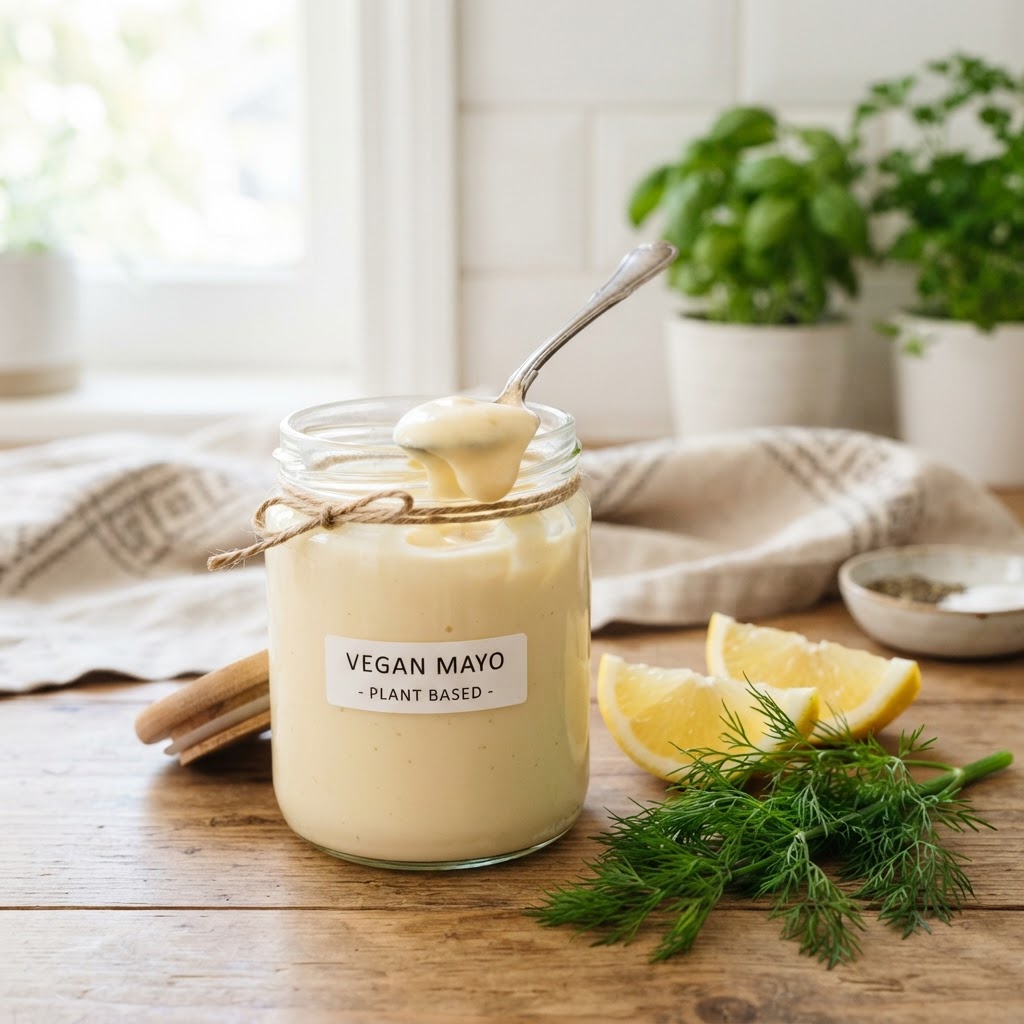
Make Vegan Mayo
Learn how to make rich, creamy vegan mayo at home with simple, pantry-friendly ingredients. A quick, cost-effective guide to perfect plant-based condiments.
Best Vegan Cookbooks
Discover the best vegan cookbooks to elevate your plant-based kitchen. From quick weeknight dinners to gourmet feasts, find the perfect guide for your lifestyle.
Vegan Baking Tips
Master vegan baking with our expert guide. Learn the best plant-based substitutes for eggs, butter, and milk to create delicious, foolproof vegan desserts.
Vegan Calcium Sources
Discover the best plant-based calcium sources to maintain strong bones and health. Learn how to incorporate these nutrient-dense foods into your vegan diet.
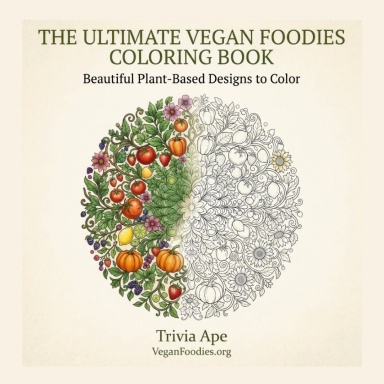
The Ultimate Vegan Foodies Coloring Book
Beautiful Plant-Based Designs to Color
Relax and unwind with beautifully detailed illustrations inspired by fruits, vegetables, herbs, flowers, and wholesome plant-based living. Perfect for stress relief, mindfulness, and creative fun.
by Trivia Ape