Vegan Grocery List Beginners
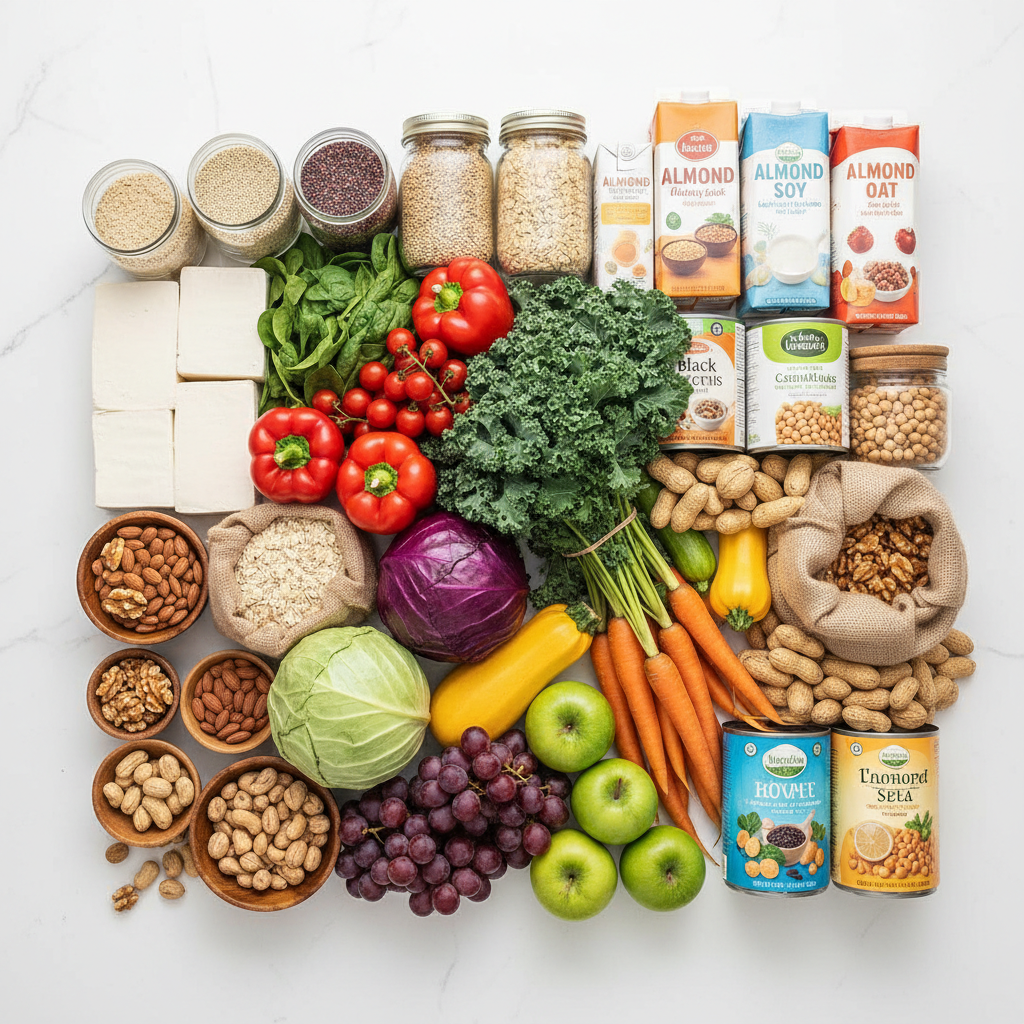
A complete, printable vegan grocery list for beginners. Everything you need for a full week of healthy plant-based meals for under $40, with aisle-by-aisle shopping guidance.
Vegan Grocery List Beginners
Embarking on a plant-based journey starts in the grocery aisle; this comprehensive guide covers all the essential staples you need to stock your pantry, fridge, and freezer for a successful vegan lifestyle.
Table of Contents
- Introduction
- Fresh Produce Essentials
- Pantry Staples and Grains
- Protein Sources and Legumes
- Healthy Fats and Nuts
- Dairy and Egg Alternatives
- Comparison Table
- Common Mistakes to Avoid
- Nutritional Tips and Supplementation
- Meal Prep Strategies
- Frequently Asked Questions
- Related Articles
- Newsletter
- Conclusion
Introduction
Transitioning to a vegan diet is an exciting change that opens up a world of vibrant flavors and nutrient-dense foods. Many beginners find the biggest hurdle is simply knowing what to buy when navigating the supermarket. By focusing on whole, plant-based foods, you can ensure your kitchen is always ready to support healthy, delicious meals without feeling restricted.
This guide serves as your roadmap for building a versatile vegan grocery list. Whether you are meal prepping for the week or learning to cook new recipes, having a well-stocked kitchen is the foundation of success. We will break down the essential categories, from fresh produce to shelf-stable pantry items, to make your shopping trips efficient and stress-free.
Fresh Produce Essentials
The produce section is the heart of any vegan diet. Prioritizing a rainbow of fruits and vegetables ensures you get a wide array of vitamins, minerals, and fiber. Aim for a mix of dark leafy greens, cruciferous vegetables, and seasonal fruits that can be eaten raw or incorporated into cooked dishes.
When building your list, focus on versatility. Kale, spinach, and arugula are perfect for salads and smoothies, while hearty vegetables like broccoli, cauliflower, and bell peppers can be roasted, stir-fried, or steamed. Do not forget aromatics like garlic, ginger, and onions, which form the flavor base for almost every savory plant-based meal you will prepare.
Pro Tip: Buy leafy greens like kale and spinach in larger bags, but wash and dry them immediately. Storing them wrapped in a paper towel within a container extends their fridge life by several days.
Pantry Staples and Grains
Whole grains are your primary source of energy and should be a staple in your pantry. Brown rice, quinoa, farro, and oats provide sustained energy and a satisfying texture. Keeping a variety of grains allows you to switch up your bowl bases and side dishes throughout the week.
Beyond grains, stock your shelves with dry goods like pasta, lentils, and chickpeas. These items have a long shelf life and can be transformed into quick dinners in minutes. Keep a few cans of tomato sauce, vegetable broth, and various vinegars on hand to quickly pull together soups, stews, and grain bowls. For flavoring, maintain a "pantry flavor kit" consisting of soy sauce or tamari, apple cider vinegar, balsamic vinegar, and nutritional yeast for that signature cheesy, umami profile. Adding a selection of dried spices like smoked paprika, dried oregano, and chili flakes will also ensure that your plant-based staples remain exciting and flavorful throughout your transition.
Protein Sources and Legumes
Contrary to common myths, getting enough protein on a vegan diet is simple when you know which staples to keep in your pantry. Beans are the gold standard for plant-based protein. Stock up on canned or dry black beans, kidney beans, chickpeas, and cannellini beans for salads, tacos, and curries.
For more variety, incorporate tofu, tempeh, and seitan. Tofu is incredibly versatile and absorbs the flavors of whatever sauce you use. To get the best texture, press your firm tofu for 15 minutes before cooking. Tempeh offers a nutty flavor and firm texture, making it an excellent addition to stir-fries or sandwiches. Seitan, made from vital wheat gluten, provides a "meaty" chew perfect for savory dishes. These items keep well in the refrigerator and offer endless culinary possibilities.
Practical Example: Keep a "15-minute protein stash." This includes pre-cooked lentils, canned chickpeas, and extra-firm tofu. With these three items, you can create a taco filling (beans), a salad topper (chickpeas), or a main dish (tofu stir-fry) without needing a long lead time.
Healthy Fats and Nuts
Healthy fats are essential for nutrient absorption and satiety. Keep a variety of raw nuts and seeds—such as walnuts, almonds, chia seeds, and flaxseeds—on hand for snacking or topping oatmeal. These are packed with omega-3 fatty acids and keep you feeling full longer.
Avocados, extra virgin olive oil, and tahini are also must-haves. Tahini, in particular, is a lifesaver for making creamy salad dressings or hummus. Integrating these healthy fats into your diet will make your plant-based meals feel more satisfying and indulgent while providing the essential fats your body needs to thrive.
Dairy and Egg Alternatives
Modern grocery stores are filled with high-quality plant-based alternatives for dairy and eggs. Whether you prefer oat, almond, soy, or cashew milk, there is an option that suits your preference for coffee, baking, or cereal. Check labels for calcium-fortified versions to maximize nutritional value.
For cooking and baking, vegan butter and plant-based yogurts are now readily available. If you enjoy baking, consider buying flaxseeds to make "flax eggs" (1 tablespoon ground flaxseed mixed with 3 tablespoons water), which act as a binder in many recipes. Having these alternatives on hand makes it easy to veganize your favorite comfort foods without sacrificing texture or taste.
Comparison Table
| Category | Recommended Items | Primary Benefit |
|---|---|---|
| Grains | Quinoa, Oats, Brown Rice | Energy & Fiber |
| Proteins | Tofu, Lentils, Chickpeas | Muscle Support |
| Fats | Walnuts, Avocado, Tahini | Satiety & Health |
| Greens | Kale, Spinach, Swiss Chard | Micronutrients |
Common Mistakes to Avoid
One of the most common pitfalls for beginners is relying too heavily on processed vegan snacks. While treats are fine in moderation, focus your budget and shelf space on whole foods. Another mistake is forgetting the importance of seasoning; if your food tastes bland, you will be less likely to stick with your new habits. Master a few basic spice blends—such as smoked paprika, cumin, garlic powder, and turmeric—to keep things interesting.
Another frequent error is under-eating calories. Because plant foods are often more nutrient-dense and high in fiber, they can be more filling than animal-based products. Ensure you are eating enough volume and including healthy fats to reach your caloric needs. Finally, avoid the temptation to overhaul your entire kitchen in one trip. Instead, build your pantry gradually. Replace empty items with plant-based versions as you go, and explore new ingredients one at a time. This approach prevents overwhelm and helps you discover what you truly enjoy eating.
Nutritional Tips and Supplementation
While a well-planned vegan diet is incredibly healthy, it is vital to pay attention to specific nutrients that are harder to source from plants alone. Vitamin B12 is the primary nutrient you must monitor; it is generally not found in plant foods, so incorporating fortified nutritional yeast, plant-based milks, or a daily supplement is necessary to maintain energy and neurological health.
Iron absorption can also be optimized by pairing iron-rich plant foods—such as lentils, spinach, and tofu—with sources of Vitamin C. For example, add a squeeze of fresh lemon juice over your spinach salad or include bell peppers in your lentil curry. This simple habit drastically improves how well your body utilizes plant-based iron. Calcium can be easily obtained from fortified milks, calcium-set tofu, and leafy greens like bok choy and kale. By paying attention to these small details, you can feel confident that your diet is nutritionally sound.
Meal Prep Strategies
Efficiency is the secret to a sustainable vegan diet. Devote a small portion of your weekend to washing, chopping, and storing vegetables. Pre-cooking a large batch of grains or beans ensures you have components ready to go for quick lunch bowls or dinners during the work week.
Pro Tip: The "Power Bowl" method is a game changer for beginners. Prep one grain (like quinoa), one protein (roasted chickpeas), one roasted vegetable (sweet potatoes), and one sauce (tahini-lemon dressing). You can mix and match these throughout the week to create endless variations without cooking from scratch every single night.
Use clear glass containers to see exactly what you have on hand. This reduces food waste and makes it much easier to assemble a nutritious meal in minutes. When you have pre-prepped components, you are less likely to rely on takeout or less healthy convenience foods. Consider keeping a "grab-and-go" shelf in your fridge specifically for pre-portioned snacks like hummus containers or sliced fruit to ensure healthy options are the path of least resistance.
Frequently Asked Questions
Q1: Is it expensive to eat a vegan diet? A1: Not necessarily; by focusing on whole foods like dried beans, grains, and seasonal vegetables, a vegan diet is often more affordable than one centered on animal products. Q2: How can I ensure I get enough B12? A2: Many plant-based milks and cereals are fortified with B12, but it is often recommended that vegans take a supplement to be safe. Q3: Can I find vegan items at standard grocery stores? A3: Absolutely; the vast majority of fresh produce, grains, and legumes are naturally vegan and available at every local supermarket. Q4: What is the best protein source for a vegan workout? A4: Tempeh, seitan, and lentils are excellent post-workout options due to their high protein-to-calorie ratio. Q5: Are frozen fruits and vegetables as nutritious as fresh ones? A5: Yes, often even more so! They are typically frozen at the peak of ripeness, locking in vitamins and nutrients, and they can be a significant money-saver for busy schedules. Q6: How long do pantry staples actually last? A6: Most dry grains and legumes have a shelf life of at least a year when stored in cool, dry, and airtight containers, making them perfect for building a reliable pantry foundation. Q7: Should I prioritize organic produce? A7: Organic is a personal choice; if budget is tight, focus on the "Dirty Dozen" list of produce that may have higher pesticide residues, while buying conventional for others. Q8: What can I use instead of honey? A8: Maple syrup, agave nectar, or date paste are excellent, naturally vegan sweeteners that work perfectly in dressings, baking, and glazes for roasted vegetables.
Related Articles
- Essential Kitchen Tools for New Vegans
- How to Balance Macros on a Plant-Based Diet
- Budget-Friendly Meal Planning for Beginners
Newsletter
Stay updated with the latest plant-based recipes, nutritional tips, and exclusive guides. Sign up for our weekly newsletter to get inspiration delivered directly to your inbox and join a community of thousands of plant-based foodies.
Conclusion
Transitioning to a vegan lifestyle is a rewarding process that begins with the simple act of choosing the right ingredients. By stocking your kitchen with these plant-based staples, you are setting yourself up for long-term success, better health, and delicious meals every day. Start small, stay curious, and enjoy the process of exploring new flavors as you build your own ideal grocery list.
We hope this guide has given you the confidence to navigate the grocery aisle like a pro. Keep experimenting with new vegetables and proteins, and remember that every plant-based meal counts toward your goals. Happy cooking!
Enjoying this guide?
Browse our favorite recommended vegan products and kitchen essentials.
View Recommended Products →You Might Also Like
Vegan Dessert Ideas
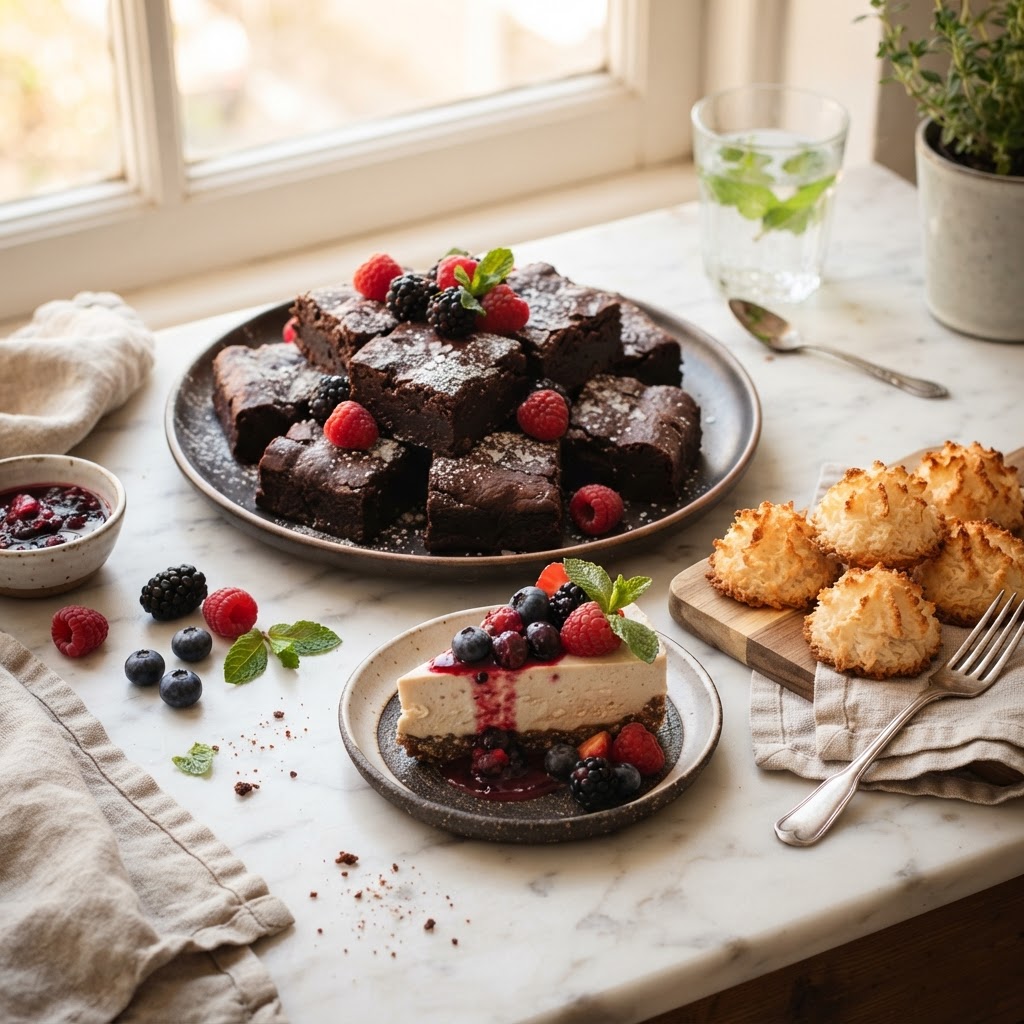
Discover delicious vegan dessert ideas that satisfy every craving. From rich brownies to refreshing treats, learn how to bake plant-based without compromise.
Vegan Meal Planning
Master vegan meal planning with our comprehensive guide. Learn how to organize your pantry, prep nutritious meals, and save time and money on a plant-based diet.
Vegan Cooking Tools
Upgrade your kitchen with essential vegan cooking tools. Discover the best gadgets to simplify plant-based prep, from high-speed blenders to air fryers.
Simple Vegan Cooking
Master simple vegan cooking with our comprehensive guide. Learn essential pantry staples, easy meal prep tips, and delicious recipes for a healthy lifestyle.
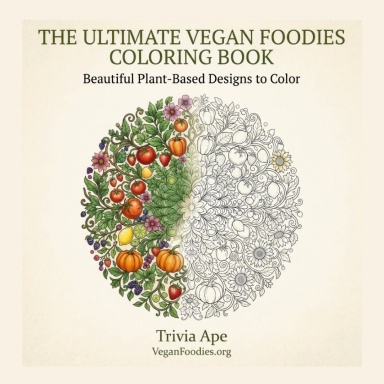
The Ultimate Vegan Foodies Coloring Book
Beautiful Plant-Based Designs to Color
Relax and unwind with beautifully detailed illustrations inspired by fruits, vegetables, herbs, flowers, and wholesome plant-based living. Perfect for stress relief, mindfulness, and creative fun.
by Trivia Ape