Vegan Nutrition Mistakes
Even well-intentioned vegans make these 10 nutrition mistakes. Learn what they are, why they matter, and exactly how to fix them for optimal health on a plant-based diet.
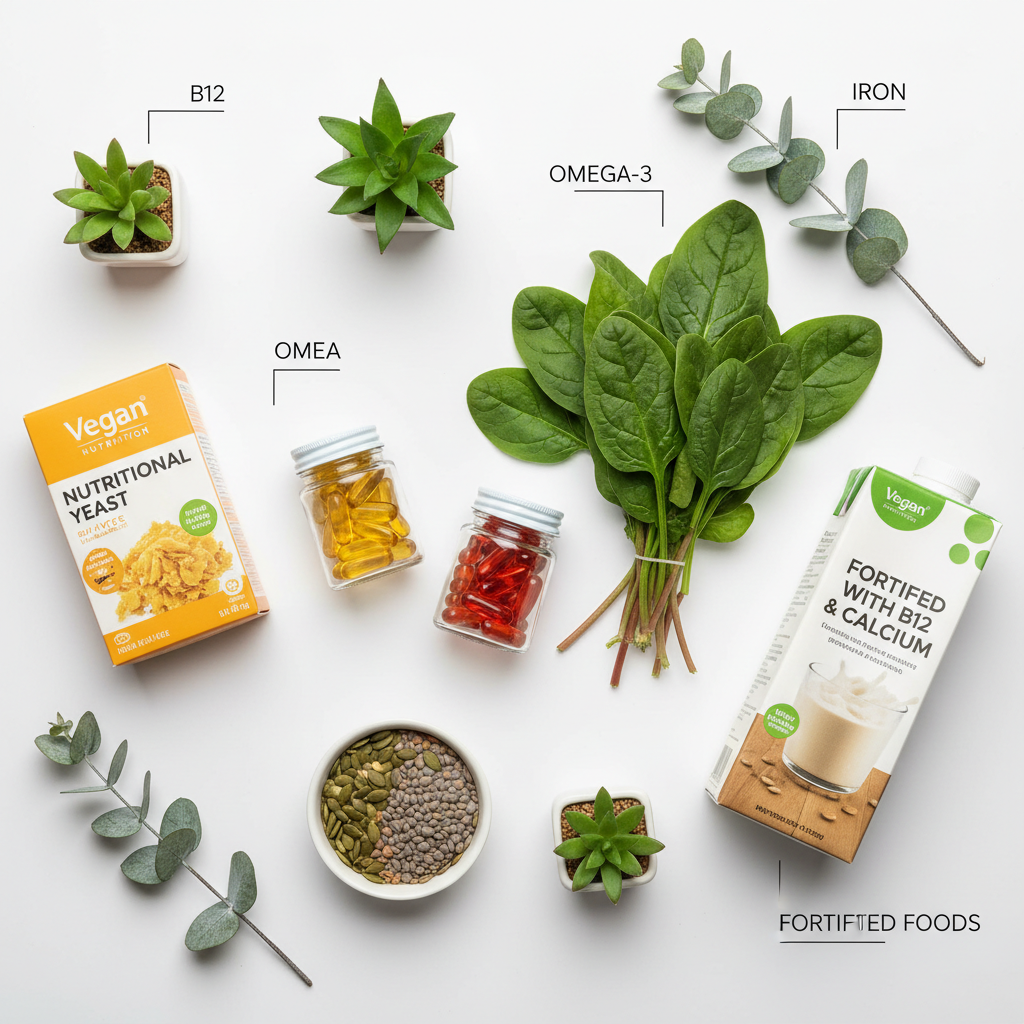
Vegan Nutrition Mistakes
Transitioning to a plant-based diet offers incredible health benefits, but avoiding common nutritional pitfalls is essential for long-term vitality and wellness.
Table of Contents
- Understanding Vegan Nutritional Needs
- The Vitamin B12 Myth
- Inadequate Protein Sourcing
- Ignoring Essential Fatty Acids
- Calcium and Bone Health
- Iron Absorption Challenges
- The Trap of Processed Vegan Junk Food
- Tracking Micronutrients
- Zinc and Iodine Considerations
- Meal Prep and Practical Storage Strategies
- Comparison of Key Nutrients
- Frequently Asked Questions
- Related Articles
- Newsletter
- Conclusion
Understanding Vegan Nutritional Needs
Adopting a vegan lifestyle is a powerful commitment to health, ethics, and environmental sustainability. However, simply removing animal products without intentional planning can lead to nutritional deficiencies. Success requires understanding which nutrients are commonly found in animal-based foods and how to source them effectively from plant-based alternatives.
Many new vegans focus primarily on what they should remove from their plates rather than what they need to add. By learning to diversify your intake of legumes, nuts, seeds, whole grains, and leafy greens, you can easily meet your body's requirements. This guide explores the most frequent mistakes so you can thrive on a plant-based diet.
The Vitamin B12 Myth
Perhaps the most dangerous misconception in the vegan community is that you can obtain sufficient Vitamin B12 from unwashed organic produce or fermented foods like tempeh. This is false. Vitamin B12 is produced by bacteria, and modern hygiene practices mean our produce no longer provides reliable sources of this critical nutrient.
A deficiency in Vitamin B12 can lead to irreversible nerve damage and cognitive impairment. Every vegan must include a reliable source of B12, either through a daily supplement or by consuming fortified foods like plant milks, nutritional yeast, and cereals throughout the day. Do not wait for symptoms to appear before taking action. Aim for a supplement containing at least 250mcg of cyanocobalamin daily, or a larger weekly dose (e.g., 2000-2500mcg) to ensure bioavailability.
Inadequate Protein Sourcing
Protein anxiety is common, but it is rarely the issue; the real mistake is failing to consume a wide enough variety of amino acids. Protein is made up of amino acids, and while all plant proteins contain all essential amino acids, some are lower in specific ones than others. Relying solely on one protein source, like pasta, is a missed opportunity.
To ensure complete protein intake, focus on variety. Pair legumes like lentils or chickpeas with whole grains like quinoa or brown rice. Include soy products such as tofu, tempeh, and edamame, which are complete protein powerhouses. By incorporating different textures and sources, you guarantee your body receives the full spectrum of building blocks it needs for muscle repair and metabolic health. Pro Tip: Adding a tablespoon of hemp seeds to your oatmeal or smoothie adds roughly 3-5 grams of high-quality, complete protein with minimal effort.
Ignoring Essential Fatty Acids
Omega-3 fatty acids are vital for heart and brain health. Many vegans mistakenly believe that eating any nut or seed is sufficient. While walnuts and flaxseeds provide Alpha-Linolenic Acid (ALA), the body must convert this into EPA and DHA, which are the forms used most efficiently by the brain and heart. This conversion process can be inefficient.
To bridge this gap, ensure you are incorporating ground flaxseeds, chia seeds, and hemp hearts into your daily routine. A simple strategy is to add two tablespoons of ground flaxseed to your morning cereal or yogurt. For optimal health, consider a high-quality algae-based DHA/EPA supplement. This ensures you aren't relying solely on the body’s limited conversion capacity, protecting your long-term cognitive and cardiovascular function.
Calcium and Bone Health
Calcium is often associated exclusively with dairy, but many plant-based sources are actually more bioavailable. A common mistake is failing to eat enough "low-oxalate" greens. While spinach is healthy, its high oxalate content binds to calcium, making it harder to absorb.
Instead, prioritize kale, bok choy, collard greens, and broccoli. Additionally, ensure you are getting adequate Vitamin D through sunlight or supplementation, as Vitamin D is necessary for your body to absorb calcium effectively. Fortified plant milks and calcium-set tofu are also excellent, easy-to-use staples that keep bone health on track without needing animal products. If you are preparing greens, a quick blanching or steaming can slightly reduce oxalate content, though diversifying your greens is the best strategy.
Iron Absorption Challenges
Plant-based iron (non-heme) is not absorbed as easily as animal-based iron (heme). The mistake here is assuming that just eating lentils or beans is enough to prevent deficiency. You must pair your iron sources with Vitamin C to significantly boost absorption.
For example, squeeze fresh lemon juice over your lentil soup or add bell peppers to your bean chili. Conversely, be mindful of "inhibitors" like tannins found in coffee and tea. Avoid drinking these beverages during your main iron-rich meals, as they can block iron absorption. Spacing your meals and beverages apart by an hour can make a dramatic difference in your iron levels. If you eat a bean-heavy salad, include vitamin C-rich ingredients like citrus vinaigrettes or fresh strawberries to turn that non-heme iron into a more usable form for your blood cells.
The Trap of Processed Vegan Junk Food
With the explosion of vegan market options, it is easier than ever to live on processed snacks. While these are convenient, they are often devoid of essential nutrients and loaded with sodium, saturated fats, and refined sugars. Relying on these products regularly can lead to inflammation and energy crashes.
True plant-based health comes from whole foods. Treat processed vegan meats and cheeses as occasional conveniences rather than daily staples. Focus your kitchen efforts on whole ingredients like sweet potatoes, beans, grains, and colorful vegetables. Your body will thank you with sustained energy and better digestion. A good rule of thumb is the 80/20 principle: ensure 80% of your calories come from minimally processed whole foods, reserving the remaining 20% for those "convenience" vegan items.
Tracking Micronutrients
In the beginning, it is very helpful to track your intake for a few weeks using an app to ensure you are meeting your targets. Many vegans suffer because they underestimate their caloric intake or fail to hit their micronutrient goals. Don't guess; verify that you are getting your zinc, selenium, and iodine by incorporating nuts, seeds, and occasional seaweed into your diet.
Zinc and Iodine Considerations
Zinc is crucial for immune function, and while plant-based sources like pumpkin seeds, hemp hearts, and chickpeas are abundant, the phytates in whole grains can sometimes inhibit absorption. To optimize zinc intake, consider soaking your beans and grains overnight before cooking, which breaks down those inhibitors.
Iodine is another frequently overlooked nutrient. Since vegans often avoid iodized table salt or dairy (a common source of iodine in non-vegan diets), you need a reliable intake. A small amount of iodized salt (just 1/4 teaspoon contains about 95mcg) or including sea vegetables like nori in your sushi or grain bowls once or twice a week is usually sufficient. Be careful with excessive kelp, as it can contain dangerously high levels of iodine.
Meal Prep and Practical Storage Strategies
Batch cooking is the secret to staying on track. If you have healthy, nutrient-dense food ready, you are less likely to fall into the processed junk food trap.
- Grains and Legumes: Cook large batches of quinoa, brown rice, or lentils on Sunday. Store them in airtight glass containers in the fridge for up to five days.
- Greens: To keep your kale or collard greens fresh, wash them, dry them thoroughly with a salad spinner, and store them in a container wrapped in a paper towel. This prevents the moisture that leads to premature wilting.
- Freezing: If you make a large batch of chili or lentil soup, portion it out into single-serving containers and freeze them. This provides an instant "healthy fast food" option for those nights when you are too tired to cook.
Nutritional Timing and Pre-Workout Fueling
Optimizing your energy levels often comes down to timing. When planning meals before intense physical activity, focus on easily digestible carbohydrates like a banana or a slice of whole-grain toast about 45 minutes prior. This ensures you have readily available glycogen without feeling weighed down. After workouts, prioritize a combination of protein and complex carbohydrates to support muscle recovery and glycogen replenishment. For instance, a protein-rich smoothie with a handful of berries or a bowl of steel-cut oats with hemp seeds works exceptionally well for post-exercise restoration.
Comparison of Key Nutrients
| Nutrient | Best Plant Sources | Absorption Tip |
|---|---|---|
| Protein | Tofu, Tempeh, Lentils | Eat variety daily |
| Iron | Beans, Dark Leafy Greens | Pair with Vitamin C |
| Calcium | Bok Choy, Kale, Tofu | Avoid high-oxalate blockers |
| Omega-3 | Flax, Chia, Hemp | Consider Algae Supplement |
| Zinc | Pumpkin Seeds, Hemp | Soak grains and legumes |
| Iodine | Iodized Salt, Nori | Consume in moderation |
Frequently Asked Questions
Q1: Is it really necessary to track my nutrients forever? A1: No, tracking is a short-term educational tool to help you learn what a balanced plate looks like; once you form healthy habits, you won't need to track anymore.
Q2: Can I get enough protein just from vegetables? A2: While vegetables have protein, you should focus on legumes, grains, and soy to reach optimal protein levels easily.
Q3: Are vegan supplements expensive? A3: A basic B12 supplement is very affordable and lasts a long time, making it a cost-effective investment in your health.
Q4: What are the best foods for Vitamin C? A4: Bell peppers, strawberries, oranges, and broccoli are all fantastic sources that help improve your iron absorption.
Q5: Do I need to worry about protein combining at every meal? A5: Modern nutrition science confirms that your body pools amino acids over the course of the day; you do not need to eat all essential amino acids at every single meal, as long as your overall daily intake is varied.
Q6: How do I manage low energy levels on a vegan diet? A6: Low energy often stems from insufficient caloric intake. Since plant foods are typically less calorie-dense, you may need to eat slightly larger portions or incorporate healthy fats like avocado, nuts, and seeds to maintain steady energy throughout the day.
Q7: Can I use nutritional yeast as a primary seasoning? A7: Yes, nutritional yeast is excellent for a "cheesy" flavor. Always check the label to ensure it is fortified with B12, which turns your seasoning into an extra nutritional insurance policy for your diet.
Q8: What is the best way to cook chickpeas for better digestion? A8: If you find beans cause bloating, try rinsing canned beans thoroughly until the bubbles stop, or boil dry-soaked beans with a strip of kombu seaweed to help break down indigestible sugars.
Related Articles
- Complete Guide to Vegan Protein Sources
- Understanding Vitamin B12 on a Vegan Diet
- How to Balance Your Vegan Plate
Newsletter
Want to master plant-based nutrition? Join our weekly newsletter to receive actionable tips, meal planning guides, and the latest research on vegan health delivered straight to your inbox. Stay informed and motivated on your journey to vibrant health.
Conclusion
Avoiding these common mistakes is the most effective way to ensure your vegan journey is sustainable, healthy, and enjoyable. By focusing on whole, nutrient-dense foods and being proactive about specific nutrients like B12, Omega-3s, and mineral intake, you can thrive on a plant-based diet for years to come. Remember, perfection isn't required—consistency and curiosity are your best tools. Start small, experiment with new recipes, and listen to your body. Your nutritional health is a long-term practice, not a destination.
Enjoying this guide?
Browse our favorite recommended vegan products and kitchen essentials.
View Recommended Products →You Might Also Like
Vegan Butter Alternatives
Discover the best vegan butter alternatives for baking, cooking, and spreading. Learn how to choose the right plant-based fat for your kitchen needs today.
Vegan Brownie Recipe
Indulge in the ultimate rich, fudgy, and decadent vegan brownie recipe. Easy to make, plant-based, and perfect for satisfying your sweet tooth cravings today.
Affordable Vegan Meals
Eat well for less with our guide to affordable vegan meals. Discover budget-friendly pantry staples, simple recipes, and tips to save money on a plant-based diet.
Immersion Blender vs Stand
Choosing between an immersion blender vs stand mixer? Our guide breaks down the pros, cons, and best uses to help you decide which tool fits your kitchen needs.
The Ultimate Vegan Foodies Coloring Book
Beautiful Plant-Based Designs to Color
Relax and unwind with beautifully detailed illustrations inspired by fruits, vegetables, herbs, flowers, and wholesome plant-based living. Perfect for stress relief, mindfulness, and creative fun.
by Trivia Ape