Best Vegan Protein Sources: A Complete Guide
Discover the best vegan protein sources to fuel your plant-based diet. From legumes to grains, learn how to hit your macros with nutrient-dense whole foods.
Best Vegan Protein Sources: A Complete Guide
This comprehensive guide explores the best plant-based protein sources, helping you fuel your body with nutrient-dense, vegan-friendly foods that support optimal health and performance.
Table of Contents
- Introduction
- Legumes: The Powerhouses of Plant Protein
- Grains and Pseudocereals
- Nuts and Seeds
- Soy Products and Tofu
- Vegetables and Fruits
- Comparison of Protein Density
- Optimizing Protein Absorption and Meal Prep
- Common Protein Myths
- Frequently Asked Questions
- Related Articles
- Newsletter
- Conclusion
Introduction
Transitioning to a plant-based diet often prompts the common question: "Where do you get your protein?" The truth is that a well-planned vegan diet is more than capable of providing all the essential amino acids your body requires for muscle repair, metabolic health, and daily energy. By understanding the diverse array of plant-based options available, you can easily meet or exceed your nutritional needs.
Plant-based proteins are unique because they often come bundled with beneficial fiber, phytonutrients, and antioxidants that are typically absent in animal-derived sources. Whether you are an athlete, a busy professional, or someone simply looking to improve their health, this guide will walk you through the most effective ways to source high-quality protein from plants. You can learn more about building a solid foundation through Plant Based Nutrition.
Legumes: The Powerhouses of Plant Protein
Legumes, including beans, lentils, and chickpeas, are the cornerstone of a high-protein vegan lifestyle. These versatile ingredients are not only affordable but also incredibly nutrient-dense, providing significant amounts of protein and complex carbohydrates. Integrating legumes into your routine is simple when you use staples like Affordable Vegan Pantry Staples.
Lentils are particularly impressive, offering about 18 grams of protein per cooked cup. They are perfect for soups, stews, or even as a meat substitute in tacos and pasta sauces. For quick meal ideas, explore Vegan Lentil Recipes or try a classic like Vegan Lentil Soup. When you cook them, ensure you rinse them thoroughly to improve digestibility and flavor.
Pro-Tip: Mastering Legumes
To enhance the digestibility of beans and lentils, soak dried varieties for at least 8 hours before cooking. Adding a strip of kombu (seaweed) to the cooking water can also help break down complex sugars that often lead to bloating, making these protein powerhouses easier on your digestive system.
The Nutritional Variety of Beans
Not all beans are created equal. For instance, mung beans and adzuki beans provide a unique protein profile compared to kidney or black beans. Mung beans are excellent for sprouting, which can further increase their vitamin C content and reduce antinutrients like phytic acid. When preparing chickpeas, consider aquafaba—the cooking liquid—which can be whipped into a vegan-friendly meringue, ensuring zero waste in the kitchen.
Grains and Pseudocereals
While grains are often categorized as carbohydrates, many varieties are surprising sources of protein. Quinoa, for instance, is a complete protein, meaning it contains all nine essential amino acids. It serves as an excellent base for power bowls or as a nutrient-packed side dish. Similarly, amaranth and teff are underutilized pseudocereals that add texture and protein density to your meals.
Oats are another staple that can contribute to your daily intake. While they aren't the highest-protein food on their own, they are often paired with other ingredients like seeds or nuts. For breakfast, consider Vegan Overnight Oats 5 Flavors to combine grains with protein-rich add-ins for a balanced start to your day.
Nutritional Breakdown: Grains
- Quinoa: 8g protein/cup. Known for its earthy flavor and versatility.
- Wild Rice: 7g protein/cup. A fiber-rich, nutrient-dense ancient grain.
- Spelt: 10g protein/cup. An ancient wheat variety that is often better tolerated than modern wheat.
- Farro: 7g protein/cup. Adds a chewy, satisfying texture to salads and risotto.
Nuts and Seeds
Nuts and seeds act as nutritional boosters. Adding a tablespoon of hemp seeds, chia seeds, or flaxseeds to your morning smoothie or oatmeal can instantly increase your protein profile. Hemp seeds are particularly potent, providing about 10 grams of protein per three tablespoons.
Almonds, walnuts, and pumpkin seeds are also excellent snacks. However, because they are calorically dense, it is best to enjoy them in moderation. Incorporating these into your Healthy Vegan Snacks ensures you are getting high-quality fats alongside your protein.
Storage and Freshness
Because nuts and seeds have high oil content, they can go rancid if stored improperly. For optimal shelf life, keep them in airtight containers in a cool, dark place or in the refrigerator. This preserves the delicate fatty acids and ensures the taste remains fresh. If buying in bulk, consider freezing portions you won't use within a month to maintain peak nutrient quality.
Soy Products and Tofu
Soy is perhaps the most versatile protein source in the vegan kitchen. From firm tofu to tempeh and edamame, soy products are complete proteins and can be prepared in endless ways. Tofu can be pressed, marinated, and baked for a crispy texture, or blended into creamy sauces.
Tempeh offers a firm, nutty profile that works beautifully in stir-fries. For inspiration, check out Tempeh Recipes or try a Crispy Tofu Recipe to master the art of preparation. Soy is a reliable staple for anyone looking to maintain muscle mass.
Why Processing Matters
Fermented soy, such as tempeh, miso, and natto, undergoes a process that breaks down antinutrients, making the protein more bioavailable and the product more gut-friendly. If you struggle with digestion, prioritizing fermented soy products can make a significant difference in how your body responds to your protein intake.
Vegetables and Fruits
While most vegetables are not protein-heavy, some deserve a spot on your list. Broccoli, spinach, and peas contain small but significant amounts of protein that add up over the course of a day. The key is diversity; by eating a wide variety of plants, you ensure your amino acid profile is complete.
When you combine these vegetables with grains or legumes, you create a complete nutritional package. Using Rainbow Power Bowls is an effective strategy to integrate these diverse sources into a single, satisfying meal. Don't overlook peas—a single cup of cooked green peas provides roughly 8 grams of protein. Additionally, brussels sprouts and kale offer roughly 2 to 3 grams of protein per cooked cup, which, while modest, contributes to your total daily amino acid requirements significantly when combined with other whole foods.
Comparison of Protein Density
| Food Source | Protein per 1 cup (cooked) | Primary Use |
|---|---|---|
| Lentils | 18g | Soups, Tacos, Salads |
| Edamame | 17g | Stir-fries, Snacks |
| Tempeh | 31g | Steaks, Crumbles, Skewers |
| Quinoa | 8g | Porridge, Grain Bowls |
| Black Beans | 15g | Chili, Burritos |
| Chickpeas | 14.5g | Hummus, Curries |
| Hemp Seeds | 10g (3 tbsp) | Smoothies, Toppings |
| Seitan | 25g (3oz) | Meat alternatives, Stir-fry |
Optimizing Protein Absorption and Meal Prep
To ensure your body makes the best use of the protein you consume, consider your meal timing and preparation methods. Combining protein sources with vitamin C-rich foods (like bell peppers or citrus) can enhance iron absorption, which is often found alongside protein in plant sources.
Meal Prep Strategy
- Batch Cooking: Cook a large pot of quinoa or brown rice at the start of the week. This provides a base for quick meals.
- Marinate Tofu: Keep pre-marinated tofu in the fridge. It saves time and infuses flavor, making it easier to stick to your protein goals.
- Mix Your Sources: Aim for a "protein-pairing" approach. Pair a legume (beans) with a grain (rice) to ensure you are getting a broad spectrum of amino acids throughout the day.
- Sprouting: Sprout your own seeds or lentils. This process can increase the vitamin content and reduce enzyme inhibitors, potentially improving the digestibility of the protein.
Common Mistakes to Avoid
- Ignoring Calorie Needs: Protein requires adequate calories to be used for muscle repair rather than fuel. Ensure you eat enough total calories.
- Relying Only on Supplements: While convenient, protein powders lack the fiber and micronutrients of whole foods.
- Over-boiling: Overcooking your grains and legumes can reduce their nutrient density. Aim for al dente.
- Neglecting Hydration: A high-protein diet, even if plant-based, requires extra water to help the kidneys process nitrogenous waste effectively.
Common Protein Myths
One of the most persistent myths is that vegans struggle to get enough protein. In reality, as long as you are consuming enough calories from diverse, unprocessed plant foods, deficiency is rare. Another myth suggests that plant proteins are "incomplete." Science shows that as long as you eat a variety of foods throughout the day, your body does the work of combining amino acids to form complete proteins.
Do not obsess over every single meal. Instead, focus on the overall quality of your diet. Learning to navigate Vegan Nutrition Mistakes can help you avoid common pitfalls and stay focused on sustainable, long-term health.
Frequently Asked Questions
Q1: Is soy safe to eat daily? A1: Yes, for the vast majority of people, soy is a healthy, safe, and nutritious protein source that has been consumed for centuries. Q2: Do I need protein powders? A2: Protein powders are convenient for athletes or busy individuals, but they are not necessary if you are meeting your protein needs through whole foods. Q3: What is the best protein for weight loss? A3: Whole foods like lentils, beans, and tofu are excellent as they are high in fiber and protein, keeping you satiated and preventing hunger pangs. Q4: How much protein does a human need? A4: Protein needs vary based on age, weight, and activity level, but generally, 0.8g to 1.2g per kilogram of body weight is standard. Athletes may require closer to 1.6g per kilogram. Q5: Can kids grow on a vegan diet? A5: Yes, provided the diet is well-planned to include sufficient calories, protein, and essential nutrients like B12 and iron, children can thrive on a vegan diet. Q6: How do I handle gas when increasing legume intake? A6: Increase your fiber intake slowly, drink plenty of water, and ensure your legumes are well-cooked and thoroughly rinsed. Q7: Does the timing of protein intake matter? A7: While consistent intake throughout the day is more important than specific "anabolic windows," spreading protein across three to four meals can support muscle protein synthesis more effectively than consuming it all at once. Q8: Are there protein-rich vegan flours? A8: Yes, chickpea flour (besan) and almond flour are fantastic ways to incorporate more protein into your baking, providing significantly more nutrition than white wheat flour.
Related Articles
Newsletter
Join our community of plant-based enthusiasts! Sign up for our weekly newsletter to receive delicious recipes, nutrition tips, and exclusive guides delivered straight to your inbox. Stay ahead of the curve with our science-backed insights into the world of vegan living.
Conclusion
Finding protein as a vegan is both simple and delicious. By incorporating a wide variety of legumes, grains, nuts, seeds, and soy products into your daily routine, you can easily meet your health goals. Remember that the best approach is to enjoy the abundance of nature's pantry rather than worrying about exact measurements. Start small, experiment with new recipes, and enjoy the journey to a stronger, more energized you. Your body will thank you for the extra fiber and antioxidants that come along with your protein-packed choices. Consistency is key, and by focusing on whole, unprocessed ingredients, you will naturally provide your body with the fuel it needs for long-term health and vitality.
Enjoying this guide?
Browse our favorite recommended vegan products and kitchen essentials.
View Recommended Products →You Might Also Like
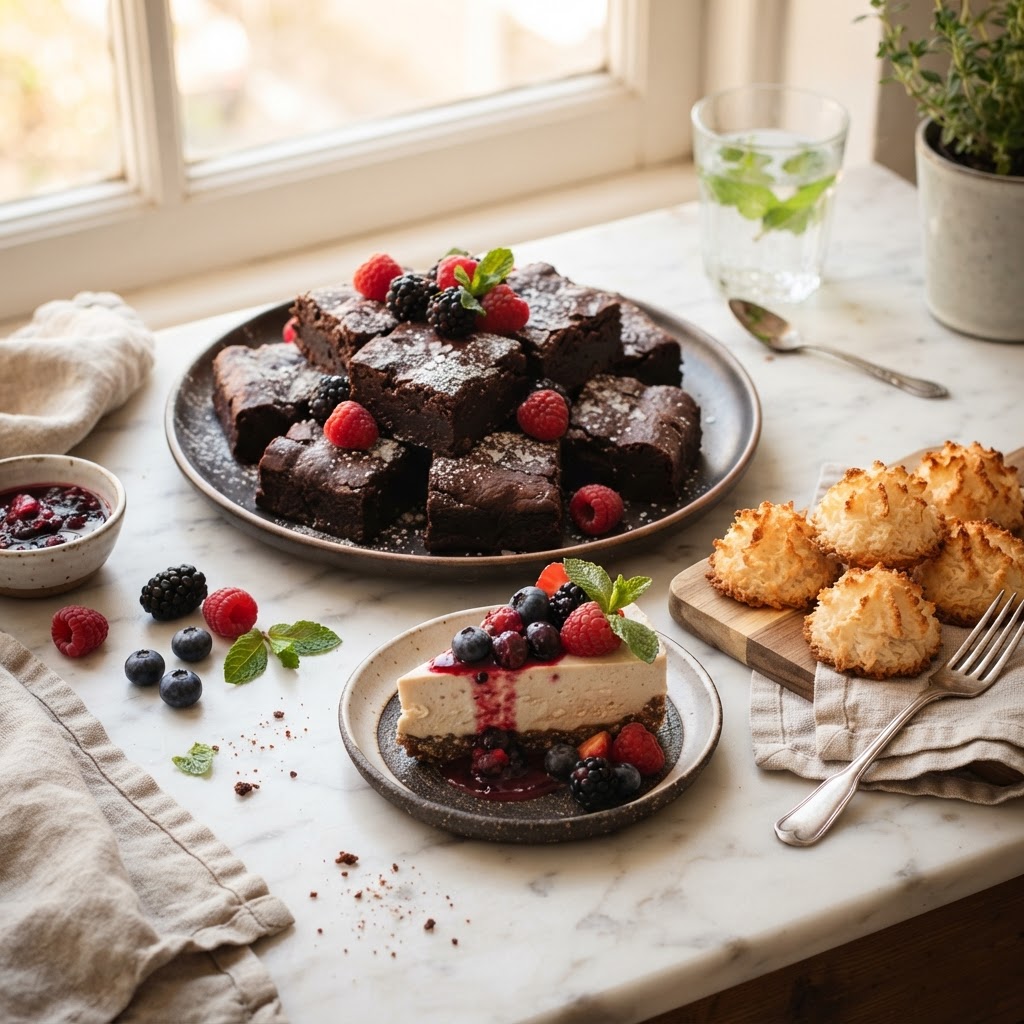
Vegan Dessert Ideas
Discover delicious vegan dessert ideas that satisfy every craving. From rich brownies to refreshing treats, learn how to bake plant-based without compromise.
Vegan Meal Planning
Master vegan meal planning with our comprehensive guide. Learn how to organize your pantry, prep nutritious meals, and save time and money on a plant-based diet.
Vegan Cooking Tools
Upgrade your kitchen with essential vegan cooking tools. Discover the best gadgets to simplify plant-based prep, from high-speed blenders to air fryers.
Simple Vegan Cooking
Master simple vegan cooking with our comprehensive guide. Learn essential pantry staples, easy meal prep tips, and delicious recipes for a healthy lifestyle.
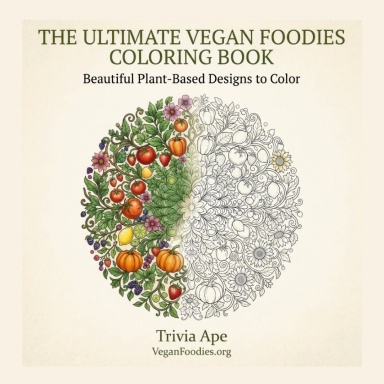
The Ultimate Vegan Foodies Coloring Book
Beautiful Plant-Based Designs to Color
Relax and unwind with beautifully detailed illustrations inspired by fruits, vegetables, herbs, flowers, and wholesome plant-based living. Perfect for stress relief, mindfulness, and creative fun.
by Trivia Ape