Healthy Vegan Snacks
Discover delicious and nutritious healthy vegan snacks to energize your day and satisfy your cravings. Perfect for any diet!
Healthy Vegan Snacks
Discover how to fuel your body with wholesome, nutrient-dense plant-based snacks that keep you energized throughout the day without sacrificing flavor.
Table of Contents
- The Importance of Healthy Vegan Snacking
- Essential Pantry Staples for Quick Bites
- Top 5 Nutrient-Dense Snack Combinations
- Mastering Homemade Hummus and Dips
- Healthy Vegan Snacks Comparison Table
- Common Mistakes to Avoid
- Frequently Asked Questions
- Related Articles
The Importance of Healthy Vegan Snacking
Choosing the right vegan snacks is about more than just avoiding animal products; it is about finding fuel that sustains your energy levels. Many commercially available "vegan" treats are highly processed and lack the fiber and micronutrients necessary for long-term health. By focusing on whole, plant-based foods, you can maintain steady blood sugar levels, improve digestion, and support overall wellness.
Incorporating intentional snacking into your daily routine can prevent the midday "slump" often associated with heavy or sugary convenience foods. When you choose snacks rich in plant proteins and healthy fats, such as raw nuts, seeds, or legumes, you provide your body with the sustained energy it needs. Understanding these nutritional foundations is key to a successful plant-based lifestyle.
Beyond just energy, snacking serves as a bridge between meals that keeps your metabolism active and prevents extreme hunger, which often leads to overeating during dinner. By focusing on nutrient density—the ratio of vitamins, minerals, and antioxidants per calorie—you can turn a simple snack into a health-promoting habit. Whether you are an athlete looking for post-workout recovery or a busy professional needing focus, plant-based whole foods offer the most reliable form of sustained fuel.
Essential Pantry Staples for Quick Bites
Building a snackable kitchen starts with having the right ingredients on hand. Having affordable vegan pantry staples ensures that when hunger strikes, you aren't forced to reach for unhealthy options. Stock your shelves with items like chickpeas, raw almonds, sunflower seeds, and dried fruit to create quick, satisfying snacks in minutes.
To build a truly functional snack pantry, consider keeping these categories stocked:
- Legumes and Pulses: Dried or canned chickpeas, black beans, and lentils serve as excellent bases for dips or roasted snacks.
- Raw Nuts and Seeds: Walnuts, hemp hearts, chia seeds, and pumpkin seeds provide essential Omega-3 fatty acids and protein.
- Natural Nut/Seed Butters: Almond, peanut, and sunflower seed butters are versatile vehicles for healthy fats.
- Dried Fruit: Apricots, dates, and figs offer concentrated energy and potassium.
- Whole Grains: Quinoa or brown rice cakes serve as an excellent canvas for savory toppings.
Fresh produce also plays a vital role. Keep staples like crisp apples, baby carrots, and celery stalks in the refrigerator to serve as the perfect crunchy vehicle for dips. If you are new to this way of eating, checking out a vegan grocery list for beginners can simplify your shopping trips and help you focus on the most versatile items for your pantry.
Top 5 Nutrient-Dense Snack Combinations
Creating a snack doesn't require a recipe card. The best snacks are often just simple pairings of carbohydrates and healthy fats. Here are five combinations to keep in your rotation:
- Apple Slices with Almond Butter: A classic duo that provides crunch, fiber, and healthy monounsaturated fats. For an added boost, sprinkle with ground cinnamon.
- Roasted Chickpeas: Toss canned chickpeas with olive oil and spices (paprika, cumin, or sea salt), then roast at 400°F (200°C) for 25–30 minutes until crispy. This is a high-protein, fiber-packed alternative to potato chips.
- Celery Sticks with Hummus: A low-calorie, hydrating, and savory snack that satisfies the desire for something crunchy and creamy. Try stuffing the celery with hummus and topping it with hemp seeds for extra protein.
- Mixed Nuts and Dried Cranberries: This DIY trail mix offers a balanced ratio of proteins, healthy fats, and just enough natural sugar for a quick boost. For optimal health, choose raw, unsalted nuts.
- Rice Cakes with Smashed Avocado: A simple, heart-healthy snack that works well at any time of day. Top with a pinch of red pepper flakes and nutritional yeast for a cheesy, savory kick.
Pro Tip: The Power of Nutritional Yeast
For vegans craving a "cheesy" flavor without dairy, nutritional yeast is your best friend. It is packed with B vitamins and adds a savory, umami punch to popcorn, roasted chickpeas, or avocado toast. Keep a shaker of it near your pantry snacks to instantly upgrade the flavor profile of any dish.
Mastering Homemade Hummus and Dips
Making your own dips is a game-changer for vegan snacking. Store-bought versions often contain preservatives and excess sodium, whereas homemade hummus is vibrant, fresh, and customizable. By using a high-speed blender, you can achieve a perfectly smooth texture that rivals any grocery store brand.
The Perfect Hummus Formula
To create a batch that serves 4–6, start with this ratio:
- 2 cups cooked or canned chickpeas (rinsed and drained)
- 1/4 cup high-quality tahini
- 2 tablespoons extra-virgin olive oil
- 1 large lemon (juiced)
- 1-2 cloves fresh garlic
- 1/4 teaspoon sea salt (add more to taste)
- 2 tablespoons cold water (add slowly to reach desired consistency)
Directions: Pulse the garlic and lemon juice in the blender first to mellow the garlic's bite. Add the tahini and blend until creamy. Add the chickpeas and oil, blending for 60 seconds. Finally, slowly drizzle in the cold water while the motor is running to achieve a light, airy texture.
From there, you can experiment with variations like roasted red pepper, jalapeño, or even beet hummus to add nutritional variety. Pairing these with raw veggies is a great way to hit your daily fiber goals while enjoying a savory treat.
Expert Tips for Hummus Success
- Skin Removal: For the creamiest texture, peel the skins off your chickpeas before blending.
- Ice Water Trick: Adding one or two ice cubes while blending can fluff up the hummus, giving it a mousse-like consistency.
- Toppings: Elevate your finished bowl with a swirl of olive oil, a sprinkle of smoked paprika, or toasted pine nuts.
Healthy Vegan Snacks Comparison Table
| Snack Option | Preparation Time | Main Benefit | Portable? | Protein Content |
|---|---|---|---|---|
| Apple + Almond Butter | 2 Minutes | Fiber & Healthy Fats | Yes | Medium |
| Roasted Chickpeas | 30 Minutes | High Protein | Yes | High |
| Hummus + Veggies | 5 Minutes | Micronutrient Rich | Yes | Medium |
| Mixed Nuts | 1 Minute | Heart-Healthy Fats | Yes | High |
| Avocado Toast | 5 Minutes | Satiety | No | Low |
| Chia Seed Pudding | 10 Min (set 2hr) | Omega-3/Fiber | Yes | Medium |
Common Mistakes to Avoid
One of the most common pitfalls is relying too heavily on processed "vegan" snacks. Just because a snack is plant-based does not mean it is healthy. Many processed snacks are loaded with refined oils, added sugars, and sodium, which can lead to energy crashes and inflammation. Always check labels and prioritize ingredients you recognize.
Another mistake is not eating enough protein. Vegan snacks often focus on fruit or simple grains, which may not provide the satiety you need. Ensure every snack includes at least one protein source—such as nuts, seeds, or legumes—to stay full until your next meal. For more guidance on balance, consult our guide on vegan nutrition mistakes.
Avoiding the "Empty Calorie" Trap
Many people make the mistake of choosing vegan crackers or pretzels as a primary snack. While these are convenient, they are often devoid of fiber and protein, leading to blood sugar spikes. If you must have crackers, pair them with a dense protein source like white bean dip or almond butter to slow digestion and maintain consistent energy.
The Hydration Factor
Sometimes, the brain misinterprets thirst as hunger. Before reaching for a snack, drink a glass of water. If you are still hungry after 15 minutes, opt for a nutrient-dense snack rather than a high-salt, processed alternative. Furthermore, many fruits and vegetables like cucumbers, watermelon, and bell peppers offer natural hydration alongside their nutritional profiles.
Over-portioning Nuts and Seeds
While incredibly healthy, nuts and seeds are calorie-dense. A common mistake is eating them straight from a large bag. Instead, pre-portion your snacks into small reusable containers to keep your calorie intake aligned with your energy needs for the day. A standard serving of nuts is typically about 1/4 cup, or a small handful.
Frequently Asked Questions
Q1: What are the best protein-rich vegan snacks? A1: The best options include roasted chickpeas, edamame (steamed with sea salt), pumpkin seeds, almonds, and lentil-based dips or hummus. Q2: Can I meal prep my snacks for the week? A2: Absolutely! Many snacks like roasted chickpeas or homemade hummus can be stored in meal prep containers for up to 5 days. Portioning out nuts into small bags at the start of the week also prevents overeating. Q3: Are store-bought vegan snacks healthy? A3: It depends on the ingredients. Always look for whole-food snacks rather than those with long lists of artificial additives. If the first three ingredients are a flour or sugar, consider it a treat rather than a nutritious snack. Q4: How do I handle cravings for non-vegan snacks? A4: Find plant-based swaps that mimic the texture or flavor profile you crave, such as roasted seaweed for salt or frozen grapes/fruit for sweetness. If you crave dairy, nutritional yeast or cashew-based cheese sauces often satisfy the palate. Q5: What are the best snacks for kids? A5: Focus on easy-to-grab, non-messy items like apple slices, carrot sticks, homemade energy balls made from oats and dates, and small containers of trail mix without whole nuts if they are young. Q6: How do I keep snacks fresh on the go? A6: Invest in an insulated lunch bag and reusable silicone ice packs. For things like hummus, smaller glass containers with tight-fitting lids prevent leaks and oxidation. Q7: Are there specific snacks for post-workout recovery? A7: Yes, focus on a 3:1 ratio of carbohydrates to protein. A banana with a tablespoon of peanut butter or a smoothie with pea protein powder and berries is ideal to replenish glycogen stores and aid muscle repair. Q8: Can I make snacks with leftover ingredients? A8: Yes, leftover cooked grains like quinoa can be turned into a breakfast bowl with cinnamon, or leftover roasted vegetables can be blended into a savory hummus dip.
Related Articles
Newsletter
Join our community of plant-based food lovers to receive weekly tips, meal prep guides, and exclusive healthy snack recipes delivered straight to your inbox. Sign up below to elevate your vegan kitchen journey.
Conclusion
Healthy vegan snacking is a simple yet powerful way to improve your daily well-being. By focusing on whole, unprocessed ingredients and keeping your pantry stocked, you can enjoy delicious food that nourishes your body and keeps you energized. Start experimenting with these snack combinations today and discover how satisfying a plant-powered lifestyle can be. Remember, the goal is progress, not perfection; every intentional, plant-based choice you make supports both your health and the health of the planet.
Enjoying this guide?
Browse our favorite recommended vegan products and kitchen essentials.
View Recommended Products →You Might Also Like
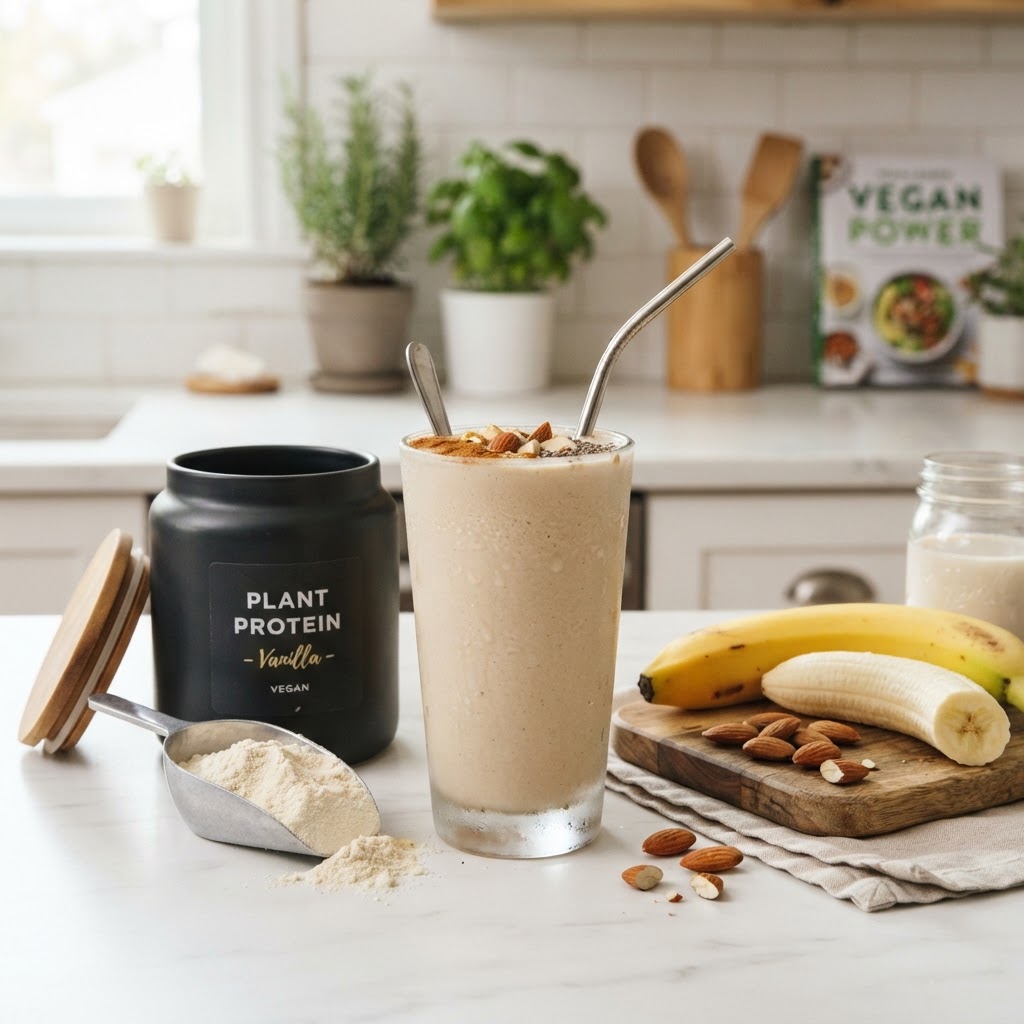
Buy Vegan Protein Powder
Looking to buy vegan protein powder? Discover our comprehensive guide on choosing the best plant-based supplements to meet your fitness and health goals.
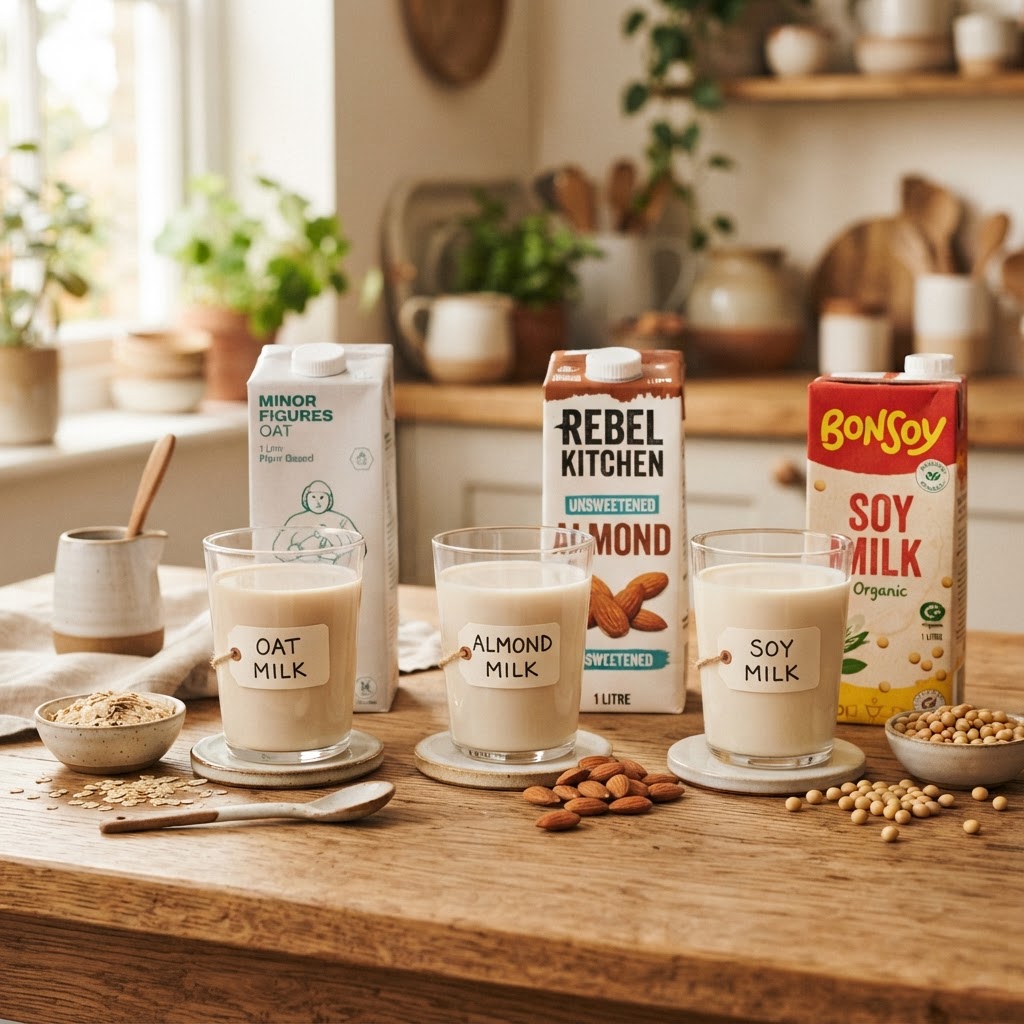
Plant-based Milk Brands
Explore the best plant-based milk brands in this comprehensive guide. From almond to oat, discover the perfect dairy alternative for your diet and lifestyle.
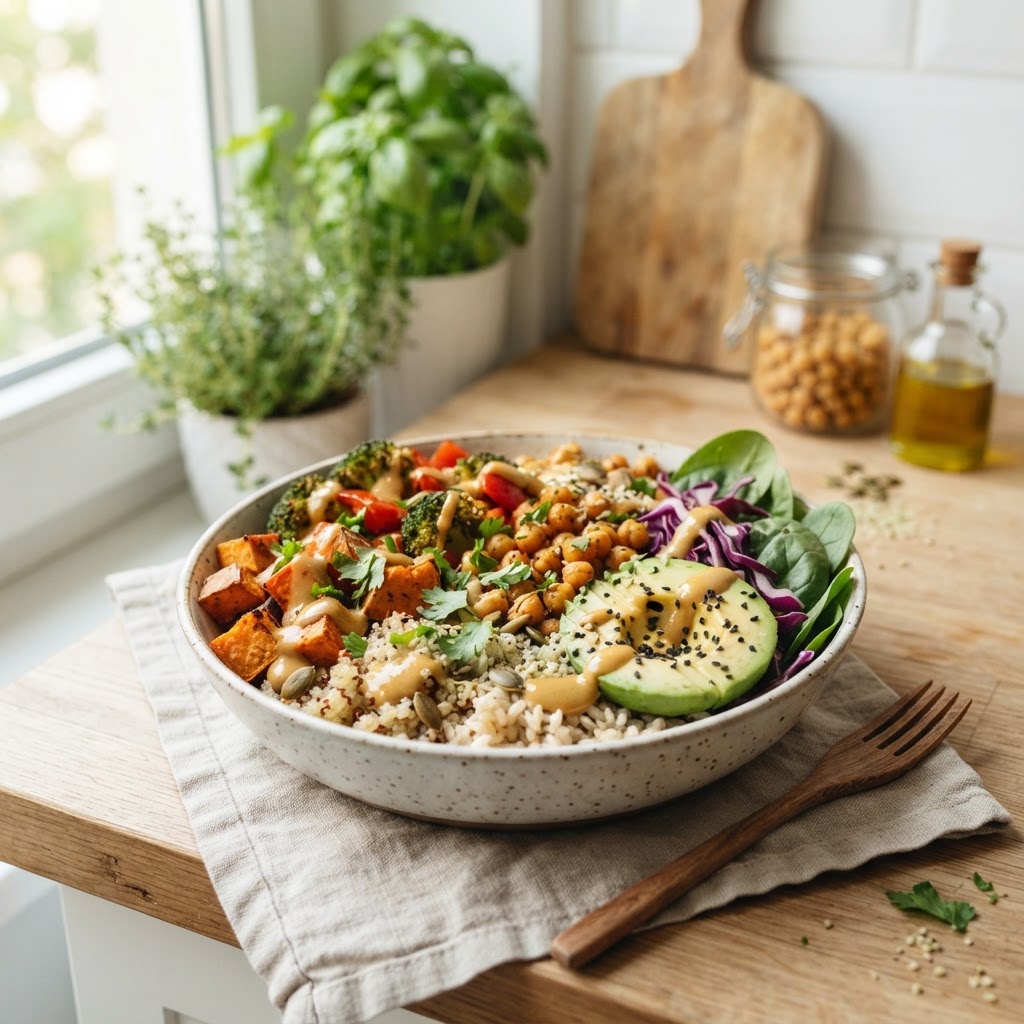
Easy Vegan Recipes
Discover delicious and easy vegan recipes perfect for beginners. From quick weeknight dinners to healthy snacks, simplify your plant-based journey today.
Tofu Preparation Guide
Master tofu preparation with our expert guide. Learn how to press, season, and cook perfect, crispy, and flavorful tofu for any vegan meal.
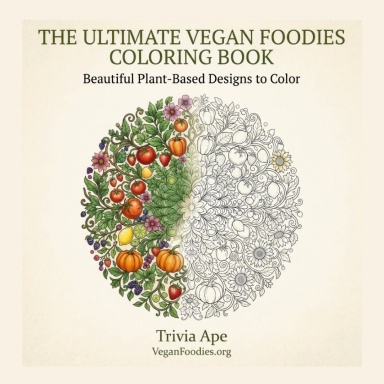
The Ultimate Vegan Foodies Coloring Book
Beautiful Plant-Based Designs to Color
Relax and unwind with beautifully detailed illustrations inspired by fruits, vegetables, herbs, flowers, and wholesome plant-based living. Perfect for stress relief, mindfulness, and creative fun.
by Trivia Ape