Vegan Fiber Rich Foods
Fiber is a vegan superpower. These 15 foods will keep your gut happy, your heart healthy, and your appetite satisfied.
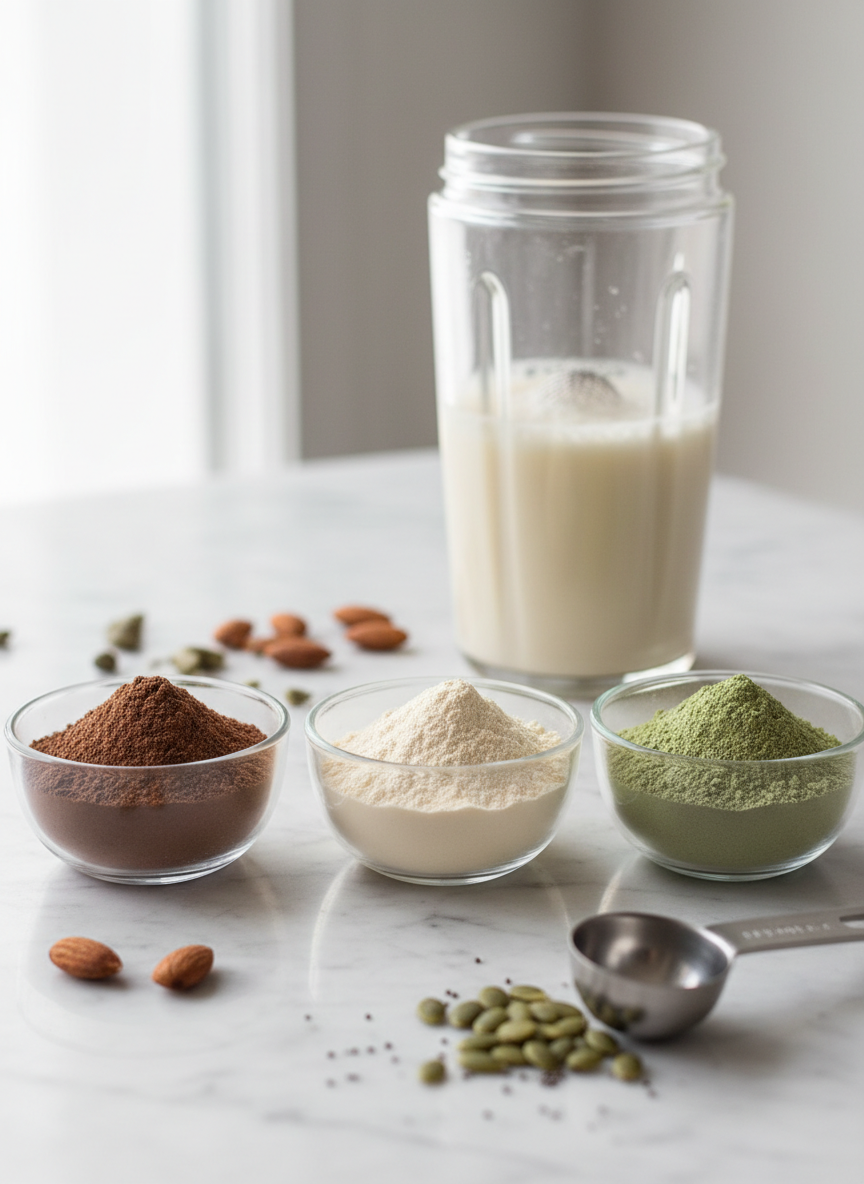
Vegan Fiber Rich Foods
Incorporating a variety of plant-based whole foods into your daily meals is the most effective way to optimize your fiber intake for improved digestion and long-term health.
Table of Contents
- The Importance of Fiber for Vegans
- Legumes: The Powerhouses of Fiber
- Whole Grains for Sustained Energy
- High-Fiber Fruits and Vegetables
- Seeds and Nuts: Nutrient-Dense Additions
- Fiber Comparison Table
- Practical Meal Prep Strategies
- Tips for Increasing Fiber Intake Safely
- Common Mistakes to Avoid
- Frequently Asked Questions
- Key Takeaways
- Related Articles
- Newsletter
- Conclusion
The Importance of Fiber for Vegans
Fiber is a crucial component of a plant-based diet, offering significant benefits for digestive health, blood sugar regulation, and cardiovascular function. While a vegan diet is naturally higher in fiber than an omnivorous one, it is still important to understand which foods provide the most density and how to diversify your intake. Consuming enough fiber helps maintain healthy gut microbiota and promotes regular bowel movements. By focusing on whole, unprocessed plants, vegans can easily exceed the recommended daily intake, setting a strong foundation for a healthy lifestyle. This guide explores the best sources of dietary fiber available in the plant kingdom.
Beyond basic digestion, fiber acts as a prebiotic, serving as fuel for the beneficial bacteria in your microbiome. A thriving microbiome is linked to improved immune function, better mental clarity, and even weight management. When your gut bacteria ferment fiber, they produce short-chain fatty acids like butyrate, which possess anti-inflammatory properties that protect the lining of your colon.
Legumes: The Powerhouses of Fiber
Legumes, including beans, lentils, and chickpeas, are arguably the champions of vegan fiber. They offer an incredible balance of complex carbohydrates, protein, and dietary fiber that keep you feeling full for hours. Integrating these into soups, stews, and salads is a simple way to boost your daily nutrient profile significantly.
Lentils are particularly versatile, cooking quickly and absorbing flavors beautifully in curries or as a base for hearty pasta sauces. Black beans and kidney beans are staples for Mexican-inspired dishes like tacos and burrito bowls. To get the most out of legumes, opt for dried varieties soaked overnight or high-quality canned options rinsed thoroughly to reduce sodium content.
Pro Tip: To reduce the flatulence that some people experience with beans, try adding a strip of kombu (seaweed) to the soaking or cooking water. The enzymes in the seaweed help break down the complex sugars that are often the culprits behind digestive discomfort.
Whole Grains for Sustained Energy
Choosing whole grains over refined carbohydrates is essential for anyone on a vegan diet. Whole grains retain the bran and germ, which house the majority of their fiber content. Incorporating grains like quinoa, farro, and rolled oats provides sustained energy without the spikes in blood sugar associated with processed white flour. Quinoa is a complete protein, making it a perfect base for grain bowls, while barley adds a wonderful chewiness to vegetable soups. When selecting bread or pasta, always check the label for "whole grain" or "whole wheat" as the first ingredient to ensure you are reaping the full nutritional benefits.
Experimenting with ancient grains like teff or millet can also add variety to your diet. Teff is exceptionally high in calcium and fiber, making it an excellent addition to morning porridge. By rotating these grains, you ensure that you are getting a wide spectrum of phytonutrients, not just fiber.
High-Fiber Fruits and Vegetables
Fruits and vegetables are the foundation of any vegan pantry, and many are fiber powerhouses. Berries, such as raspberries and blackberries, contain more fiber per gram than most other fruits. Leafy greens like kale and Swiss chard, while lower in calories, provide essential roughage that supports digestive health. Vegetables like artichokes, broccoli, and Brussels sprouts are excellent choices for dinner side dishes. When eating fruits, it is best to consume them whole rather than juiced, as the fiber is located in the flesh and skin of the fruit, which is often stripped away during juicing processes.
Consider the "color spectrum" rule: aim for at least three different colors of vegetables in every meal. This helps ensure you are consuming a diverse profile of fibers. For instance, the skin of a sweet potato provides insoluble fiber, while the flesh provides soluble fiber, making it a complete package for digestive health.
Seeds and Nuts: Nutrient-Dense Additions
While seeds and nuts are often associated with healthy fats, they are also impressive sources of fiber. Chia seeds and flaxseeds are particularly high in soluble fiber, which can help regulate digestion. These small additions can be easily sprinkled over oatmeal, blended into smoothies, or stirred into plant-based yogurt.
Almonds and pistachios also offer a satisfying crunch and a boost of fiber. However, because they are calorically dense, they are best consumed in moderation. Aim for a small handful per day as a snack, or use them as a topping for salads and roasted vegetable dishes to add both texture and nutrition.
Expert Advice: For optimal omega-3 and fiber absorption, grind your flaxseeds before consuming them. The outer hull of a flaxseed is incredibly tough, and if eaten whole, it may pass through your digestive system undigested, preventing you from reaping its nutritional benefits.
Fiber Comparison Table
| Food Item | Serving Size | Fiber (approx. grams) |
|---|---|---|
| Lentils (cooked) | 1 cup | 15.5g |
| Black Beans (cooked) | 1 cup | 15.0g |
| Raspberries | 1 cup | 8.0g |
| Chia Seeds | 2 tbsp | 9.8g |
| Quinoa (cooked) | 1 cup | 5.0g |
| Broccoli (steamed) | 1 cup | 5.1g |
| Pear (with skin) | 1 medium | 5.5g |
| Avocado | 1 medium | 10.0g |
Practical Meal Prep Strategies
Maximizing fiber intake is significantly easier when you have a plan. The "Batch Cooking" method is highly effective for busy vegans. Dedicate two hours on Sunday to boiling a large pot of brown rice or quinoa and simmering a batch of chickpeas or black beans. Having these pre-cooked staples in your refrigerator allows you to toss together a fiber-rich salad or grain bowl in less than five minutes during the work week.
Storage tip: Always store your seeds and nuts in an airtight container in a cool, dark place or the refrigerator to prevent the healthy oils from going rancid. For cooked grains and legumes, they can be stored in the freezer for up to three months in portion-sized containers, making it easy to grab-and-go for quick lunches.
Tips for Increasing Fiber Intake Safely
The most important tip for increasing fiber is to do so gradually while simultaneously increasing water intake. Fiber absorbs water as it moves through the digestive tract; without sufficient hydration, a sudden spike in fiber can lead to bloating, gas, or discomfort. Aim to increase your intake by only a few grams per day.
Additionally, diversify your sources. Different plants offer different types of fiber, including soluble and insoluble varieties. By rotating through various legumes, grains, fruits, and vegetables, you ensure your gut microbiome remains diverse and resilient. Listen to your body and adjust as needed. If you find yourself experiencing discomfort, scale back your intake slightly and focus on cooked vegetables instead of raw until your digestive system adapts.
Common Mistakes to Avoid
Many people make the mistake of relying solely on one type of fiber-rich food, such as eating only oatmeal every single morning. This lacks the variety needed for optimal gut health. Furthermore, relying on processed "high-fiber" snacks or protein bars can introduce unwanted additives and preservatives that detract from your health goals. Read ingredient lists carefully; if the fiber has been added as an "isolated fiber" (like chicory root or inulin), it may cause more gas than fiber naturally occurring in whole foods.
Another common error is failing to eat the skin of fruits and vegetables. For many plants like apples, pears, and potatoes, the skin is where a significant portion of the fiber is concentrated. Peeling them may make them easier to digest for some, but it drastically lowers the nutritional payoff.
Frequently Asked Questions
Q1: Is it possible to get too much fiber on a vegan diet? A1: Yes, consuming an excessive amount of fiber too quickly can cause digestive distress. It is best to increase your intake slowly to allow your gut to adapt.
Q2: Do I need a fiber supplement if I am vegan? A2: If you are consuming a wide variety of whole plant foods, you likely do not need a supplement. Supplements should only be used under the guidance of a healthcare professional.
Q3: Does cooking vegetables destroy the fiber? A3: Generally, no. Cooking makes fiber easier to digest for many people, though it may change the texture and nutrient profile of the vegetable.
Q4: What is the difference between soluble and insoluble fiber? A4: Soluble fiber dissolves in water to form a gel-like substance, aiding in cholesterol control, while insoluble fiber adds bulk to the stool, promoting regularity.
Q5: Can I get enough fiber if I follow a gluten-free vegan diet? A5: Absolutely. Many gluten-free grains, such as quinoa, amaranth, brown rice, and buckwheat, are excellent sources of fiber. Focus on these over processed gluten-free flours.
Q6: How does caffeine affect fiber digestion? A6: Caffeine is a stimulant that can increase bowel motility. When combined with a high-fiber diet, it can sometimes lead to faster transit times. If you notice digestive urgency, monitor your coffee consumption alongside your fiber intake.
Key Takeaways
- Prioritize whole plant foods like legumes, grains, and seeds over processed alternatives.
- Increase your fiber intake slowly and ensure you are drinking plenty of water to help fiber move through your system.
- Aim for a diverse intake to support a healthy gut microbiome; try to eat at least 30 different plant foods per week.
- Don't peel your fruits and vegetables whenever possible to retain the maximum amount of fiber.
- Consider batch cooking grains and legumes to ensure you always have a high-fiber foundation for your meals.
Related Articles
- How to Transition to a Vegan Diet Successfully
- The Best Plant-Based Protein Sources
- Gut Health and the Vegan Diet
Newsletter
Stay updated with the latest plant-based research, meal planning guides, and delicious, fiber-rich recipes delivered directly to your inbox. Join our community of food enthusiasts by signing up for our weekly newsletter today.
Conclusion
Optimizing your diet with fiber-rich vegan foods is a powerful step toward long-term wellness. By focusing on whole, unprocessed ingredients like lentils, grains, and fresh produce, you can support your digestive system and boost your overall health. Start by adding one or two new fiber-rich items to your grocery list this week and notice the positive impact on your energy levels and digestion. We hope this guide empowers you to make informed decisions at the grocery store and in the kitchen. Remember that health is a journey, and consistent, small changes are the secret to lasting results. Whether you are a long-time vegan or just beginning your journey, prioritize the "whole food" approach to ensure your body receives the fiber it needs to thrive.
Enjoying this guide?
Browse our favorite recommended vegan products and kitchen essentials.
View Recommended Products →You Might Also Like
Vegan Butter Alternatives
Discover the best vegan butter alternatives for baking, cooking, and spreading. Learn how to choose the right plant-based fat for your kitchen needs today.
Vegan Brownie Recipe
Indulge in the ultimate rich, fudgy, and decadent vegan brownie recipe. Easy to make, plant-based, and perfect for satisfying your sweet tooth cravings today.
Affordable Vegan Meals
Eat well for less with our guide to affordable vegan meals. Discover budget-friendly pantry staples, simple recipes, and tips to save money on a plant-based diet.
Immersion Blender vs Stand
Choosing between an immersion blender vs stand mixer? Our guide breaks down the pros, cons, and best uses to help you decide which tool fits your kitchen needs.
The Ultimate Vegan Foodies Coloring Book
Beautiful Plant-Based Designs to Color
Relax and unwind with beautifully detailed illustrations inspired by fruits, vegetables, herbs, flowers, and wholesome plant-based living. Perfect for stress relief, mindfulness, and creative fun.
by Trivia Ape