High Protein Vegan Foods: A Comprehensive Guide to Plant-Powered Nutrition
Worried about protein on a plant-based diet? These 20 high-protein vegan foods will keep you full, fueled, and satisfied — with practical meal ideas for every one of them.
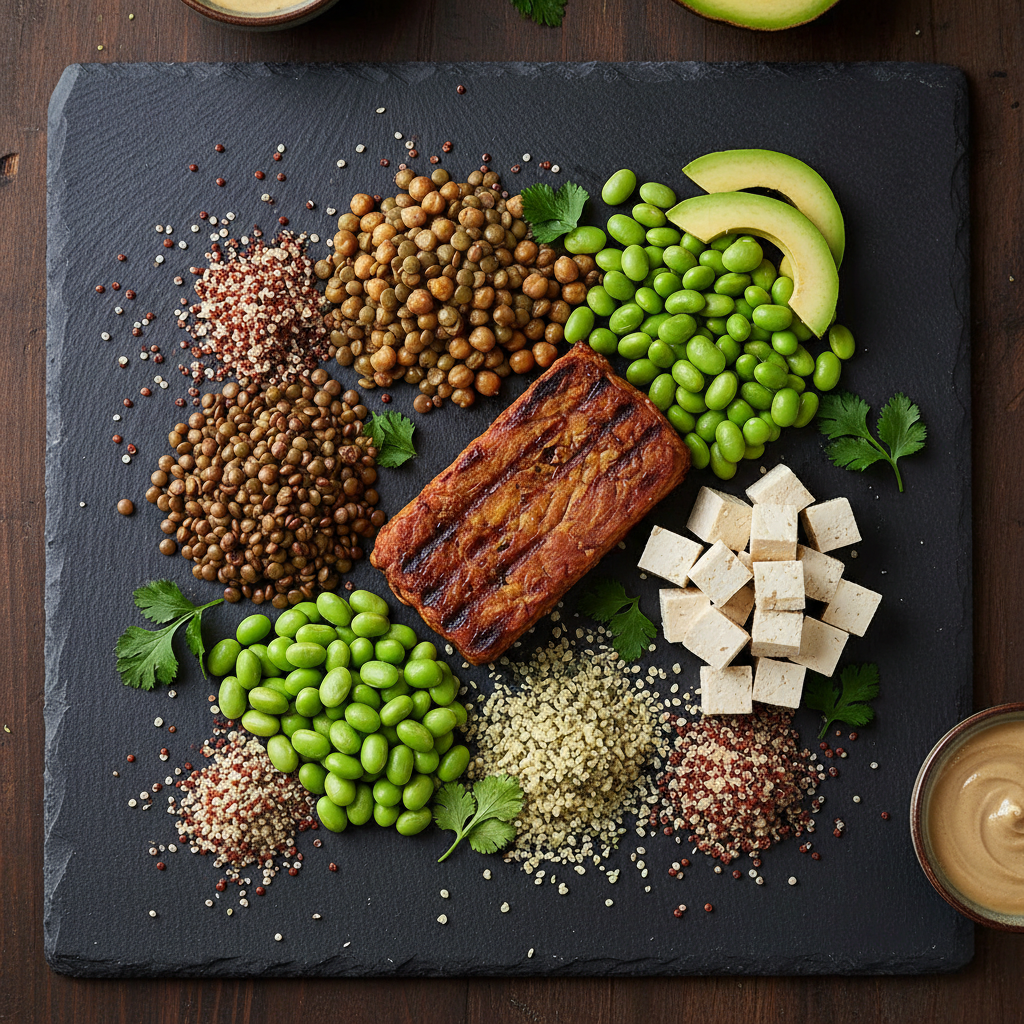
High Protein Vegan Foods: A Comprehensive Guide to Plant-Powered Nutrition
Discover the most nutrient-dense high protein vegan foods to power your plant-based lifestyle, build muscle, and keep you satisfied throughout the day.
Table of Contents
- Understanding Vegan Protein Needs
- Legumes: The Powerhouse Proteins
- Soy Products: Versatile and Complete
- Seeds and Nuts: Nutrient-Dense Energy
- Grains: More Than Just Carbohydrates
- Seitan and Wheat Gluten
- Strategies for Meal Prep and Storage
- Tips for Optimal Protein Absorption
- Common Protein Myths to Avoid
- High-Protein Food Comparison Table
- Frequently Asked Questions
- Related Articles
Understanding Vegan Protein Needs
Many people transitioning to a plant-based diet worry about meeting their protein requirements. However, with thoughtful planning, it is entirely possible to meet and exceed your daily protein intake goals using only whole-food, plant-based sources. Protein is composed of amino acids, and while plant proteins are sometimes labeled "incomplete," consuming a variety of plant foods ensures you receive all the essential amino acids your body needs to thrive. The key is to look at your total intake over a 24-hour period rather than obsessing over the amino acid profile of a single meal.
Protein needs vary based on your activity level, muscle-building goals, and metabolic rate. For most individuals, incorporating a diverse range of legumes, whole grains, nuts, and seeds provides an ample supply. Understanding the density of these foods helps in building balanced meals that fuel performance and recovery without relying on processed supplements or powders. Active individuals should aim for roughly 1.2 to 1.6 grams of protein per kilogram of body weight to support tissue repair and muscle maintenance.
Legumes: The Powerhouse Proteins
Legumes, including lentils, chickpeas, and various beans, are the cornerstone of a high-protein vegan diet. Lentils are particularly impressive, offering about 18 grams of protein per cooked cup. They are incredibly versatile, finding their home in soups, stews, and salads, making them an essential staple for easy vegan meal prep. To maximize the protein yield, consider sprouting your lentils before cooking; this process can slightly increase bioavailability and improve digestibility.
Chickpeas and black beans are also exceptional choices, providing not just protein but significant amounts of dietary fiber. Integrating vegan lentil recipes or using beans in rainbow power bowls can turn a simple meal into a muscle-supporting feast. Pro tip: Always keep a stash of canned beans in your pantry, but remember to rinse them thoroughly to reduce sodium and minimize gas-producing compounds. For those preparing beans from scratch, soaking them for 8-12 hours in water with a pinch of baking soda can significantly reduce cooking time and improve the texture of the skins.
Soy Products: Versatile and Complete
Soy is unique in the plant kingdom because it is a complete protein, meaning it contains all nine essential amino acids in appropriate proportions. Tofu, tempeh, and edamame are primary examples. Tempeh, a fermented soy product, is particularly rich in protein and probiotics, offering a firm texture that works beautifully in tempeh recipes. Because it is fermented, tempeh is often easier on the digestive system compared to standard tofu.
Cooking techniques like pressing your tofu before frying can result in a crispy tofu recipe that rivals any restaurant dish. Edamame, young soybeans, make an excellent snack or an addition to salads, providing a quick protein boost with a satisfying crunch. When choosing soy, look for organic options to ensure quality, and experiment with different tofu firmness levels—extra firm is best for stir-fries, while silken tofu is excellent for creating high-protein sauces or creamy vegan desserts.
Seeds and Nuts: Nutrient-Dense Energy
While they are often thought of as healthy fats, nuts and seeds contribute a meaningful amount of protein to your daily intake. Hemp seeds, chia seeds, and pumpkin seeds are particularly high in protein. A simple addition of hemp hearts to your morning oats can add 10 grams of protein to your breakfast. Unlike many other plant foods, hemp seeds offer a very balanced ratio of Omega-3 to Omega-6 fatty acids, adding an extra layer of health benefit to your daily diet.
Walnuts, almonds, and pistachios also pack a nutritional punch. When planning your vegan grocery list for beginners, stocking up on a variety of raw nuts and seeds ensures you have convenient sources of healthy fats and amino acids ready for snacking or topping meals. To avoid rancidity, store raw nuts and seeds in an airtight container in the refrigerator or freezer, especially during the warmer months, to preserve their nutrient density and flavor profile.
Grains: More Than Just Carbohydrates
Ancient grains like quinoa and amaranth are excellent sources of protein. Quinoa, often referred to as a superfood, contains all nine essential amino acids and provides about 8 grams of protein per cooked cup. It serves as a perfect base for vegan grain bowls with roasted veggies. Oats, wild rice, and spelt also offer more protein than standard refined grains. By choosing whole grains over processed white flours, you increase the nutrient density of every meal, supporting sustained energy levels throughout the day.
Consider incorporating buckwheat, which is technically a seed but prepared like a grain, to your pantry. It is gluten-free and higher in protein than white rice. When cooking these grains, try toasting them in a dry pan before adding water; this brings out a nutty flavor that elevates the overall profile of your grain bowls or savory porridge dishes.
Seitan and Wheat Gluten
Seitan, made from wheat gluten, is a "meat substitute" that is incredibly high in protein, often containing 25 grams or more per 3.5-ounce serving. It has a chewy, satisfying texture that makes it perfect for stir-fries and sandwiches. If you are learning how to eat vegan without missing meat or dairy, seitan is a game-changer. It is made by rinsing wheat flour dough with water until all the starch granules have been removed, leaving only the sticky, elastic insoluble gluten protein behind.
Because it is derived from wheat, it is not suitable for those with celiac disease or gluten sensitivities, but for others, it represents one of the most efficient ways to hit high protein targets on a plant-based diet. You can flavor seitan with soy sauce, garlic powder, onion powder, and smoked paprika to mimic the taste of chicken or beef in classic recipes.
Strategies for Meal Prep and Storage
To succeed with a high-protein vegan diet, preparation is your greatest asset. Dedicate one afternoon a week to batch-cooking your staples. For example, boil a large batch of quinoa, roast three blocks of tofu, and cook a hearty lentil stew. These can be portioned into glass containers for the next few days.
- Legume Storage: Cooked beans can be stored in the fridge for up to 4 days or frozen for up to 3 months. When reheating, add a tablespoon of water to prevent them from drying out.
- Grain Preservation: Grains are best stored in airtight containers. If they become slightly dry after refrigeration, a quick steam in the microwave with a damp paper towel restores their moisture.
- Nut Soaking: Soaking nuts like almonds for 6-8 hours before blending them into dressings or milk not only improves digestibility but also makes them creamier and easier to process in standard kitchen blenders.
Tips for Optimal Protein Absorption
To ensure your body makes the best use of the protein you consume, focus on variety and meal timing. Eating a wide array of plants throughout the day ensures you get a full spectrum of amino acids. Pairing your protein with vitamin C-rich foods, like bell peppers, broccoli, or citrus fruits, can significantly enhance the absorption of non-heme iron found in many vegan legumes and grains.
Consistency is key. Instead of trying to consume all your protein in one sitting, distribute it across three or four meals. This strategy supports steady muscle protein synthesis, especially if you are engaging in resistance training. Expert tip: If you work out, try to consume 20-30 grams of protein within two hours of your training session to jumpstart the recovery process.
Common Protein Myths to Avoid
One of the most persistent myths is that plant-based protein is inferior or that vegans cannot build muscle. Current research consistently shows that as long as total caloric and protein needs are met, plant-based athletes can build and maintain muscle just as effectively as omnivores. You do not need to combine specific foods at every single meal to get "complete" proteins; your body maintains an amino acid pool throughout the day. Another common mistake is neglecting total caloric intake; if you are training hard, you must eat enough overall calories, or your body may burn the protein you eat for energy rather than using it for tissue repair.
High-Protein Food Comparison Table
| Food Item | Protein per 100g (approx) | Key Nutrient Profile |
|---|---|---|
| Seitan | 25g | Iron, Selenium |
| Tempeh | 19g | Probiotics, Manganese |
| Lentils (cooked) | 9g | Fiber, Folate |
| Tofu | 8g | Calcium, Magnesium |
| Quinoa (cooked) | 4.5g | Manganese, Phosphorus |
| Hemp Seeds | 31g | Omega-3, Magnesium |
Frequently Asked Questions
Q1: Do I need to track every gram of protein I eat? A1: Most people don't need to track every gram. Focus on incorporating a protein source at every meal to ensure you hit your daily goals easily. If you feel tired or notice slower workout recovery, tracking for a week can provide clarity on where you might need to add more volume.
Q2: Is soy really safe to eat daily? A2: Yes, for the vast majority of people, moderate daily consumption of whole soy foods like tofu and tempeh is safe and highly beneficial. Soy is nutrient-dense and contains isoflavones that may offer long-term health benefits.
Q3: What is the best post-workout vegan meal? A3: Something with a balance of carbohydrates and protein, like a chocolate peanut butter protein smoothie, is excellent for recovery. The carbs replenish glycogen stores, while the protein repairs muscle fibers.
Q4: Are plant-based proteins harder to digest? A4: Some legumes contain compounds that can cause gas, but soaking and rinsing your beans, or eating them regularly, often helps your digestive system adapt. Starting with smaller portions of beans and gradually increasing them over a few weeks can also minimize discomfort.
Q5: Can I get enough protein on a vegan diet without protein powder? A5: Absolutely. Protein powders are a convenience, not a requirement. By consistently eating lentils, beans, tofu, and nuts, you can meet high-performance protein targets entirely through whole food sources.
Q6: How can I make my tofu taste less "bland"? A6: Tofu is a blank canvas. To maximize flavor, always press it to remove excess water, then marinate it in a mixture of tamari, ginger, garlic, and a hint of maple syrup before baking or air-frying at 400°F (200°C) until crispy.
Related Articles
- Best Vegan Protein Sources
- Vegan Nutrition Mistakes
- Plant Based Nutrition
- High Protein Vegan Breakfasts
Newsletter
Stay updated with our latest plant-based guides, healthy recipes, and nutrition tips. Join our community by signing up for the Vegan Foodies newsletter today and transform your kitchen into a hub of health.
Conclusion
Achieving high protein intake on a vegan diet is not only simple but also incredibly delicious. By diversifying your intake with legumes, soy, whole grains, and seeds, you provide your body with everything it needs to perform at its best. Start by integrating these whole-food staples into your weekly routine, and you will quickly see how easy it is to fuel your plant-powered lifestyle. The beauty of this approach is that it prioritizes fiber, antioxidants, and essential vitamins alongside protein, creating a synergistic effect that processed diets simply cannot match. Whether you are aiming to build muscle, recover from workouts, or simply improve your overall health, these high-protein foods are your best allies. Take the time to experiment with new cooking techniques, try different seasoning profiles, and enjoy the abundance of flavor that a protein-rich plant-based diet offers.
Enjoying this guide?
Browse our favorite recommended vegan products and kitchen essentials.
View Recommended Products →You Might Also Like
Vegan Butter Alternatives
Discover the best vegan butter alternatives for baking, cooking, and spreading. Learn how to choose the right plant-based fat for your kitchen needs today.
Vegan Brownie Recipe
Indulge in the ultimate rich, fudgy, and decadent vegan brownie recipe. Easy to make, plant-based, and perfect for satisfying your sweet tooth cravings today.
Affordable Vegan Meals
Eat well for less with our guide to affordable vegan meals. Discover budget-friendly pantry staples, simple recipes, and tips to save money on a plant-based diet.
Immersion Blender vs Stand
Choosing between an immersion blender vs stand mixer? Our guide breaks down the pros, cons, and best uses to help you decide which tool fits your kitchen needs.
The Ultimate Vegan Foodies Coloring Book
Beautiful Plant-Based Designs to Color
Relax and unwind with beautifully detailed illustrations inspired by fruits, vegetables, herbs, flowers, and wholesome plant-based living. Perfect for stress relief, mindfulness, and creative fun.
by Trivia Ape