High Protein Vegan Breakfasts
Start your day strong with these protein-packed vegan breakfast ideas — all with 20g+ protein.
📋 Recipe
Ingredients
- 11 block firm tofu
- 21 tbsp nutritional yeast
- 31/2 tsp turmeric
- 41/4 tsp black salt (kala namak)
- 51 cup mixed vegetables (bell pepper, spinach, onion)
- 61 tsp olive oil
Instructions
- 1
Heat olive oil in a pan over medium heat.
- 2
Crumble tofu into the pan with your hands for a scrambled egg texture.
- 3
Add turmeric, nutritional yeast, and black salt. Stir well.
- 4
Add vegetables and cook 5-7 minutes until veggies are tender.
- 5
Season with pepper and serve with toast or in a breakfast burrito.
Nutrition (per serving)
16g
fat
5g
fiber
320
calories
18g
carbs
24g
protein
High Protein Vegan Breakfasts
Start your day with sustained energy by incorporating these nutrient-dense, high-protein vegan breakfast options into your morning routine.
Table of Contents
- Why Protein Matters for Vegan Breakfasts
- The Best Plant-Based Protein Sources
- Quick and Easy High Protein Ideas
- Deep Dive: Maximizing Nutritional Absorption
- Understanding Protein Quality and Amino Acids
- Meal Prep Strategies for Busy Mornings
- Comparison of Protein Sources
- Common Mistakes to Avoid
- Frequently Asked Questions
- Related Articles
- Newsletter
Why Protein Matters for Vegan Breakfasts
Starting your day with a high-protein meal is essential for maintaining stable blood sugar levels and keeping you satisfied until lunch. Many traditional vegan breakfasts are carbohydrate-heavy, leading to mid-morning energy crashes. By focusing on high protein vegan foods, you ensure your body has the amino acids necessary for muscle maintenance and satiety.
Protein isn't just about athletic performance; it is a fundamental building block for every cell in your body. When you prioritize protein in the morning, you are setting a foundation for better focus and consistent hunger management throughout the day. Integrating these habits early in your transition to plant based nutrition can drastically change how you feel. Research suggests that high-protein breakfasts may even help regulate appetite-suppressing hormones like ghrelin, making you less likely to experience late-afternoon snacking urges.
Furthermore, dietary protein has a higher thermic effect than fats or carbohydrates, meaning your body burns more energy to digest it. By front-loading your protein intake, you kickstart your metabolism early, providing a steady stream of energy that prevents the dreaded 'brain fog' that often hits mid-morning after a sugary, low-protein meal.
The Best Plant-Based Protein Sources
To maximize your morning intake, look toward legumes, seeds, and fortified products. Tofu, tempeh, and seitan are excellent, while hemp seeds, chia seeds, and flaxseeds add protein and omega-3 fatty acids. You can also explore best vegan protein sources to diversify your pantry.
Incorporating these staples is simple. Whether it is blending silken tofu into a smoothie or using nutritional yeast uses: the ultimate guide to the vegan superfood to add a savory, cheesy flavor to a tofu scramble, the options are endless. Even small additions like a tablespoon of hemp hearts on oatmeal can push a standard breakfast into high-protein territory. Consider adding pumpkin seeds to your yogurt or using black beans in a breakfast wrap for an extra 7-10 grams of protein.
Pro Tips for Ingredient Selection:
- Soy Power: Firm tofu should be pressed to remove excess water for a meatier texture.
- Seed Rotation: Keep flax, chia, and hemp in the freezer to prevent the healthy oils from going rancid, which preserves their nutritional potency.
- Fortified Grains: Opt for sprouted grain breads or wraps; they often contain more protein and are easier to digest than standard refined white breads.
Quick and Easy High Protein Ideas
If you are short on time, consider pre-made options or quick swaps. A chocolate peanut butter protein smoothie provides a fast, portable option that doesn't sacrifice nutritional density. You can also prepare savory options like breakfast tacos using leftover black beans.
For those who prefer cooked meals, a tofu scramble with spinach and turmeric is a classic. Pair it with whole-grain toast to ensure a complete amino acid profile. Taking the time to understand easy plant based swaps everyday meals will make these quick breakfasts feel natural rather than forced. Try a "Power Porridge" by cooking your oats with soy milk instead of water and stirring in a scoop of vegan protein powder at the end. Another simple idea is "savory avocado toast" topped with toasted chickpeas or hemp seeds.
Step-by-Step: The Perfect Tofu Scramble
- Press: Use a tofu press or heavy books on paper towels to remove moisture from a block of extra-firm tofu for 15 minutes.
- Crumble: Use your hands to break the tofu into bite-sized chunks in a hot, oiled skillet.
- Season: Add 1 tsp turmeric, 1/2 tsp kala namak (black salt for an 'eggy' flavor), and 2 tbsp nutritional yeast.
- Add Veg: Stir in two handfuls of fresh spinach or kale, cooking until just wilted.
- Serve: Garnish with fresh chives and serve atop a slice of seeded whole-grain toast for a complete protein meal.
Deep Dive: Maximizing Nutritional Absorption
While eating protein is important, absorbing it is equally critical. To get the most out of your vegan morning meals, consider pairing your plant-based proteins with vitamin C-rich foods. For example, if you are eating a lentil-based breakfast stew or a tofu scramble, adding a squeeze of fresh lemon juice or serving with fresh bell peppers can increase your absorption of non-heme iron, which often accompanies protein-rich legumes.
Additionally, be mindful of antinutrients like phytates found in many legumes and grains. Soaking or sprouting your beans and grains before cooking significantly reduces these compounds, making it easier for your body to access the amino acids locked within the plant cell walls. If you are using store-bought protein powders, check the label for added digestive enzymes; these are particularly useful for those who find that a high-fiber, high-protein diet causes initial bloating as their digestive tract adjusts to increased intake.
Understanding Protein Quality and Amino Acids
One common concern for vegans is the idea of "complete" proteins. While the human body is quite efficient at pooling amino acids throughout the day, it is helpful to ensure your breakfast contains a variety of sources. Legumes are typically high in lysine but lower in methionine, whereas grains are the opposite. By pairing a legume (like soy or beans) with a grain (like oats or whole-wheat bread), you create a superior protein profile. For instance, a hearty serving of black bean hash on toasted sourdough provides a robust amino acid profile. You don't need to stress over every single bite, but prioritizing variety ensures you're covering all your bases for muscle repair and metabolic health.
It is important to remember that the liver maintains an 'amino acid pool.' If you consume a grain at breakfast and a bean at lunch, your body will combine these amino acids effectively. You do not need to consume a perfectly complete protein in every single meal, but breakfast provides a convenient opportunity to hit a high protein target immediately upon waking, which can help prevent muscle catabolism if you performed a workout the previous evening.
Meal Prep Strategies for Busy Mornings
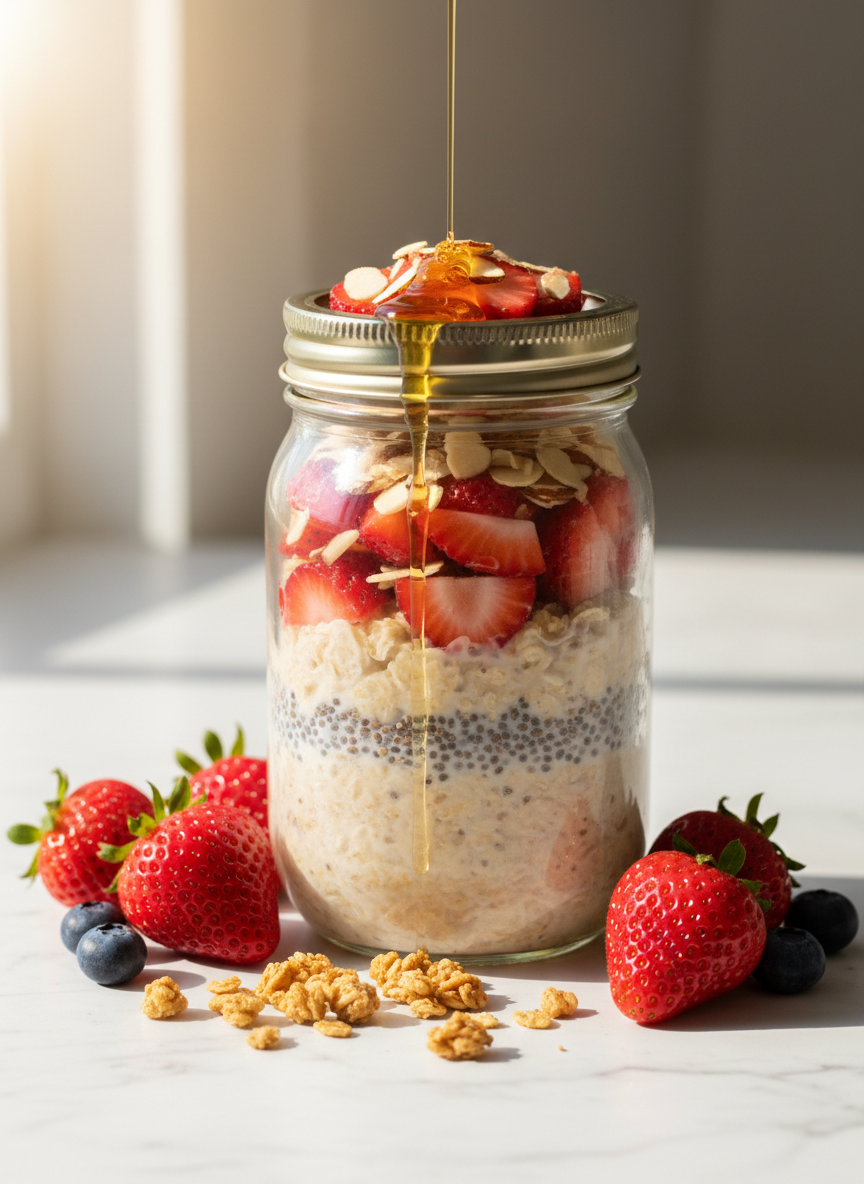
Planning ahead is the secret to consistency. Many easy vegan meal prep ideas focus on lunches and dinners, but your morning needs the same level of attention. Preparing overnight oats with pea protein or pre-portioning dry ingredients for smoothies can save you 15 minutes every morning.
Storage Tips for Lasting Freshness:
- Fridge Life: Cooked tempeh and tofu scrambles last for 3–4 days in an airtight container.
- Freezing Muffins: Bake high-protein chickpea flour muffins in batches, wrap individually, and freeze. They thaw perfectly in the microwave in 60 seconds.
- Soaking Station: Keep a mason jar of overnight oats in the fridge pre-mixed with chia seeds and soy milk; just add your fresh fruit or protein powder topping in the morning.
Dedicate time during your weekly vegan meal prep sunday session to boil beans, press tofu, or bake a batch of muffins. By organizing your vegan pantry staples: the ultimate guide to building your kitchen, you ensure that your high-protein components are always within reach, making it easier to assemble a meal even on your busiest days. Store cooked tempeh in the fridge for a quick crumble, or portion out hemp seeds into small jars for easy access. Pro tip: Cook a batch of quinoa or amaranth over the weekend to use as a protein-rich base for savory breakfast bowls throughout the week.
Comparison of Protein Sources
| Source | Protein per 1/2 Cup | Best Used In | Note |
|---|---|---|---|
| Firm Tofu | 10g | Scrambles, hashes | High satiety index |
| Tempeh | 15g | Sautéed breakfast sides | Fermented for gut health |
| Hemp Seeds | 5g (per 2 tbsp) | Smoothies, oatmeal | Rich in Omega-3s |
| Chickpeas | 7g | Savory breakfast bowls | Great fiber source |
| Lentils | 9g | Breakfast stews/hashes | Versatile and cheap |
| Seitan | 20g | Breakfast sandwiches | Very high protein density |
Common Mistakes to Avoid
One of the most common pitfalls is over-relying on "fake" processed meats. While convenient, they are often high in sodium and additives. Instead, focus on whole food sources like lentils or soy. Another mistake is ignoring fiber; pair your protein with fiber-rich foods to keep digestion healthy. If you are consuming a protein shake, ensure you add a source of fiber, such as flax meal or berries, to keep your blood sugar stable.
Furthermore, avoid the "liquid-only" trap; if your breakfast is solely a smoothie, you might miss the satiety-inducing benefits of chewing, which signals to your brain that you have actually eaten a meal. Research indicates that mechanical digestion through chewing helps release satiety hormones, leaving you feeling more satisfied than if you had consumed the same number of calories in liquid form.
Lastly, don't get stuck in a rut. Even the best high protein vegan foods can become boring if eaten every day. Rotate your protein sources throughout the week to ensure you are getting a wide array of micronutrients alongside your protein. This variety is key to maintaining long-term interest in your meal plan.
Frequently Asked Questions
Q1: How much protein do I need for breakfast? A1: Most health experts recommend aiming for 20-30 grams of protein in the morning to optimize satiety and muscle health.
Q2: Are protein powders necessary for a vegan diet? A2: Not strictly necessary, but they are a very convenient tool for busy individuals who struggle to hit protein goals through whole foods alone.
Q3: Can I get enough protein from plants alone? A3: Yes, by eating a variety of legumes, grains, seeds, and vegetables, you can easily meet your daily protein requirements.
Q4: How do I keep my protein high without high calories? A4: Focus on high-volume, low-calorie foods like silken tofu, egg white alternatives (aquafaba), and leafy greens combined with moderate amounts of seeds.
Q5: Can I freeze my protein-rich breakfasts? A5: Absolutely. Tofu scrambles, protein-packed muffins, and even overnight oats with added protein powder can often be portioned and frozen for later use.
Q6: Should I track my macros? A6: Tracking can be helpful in the beginning to identify protein gaps in your diet, but once you learn which foods contain high protein, you can transition to intuitive eating.
Q7: Is it okay to eat protein before a workout? A7: Yes, consuming a moderate amount of protein with easily digestible carbohydrates 60 minutes before a workout can provide sustained energy.
Q8: What is the best way to add protein to oats? A8: You can stir in a tablespoon of peanut butter, a scoop of vegan protein powder, or a quarter-cup of soy milk and hemp hearts to significantly boost the total content.
Related Articles
Newsletter
Join our community of plant-based enthusiasts! Sign up for our weekly newsletter to receive fresh recipes, meal prep tips, and nutritional guides directly to your inbox. Stay inspired and keep your kitchen stocked with our expert advice.
Conclusion
Prioritizing high-protein vegan breakfasts is one of the most effective ways to boost your morning energy and support your long-term health. By integrating nutrient-dense whole foods and strategic meal prep into your routine, you can create satisfying meals that keep you full and focused all day long. Start small by experimenting with one or two of the ideas mentioned above, and watch how your morning routine transforms into a powerful, plant-powered experience. Remember that consistency is more important than perfection; finding options you genuinely enjoy is the surest way to stick with a high-protein lifestyle for the long haul.
Enjoying this guide?
Browse our favorite recommended vegan products and kitchen essentials.
View Recommended Products →You Might Also Like
Plant-based Supplements: A Complete Guide to Optimizing Your Vegan Nutrition
Explore the essential plant-based supplements to support your health. Learn what to look for in vitamins, minerals, and proteins to fuel your vegan lifestyle.
Vegan Air Fryer Recipes
Discover delicious, healthy, and easy vegan air fryer recipes. From crispy tofu to roasted vegetables, master your appliance with these plant-based meal ideas.
Vegan Comfort Food
Discover the best vegan comfort food recipes, from creamy pastas to hearty stews. Indulge in delicious, plant-based classics without the guilt!
Vegan Pantry Staples
Learn how to build a fully stocked vegan pantry. Discover essential dry goods, canned items, and healthy ingredients for delicious, plant-based cooking.
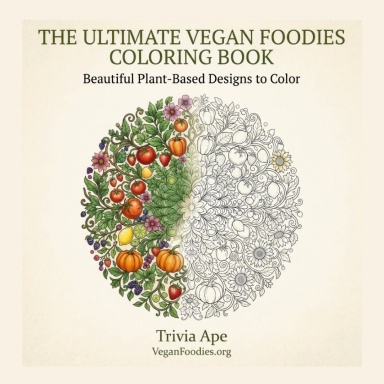
The Ultimate Vegan Foodies Coloring Book
Beautiful Plant-Based Designs to Color
Relax and unwind with beautifully detailed illustrations inspired by fruits, vegetables, herbs, flowers, and wholesome plant-based living. Perfect for stress relief, mindfulness, and creative fun.
by Trivia Ape