Weekly Vegan Meal Prep Sunday
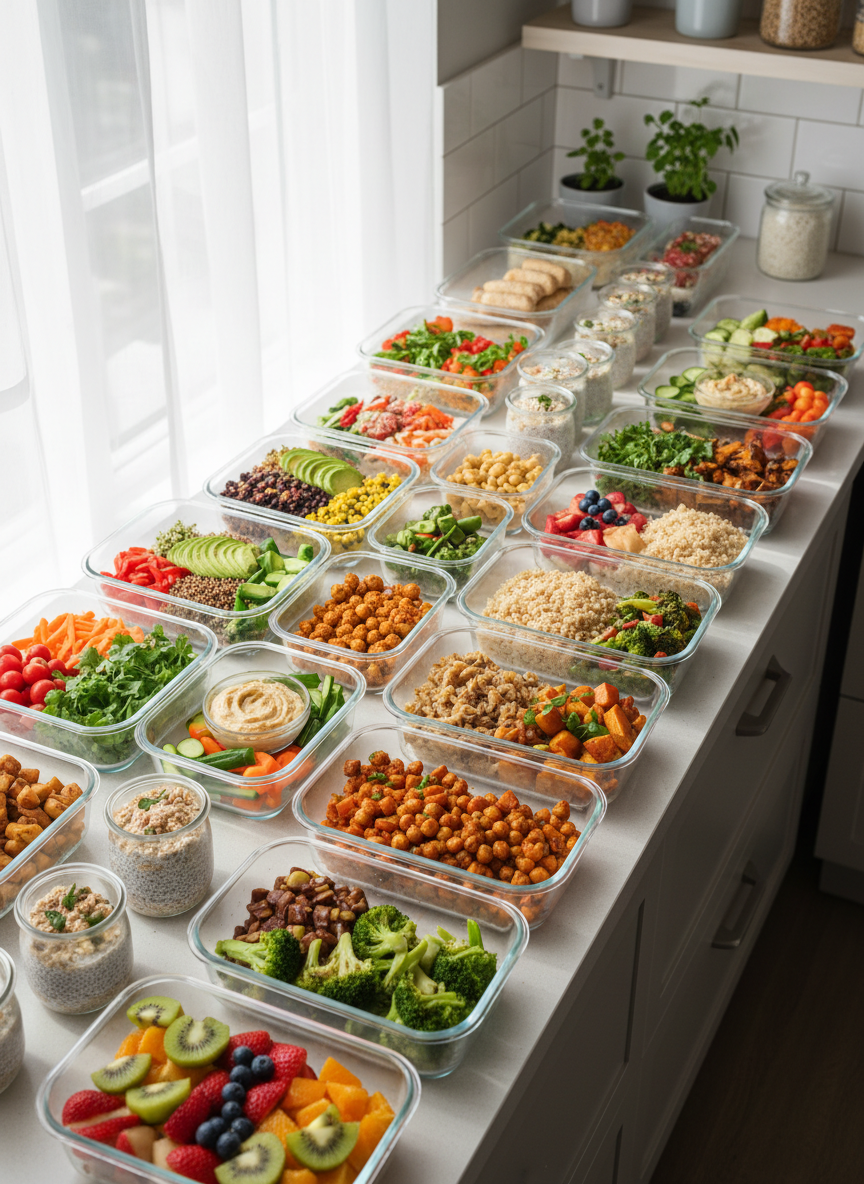
Our foolproof Sunday batch cooking system. 2 hours of cooking = 5 days of delicious vegan meals.
Weekly Vegan Meal Prep Sunday
Master the art of efficient plant-based cooking with this comprehensive guide to stress-free Sunday meal prepping that keeps your fridge stocked with healthy, delicious vegan meals all week long.
Table of Contents
- The Importance of Vegan Meal Prep
- Essential Kitchen Equipment
- Building Your Weekly Grocery List
- Efficient Cooking Techniques
- Advanced Batch Cooking Strategies
- Storage and Organization Tips
- Sample Weekly Prep Schedule
- Common Meal Prep Mistakes to Avoid
- Nutritional Balancing for Vegans
- Frequently Asked Questions
- Related Articles
- Newsletter
- Conclusion
The Importance of Vegan Meal Prep
Meal prepping is the cornerstone of a successful vegan lifestyle, especially for busy individuals who want to maintain healthy eating habits without spending hours in the kitchen every evening. By dedicating a few hours on Sunday to plan, chop, and cook, you eliminate the daily "what's for dinner?" fatigue that often leads to unhealthy takeout or processed convenience foods. A well-executed meal prep strategy ensures you have nutrient-dense options ready to grab, which is essential for busy work weeks.
Beyond simple time management, meal prepping allows you to control the quality of your ingredients. You can source fresh, organic produce and bulk grains, reducing reliance on expensive, sodium-heavy pre-made meals. This approach not only saves significant money over the course of the month but also helps you reduce food waste by utilizing leftovers effectively and keeping a structured inventory of your pantry staples.
Essential Kitchen Equipment
To streamline your Sunday sessions, having the right tools is non-negotiable. Start with a high-quality chef’s knife, as you will spend a significant amount of time chopping vegetables, grains, and greens. A sharp blade makes prep work safer and significantly faster, turning a chore into an enjoyable part of your weekly routine. Ensure your cutting board is large enough to handle multiple ingredients simultaneously to avoid constant cleanup.
Next, invest in reliable storage containers. Glass containers are highly recommended for the vegan kitchen as they are non-reactive, microwave-safe, and do not hold onto the odors of pungent aromatics like garlic or onions. Look for a mix of sizes: large containers for bulk grain or legume storage and smaller ones for individual lunch portions or homemade sauces, dressings, and dips. Having a set of stackable containers will also save you valuable fridge space, allowing you to optimize your kitchen layout more efficiently. Consider acquiring silicone lids or reusable wraps to minimize plastic film usage, further supporting an eco-friendly kitchen environment.
Building Your Weekly Grocery List
Success starts with a well-organized grocery trip. Divide your list into categories: leafy greens (kale, spinach, arugula), hearty vegetables (sweet potatoes, broccoli, cauliflower), protein sources (chickpeas, lentils, black beans, organic tofu), and complex grains (quinoa, brown rice, farro). Having a consistent base allows you to mix and match components to create diverse flavors throughout the week.
Keep your pantry stocked with long-lasting essentials like canned tomatoes, coconut milk, tahini, maple syrup, and various spices. This "skeleton" approach to grocery shopping ensures that even if you miss a trip to the farmers market, you can still whip up a hearty stir-fry or grain bowl with ingredients you already have on hand, keeping your prep consistent regardless of your schedule. Consider buying staples like lentils, chickpeas, and quinoa in bulk to reduce plastic waste and lower your grocery bill significantly over the year. Always verify your inventory before shopping to prevent purchasing duplicates, as this simple audit can save significant shelf space and reduce spoilage of older, forgotten items.
Efficient Cooking Techniques
Batch cooking is the secret to getting out of the kitchen quickly. Use your oven to roast multiple sheet pans of vegetables at once; sweet potatoes, broccoli florets, and chickpeas tossed in olive oil and smoked paprika can cook on separate racks simultaneously. While the oven works, use your stovetop to boil a large pot of grains or simmer a hearty lentil stew, maximizing your time efficiency.
Pro Tip for Efficient Roasting:
Always spread vegetables in a single layer on your baking sheet. Crowding the pan causes the vegetables to steam rather than roast, preventing that desirable golden-brown caramelization. If you find your oven is full, rotate your pans halfway through the cooking time to ensure even browning across all batches.
Another pro tip is to master the art of "component cooking." Instead of making full recipes, prepare individual elements that can be combined in different ways. A big batch of lemon-tahini dressing, a bowl of pre-washed greens, and a container of roasted protein can be turned into a salad for lunch, a wrap for a snack, or a warm bowl for dinner. This modular approach provides immense variety without extra work.
Advanced Batch Cooking Strategies
To take your meal prep to the next level, consider utilizing kitchen appliances like a pressure cooker or a high-speed blender. A pressure cooker can turn dry beans into perfectly tender legumes in minutes, saving you hours of soaking and simmering time. Meanwhile, a high-speed blender is indispensable for creating bulk sauces—such as vegan cheese sauces based on cashews or nutritional yeast—that can be used as toppings for pasta or roasted vegetables throughout the week.
| Technique | Best Ingredients | Time Saved |
|---|---|---|
| Roasting | Roots, Brassicas, Tofu | High |
| Pressure Cooking | Dry Beans, Whole Grains | Very High |
| Cold Blending | Dressings, Dips, Sauces | Low |
| Blanching | Green Beans, Asparagus | Medium |
Storage and Organization Tips
Once your food is prepped, proper storage is vital for freshness. Wait for cooked items to cool down completely before sealing them in containers to prevent condensation and sogginess. Label your containers with the date of prep; this simple step helps you identify what needs to be eaten first and prevents food from being forgotten in the back of the fridge.
Organize your "fridge landscape" by placing items you plan to eat early in the week at eye level. If you have a massive amount of food, consider freezing portions that you know you won't get to within three days. Soups, stews, and bean burgers freeze exceptionally well, acting as a "safety net" for weeks when your schedule becomes unexpectedly chaotic. Remember to leave space at the top of glass jars if freezing liquids, as food expands when it turns to ice. Avoid stacking hot containers, as this traps heat and invites bacterial growth; allow complete air circulation during the initial cooling phase before placing containers into the cold zone of your refrigerator.
Sample Weekly Prep Schedule
| Time Block | Activity | Focus |
|---|---|---|
| 10:00 AM | Clean & Chop | Wash all produce and prep vegetables |
| 10:30 AM | Oven Prep | Roast veggies and bake tofu |
| 11:00 AM | Stovetop | Cook grains and legumes |
| 11:30 AM | Assembly | Portion out meals into containers |
| 12:00 PM | Cleanup | Clean kitchen and organize storage |
Common Meal Prep Mistakes to Avoid
One of the most common pitfalls is over-prepping and under-estimating appetites. Avoid the temptation to prep five different complex recipes, which can lead to burnout and excessive time spent cleaning. Start simple with a few flexible components that you genuinely enjoy eating. If you don't like raw kale, don't chop a massive bin of it; opt for hearty collard greens or roasted broccoli instead.
Another mistake is forgetting to prepare sauces. Many people prep perfectly healthy vegetables and grains, but the meal feels uninspired because it lacks flavor. Always dedicate time to making at least two distinct dressings—perhaps a creamy cashew sauce and a zesty vinaigrette—which can completely transform the same base ingredients into two different meals. Additionally, avoid storing delicate salad leaves pre-dressed, as the acid in the dressing will break down the cell walls of the greens, resulting in a mushy texture within hours. Finally, be wary of cross-contamination; if you are handling raw tofu and cooked vegetables, wash your hands and board thoroughly to maintain food safety standards throughout your session.
Nutritional Balancing for Vegans
When prepping plant-based meals, it is crucial to ensure every meal contains a balance of macronutrients to keep you satiated. Always include a reliable protein source, such as tempeh, seitan, or legumes, to support muscle health and satiety. Pair this with fiber-rich complex carbohydrates to provide sustained energy throughout the day, avoiding the blood sugar spikes associated with refined snacks.
Don't forget healthy fats, which are essential for nutrient absorption. Add avocado (slice right before serving), tahini, toasted seeds, or nuts to your bowls. A balanced meal should also include a colorful array of vegetables; as a general rule, try to incorporate at least three different colors of produce into your prepped components to ensure a wide spectrum of vitamins and minerals. Think of your bowl as a canvas: dark greens for iron, bright orange for beta-carotene, and deep purples or reds for antioxidants. Incorporating a source of Vitamin C—like lemon juice, bell peppers, or citrus slices—alongside your iron-rich plant foods like lentils or spinach will significantly increase your iron absorption rates, ensuring you get the most out of every bite.
Frequently Asked Questions
Q1: How long do prepped vegan meals stay fresh in the fridge? A1: Most plant-based meals will remain fresh and tasty for 3 to 4 days if stored in airtight containers. Q2: Can I freeze my prepped meals? A2: Yes, soups, stews, and grain-based dishes freeze beautifully for up to 3 months. Q3: What is the best way to keep leafy greens from wilting? A3: Place a dry paper towel inside the container with your washed greens to absorb excess moisture. Q4: How can I prevent my grain bowls from becoming mushy? A4: Store your dressing separately and toss it with the ingredients right before you are ready to eat. Q5: Is meal prepping expensive? A5: It is significantly cheaper than buying pre-made meals, especially when you buy bulk grains and seasonal produce. Q6: Should I prep meals for the entire week on Sunday? A6: Not necessarily. You can do a "mini-prep" session on Wednesday for the remainder of the week to ensure the food stays fresher. Q7: How do I handle leftovers if I get bored of the same meal? A7: Use modular components. A base of quinoa and beans can be turned into tacos on Tuesday and a Mediterranean bowl on Thursday just by changing the sauce and fresh toppings. Q8: What should I do if my roasted vegetables get soft in the fridge? A8: Simply give them a quick reheat in an air fryer or toaster oven for 3-5 minutes to restore their crisp texture. Q9: Can I safely prep raw vegetables and cooked proteins together? A9: It is best to use separate compartments in a bento-style container to maintain distinct textures and prevent flavor transfer.
Related Articles
Newsletter
Stay updated with our weekly plant-based tips, exclusive recipes, and prep strategies by joining our community. Sign up for our newsletter below to get the latest guides delivered straight to your inbox, helping you stay consistent with your health goals all year long.
Conclusion
Weekly meal prep on Sunday is more than just a chore; it is an act of self-care that empowers you to thrive on a plant-based diet. By taking control of your kitchen, you gain the freedom to eat well even on your busiest days. Start small, stay consistent, and watch how much better you feel when your meals are planned with intention. Remember that even if you only prep two components—like a grain and a protein—you are already miles ahead of a last-minute decision. Embrace the process, experiment with new spices, and enjoy the peace of mind that comes with a fully stocked fridge. Consistency is the true secret to success; even a modest effort each Sunday will accumulate into massive long-term benefits for your physical health, wallet, and stress levels.
Enjoying this guide?
Browse our favorite recommended vegan products and kitchen essentials.
View Recommended Products →You Might Also Like
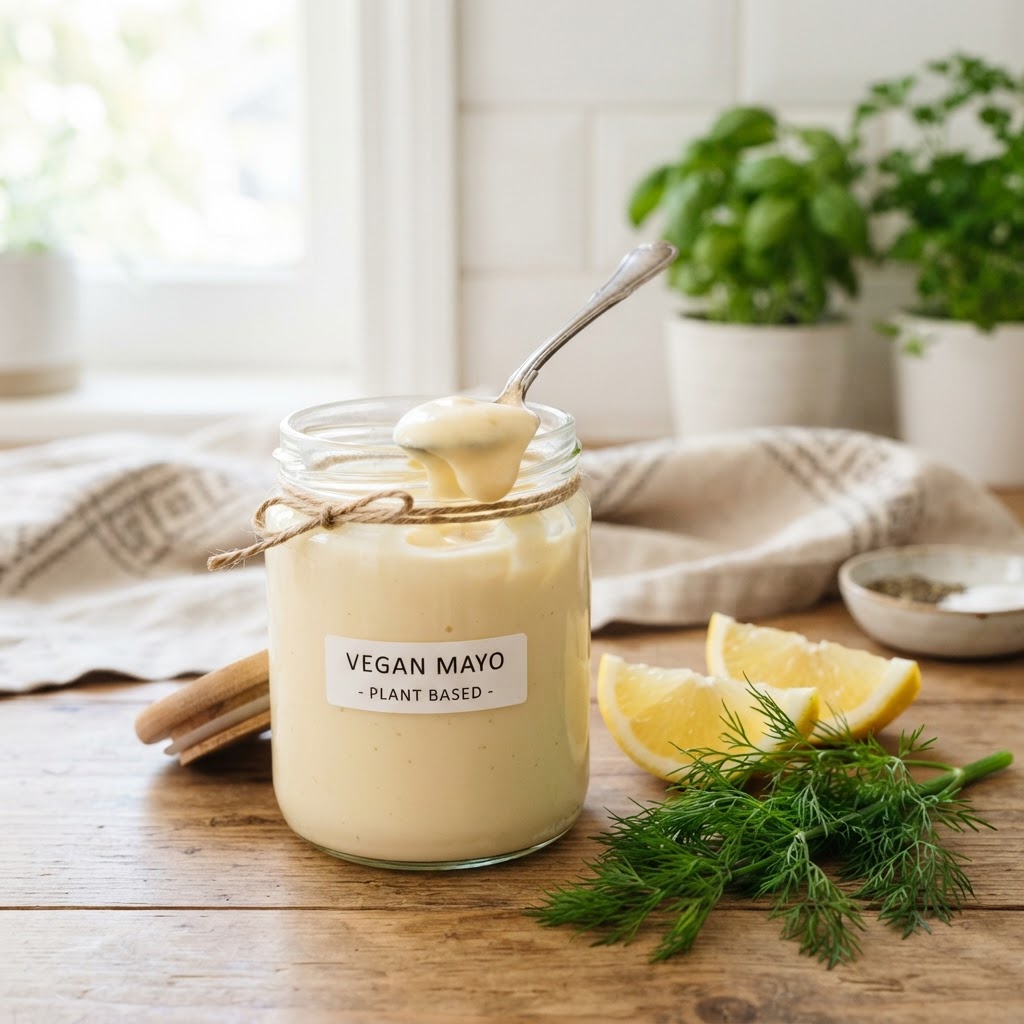
Make Vegan Mayo
Learn how to make rich, creamy vegan mayo at home with simple, pantry-friendly ingredients. A quick, cost-effective guide to perfect plant-based condiments.
Best Vegan Cookbooks
Discover the best vegan cookbooks to elevate your plant-based kitchen. From quick weeknight dinners to gourmet feasts, find the perfect guide for your lifestyle.
Vegan Baking Tips
Master vegan baking with our expert guide. Learn the best plant-based substitutes for eggs, butter, and milk to create delicious, foolproof vegan desserts.
Vegan Calcium Sources
Discover the best plant-based calcium sources to maintain strong bones and health. Learn how to incorporate these nutrient-dense foods into your vegan diet.
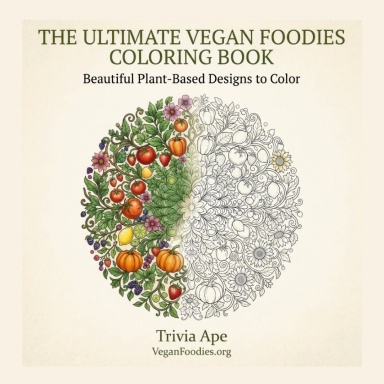
The Ultimate Vegan Foodies Coloring Book
Beautiful Plant-Based Designs to Color
Relax and unwind with beautifully detailed illustrations inspired by fruits, vegetables, herbs, flowers, and wholesome plant-based living. Perfect for stress relief, mindfulness, and creative fun.
by Trivia Ape