Best Vegan Blender
Searching for the best vegan blender? Discover our expert reviews of top-rated blenders perfect for smoothies, nut milks, soups, and raw vegan recipes.
Best Vegan Blender
Investing in the right blender is one of the most transformative steps you can take to elevate your plant-based kitchen and simplify your daily meal preparation.
Table of Contents
- The Role of Blenders in Vegan Cooking
- Key Features to Look For
- Motor Power and Blade Speed
- Versatility for Plant-Based Tasks
- Ease of Cleaning and Maintenance
- Advanced Techniques for Vegan Chefs
- Comparing Blender Types
- Common Mistakes to Avoid
- Essential Tips for Smooth Blending
- Troubleshooting Common Texture Issues
- FAQ
- Related Articles
- Newsletter
- Key Takeaways
The Role of Blenders in Vegan Cooking
In a vegan kitchen, a high-quality blender is far more than just a tool for making morning smoothies. It acts as the backbone of plant-based culinary creativity, enabling you to transform raw ingredients into creamy soups, decadent dairy-free sauces, nut milks, and even frozen desserts. Without a reliable motor, tasks like grinding soaked cashews into a silky cream or blending fibrous kale can result in gritty textures that take away from your dining experience.
Choosing the right equipment depends largely on how often you cook from scratch. If you are frequently preparing Easy Vegan Meal Prep Ideas, a high-performance blender is essential for efficiency. Investing in a tool that can handle diverse textures means you can move away from processed pre-made alternatives and embrace the Vegan Pantry Staples: The Ultimate Guide to Building Your Kitchen with full confidence. By mastering your blender, you unlock the ability to make your own condiments, such as vegan mayonnaise using aquafaba, or fresh nut butters without the added sugars and oils found in store-bought versions.
Key Features to Look For
When selecting a blender, ignore the bells and whistles that don't serve your actual cooking needs. Focus instead on the container material, the tamper design, and the overall build quality. A glass or BPA-free Tritan jar is preferred for longevity, while a tamper is non-negotiable if you plan on making thick smoothie bowls or nut butters, as it allows you to push ingredients into the blades without stopping the motor.
Consider the footprint of the appliance as well. If your kitchen space is limited, look for a model that fits under your cabinets while still offering a large enough capacity for batch cooking. Many people who follow How To Meal Prep Vegan find that a mid-sized jar (around 64 ounces) provides the perfect balance between daily use and large-scale meal preparation. Additionally, examine the blade construction. Stainless steel blades that are laser-cut for sharpness are superior for longevity, as they maintain their edge even when grinding through frozen berries or ice cubes consistently.
Motor Power and Blade Speed
Motor power is often measured in horsepower or watts, and for a vegan lifestyle, you want enough torque to pulverize tough seeds, fibrous greens, and frozen fruits. A motor that struggles will overheat quickly, potentially shortening the lifespan of your appliance. Aim for a motor that can sustain long blending times without losing performance. High-performance motors generally operate in the 1200-1500 watt range, providing the torque required to process dry ingredients like oats into flour or raw nuts into butter.
Blade speed works in tandem with power. High-speed blending is what creates the "velvet" consistency in recipes like Creamy Vegan Tomato Basil Soup. When your blades spin at high revolutions, they effectively break down cell walls in plants, releasing nutrients and creating a smooth emulsion that simple lower-speed models cannot replicate. For example, when blending a smoothie with kale, a high-speed machine will liquefy the fibrous stems, leaving no leafy residue on your tongue, whereas lower-tier machines may leave the mixture feeling stringy and unpalatable.
Versatility for Plant-Based Tasks
Your blender should be versatile enough to transition from savory to sweet tasks seamlessly. Can it whip up a Green Goddess Smoothie for breakfast and then switch gears to make a savory sauce for dinner? The best machines feature variable speed controls that allow for a slow pulse when you need chunky salsas and a high speed for smooth nut butters.
Consider the jar design, as well. Certain designs create a vortex that pulls ingredients down towards the blades consistently. This is especially useful when working with Vegan Fiber Rich Foods, ensuring you don't end up with unblended chunks of celery or seeds stuck in the corners of your container. For those who frequently make dressings, look for a model with a small-capacity adapter or a dry-grain container, which allows you to grind spices or process smaller batches without wasting ingredients.
Ease of Cleaning and Maintenance
Cleaning is often the most significant barrier to using a blender daily. Look for models with self-cleaning features or jars that are dishwasher safe. A blender that is difficult to disassemble or has many crevices will eventually discourage you from using it for quick, daily tasks.
To keep your blender running for years, treat it with care. Avoid overfilling the jar, which can put unnecessary strain on the motor. Additionally, ensure you are using the tamper when blending thick mixtures. Regular maintenance, such as checking the drive socket and ensuring the blades are not dulled by hard items, will keep your machine performing at its peak. For deep cleaning, once a month, fill the jar halfway with warm water, add a teaspoon of baking soda and a drop of dish soap, and run it on the highest speed for one full minute to remove residue hidden under the blade assembly.
Advanced Techniques for Vegan Chefs
Beyond smoothies, a high-performance blender can replace several other kitchen appliances. You can create "nice cream" by blending frozen bananas with a splash of almond milk and cocoa powder. For nut milks, use a 4:1 ratio of water to soaked nuts, blend on high for 45 seconds, and strain through a nut milk bag to achieve a professional-grade result. Another pro technique is creating hot soups directly in the blender through friction heat; by running high-powered machines for 5-6 minutes, the friction of the blades can heat liquids to steaming temperatures without needing a stovetop.
Pro Tip: If you frequently make nut-based sauces, such as cashew "cheese" sauce, add a splash of lemon juice or apple cider vinegar while blending. The acid helps emulsify the fats in the nuts, creating a more stable, restaurant-quality emulsion that holds its texture even when refrigerated.
Comparing Blender Types
| Blender Type | Best For | Typical Capacity | Price Point | Power Level |
|---|---|---|---|---|
| High-Speed Blender | Nut butters, soups, smoothies | 64 oz | High | Excellent |
| Personal Blender | Single servings, travel | 16-24 oz | Low/Mid | Moderate |
| Immersion Blender | Soups in the pot, small batches | N/A | Low | Low/Moderate |
| Vacuum Blender | Oxidation-sensitive greens | 40-50 oz | Very High | Excellent |
Common Mistakes to Avoid
One of the most common mistakes is adding liquids after solids. Always add your liquid base first to allow the blades to create a vortex immediately. This prevents the blender from creating a "dead zone" around the blades, where ingredients just sit there and spin rather than moving through the blades. Another frequent issue is overstuffing the container. If the blender motor sounds like it is struggling, remove some content or add more liquid to help the circulation.
Avoid leaving your blender blades sitting in water for extended periods. This can damage the bearings over time by causing oxidation or rust in the seal. Instead, rinse your container immediately after use with warm, soapy water. A quick pulse of soapy water is often all you need to clean the blades thoroughly after a standard smoothie or soup.
Essential Tips for Smooth Blending
For the smoothest textures, soak your nuts and seeds overnight. This softens them significantly, reducing the work your blender has to do and resulting in a much creamier final product. If you are making hot soups, allow your ingredients to cool slightly before blending if your machine doesn't have a vented lid for hot liquids.
Experiment with layering. Start with liquids, then soft fruits or greens, then harder ingredients like ice or frozen fruit. This order helps maintain a consistent flow throughout the blending process, preventing air pockets from forming around the blades. If you find your blender is having trouble with a very thick mix, stop the machine, stir the contents with a long silicone spatula to release trapped air, then replace the lid and continue.
Troubleshooting Common Texture Issues
Sometimes, despite having a great machine, results can be inconsistent. If your smoothie is gritty, ensure you are blending for at least 60 seconds; some fibrous ingredients need more time to break down fully. If you encounter "hot" spots in a chilled soup, your blade speed might be too high for too long, causing the ingredients to heat up from friction. Simply pulse instead of blending constantly to maintain a cold temperature. For recipes involving frozen fruit, ensure the pieces are not too large; breaking them into 1-inch chunks prevents the blades from locking up at the start of the cycle.
FAQ
Q1: Do I really need a high-speed blender for vegan cooking? A1: While not strictly necessary for every recipe, a high-speed blender makes tasks like making nut milks, creamy sauces, and smoothies significantly easier and better in texture. It truly changes the quality of homemade dressings and soups. Q2: Can I make hot soup in a regular blender? A2: Only if your blender is designed to handle hot liquids and has a vented lid. Never blend hot liquids in a sealed container, as the pressure build-up can be dangerous and cause the lid to blow off. Q3: How do I clean my blender jar thoroughly? A3: Add warm water and a drop of dish soap, then run the blender on high for 30 seconds. Rinse and air dry. For stubborn spots, a mixture of vinegar and baking soda can help lift stains. Q4: What is the benefit of a tamper? A4: A tamper allows you to push thick or stuck ingredients into the blades safely while the machine is running, ensuring a consistent blend without stopping. Q5: Can I store my blender mixtures for later? A5: Yes, most blended sauces and soups can be refrigerated for 3-4 days in airtight glass jars. Some, like green smoothies, may oxidize quickly, so consider adding a splash of lemon juice to preserve color. Q6: How do I prevent my blender from smelling like garlic or onions? A6: To remove strong odors, blend a mixture of water and a few tablespoons of baking soda, or let the container soak in a solution of warm water and lemon juice for one hour.
Related Articles
- Easy Vegan Meal Prep Ideas
- Vegan Pantry Staples: The Ultimate Guide to Building Your Kitchen
- Creamy Vegan Tomato Basil Soup
- Green Goddess Smoothie
- Vegan Fiber Rich Foods
Newsletter
Stay updated with our latest plant-based cooking tips, meal prep strategies, and exclusive vegan recipes by signing up for our newsletter. Join our community of home cooks dedicated to making delicious, compassionate meals every day.
Key Takeaways
- Invest in a reliable blender with sufficient power to handle tough vegan ingredients like nuts, seeds, and frozen produce.
- Utilize your blender for more than just smoothies; explore its potential for soups, dressings, and dairy-free staples.
- Proper maintenance and cleaning habits will extend the life of your equipment.
- Always add liquids first to optimize the blending vortex and protect the motor.
- Master the art of layering ingredients to reduce strain on your machine and improve texture consistency.
Conclusion
Choosing the right vegan blender is an investment in your health and your culinary efficiency. By focusing on durability and performance, you ensure that your transition to or maintenance of a plant-based diet remains enjoyable and stress-free. Take the time to understand your needs, keep your machine clean, and enjoy the countless delicious recipes your new blender will help you create. Your kitchen is a space for experimentation, and with the right high-performance tool, the possibilities for plant-based nutrition are virtually limitless.
Enjoying this guide?
Browse our favorite recommended vegan products and kitchen essentials.
View Recommended Products →You Might Also Like
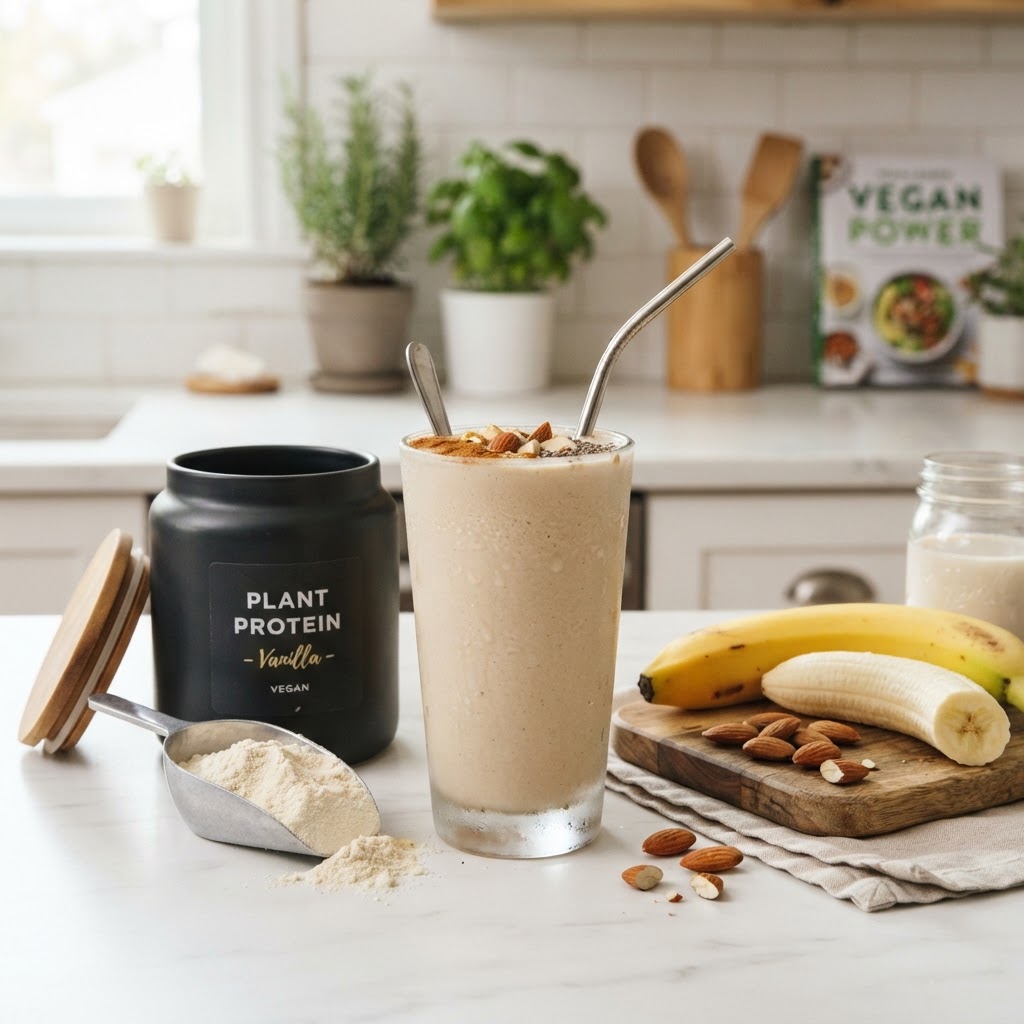
Buy Vegan Protein Powder
Looking to buy vegan protein powder? Discover our comprehensive guide on choosing the best plant-based supplements to meet your fitness and health goals.
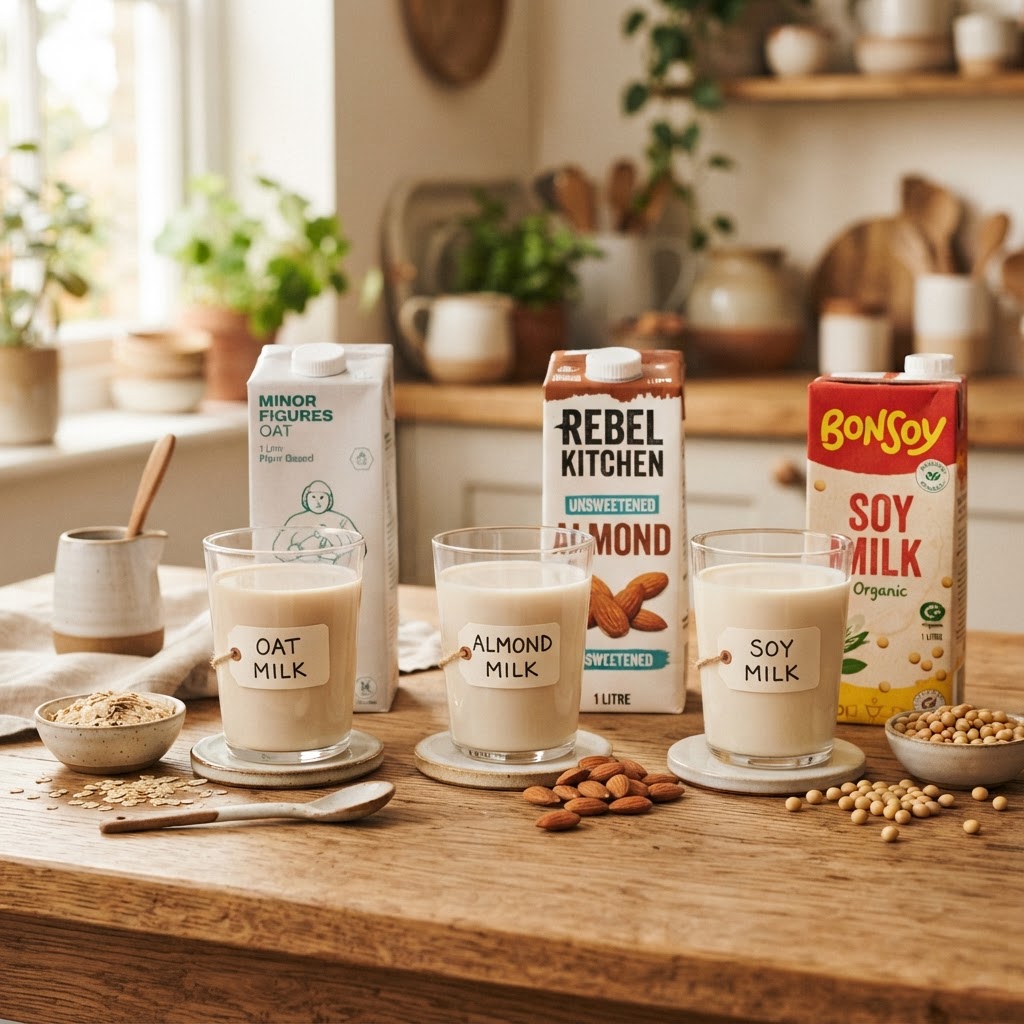
Plant-based Milk Brands
Explore the best plant-based milk brands in this comprehensive guide. From almond to oat, discover the perfect dairy alternative for your diet and lifestyle.
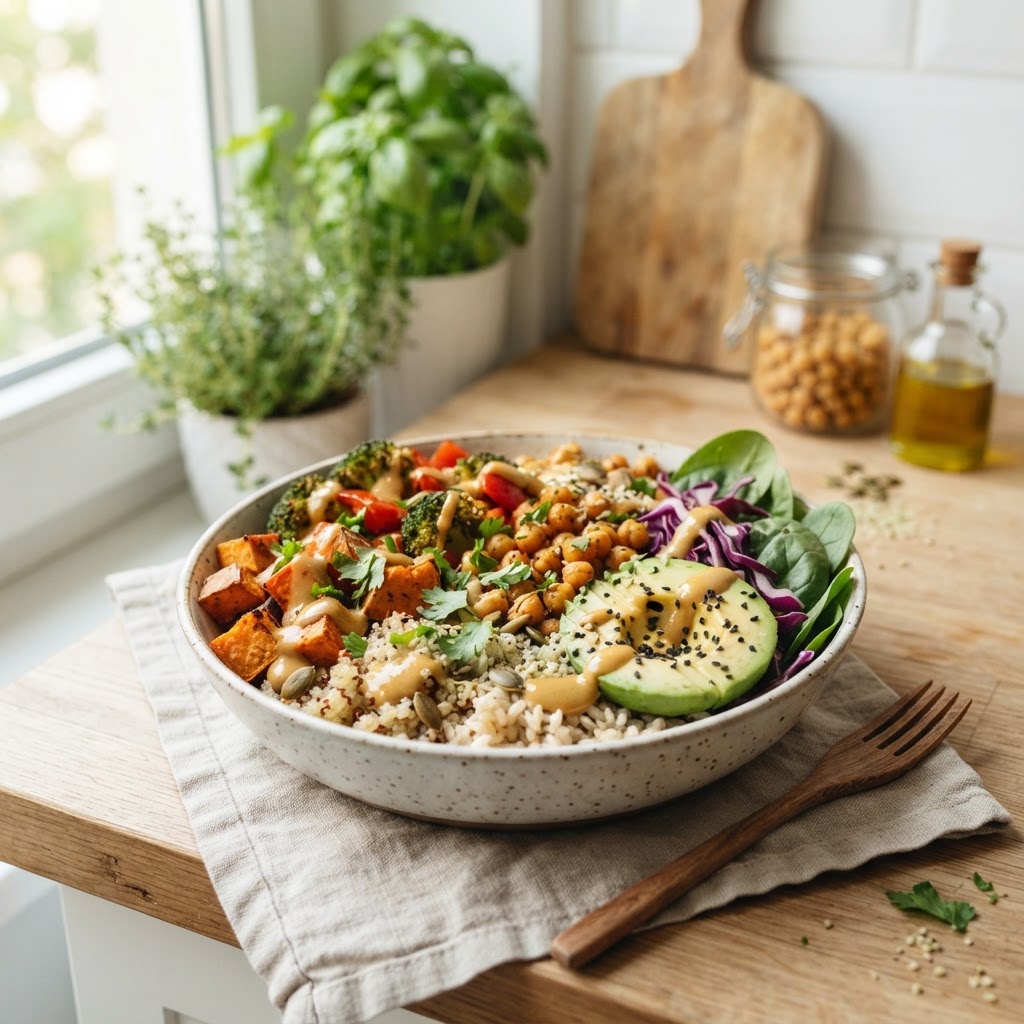
Easy Vegan Recipes
Discover delicious and easy vegan recipes perfect for beginners. From quick weeknight dinners to healthy snacks, simplify your plant-based journey today.
Tofu Preparation Guide
Master tofu preparation with our expert guide. Learn how to press, season, and cook perfect, crispy, and flavorful tofu for any vegan meal.
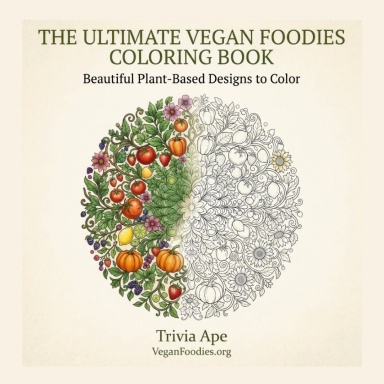
The Ultimate Vegan Foodies Coloring Book
Beautiful Plant-Based Designs to Color
Relax and unwind with beautifully detailed illustrations inspired by fruits, vegetables, herbs, flowers, and wholesome plant-based living. Perfect for stress relief, mindfulness, and creative fun.
by Trivia Ape