Easy Vegan Meal Prep Ideas
Spend 2 hours on Sunday and eat incredible vegan meals all week. Practical batch cooking strategies, mix-and-match formulas, and 5-day meal prep plans for busy people.
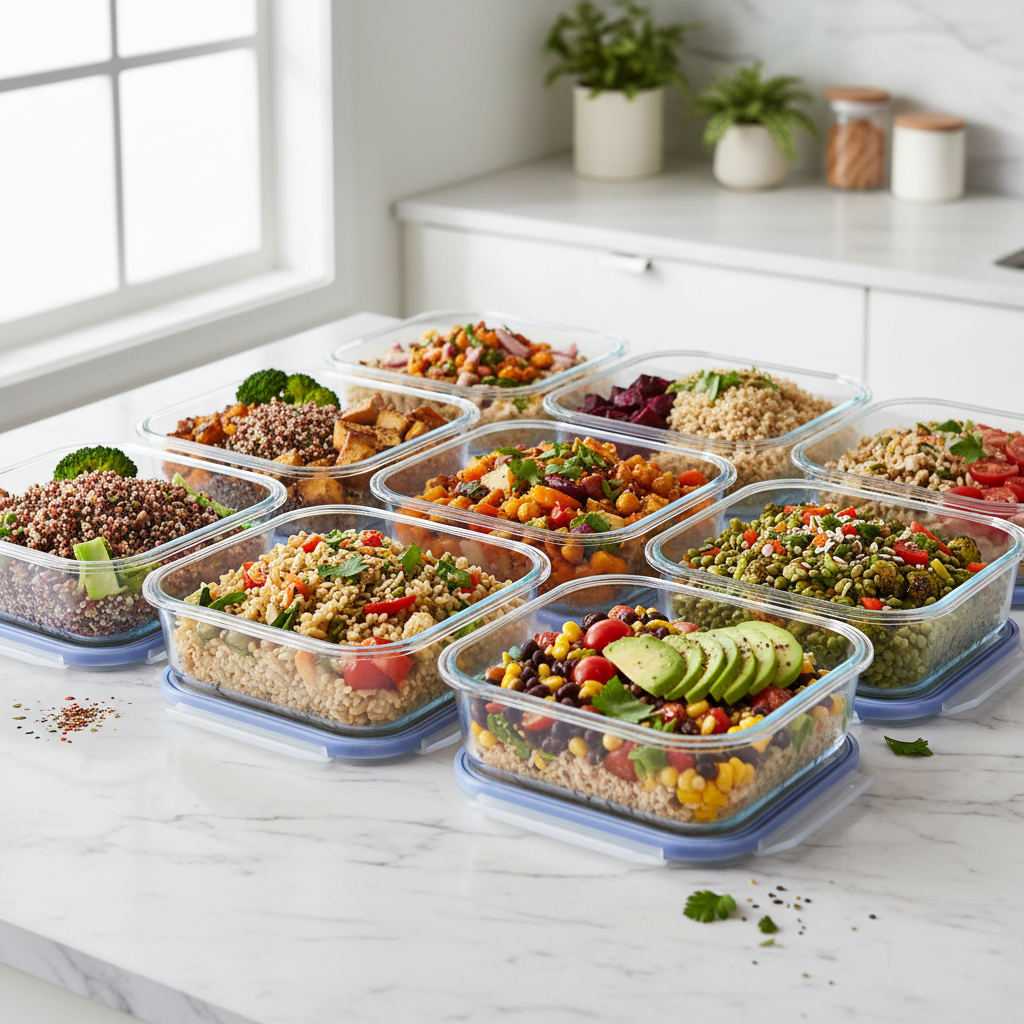
Easy Vegan Meal Prep Ideas
Master your weekly nutrition with these simple, effective, and delicious vegan meal prep strategies designed to save you time and reduce kitchen stress.
Table of Contents
- Why Meal Prep Matters for Vegans
- Essential Tools for Success
- Stocking Your Vegan Pantry
- The Batch Cooking Method
- Building a Balanced Bowl
- Prep Strategies for Busy Weeknights
- Common Meal Prep Mistakes
- Frequently Asked Questions
- Related Articles
- Newsletter
Why Meal Prep Matters for Vegans
Meal prepping is the practice of preparing components of your meals ahead of time to make daily cooking more efficient. For those living a plant-based lifestyle, intentional preparation is the key to maintaining energy and avoiding the temptation of convenience foods that may not fit your health goals. By dedicating a few hours each week, you can ensure that nutrient-dense, plant-powered meals are always available when hunger strikes.
Beyond saving time, meal prep helps you reduce food waste by using up your produce before it spoils. It allows you to control your sodium, sugar, and oil intake, ensuring that every meal supports your long-term wellness. Whether you are a student, a busy professional, or a parent, having a strategy in place transforms the way you interact with your kitchen and your health.
Essential Tools for Success
Investing in a few high-quality basics can streamline your process significantly. You do not need a professional-grade kitchen to succeed, but having reliable Best Meal Prep Containers is essential for keeping your prepped food fresh. Glass containers are often preferred because they are durable, microwave-safe, and do not retain odors from flavorful ingredients like garlic or onion.
Additionally, consider a high-performance blender for making sauces, dressings, and smoothies. A good knife set is non-negotiable for efficient chopping, while a versatile Instant Pot Vegan Cooking setup can save hours on grain and bean preparation. Organize these tools in a way that makes them easily accessible so that you are never discouraged by clutter.
Pro Tip: Keep a set of dedicated dry-erase markers to label your containers with the date they were prepped. This simple habit prevents confusion when your fridge is packed with multiple identical-looking containers.
Stocking Your Vegan Pantry
Success begins with having the right ingredients on hand. Focus on Affordable Vegan Pantry Staples that provide a base for hundreds of different recipes. Canned beans, lentils, chickpeas, brown rice, quinoa, and rolled oats are the building blocks of a healthy diet. Always keep a stock of spices, soy sauce, nutritional yeast, and healthy oils to bring depth of flavor to simple ingredients.
By following a standardized Vegan Grocery List Beginners, you minimize the cognitive load of grocery shopping. Rotate your produce based on the season, but keep your pantry stocked with long-lasting items so you can whip up a nourishing meal even when the fridge is looking sparse. This strategy is essential for anyone following a Transition To Veganism 30 Day Plan.
The Hierarchy of Pantry Essentials
| Category | Recommended Items | Why Keep On Hand |
|---|---|---|
| Legumes | Chickpeas, Black Beans, Lentils | Primary protein base for almost any meal |
| Grains | Quinoa, Brown Rice, Rolled Oats | Keeps you full; high fiber content |
| Flavor Enhancers | Tamari, Tahini, Nutritional Yeast | Provides the "umami" missing in plant diets |
| Healthy Fats | Walnuts, Chia Seeds, Hemp Hearts | Essential for brain health and satiety |
The Batch Cooking Method
Batch cooking involves preparing large quantities of specific foods to use throughout the week. Instead of cooking every day, choose one afternoon to roast a tray of vegetables, boil a large pot of grains, and simmer a hearty legume-based stew. This method creates a "buffet" in your fridge from which you can assemble quick meals.
When batch cooking, focus on versatile ingredients that can be repurposed. For example, roasted sweet potatoes, quinoa, and marinated tofu can be used in grain bowls, stir-fries, or even stuffed into wraps. Keep sauces separate until you are ready to assemble your plate to prevent sogginess and maintain texture variety.
Timing Your Cooking Session
If you have two hours on a Sunday, structure your workflow to maximize efficiency. Start by preheating your oven. While the oven heats, wash and chop your vegetables. Once the veggies are roasting, boil your water for grains or use an electric pressure cooker. Finally, use the remaining time to whisk your dressings or press your tofu. This "staggered" cooking approach ensures you are never standing idle waiting for one component to finish.
Optimization Expert Advice
Efficiency is the secret to consistency. To maximize your output during your two-hour window, prioritize the tasks that require the most "hands-off" time first. For instance, put your grains in the rice cooker or set a pot of lentils to simmer before you begin chopping. Since grains and legumes take 20 to 45 minutes to cook undisturbed, you can use that time to roast your vegetables or whisk a complex sauce. By stacking these tasks, you effectively turn your kitchen into a production line, which allows you to complete your entire week’s food preparation within the allotted two-hour time frame without feeling rushed or overwhelmed.
Building a Balanced Bowl
Creating a satisfying meal is all about combining textures and flavors. A balanced bowl should include a source of complex carbohydrates (like brown rice or sweet potato), a solid protein source (tofu, tempeh, or beans), plenty of fibrous vegetables, and a flavorful dressing.
Try pairing Crispy Tofu Recipe with steamed broccoli and a peanut sauce, or experiment with Rainbow Power Bowls for a nutrient-dense lunch. The secret to avoiding meal-prep fatigue is varying your sauces and spice profiles; you can keep the base of the meal simple while changing the "vibe" with different ethnic seasonings.
The Golden Ratio for Bowls
- Base (2 cups): Leafy greens, massaged kale, or grains like farro.
- Protein (1/2 to 1 cup): Marinated tempeh, lentils, chickpeas, or edamame.
- Vegetables (1-2 cups): Roasted seasonal veggies, raw cucumber, or pickled radish.
- Healthy Fat (1 tbsp): Tahini drizzle, avocado slices, or a handful of sunflower seeds.
- Crunch: Toasted pepitas, crushed walnuts, or shredded carrots.
Prep Strategies for Busy Weeknights
Even with a plan, some days are more hectic than others. Utilize "mini-prep" strategies like washing and chopping all your vegetables as soon as you get home from the store, or preparing a "fridge staple" dressing in a large jar. This takes only minutes but saves significant time when you are tired at the end of a workday.
If you find yourself with extra time, consider making Freezer Friendly Vegan Meals. Soups, stews, and even veggie burgers can be frozen and reheated in minutes. Having an emergency stash of these meals prevents the need to resort to takeout when your schedule is unexpectedly full.
The "Component" vs. "Meal" Approach
Decide whether you prefer the "Component Method" or the "Full Meal" method. The component method involves prepping ingredients separately (e.g., just the rice, just the beans, just the chopped carrots). This offers more flexibility throughout the week because you can pivot from a burrito bowl on Tuesday to a stir-fry on Wednesday. The full-meal approach involves assembling finished meals in containers. This is superior if you need grab-and-go convenience for office lunches.
Common Meal Prep Mistakes
Many people fail at meal prep because they try to do too much at once. Do not attempt to prepare four gourmet, multi-step recipes on your first try. Start small by prepping just your lunches for three days or focusing on prepping breakfast staples like overnight oats.
Another common error is failing to store food properly. Always let your cooked food cool to room temperature before covering it and placing it in the fridge; this prevents condensation that leads to mushy veggies. Furthermore, ensure you have a variety of containers to avoid the dreaded "everything tastes like leftovers" feeling.
Avoiding Texture Fatigue
If your food consistently turns mushy, it is likely due to improper cooling or improper storage. Soft ingredients like tomatoes should be stored separately from hearty ingredients like chickpeas. Never add your dressing to a salad container until the moment of consumption. Invest in small, travel-sized leak-proof sauce containers for your dressings to keep your greens crisp until lunch.
Frequently Asked Questions
Q1: How long does vegan meal prep usually last in the fridge? A1: Most prepped vegan meals will last between 3 to 5 days when stored in an airtight container in the refrigerator. Q2: Should I freeze my meals or keep them in the fridge? A2: If you are planning to eat the meals within 4 days, the fridge is fine; for longer-term storage, freezing is the better option. Q3: How do I keep my meal prep from tasting bland? A3: Use a variety of fresh herbs, acid like lemon juice or vinegar, and high-quality sea salt to brighten your flavors. Try adding a squeeze of lime to your beans or a splash of balsamic vinegar to your roasted root vegetables. Q4: What are the best vegetables to roast for meal prep? A4: Cruciferous vegetables like broccoli, cauliflower, and Brussels sprouts hold their texture well, as do root vegetables like carrots, sweet potatoes, and beets. Avoid roasting high-water vegetables like zucchini or mushrooms in large batches as they tend to lose their structure. Q5: Can I meal prep raw ingredients? A5: Yes! Pre-portioning raw smoothie ingredients (spinach, frozen fruit, flax seeds) into freezer bags is a fantastic time-saver for busy mornings. Simply dump the bag into your blender with your choice of plant-based milk and go. Q6: How do I keep avocado from browning? A6: If adding avocado to prepped bowls, leave the pit in or use a squeeze of fresh lemon juice over the surface to prevent oxidation. Ideally, add fresh avocado the morning of your meal for best results. Q7: Should I reheat my prepped vegan meals in plastic or glass? A7: Always opt for glass or high-quality ceramic. Plastic containers, even if labeled BPA-free, can degrade over time and may leach chemicals into your food when exposed to high microwave heat. Glass preserves the integrity of your meal’s flavor and is much easier to clean. Q8: Is it safe to store hot food directly in the fridge? A8: No. Placing piping hot food directly into the fridge can raise the temperature of the internal environment, potentially putting surrounding perishables at risk of spoilage. Always allow your cooked grains or stews to cool down on the counter for 30 to 45 minutes before sealing the containers and refrigerating.
Related Articles
- Best Meal Prep Containers
- Affordable Vegan Pantry Staples
- Vegan Grocery List Beginners
- Freezer Friendly Vegan Meals
- Crispy Tofu Recipe
Newsletter
Stay updated with the latest plant-based recipes, meal prep hacks, and nutrition tips by joining our weekly newsletter community. Get healthy inspiration delivered directly to your inbox so you never run out of ideas for your next kitchen session.
Conclusion
Vegan meal prep is a transformative skill that pays dividends in your health, your wallet, and your daily peace of mind. By focusing on simple batch cooking, versatile pantry staples, and proper storage techniques, you can ensure that delicious plant-based nutrition is always within reach. Start with one or two small changes this weekend and watch how much more enjoyable your weekly routine becomes. With these tools and strategies in your arsenal, the path toward a stress-free, healthy, and plant-powered life is clear. Happy cooking, and enjoy the freedom that comes with a well-prepped kitchen!
Enjoying this guide?
Browse our favorite recommended vegan products and kitchen essentials.
View Recommended Products →You Might Also Like
Make Vegan Mayo
Learn how to make rich, creamy vegan mayo at home with simple, pantry-friendly ingredients. A quick, cost-effective guide to perfect plant-based condiments.
Best Vegan Cookbooks
Discover the best vegan cookbooks to elevate your plant-based kitchen. From quick weeknight dinners to gourmet feasts, find the perfect guide for your lifestyle.
Vegan Baking Tips
Master vegan baking with our expert guide. Learn the best plant-based substitutes for eggs, butter, and milk to create delicious, foolproof vegan desserts.
Vegan Calcium Sources
Discover the best plant-based calcium sources to maintain strong bones and health. Learn how to incorporate these nutrient-dense foods into your vegan diet.
The Ultimate Vegan Foodies Coloring Book
Beautiful Plant-Based Designs to Color
Relax and unwind with beautifully detailed illustrations inspired by fruits, vegetables, herbs, flowers, and wholesome plant-based living. Perfect for stress relief, mindfulness, and creative fun.
by Trivia Ape