Freezer-Friendly Vegan Meals: A Complete Guide to Plant-Based Meal Prep
10 vegan meals that freeze perfectly. Batch cook them and build your own frozen dinner collection.
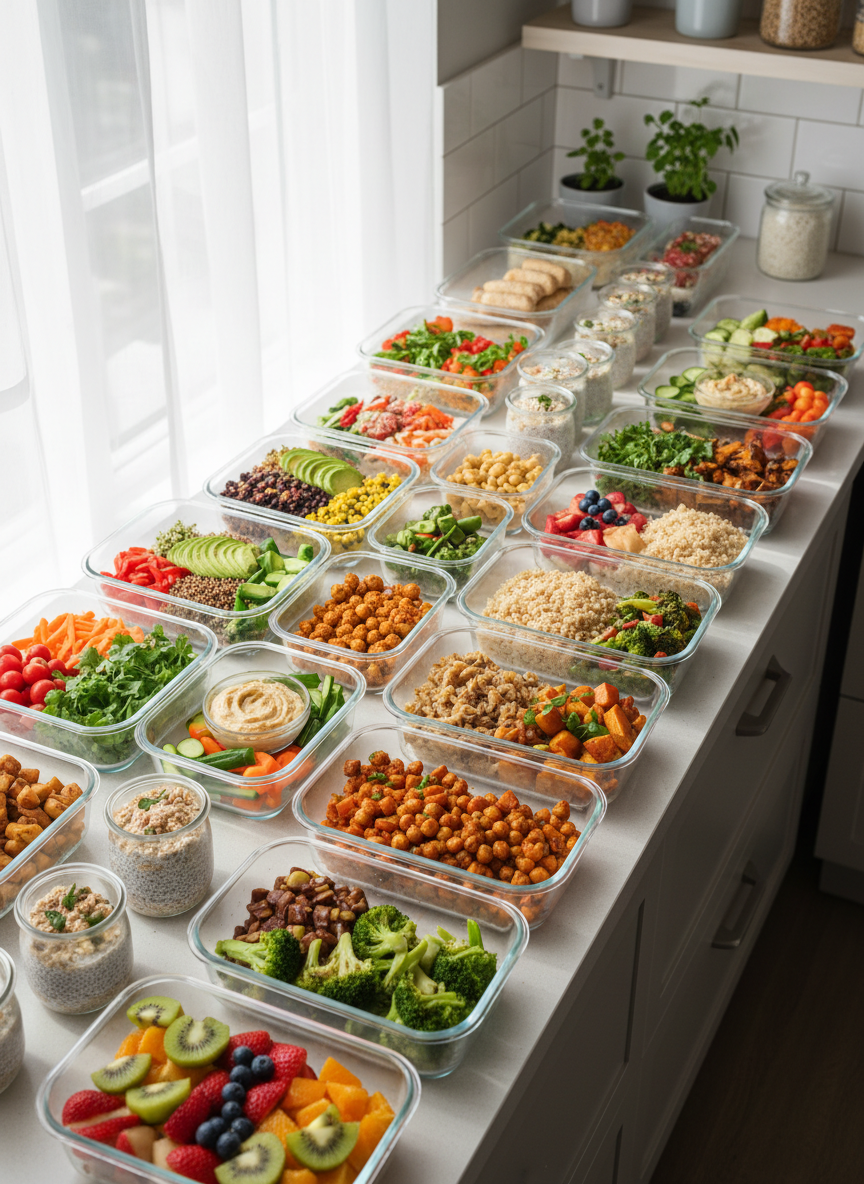
Freezer-Friendly Vegan Meals: A Complete Guide to Plant-Based Meal Prep
Discover the secrets to storing, freezing, and reheating delicious vegan meals so you always have a healthy, plant-based dinner ready in minutes.
Table of Contents
- The Benefits of Freezer-Friendly Vegan Meals
- Essential Tips for Successful Freezing
- Best Vegan Ingredients for the Freezer
- Containers and Storage Solutions
- Step-by-Step Meal Prep Strategy
- Common Freezing Mistakes to Avoid
- Freezer-Friendly Meal Comparison Table
- Expert Thawing and Reheating Techniques
- Nutritional Integrity and Quality Control
- Frequently Asked Questions
- Key Takeaways
- Related Articles
The Benefits of Freezer-Friendly Vegan Meals
Freezing plant-based meals is the ultimate strategy for busy individuals who want to maintain a healthy lifestyle without spending hours in the kitchen every evening. By batch-cooking your favorite dishes, you can ensure that you always have access to nutrient-dense, plant-based dinners, even on your busiest days. This approach not only saves time but also significantly reduces food waste and helps you stick to a plant-based diet consistently.
Furthermore, having a well-stocked freezer provides a sense of security. Whether you are dealing with a hectic work week or simply don't feel like cooking, knowing you have a homemade meal ready to go prevents the temptation of ordering processed convenience food. Embracing freezer-friendly cooking allows you to master easy vegan meal prep and reclaim your time.
Beyond individual convenience, large-scale meal prepping is an environmentally conscious choice. It reduces the number of trips to the grocery store, cuts down on food spoilage, and allows you to buy staples like dry beans and grains in bulk, which minimizes packaging waste.
Essential Tips for Successful Freezing
To achieve the best results, it is crucial to understand how ingredients behave at low temperatures. Always allow your cooked meals to reach room temperature before placing them in the freezer; putting hot food directly into the freezer can raise the internal temperature of the appliance and cause ice crystals to form on other foods. Additionally, portioning your meals into individual serving sizes makes it easier to grab exactly what you need for lunch or dinner.
Labeling your containers is another non-negotiable step. Use a permanent marker to note the contents and the date they were frozen. As a general rule, most cooked vegan meals maintain their optimal flavor and texture for up to three months when stored at 0°F (-18°C) or below. Keeping a running inventory can help you use older meals first, ensuring your food stays fresh and delicious.
Pro Tip: The Flash-Freeze Method
For ingredients like blanched vegetables, tempeh cubes, or homemade vegan meatballs, use the flash-freeze technique. Place the items in a single layer on a parchment-lined baking sheet and freeze for two hours until firm. Once solid, transfer them to a freezer-safe bag. This prevents individual pieces from clumping together, allowing you to portion out exactly what you need later without needing to thaw the entire batch.
Best Vegan Ingredients for the Freezer
Not all plant-based foods freeze equally well. Starchy vegetables like potatoes, carrots, and sweet potatoes are excellent candidates for freezing, as are most legumes, including lentils, chickpeas, and black beans. Grains like brown rice, quinoa, and farro hold up beautifully in the freezer and can be reheated in minutes, making them perfect foundations for quick vegan meals.
Leafy greens like kale and spinach can also be frozen, though they are best incorporated into stews, curries, or soups rather than served as a standalone side dish. For the best flavor, avoid freezing delicate fresh herbs or raw salads, as they tend to lose their texture upon thawing. Focus your efforts on hearty vegan lentil recipes and soups which typically taste even better after the flavors have melded in the freezer.
Ingredient Suitability Breakdown
- Legumes: Chickpeas, black beans, and kidney beans are incredibly stable. Cook them until tender, drain, and store with a little bit of their cooking liquid to prevent them from drying out.
- Cruciferous Veggies: Broccoli and cauliflower should be blanched for two minutes before freezing to preserve color and nutrient content.
- Sauces and Condiments: Pestos (sans cheese), tomato-based marinara, and coconut-curry sauces freeze exceptionally well. Use silicone ice cube trays to freeze sauces in single-serving portions.
- Grains: Always slightly undercook grains like brown rice or barley if you intend to reheat them later, as the reheating process will finish the cooking cycle and prevent mushiness.
Containers and Storage Solutions
Choosing the right storage containers is vital for maintaining food quality and preventing freezer burn. Glass containers are ideal because they are durable, microwave-safe, and do not retain odors. If you prefer plastic, ensure that the containers are labeled as freezer-safe and BPA-free. Alternatively, high-quality silicone freezer bags are excellent for space-saving, especially for liquids like soups or chili.
When filling containers, leave a small amount of headspace at the top to allow for expansion during the freezing process. Removing as much air as possible from bags before sealing them helps protect your meals from oxidation, keeping the ingredients fresh and vibrant. If you are serious about long-term meal prep, investing in a vacuum sealer can be a game-changer for preserving the quality of your pre-made vegan family meals.
Maximizing Space
If you are working with a small freezer, use the "flat-stack" method. Fill freezer-safe bags, seal them, and lay them flat on a baking sheet until frozen. Once solid, they can be stacked like books, significantly increasing your storage capacity compared to bulky round containers.
Step-by-Step Meal Prep Strategy
- Planning: Review your week and identify 2-3 recipes that scale well, such as lentil bolognese or bean chili. Ensure you have the necessary vegan pantry staples.
- Bulk Cooking: Dedicate 3 hours on a weekend. Cook your grains, roast vegetables, and simmer protein-heavy sauces simultaneously.
- Cooling: Spread hot food on flat trays to speed up the cooling process. Never leave food on the counter for more than two hours to ensure food safety.
- Assembling: Combine ingredients into portions. For stews, pour them into individual containers. For grain bowls, store the grain and the roasted vegetables in separate compartments if possible.
- Portioning: Use standardized 2-cup containers for full meals or 1-cup for side dishes.
- Labeling: Note the date and the specific reheating instructions on the lid.
By following this structured approach, you can maximize your efficiency. Spending one afternoon a week on weekly vegan meal prep can provide you with enough food for several days, significantly lowering your stress levels throughout the week.
Common Freezing Mistakes to Avoid
One of the most frequent mistakes people make is freezing food that has already been thawed. Always reheat your meals directly from frozen or thaw them in the refrigerator overnight. Never thaw food on the counter at room temperature, as this can encourage bacterial growth. Another mistake is failing to remove excess moisture; when freezing sauces, ensure they are thick enough, as liquids often separate or become watery when frozen.
Additionally, avoid overstuffing your freezer. A freezer needs adequate air circulation to function correctly. If it is packed too tightly, the temperature may fluctuate, leading to uneven freezing. Finally, be mindful of strong flavors like onions or garlic; while delicious, they can sometimes permeate other items if not stored in tightly sealed, airtight containers.
The "Freezer Burn" Prevention Checklist
- Seal Tightly: Double-check every lid and zipper closure.
- Minimize Air: Use a straw to suck air out of bags if you don't have a vacuum sealer.
- Layering: Place a piece of parchment paper or plastic wrap directly on the surface of the food before sealing the container to act as a barrier against air.
Freezer-Friendly Meal Comparison Table
| Meal Type | Freeze Well? | Recommended Storage | Tips |
|---|---|---|---|
| Soups & Stews | Yes | Containers | Leave 1/2 inch headspace |
| Grains (Rice/Quinoa) | Yes | Bags or Containers | Add a tablespoon of water before reheating |
| Fresh Salads | No | Not applicable | Add dressing later |
| Roasted Vegetables | Yes | Airtight Bags | Reheat in oven for crispiness |
| Tofu/Tempeh | Yes | Containers | Press before cooking; freezing improves texture |
| Smoothies | Yes | Silicone Molds | Portion in bags; blend with liquid later |
Expert Thawing and Reheating Techniques
Mastering the reheat is as important as the cook. For best results, plan ahead by moving your frozen meal from the freezer to the refrigerator 24 hours before you plan to eat it. This slow thaw preserves the structure of delicate vegetables.
If you are in a rush, use the "water bath" method for sealed bags: submerge the bag in a bowl of cold water (change the water every 20 minutes) until thawed. Avoid the microwave "defrost" function unless necessary, as it can inadvertently cook the outer edges while leaving the center frozen. When reheating, always add a splash of vegetable broth or water to your grains or stews; this rehydrates the starches and restores the silky texture of sauces.
Nutritional Integrity and Quality Control
Plant-based meals are rich in antioxidants and vitamins. To retain these nutrients, keep your freezer at exactly 0°F. If you notice a thin layer of frost inside your container, your food is likely safe, but the texture might be compromised due to sublimation. Always prioritize "first in, first out" by moving older containers to the front of the freezer. If a meal looks significantly discolored or has visible ice shards, it is best to consume it sooner rather than later, even if it is still technically safe to eat.
Frequently Asked Questions
Q1: How long can I keep vegan meals in the freezer? A1: Most meals maintain peak quality for 3 months, although they remain safe to eat indefinitely if kept at 0°F. Q2: Can I freeze dishes with coconut milk? A2: Yes, but be aware that coconut milk may separate upon thawing; a quick stir during reheating usually fixes this. Q3: What is the best way to reheat frozen vegan meals? A3: The microwave is fastest, but reheating on the stovetop or in the oven often provides a better texture. Q4: Should I freeze meals before or after adding sauces? A4: Generally, it is better to freeze the main components and add fresh sauces or garnishes right before serving. Q5: Are glass jars safe to freeze? A5: Only if they are specifically labeled "freezer-safe" or "tempered." Otherwise, the expansion of liquids can cause standard glass to shatter. Q6: Can I refreeze food that I have thawed? A6: Only if you have cooked the food while it was in its thawed state. Never refreeze raw ingredients that have been completely thawed.
Key Takeaways
- Batch cooking saves time and reduces waste.
- Always cool food completely before freezing.
- Use proper containers to avoid freezer burn.
- Label everything with contents and dates.
- Rotate your freezer stock to use older items first.
- Use the flash-freeze method for individual portions of ingredients.
Related Articles
Newsletter
Stay updated with our latest plant-based recipes, meal prep tips, and nutritional guides. Join our newsletter today to receive curated content delivered directly to your inbox and make your vegan journey even easier.
Conclusion
Freezing your vegan meals is a powerful tool for maintaining a healthy and consistent diet. By applying these simple strategies, you can turn your kitchen into a hub of efficiency, ensuring you always have a delicious, plant-based meal waiting for you. Start small with one or two recipes this weekend and see how much easier your life becomes when you embrace the freezer as your best friend in the kitchen.
Enjoying this guide?
Browse our favorite recommended vegan products and kitchen essentials.
View Recommended Products →You Might Also Like
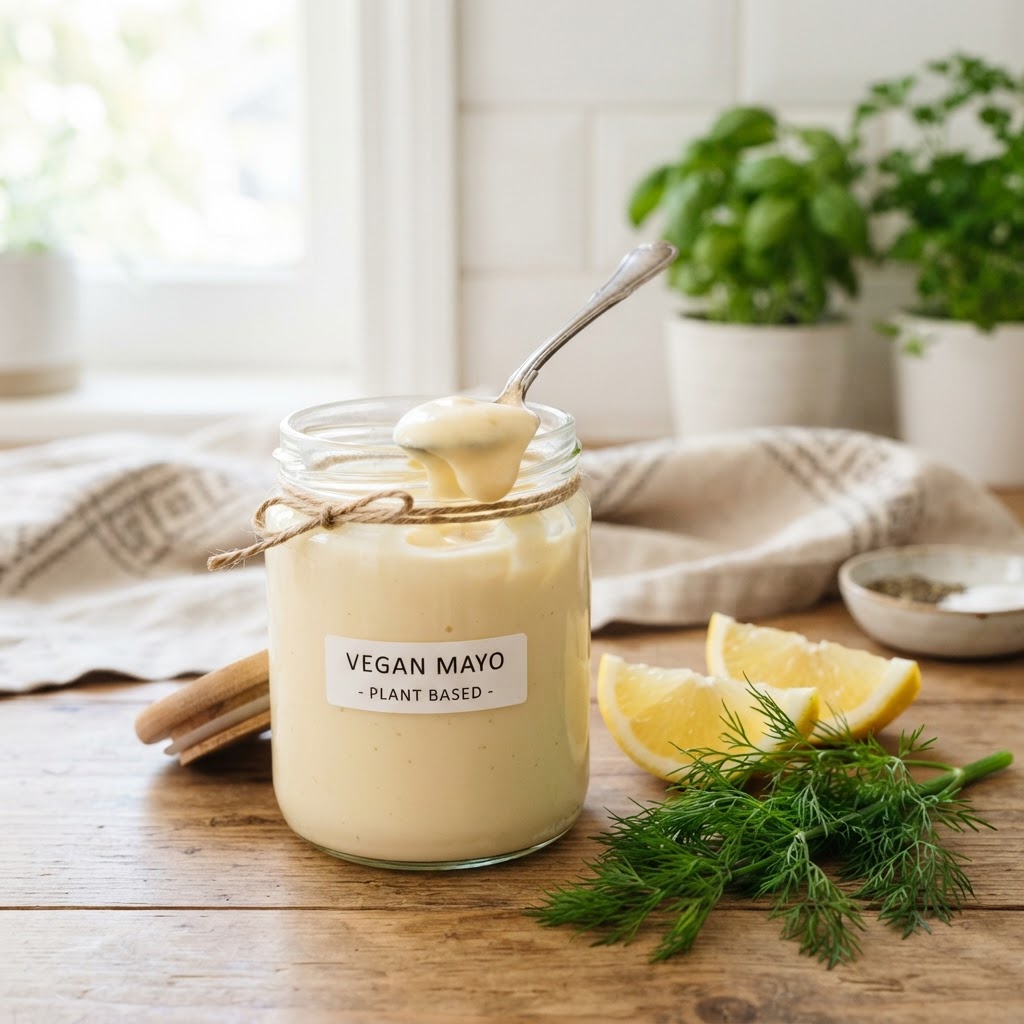
Make Vegan Mayo
Learn how to make rich, creamy vegan mayo at home with simple, pantry-friendly ingredients. A quick, cost-effective guide to perfect plant-based condiments.
Best Vegan Cookbooks
Discover the best vegan cookbooks to elevate your plant-based kitchen. From quick weeknight dinners to gourmet feasts, find the perfect guide for your lifestyle.
Vegan Baking Tips
Master vegan baking with our expert guide. Learn the best plant-based substitutes for eggs, butter, and milk to create delicious, foolproof vegan desserts.
Vegan Calcium Sources
Discover the best plant-based calcium sources to maintain strong bones and health. Learn how to incorporate these nutrient-dense foods into your vegan diet.
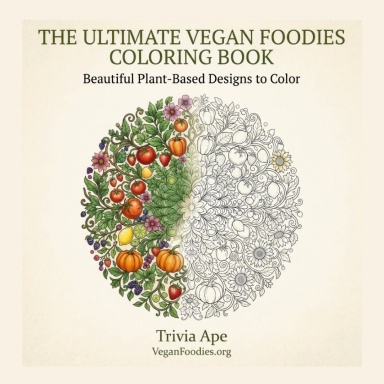
The Ultimate Vegan Foodies Coloring Book
Beautiful Plant-Based Designs to Color
Relax and unwind with beautifully detailed illustrations inspired by fruits, vegetables, herbs, flowers, and wholesome plant-based living. Perfect for stress relief, mindfulness, and creative fun.
by Trivia Ape