Transition To Veganism 30 Day Plan
Don't go cold turkey. This gentle 30-day plan helps you transition to veganism at your own pace.
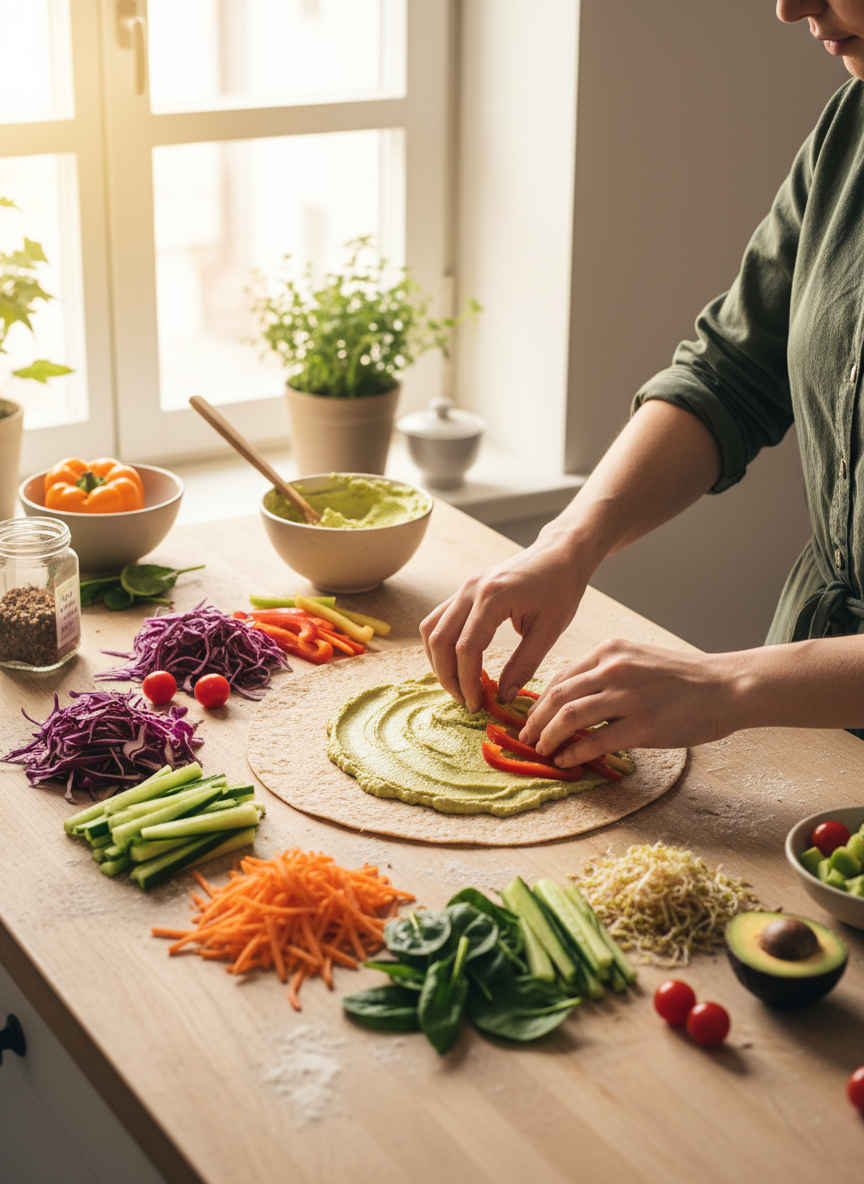
Transition To Veganism 30 Day Plan
Embarking on a plant-based lifestyle is a transformative journey that benefits your health, the environment, and animal welfare; our comprehensive 30-day plan provides the structure, knowledge, and motivation needed to make the switch successfully.
Table of Contents
- The Philosophy of Plant-Based Living
- Week 1: Foundations and Mindset
- Week 2: Mastering the Vegan Pantry
- Week 3: Simplifying Meal Prep
- Week 4: Long-Term Sustainability
- Common Challenges and How to Overcome Them
- Comparison of Dietary Approaches
- Frequently Asked Questions
- Related Articles
- Newsletter
- Conclusion
The Philosophy of Plant-Based Living
Transitioning to veganism is more than just changing your shopping list; it is a profound lifestyle shift that aligns your daily actions with conscious living. Whether your motivations stem from environmental stewardship, physical health optimization, or animal advocacy, understanding your 'why' is the cornerstone of long-term success.
Many beginners feel overwhelmed by the perceived restrictions of a vegan diet, yet the reality is often one of expansion. By focusing on whole, plant-derived foods, you open your palate to a wider variety of legumes, grains, fruits, and vegetables than the average modern diet typically includes. Embracing this perspective early on turns a perceived sacrifice into an exciting culinary adventure. Think of the transition not as subtracting foods, but as adding nutrient-dense, vibrant plants to your plate.
Week 1: Foundations and Mindset
The first seven days are about education and gentle exploration rather than extreme restriction. Start by observing your current eating habits and identifying one or two meals per day that can be easily 'veganized.' By swapping dairy milk for oat or soy milk and butter for olive oil, you make immediate progress without feeling like you are losing your favorite comforts.
Pro-Tip: The Gradual Swap Method
Rather than purging your kitchen of all non-vegan items immediately, focus on the 'substitution rule.' When you run out of an item (like cheese or yogurt), replace it with a plant-based alternative. This reduces waste and allows you to test different brands and flavors at your own pace. If a specific plant-based milk doesn't suit your coffee, try a different base, such as pea protein, almond, or cashew, as these offer different textures and frothing capabilities.
Building a strong foundation requires curiosity about new ingredients. Focus on incorporating one new plant-based recipe each day to keep your enthusiasm high and prevent the feeling of eating the same thing repeatedly. Start with "familiar" meals, such as tacos using seasoned black beans instead of ground beef, or pasta with a rich lentil-based marinara sauce. For lunch, explore the world of grain bowls, which are essentially "choose your own adventure" meals featuring a base (quinoa), a protein (tofu), and a dressing (tahini).
Week 2: Mastering the Vegan Pantry
Once you have found your rhythm, focus on stocking a kitchen that makes plant-based eating effortless. A well-stocked pantry acts as a safety net during busy weeknights when you lack the time to run to the grocery store.
Essential Pantry Checklist
- Legumes: Chickpeas, black beans, lentils (red and green), and cannellini beans. These are your primary sources of protein and fiber. Always keep both dry and canned varieties on hand for flexibility.
- Grains: Quinoa, brown rice, rolled oats, and farro. These provide complex carbohydrates for sustained energy.
- Flavor Boosters: Nutritional yeast (for a cheesy, nutty flavor), tamari or soy sauce, miso paste, and high-quality balsamic vinegar.
- Nuts and Seeds: Chia seeds, flaxseeds, walnuts, and pumpkin seeds. These are excellent sources of Omega-3 fatty acids.
- Canned Goods: Coconut milk, crushed tomatoes, and vegetable broth (low sodium preferred).
Knowing how to use these staples effectively is the difference between a bland meal and a masterpiece. Learn to use spices, herbs, and aromatics like garlic and onion to build deep flavor profiles. If you are struggling with specific substitutions in baking or cooking, always remember the basics: flax-eggs (1 tbsp ground flax + 3 tbsp water) for baking, and full-fat canned coconut milk for creating creamy, decadent sauces or curries.
Common Pantry Mistakes to Avoid
Many beginners make the mistake of buying too many specialty products all at once. Avoid the trap of stocking up on expensive vegan cheese alternatives or frozen meat substitutes that you haven't tried yet. Instead, master the art of using whole foods. Another common error is failing to read labels; sometimes hidden ingredients like honey, gelatin, or whey can be present in products you assume are vegan.
Week 3: Simplifying Meal Prep
Efficiency is the secret weapon of the vegan kitchen. Spending a few hours on Sunday prepping staples will save you hours of stress throughout the week.
Step-by-Step Sunday Prep Strategy
- Batch Cook Grains: Prepare 3-4 cups of quinoa or rice to serve as a base for grain bowls. Store in airtight glass containers.
- Roast Vegetables: Toss sweet potatoes, broccoli, and carrots in olive oil, salt, and pepper. Roast at 400°F (200°C) for 30 minutes.
- Prepare Proteins: Press and cube your tofu, then bake at 400°F for 20 minutes until crisp. Alternatively, boil a large batch of chickpeas.
- Sauce Creation: Blend a creamy cashew-based sauce or a tahini-lemon dressing to keep in a glass jar. A high-speed blender is a great investment for smooth sauces.
Remember to prioritize variety. A typical prep session might include roasting a sheet pan of seasonal vegetables, simmering a large pot of lentil soup, and preparing a batch of overnight oats for grab-and-go breakfasts. Store your prepared ingredients in airtight glass containers to maintain freshness for up to four days. If you find your vegetables losing crunch, place a paper towel in the container to absorb excess moisture before sealing.
Storage Pro-Tips
- Freezing Herbs: If you have leftover fresh herbs, chop them, put them in an ice cube tray, cover with olive oil, and freeze. Pop a cube into your pan when starting a recipe for instant flavor.
- Soaking Nuts: If you plan to make a cashew sauce, soak your raw cashews in boiling water for 30 minutes before blending to ensure a velvety, smooth texture.
- Tofu Longevity: Once opened, store tofu in a container of fresh water in the fridge, changing the water daily to keep it fresh for up to a week.
Week 4: Long-Term Sustainability
By the fourth week, your habits should be stabilizing. Sustainability is not just about what you eat, but how you balance your nutrition. Always prioritize diversity; aim to eat a "rainbow" of vegetables every day to ensure a broad spectrum of phytonutrients and antioxidants.
Managing Social Situations
One of the biggest hurdles is dining out. Research restaurant menus online before arriving, and do not hesitate to call ahead to ask about modifications. Most chefs are willing to prepare a vegetable-forward dish if given notice. Remember: your dietary choices are a personal health and ethical decision, and you are not obligated to justify them to everyone at the table. If you feel uncomfortable explaining your choices, simply state you are "trying out a plant-based diet for health reasons" to bypass unwanted scrutiny.
Nutrient Density and Health Benefits
Transitioning to veganism often results in a higher intake of fiber, which aids in digestion and blood sugar regulation. However, ensure you are getting enough iron and calcium. Enhance iron absorption from plant sources (like spinach and lentils) by pairing them with vitamin C-rich foods (like bell peppers or lemon juice). For calcium, focus on fortified plant milks, tofu set with calcium sulfate, and leafy greens like kale and collard greens.
Common Challenges and How to Overcome Them
Common hurdles include social pressure, nutrient deficiency anxiety, and the dreaded 'plateau' where motivation dips. Combat social pressure by bringing a delicious plant-based dish to share, showing friends and family how satisfying vegan food can be. Address nutrition concerns with education rather than fear.
Mistakes to Avoid
- The "Junk Food Vegan" Trap: While Oreos are vegan, they don't provide the nutrients your body needs. Avoid relying solely on processed vegan snacks. Focus on whole foods first, and treat processed items as occasional indulgences.
- Neglecting Calories: Plant-based foods are often less calorie-dense than animal products. If you feel tired, you likely need to eat larger volumes of food or increase your intake of healthy fats like avocado, nuts, and seeds.
- Ignoring B12: This is the one nutrient you cannot get reliably from plants. Always supplement with a high-quality B12 tablet to prevent deficiencies.
- Fearing Fats: Don't shy away from healthy fats. They keep you satiated and help absorb fat-soluble vitamins. Incorporate tahini, avocado, walnuts, and extra virgin olive oil into your daily routine.
Comparison of Dietary Approaches
| Feature | Traditional Western Diet | Plant-Based Vegan Diet |
|---|---|---|
| Primary Protein | Animal-based (meat/dairy) | Plant-based (beans/tofu) |
| Fiber Content | Low | High |
| Saturated Fat | High | Low |
| Environmental Impact | Significant footprint | Lower footprint |
| Chronic Disease Risk | Generally Higher | Generally Lower |
Frequently Asked Questions
Q1: Is it hard to get enough protein as a vegan? A1: Not at all; legumes, tofu, tempeh, quinoa, and nuts provide ample protein for most individuals. Focus on variety to ensure you are getting a complete amino acid profile throughout the day.
Q2: Do I have to give up my favorite comfort foods? A2: No, most comfort foods have simple, delicious plant-based versions that retain the same satisfaction. Often, it's just a matter of swapping the base ingredient (e.g., cauliflower for wings, or cashew cream for heavy cream).
Q3: How much does it cost to eat vegan? A3: It is often cheaper, especially when you base your diet around pantry staples like beans, grains, and seasonal produce. Avoiding expensive, specialty "mock meats" in favor of whole foods will significantly lower your grocery bill.
Q4: Should I take supplements? A4: Vitamin B12 is essential for all vegans, and others like Vitamin D, Iodine, or Omega-3s should be assessed based on individual blood panels and your specific geographic location.
Q5: What about dining out with non-vegan friends? A5: Focus on the company rather than the food. Most cuisines, especially Thai, Indian, Mexican, and Mediterranean, have naturally vegan-friendly options like curries (without fish sauce), bean burritos, or hummus plates.
Q6: How do I handle cravings for dairy? A6: Cravings are often for fat and salt. Replace dairy cheese with nutritional yeast-based sauces or fermented nut cheeses, which provide the savory umami hit you might be missing.
Q7: Can I build muscle as a vegan? A7: Absolutely. Many elite athletes thrive on vegan diets. The key is to consume enough total calories and ensure adequate protein intake (roughly 1.6 grams of protein per kilogram of body weight for active individuals) from sources like seitan, soy, and beans.
Q8: What if I have an "oops" moment and eat animal products? A8: Don't beat yourself up. Perfection is not the goal; persistence is. Acknowledge it, learn what caused the slip (perhaps lack of preparation), and simply resume your plant-based choices at the next meal.
Related Articles
- Beginners Guide Going Vegan
- Vegan Pantry Staples: The Ultimate Guide to Building Your Kitchen
- Vegan Substitutes Guide: Master Plant-Based Cooking
- How To Meal Prep Vegan
- Vegan B12 Guide
Newsletter
Join our community of plant-based enthusiasts by signing up for the Vegan Foodies newsletter. Receive weekly meal plans, exclusive cooking tips, and the latest research on plant-based nutrition directly to your inbox to keep your transition journey on track.
Conclusion
Transitioning to a vegan lifestyle is a rewarding process that evolves over time. By breaking the journey into manageable weekly goals and focusing on whole foods, you can sustain these changes for a lifetime. Start your journey today, and enjoy the vibrancy that comes with choosing a plant-forward way of life. Remember, progress is always better than perfection; every vegan meal you consume is a victory for your health and the planet. Stay curious, keep experimenting with new flavors, and embrace the positive impact you are creating for your body and the world around you.
Enjoying this guide?
Browse our favorite recommended vegan products and kitchen essentials.
View Recommended Products →You Might Also Like
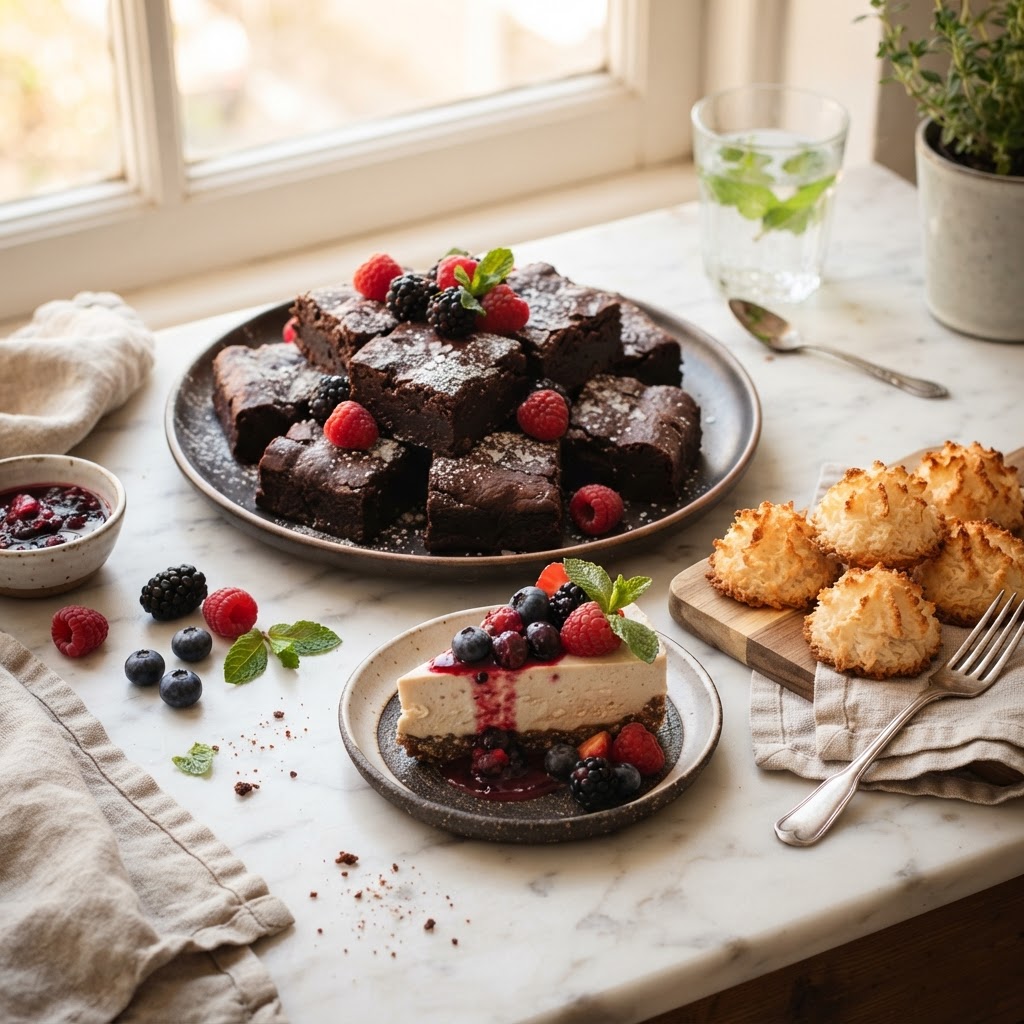
Vegan Dessert Ideas
Discover delicious vegan dessert ideas that satisfy every craving. From rich brownies to refreshing treats, learn how to bake plant-based without compromise.
Vegan Meal Planning
Master vegan meal planning with our comprehensive guide. Learn how to organize your pantry, prep nutritious meals, and save time and money on a plant-based diet.
Vegan Cooking Tools
Upgrade your kitchen with essential vegan cooking tools. Discover the best gadgets to simplify plant-based prep, from high-speed blenders to air fryers.
Simple Vegan Cooking
Master simple vegan cooking with our comprehensive guide. Learn essential pantry staples, easy meal prep tips, and delicious recipes for a healthy lifestyle.
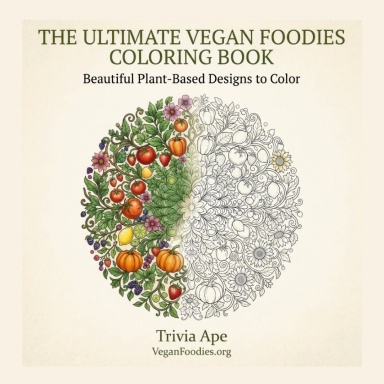
The Ultimate Vegan Foodies Coloring Book
Beautiful Plant-Based Designs to Color
Relax and unwind with beautifully detailed illustrations inspired by fruits, vegetables, herbs, flowers, and wholesome plant-based living. Perfect for stress relief, mindfulness, and creative fun.
by Trivia Ape