Instant Pot Vegan Cooking
Discover how to make delicious vegan meals in your Instant Pot with our comprehensive guide, including tips, recipes, and FAQs.
Instant Pot Vegan Cooking
Mastering the Instant Pot is a game-changer for plant-based home cooks looking to save time, reduce clean-up, and create nutritious, flavorful meals with minimal effort.
Table of Contents
- Why Use an Instant Pot for Vegan Cooking
- Essential Instant Pot Basics
- Perfecting Grains and Legumes
- Best Vegan Soups and Stews
- Healthy Steamed Vegetables
- Common Mistakes to Avoid
- Instant Pot vs. Stovetop Cooking
- Advanced Tips for Flavor Profiles
- Storage and Meal Prep Strategy
- Frequently Asked Questions
- Related Articles
- Newsletter
Why Use an Instant Pot for Vegan Cooking
For many vegans, the kitchen can feel like a full-time job. Between soaking beans, simmering grains, and batch-cooking soups, the hours add up quickly. The Instant Pot streamlines this process by using pressure to cook foods significantly faster than traditional methods while locking in vitamins, minerals, and flavors.
Beyond speed, the Instant Pot is an incredible tool for consistent results. Whether you are preparing a quick Vegan Lentil Soup on a busy weeknight or planning ahead with Easy Vegan Meal Prep, this appliance ensures that your ingredients are cooked evenly every single time. It is a true cornerstone for anyone mastering Plant Based Nutrition.
Additionally, the Instant Pot reduces the "active" time spent at the stove. Once you set the timer, you are free to prep other components of your meal, clean up, or simply relax. This hands-off approach to plant-based cooking is a major advantage for busy professionals or parents who need high-nutrition meals without spending hours standing over a hot stove.
Essential Instant Pot Basics
Before you start, familiarize yourself with the buttons and functions. Most models feature standard settings like "Sauté," "Pressure Cook," "Manual," and "Keep Warm." The "Sauté" function is particularly useful because it allows you to brown onions, garlic, or spices directly in the pot before adding liquids, building deep layers of flavor without needing an extra skillet.
Always ensure the sealing ring is properly seated in the lid to maintain pressure. For those new to this, we recommend starting with simple tasks like boiling water or cooking a single cup of rice. Understanding how the pressure release mechanism works—both natural release and quick release—is vital for safe operation and optimal texture.
Understanding Pressure Release Methods
- Natural Release (NR): The pot releases pressure gradually over 10–20 minutes. Use this for foods that take a long time to cook, like dry beans, brown rice, or thick stews, to prevent starch from foaming through the valve.
- Quick Release (QR): You manually turn the valve to venting. Use this for delicate vegetables or pasta to prevent them from becoming mushy.
Expert Handling of Components
It is essential to maintain the cleanliness of the steam release valve and the anti-block shield. Over time, these small parts can accumulate starch residue, which might impede the pot's ability to reach pressure. Remove the anti-block shield monthly and rinse it under warm water to ensure the steam release path remains unobstructed for consistent performance during your next meal prep session.
Perfecting Grains and Legumes
One of the most popular uses for the Instant Pot is cooking dry beans and grains. Dried beans are an Affordable Vegan Pantry Staple, but they often take hours to simmer. In a pressure cooker, most beans go from dry to tender in 20–45 minutes, depending on the variety.
Grain and Legume Cheat Sheet
| Ingredient | Ratio (Grain:Water) | Cook Time (High Pressure) | Release Method |
|---|---|---|---|
| Brown Rice | 1:1 | 22 Min | Natural 10 min |
| Quinoa | 1:1.5 | 1 Min | Natural 10 min |
| Chickpeas | 1:3 | 40 Min | Natural 15 min |
| Black Beans | 1:3 | 25 Min | Natural 10 min |
| Lentils (Brown) | 1:2 | 8 Min | Natural 5 min |
For grains, the ratio of water to grain is key. Brown rice typically requires a 1:1 ratio with 22 minutes on high pressure, followed by a natural release. Quinoa and other ancient grains also thrive under pressure, coming out light and fluffy rather than mushy. This efficiency makes it simple to keep your Vegan Grocery List stocked with versatile, bulk-ready ingredients.
Pro-Tip for Legume Texture
For creamier beans, try adding a tablespoon of oil or a pinch of baking soda to the water before closing the lid. The baking soda helps soften the skins of stubborn beans like chickpeas or navy beans, resulting in a buttery, melt-in-your-mouth texture that is often difficult to achieve on the stovetop.
Best Vegan Soups and Stews
Soups are perhaps the most forgiving and rewarding category for Instant Pot beginners. Because the pot is sealed, moisture does not escape, meaning you often need less water than you would for stovetop cooking. This results in incredibly concentrated flavors, perfect for Vegan Lentil Recipes or hearty vegetable stews.
The Layering Technique
When making soups, layer your ingredients carefully. Place denser vegetables like carrots, potatoes, and sweet potatoes at the bottom (closest to the heating element), and more delicate greens like kale or spinach on top after the pressure cooking cycle is complete. Use the residual heat to wilt the greens perfectly. Adding aromatics like ginger, turmeric, or smoked paprika during the sauté phase creates a foundation of flavor that penetrates the legumes as they cook.
Healthy Steamed Vegetables
Steaming is often overlooked, but the Instant Pot is a master at it. By using a trivet and a cup of water, you can steam broccoli, cauliflower, and carrots in under 3 minutes. The quick high-pressure environment preserves color and nutrient density better than boiling.
This method is ideal for meal prep. Once steamed, you can toss these veggies into Rainbow Power Bowls or store them for later use. Always remember to use the quick-release method immediately after the timer finishes to prevent overcooking.
Pro Tip for Vegetables
If you are steaming multiple vegetables at once, organize them by cooking time. If you are steaming carrots (which take longer) and zucchini (which are very soft), set the timer for the duration required by the tougher vegetable, and use a quick release the second the timer beeps to save the softer ones.
Common Mistakes to Avoid
One common error is failing to use enough liquid; the machine needs moisture to build pressure. If the pot displays a "Burn" error, it usually means there is not enough liquid or the food is stuck to the bottom of the pot. Always deglaze your pot after using the "Sauté" function to ensure no browned bits are stuck to the metal.
Another mistake is overfilling. Never fill your Instant Pot more than two-thirds full when cooking foods that expand, such as rice or beans. Following these simple guidelines ensures your appliance lasts longer and your food tastes better.
Avoid the "Burn" Error
- Add liquid last: If you sauté, make sure to add a half-cup of water or broth to scrape up the browned bits (fond) before adding the rest of your ingredients.
- Avoid thick sauces: Heavy sauces like thick tomato paste or creamy nut-based sauces should be added after the pressure cycle is complete, otherwise, they may burn on the bottom.
Instant Pot vs. Stovetop Cooking
| Feature | Instant Pot | Stovetop |
|---|---|---|
| Speed | Very Fast | Slow to Moderate |
| Energy Efficiency | High | Low |
| Hands-off Time | High | Low |
| Flavor Retention | Excellent | Moderate |
Advanced Tips for Flavor Profiles
To elevate your Instant Pot vegan meals, consider these expert tactics:
- Use Umami Bombs: Add a tablespoon of soy sauce, miso paste, or nutritional yeast after the pressure cycle. Since high heat can degrade delicate fermented flavors, stirring them in at the end retains their complexity.
- Acid at the End: A squeeze of fresh lemon juice or a dash of apple cider vinegar right before serving brightens up heavy bean or root vegetable stews that may have become slightly dull under high pressure.
- Infused Liquids: Instead of water, use vegetable bouillon, kombu-infused water, or coconut milk (for curries) to build depth into every grain of rice or bean.
Storage and Meal Prep Strategy
Properly stored Instant Pot meals make plant-based eating sustainable. Because you are cooking in bulk, follow these guidelines:
- Cooling: Allow your hot stews or cooked grains to cool slightly before placing them in the refrigerator to prevent the container from sweating, which can lead to rapid spoilage.
- Portioning: Use glass airtight containers to portion out your meals into individual serving sizes. This prevents the need to reheat a massive batch repeatedly, which compromises texture.
- Freezing: Most soups and cooked beans freeze perfectly for up to three months. Leave an inch of "headspace" in your freezer containers, as liquids expand when frozen.
Frequently Asked Questions
Q1: Can I cook frozen vegetables in the Instant Pot? A1: Yes, but they require very little time, often only 0 to 1 minute on high pressure, as they are already partially cooked.
Q2: Do I need to soak beans before pressure cooking? A2: While soaking is not strictly necessary for most beans in an Instant Pot, it can improve digestibility and uniformity. If you skip soaking, increase the cooking time by 10–15 minutes.
Q3: How do I prevent the "Burn" message? A3: Ensure you have enough liquid, deglaze the pot after sautéing, and place tomato-based sauces on top of other ingredients.
Q4: Is it safe to open the pot immediately? A4: Only after the pressure release valve is set to venting and the pin has dropped completely.
Q5: Can I adjust the pressure level? A5: Many models allow you to choose between Low and High pressure. For most vegan staples like beans and brown rice, use High pressure. Use Low pressure for soft vegetables or delicate fruits.
Q6: How do I clean the lid and sealing ring? A6: Both are dishwasher safe, but the sealing ring often absorbs odors. Keep a separate ring for savory and sweet meals to prevent your dessert from tasting like onions.
Q7: Can I use the Instant Pot as a slow cooker? A7: Yes, most models feature a dedicated Slow Cook button. Remember that it will not reach pressure, so you may need slightly more liquid than a standard crockpot to account for steam loss.
Q8: What is the "keep warm" function used for? A8: It is ideal for maintaining serving temperature for up to 10 hours. However, for grains like rice, remove them after 30 minutes to prevent the bottom layer from drying out or forming a crust.
Related Articles
- Affordable Vegan Pantry Staples
- Vegan Lentil Recipes
- Vegan Grocery List Beginners
- Rainbow Power Bowls
Newsletter
Join our community of plant-based food lovers! Sign up for our weekly newsletter to receive fresh recipes, cooking tips, and exclusive guides delivered straight to your inbox.
Conclusion
Embracing the Instant Pot is one of the most effective ways to simplify your vegan cooking journey. With a better understanding of how to manage grains, beans, and healthy meals, you can save significant time while enjoying delicious, nutrient-dense food every day. Start small, experiment with your favorite ingredients, and watch your kitchen efficiency soar.
Ready to get started? Try your first recipe today and see why the Instant Pot is a must-have for every vegan home cook. By following these refined techniques, you transform your kitchen into a powerhouse of efficiency, health, and flavor.
Enjoying this guide?
Browse our favorite recommended vegan products and kitchen essentials.
View Recommended Products →You Might Also Like
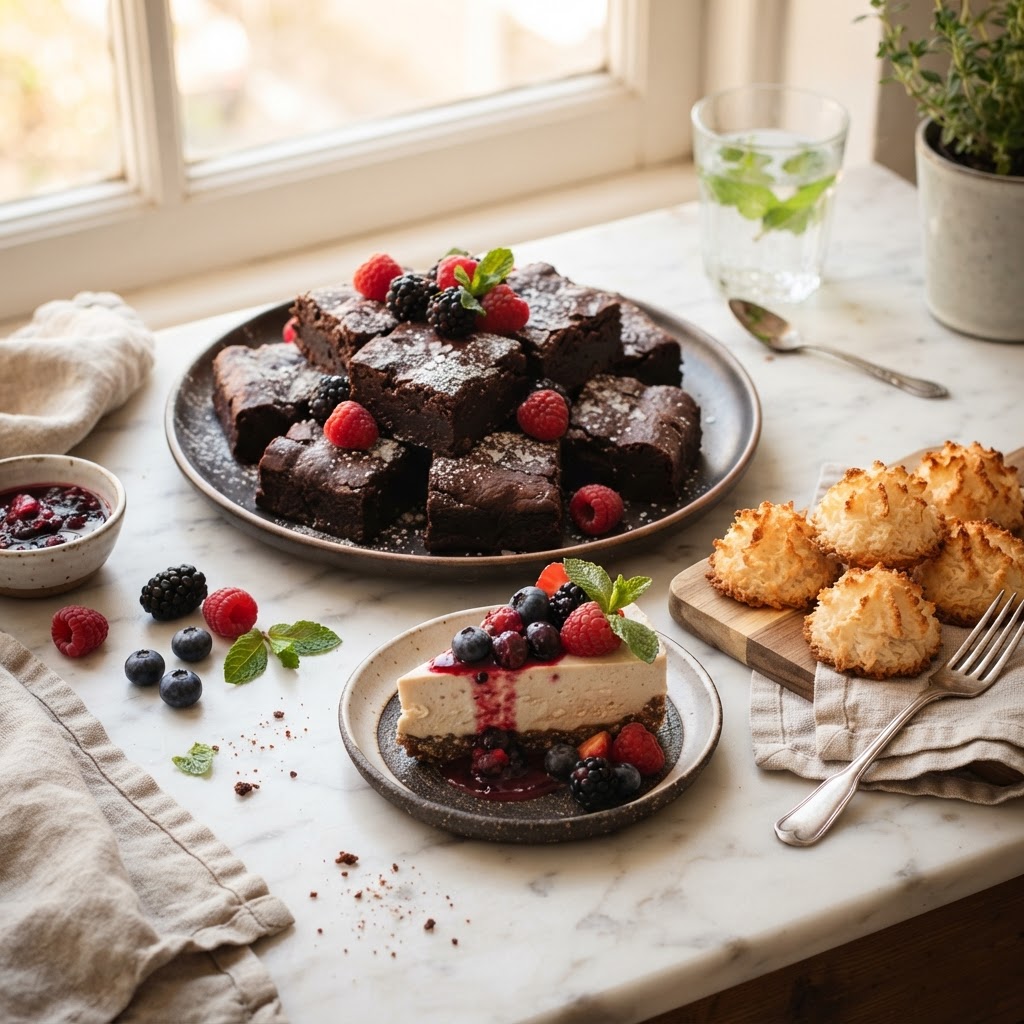
Vegan Dessert Ideas
Discover delicious vegan dessert ideas that satisfy every craving. From rich brownies to refreshing treats, learn how to bake plant-based without compromise.
Vegan Meal Planning
Master vegan meal planning with our comprehensive guide. Learn how to organize your pantry, prep nutritious meals, and save time and money on a plant-based diet.
Vegan Cooking Tools
Upgrade your kitchen with essential vegan cooking tools. Discover the best gadgets to simplify plant-based prep, from high-speed blenders to air fryers.
Simple Vegan Cooking
Master simple vegan cooking with our comprehensive guide. Learn essential pantry staples, easy meal prep tips, and delicious recipes for a healthy lifestyle.
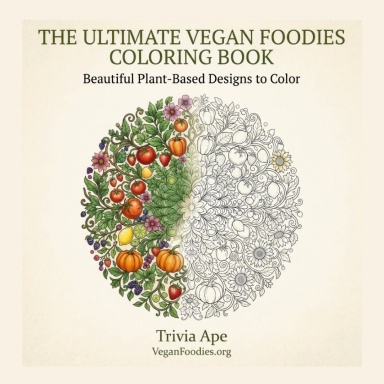
The Ultimate Vegan Foodies Coloring Book
Beautiful Plant-Based Designs to Color
Relax and unwind with beautifully detailed illustrations inspired by fruits, vegetables, herbs, flowers, and wholesome plant-based living. Perfect for stress relief, mindfulness, and creative fun.
by Trivia Ape