Simple Vegan Pantry Dinners
10 delicious vegan dinners made entirely from pantry staples. No special ingredients, no trips to a specialty store — just great food from what you already have.
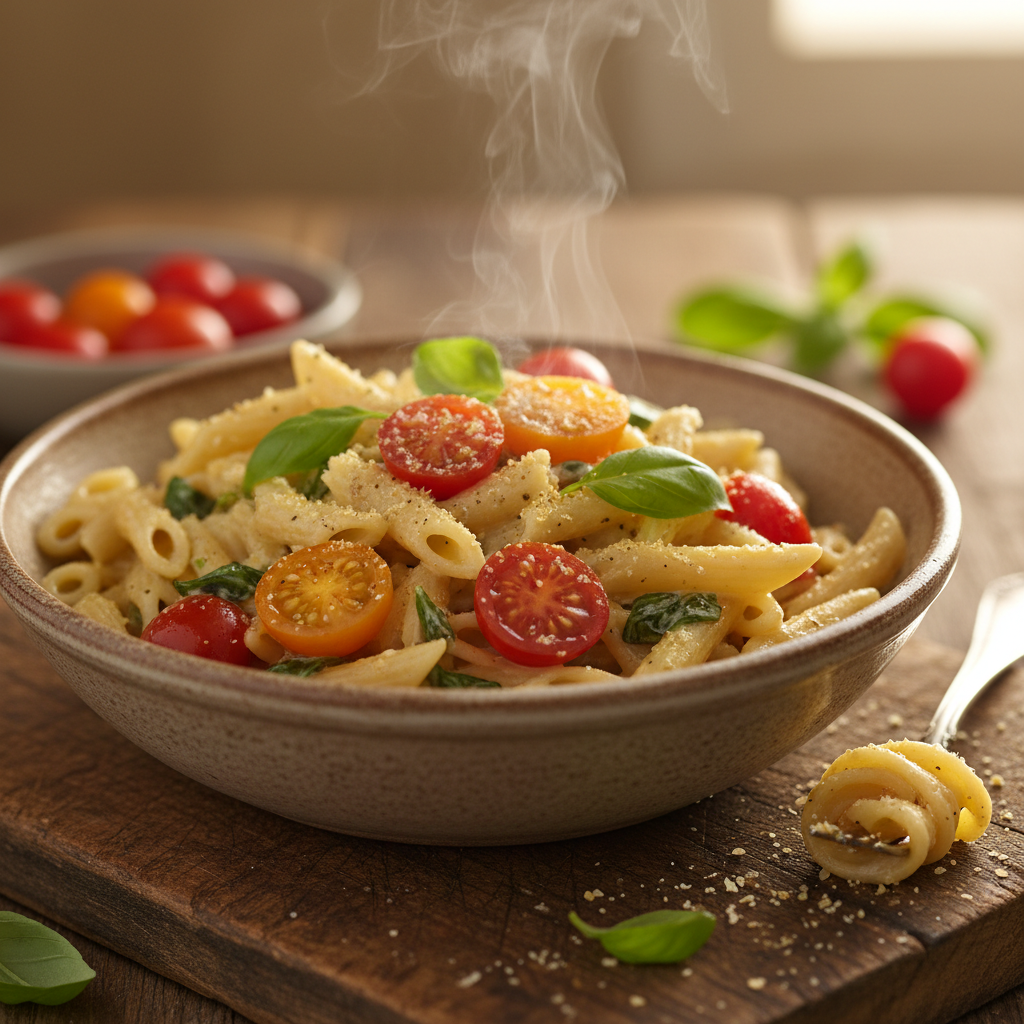
Simple Vegan Pantry Dinners
Discover how to transform humble pantry staples into delicious, wholesome, and satisfying vegan meals with these simple techniques and creative recipe ideas.
Table of Contents
- Essential Vegan Pantry Staples
- Stocking Your Kitchen for Success
- Quick Weeknight Meal Formulas
- Nutrient Density in Pantry Cooking
- Pro Tips for Flavor Maximization
- Common Mistakes to Avoid
- Comparison of Cooking Methods
- Pantry Substitution Guide
- Meal Prep and Long-Term Storage
- Frequently Asked Questions
- Related Articles
- Newsletter
- Conclusion
Essential Vegan Pantry Staples
To build a reliable foundation for vegan cooking, your pantry needs to be stocked with versatile, shelf-stable ingredients. Grains like brown rice, quinoa, and farro provide the necessary base for bowls and stir-fries, while legumes—such as chickpeas, black beans, and lentils—offer essential plant-based protein. Keeping a variety of canned tomatoes, coconut milk, and vegetable broth allows you to create everything from hearty soups to rich, creamy curries without needing fresh produce every day.
Don't underestimate the power of aromatics and flavor enhancers. Stock your shelves with high-quality olive oil, soy sauce (or tamari), apple cider vinegar, and a wide array of dried herbs and spices. Nutritional yeast is another "must-have" for adding a savory, "cheesy" depth to sauces and pasta dishes. By keeping these basics on hand, you are never more than twenty minutes away from a complete, flavorful meal.
Beyond these, keep a selection of nuts and seeds—like walnuts, pumpkin seeds, and sunflower seeds—to add necessary healthy fats and crunchy texture. Dried fruits like raisins, cranberries, or apricots can provide a surprising contrast in savory dishes, such as adding a hint of sweetness to a Moroccan-inspired chickpea tagine.
Stocking Your Kitchen for Success
Organization is the secret to effective pantry cooking. Dedicate a specific area of your kitchen to dry goods, grouping similar items together for easy access during the cooking process. Use clear, airtight glass containers to store grains, pasta, and legumes; this not only keeps pests out but also allows you to see exactly how much you have left, preventing last-minute grocery store runs.
Rotate your stock frequently to ensure freshness. Even dried goods have a shelf life, and using a "first-in, first-out" inventory method ensures your spices remain potent and your grains maintain their texture. Additionally, keep a simple inventory list on your phone or inside a kitchen cabinet to track what needs to be replenished during your next shopping trip. A well-organized space reduces mental fatigue when deciding what to cook for dinner.
Consider the "Zoning" method for your pantry: store items used together in the same zone. For instance, place all pasta shapes, jarred marinara, and dried herbs on one shelf to create a "Pasta Station." Group rice, lentils, dried beans, and vegetable bouillon in another area for "Grain and Protein Base" cooking. This small shift in layout drastically reduces cooking prep time.
Quick Weeknight Meal Formulas
One of the easiest ways to cook from the pantry is using the "Formula Method." Start with a grain base, add a legume for protein, toss in some canned or frozen vegetables, and finish with a simple sauce. For example, a "Mediterranean Bowl" can be constructed with quinoa, canned chickpeas, sun-dried tomatoes, and a quick dressing made of tahini, lemon juice, and dried oregano.
Another staple formula is the "One-Pot Stew." Simply sauté onions and garlic in olive oil, add canned tomatoes and a splash of broth, then stir in dried lentils and spices like cumin or paprika. Let it simmer until the lentils are tender. This approach is not only efficient but also minimizes cleanup. Focus on layering flavors—start with the base, build with aromatics, and brighten the final dish with a splash of acidity.
Try the "Global Flavor Profile" technique to vary your results:
- Asian-Inspired: Use rice noodles or jasmine rice, edamame or tofu, ginger powder, soy sauce, and sesame oil.
- Latin-Inspired: Use black beans, corn, brown rice, chili powder, cumin, and lime juice.
- Italian-Inspired: Use pasta, chickpeas or white beans, canned crushed tomatoes, garlic powder, and dried basil.
Nutrient Density in Pantry Cooking
Many people mistakenly believe that pantry cooking is less nutritious than using fresh ingredients. However, canned beans, lentils, and vegetables are often processed at peak ripeness, locking in essential vitamins and minerals. By choosing low-sodium versions of canned goods and rinsing them thoroughly, you can easily control the salt content in your final dishes.
To boost nutrient density, incorporate nutrient-rich additions like flaxseeds, chia seeds, and walnuts, which provide omega-3 fatty acids. If you have access to frozen vegetables like peas, spinach, or broccoli, these are excellent additions to any pantry meal. They contribute significant fiber, vitamins, and minerals that perfectly complement the density of grains and legumes, ensuring a balanced diet even when fresh produce is limited.
Think about "Protein Pairing": Grains like rice contain different amino acids than legumes. By combining them in a single meal, you create a complete protein profile, ensuring your body receives all the necessary building blocks for muscle maintenance and energy.
Pro Tips for Flavor Maximization
- Toast Your Grains: Before adding water to your rice or quinoa, toast the dry grains in the pot with a teaspoon of oil for 2-3 minutes. This adds a nutty complexity that is hard to achieve otherwise.
- Rehydrate Your Spices: Bloom dried spices in hot oil for 30 seconds before adding liquids. This releases the essential oils in spices like turmeric, paprika, and cumin, leading to a much deeper flavor profile.
- The Umami Bomb: If your dish tastes flat, add a teaspoon of miso paste or soy sauce, even in non-Asian dishes. It adds a savory depth that elevates humble beans and grains.
- Citrus Zest: Keep dried citrus zest or keep whole lemons in the fridge. A splash of fresh lemon juice at the end of cooking acts as a flavor wake-up call, cutting through the starchiness of grains.
Common Mistakes to Avoid
One of the biggest mistakes in pantry cooking is neglecting to season effectively. Because pantry staples can be relatively bland, seasoning must happen at multiple stages. Add salt to your boiling water for grains, use generous amounts of spices early in the cooking process, and finish with a final "brightener" like fresh lemon juice or a dash of vinegar.
Another common error is overcooking legumes. While canned beans are already cooked, they can easily turn into mush if boiled for too long. Add beans during the final stages of your recipe to maintain their texture. Finally, avoid relying solely on refined starches. Aim for a balance by incorporating whole grains like brown rice or buckwheat, which offer more fiber and sustained energy compared to white pasta or instant rice.
Beware of "under-salting" the cooking water for pasta and grains. These items absorb the flavor of the water they are cooked in; if the water is flat, the grain will be bland, requiring you to add excessive salt later on.
Comparison of Cooking Methods
| Method | Best For | Benefit | Time Required |
|---|---|---|---|
| Simmering | Soups/Stews | Deep flavor development | 30-45 minutes |
| Sautéing | Stir-fries/Grains | Fast, crisp texture | 10-15 minutes |
| Pressure Cooking | Dry Beans/Grains | Extremely fast cooking | 5-20 minutes |
| Slow Cooking | Curries/Dals | Hands-off convenience | 4-6 hours |
| Steaming | Vegetables | Retains color and nutrients | 5-8 minutes |
Pantry Substitution Guide
Don't let a missing ingredient stop your meal. Use this guide to pivot:
- Instead of Heavy Cream: Use canned coconut milk or a blend of cashews soaked in hot water and pureed.
- Instead of Fresh Onions: Use 1 tablespoon of onion powder or dried minced onions.
- Instead of Vegetable Broth: Use water with a splash of soy sauce and a pinch of dried herbs.
- Instead of Tahini: Use smooth peanut or almond butter mixed with a little toasted sesame oil.
- Instead of Breadcrumbs: Use crushed crackers, toasted oats, or panko mixed with nutritional yeast.
Meal Prep and Long-Term Storage
To save time during the week, practice "Component Prep." On a Sunday, cook a large batch of one grain (like farro) and one legume (like chickpeas). Store these separately in the fridge for up to four days. When dinner time comes, you are merely assembling and heating, rather than starting from scratch.
For long-term storage, ensure your pantry is cool, dark, and dry. Heat and light degrade the flavor of spices and the nutritional quality of oils. Keep oils in a cupboard rather than next to the stove. If you buy bulk dry goods, consider vacuum sealing what you aren't using immediately to prevent oxidation and moisture absorption.
Frequently Asked Questions
Q1: How long can I keep dried beans in the pantry? A1: Properly stored in an airtight container in a cool, dark place, dried beans can last for up to two years, though they may take longer to soften as they age. Q2: Are frozen vegetables just as healthy as fresh? A2: Yes, frozen vegetables are often flash-frozen at the peak of freshness, retaining the same, if not more, nutritional value than fresh produce that has been stored for days. Q3: What is the best substitute for fresh herbs? A3: You can substitute dried herbs for fresh ones, but use a 1:3 ratio. Because dried herbs are more concentrated, you need less of them. Q4: How do I make pasta sauce without fresh tomatoes? A4: Use a base of high-quality canned crushed tomatoes, sautéed garlic, dried basil, oregano, and a pinch of red pepper flakes for a classic, rich flavor. Q5: Can I freeze cooked pasta for future meals? A5: While possible, it is not recommended as the texture often becomes mushy. It is better to store cooked pasta with a little oil in the fridge for up to 3 days. Q6: What should I do if my lentils are not softening? A6: High-acid ingredients like tomatoes or vinegar can prevent lentils from softening. Add these ingredients only after the lentils are fully cooked to ensure proper texture. Q7: Is it safe to store opened canned goods in the can? A7: No, once opened, transfer the contents into a glass or plastic airtight container before placing them in the refrigerator to prevent a metallic taste and oxidation.
Related Articles
- Vegan Chickpea Curry in 30 Minutes
- Hearty Vegan Lentil Soup (One-Pot, 30 Minutes)
- Creamy Vegan Tomato Basil Soup
Newsletter
Want more delicious, plant-based inspiration delivered straight to your inbox? Sign up for our weekly newsletter to receive easy recipes, cooking tips, and pantry hacks to help you live your best vegan life. Join our community of food lovers today!
Conclusion
Mastering the art of simple vegan pantry dinners is a liberating culinary skill. It allows you to create healthy, delicious, and sustainable meals regardless of your schedule or grocery budget. By stocking your kitchen with these essential staples and practicing the techniques outlined here, you can confidently navigate your kitchen to produce satisfying results every night of the week.
Start small by identifying your favorite pantry ingredients, and don't be afraid to experiment with new spice combinations. Your pantry is a treasure trove of potential—start exploring it today and discover how simple and rewarding plant-based cooking can truly be. Consistency is the key to success in the kitchen, and by mastering these basics, you are building the framework for a lifetime of healthy eating.
Enjoying this guide?
Browse our favorite recommended vegan products and kitchen essentials.
View Recommended Products →You Might Also Like
Plant-based Supplements: A Complete Guide to Optimizing Your Vegan Nutrition
Explore the essential plant-based supplements to support your health. Learn what to look for in vitamins, minerals, and proteins to fuel your vegan lifestyle.
Vegan Air Fryer Recipes
Discover delicious, healthy, and easy vegan air fryer recipes. From crispy tofu to roasted vegetables, master your appliance with these plant-based meal ideas.
Vegan Comfort Food
Discover the best vegan comfort food recipes, from creamy pastas to hearty stews. Indulge in delicious, plant-based classics without the guilt!
Vegan Pantry Staples
Learn how to build a fully stocked vegan pantry. Discover essential dry goods, canned items, and healthy ingredients for delicious, plant-based cooking.
The Ultimate Vegan Foodies Coloring Book
Beautiful Plant-Based Designs to Color
Relax and unwind with beautifully detailed illustrations inspired by fruits, vegetables, herbs, flowers, and wholesome plant-based living. Perfect for stress relief, mindfulness, and creative fun.
by Trivia Ape