Vegan Sushi Bowl
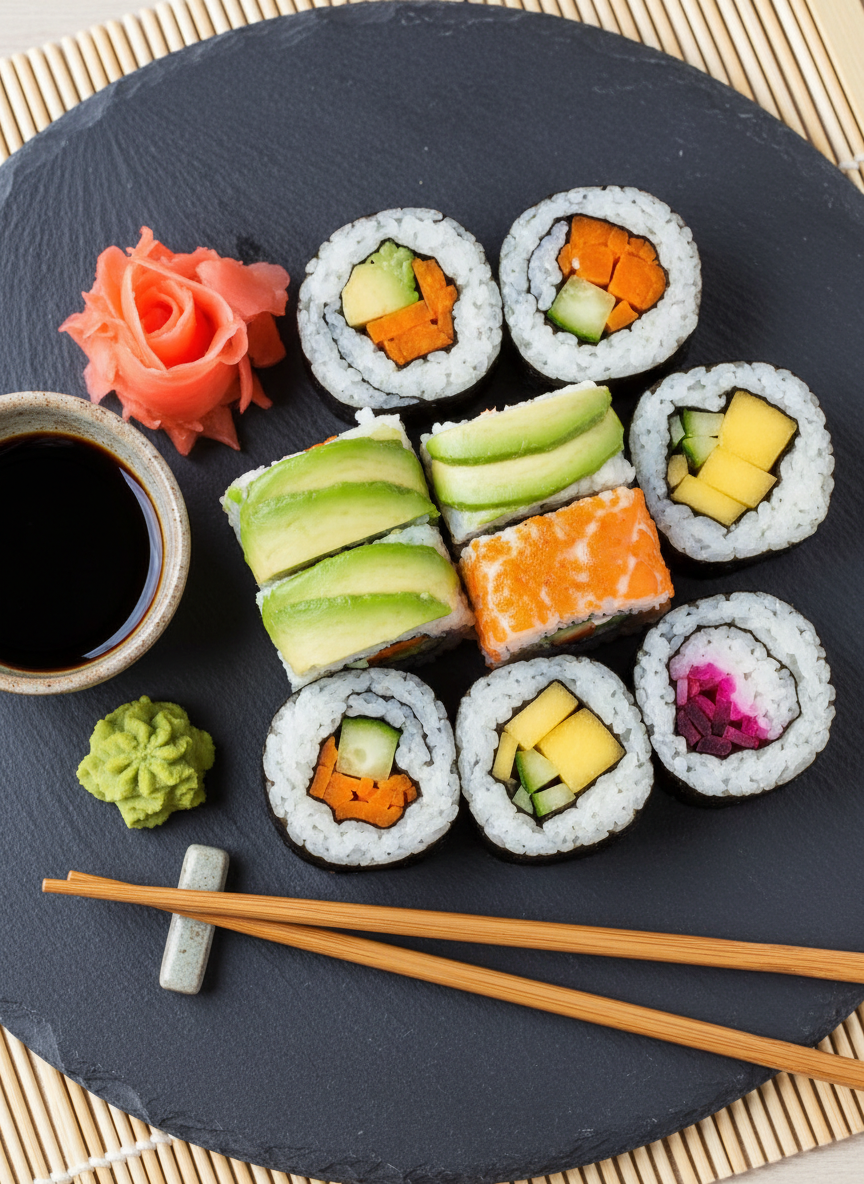
All the flavors of sushi in a bowl — no rolling required. Sweet potato, avocado, cucumber, and spicy mayo.
📋 Recipe
Ingredients
- 11 cup sushi rice
- 22 tbsp rice vinegar
- 31 tbsp sugar
- 41 sweet potato, cubed
- 51 avocado, sliced
- 61 cucumber, sliced
- 71 carrot, julienned
- 8Nori sheets, cut into strips
- 9Soy sauce, pickled ginger, wasabi
- 10For spicy mayo: 3 tbsp vegan mayo + 1 tsp sriracha
Instructions
- 1
Cook sushi rice. Mix in rice vinegar and sugar while hot. Cool to room temp.
- 2
Roast sweet potato cubes at 425°F for 25 minutes until crispy.
- 3
Slice avocado, cucumber, and julienne carrots.
- 4
Mix vegan mayo with sriracha for spicy mayo.
- 5
Divide rice between bowls. Arrange sweet potato, avocado, cucumber, carrot, and nori on top.
- 6
Drizzle with spicy mayo and soy sauce. Add pickled ginger and wasabi on the side.
Nutrition (per serving)
15g
fat
9g
fiber
450
calories
70g
carbs
8g
protein
Vegan Sushi Bowl
A delicious, vibrant, and plant-based twist on traditional sushi, this vegan sushi bowl offers all the complex flavors of your favorite roll without the need for intricate rolling skills.
Table of Contents
- What is a Vegan Sushi Bowl?
- Essential Ingredients for the Perfect Base
- Protein Options for Plant-Based Sushi
- Vegetable Toppings and Textures
- Creating the Perfect Sushi Rice
- The Art of the Sushi Dressing
- Pro Tips for Elevated Bowls
- Nutritional Profile and Health Benefits
- Storage, Meal Prep, and Leftovers
- Common Sushi Bowl Mistakes to Avoid
- Comparison: Traditional Sushi vs. Sushi Bowl
- Frequently Asked Questions
- Related Articles
- Newsletter
- Conclusion
What is a Vegan Sushi Bowl?
A vegan sushi bowl, often referred to as a deconstructed sushi roll, is a healthy and accessible way to enjoy Japanese-inspired flavors. Instead of layering ingredients inside nori and rolling them into tight cylinders, you assemble your favorite sushi components in a bowl, typically over a bed of seasoned sushi rice.
This format is perfect for home cooks who want the flavor profile of sushi—tangy rice, fresh vegetables, creamy avocado, and savory sauces—without the technical difficulty of mastering sushi rolling techniques. It is highly customizable, allowing you to cater to different dietary preferences while keeping the spirit of the dish intact.
Essential Ingredients for the Perfect Base
The foundation of any great sushi bowl is the rice. While white short-grain sushi rice is the traditional standard, you can also experiment with brown sushi rice for added fiber or even cauliflower rice if you are looking for a low-carb alternative. To achieve the best results, always source high-quality Japanese short-grain rice (Japonica), which naturally contains the amylopectin needed to create that signature chewy texture.
The seasoning is what truly makes it "sushi" rice. You will need a blend of rice vinegar, sugar, and a pinch of salt. This mixture is folded into the cooked rice while it is still warm to ensure the grains become glossy and slightly tacky. Without this step, your bowl will simply taste like plain steamed rice rather than the vibrant base expected in a sushi-inspired meal. For an authentic touch, you can dissolve a small piece of kombu (dried kelp) into the vinegar mixture while heating it slightly on the stove.
Protein Options for Plant-Based Sushi
Since sushi bowls lack the traditional fish element, incorporating a hearty protein is essential for satiety. Tofu is the most classic choice; firm or extra-firm tofu can be pan-seared, air-fried, or baked with a ginger-soy glaze to mimic the texture of sushi-grade fish. To maximize flavor, press your tofu for at least 30 minutes to remove excess water, allowing it to soak up more marinade.
Tempeh is another fantastic option, providing a nuttier flavor and a denser texture. For those who prefer a more "seafood-like" feel, marinated king oyster mushrooms or "sushi-grade" tomatoes—blanched, peeled, and marinated in soy sauce and kombu—can provide a surprisingly realistic texture. You can also utilize edamame (steamed soybeans), which are incredibly easy to prepare and add a bright green pop to your bowl. Always ensure your proteins are well-seasoned to provide a savory backbone for the fresher, lighter elements of the bowl.
Vegetable Toppings and Textures
Diversity in texture and color is what makes a sushi bowl visually stunning and exciting to eat. Aim for a mix of crunchy, creamy, and fresh elements. Thinly sliced cucumbers (preferably English or Persian for fewer seeds), julienned carrots, and shredded purple cabbage add the necessary crunch. To take these to the next level, consider lightly pickling your cucumbers in a bit of vinegar and sugar for 15 minutes before serving.
Creaminess is non-negotiable in a good sushi bowl. Ripe avocado slices or a spicy vegan mayo drizzle provide the richness that balances the acidic rice. For a pop of flavor, consider adding pickled ginger (gari), toasted nori strips, and edamame beans. Other excellent additions include radishes, sliced snow peas, microgreens, or even seaweed salads (wakame). These additions not only enhance the visual appeal but also provide the traditional punch of "umami" that defines great sushi.
Creating the Perfect Sushi Rice
To achieve the right consistency, you must wash your rice thoroughly until the water runs clear. This removes excess starch that would otherwise make the rice mushy. Use a 1:1.2 ratio of rice to water and cook it until tender.
Once cooked, transfer the rice to a wide, non-metallic bowl (such as wood or plastic, as metal can react with the vinegar). Drizzle your vinegar mixture over a rice paddle to disperse it evenly, then use a slicing motion to fold the seasoning into the rice. Avoid smashing the grains, as this creates a pasty texture. Allow the rice to cool to room temperature before assembling your bowls. Using a fan or a piece of cardboard to gently cool the rice while folding will result in a professional-grade, glossy finish.
The Art of the Sushi Dressing
A great sauce brings all the disparate elements together. A classic spicy mayo is made by whisking vegan mayonnaise with sriracha and a teaspoon of sesame oil. If you prefer something lighter, a ginger-sesame dressing using tamari, freshly grated ginger, toasted sesame oil, and a touch of maple syrup works wonders.
For a more refined approach, consider a ponzu-inspired vinaigrette made from soy sauce, citrus juice (yuzu or lime), and mirin. Don't be afraid to experiment with wasabi-infused sauces or even a drizzle of tahini for an earthy, Mediterranean-Japanese fusion. Small finishing touches like toasted black and white sesame seeds, thinly sliced scallions, or microgreens are what separate a home-cooked bowl from a restaurant-quality meal. A sprinkle of high-quality furikake adds a final layer of complexity.
Pro Tips for Elevated Bowls
- Temperature Contrast: Serve the rice at room temperature while keeping your protein warm (if using seared tofu or tempeh). This contrast makes the dish feel more sophisticated.
- The Nori Technique: Use high-quality toasted nori sheets. Instead of whole sheets, use kitchen shears to cut them into fine strips right before serving to maintain crispness.
- Pickled Components: Always include one pickled element, such as pickled ginger or quick-pickled red onion, to cut through the richness of the avocado.
- Presentation: Arrange your toppings in distinct quadrants rather than mixing them together. This ensures each bite can be customized by the diner.
Nutritional Profile and Health Benefits
Vegan sushi bowls are inherently rich in health-promoting nutrients. The combination of rice and beans (or edamame) provides a complete amino acid profile, making it a great source of plant-based protein. Avocado adds heart-healthy monounsaturated fats, which are essential for nutrient absorption—specifically the fat-soluble vitamins found in the vegetables like carrots (vitamin A).
Nori is an excellent source of iodine and trace minerals, while the rice vinegar promotes healthy digestion. By swapping white rice for brown rice, you significantly increase the fiber content, which helps stabilize blood sugar levels throughout the meal. The variety of colorful vegetables ensures a wide spectrum of antioxidants, helping to reduce oxidative stress in the body.
Storage, Meal Prep, and Leftovers
Sushi bowls are incredibly convenient for meal prepping, provided you store components separately.
- Rice: Store in a sealed container at room temperature for up to 24 hours. If refrigerated, the starch will recrystallize and become hard. If you must refrigerate, reheat gently with a splash of water.
- Vegetables: Keep chopped, raw vegetables in an airtight container with a paper towel to absorb moisture. Add avocado fresh right before serving to prevent browning.
- Protein: Cooked proteins like tofu or tempeh can be stored in the refrigerator for up to 3 days. Reheat before adding to the bowl.
- Sauces: Store sauces in small jars. They will last for up to a week in the refrigerator.
Common Sushi Bowl Mistakes to Avoid
One common error is using standard long-grain or jasmine rice. These varieties lack the "stickiness" required for authentic sushi rice and will result in a dry, loose bowl. Always stick to short-grain rice labeled as "sushi rice." Another frequent mistake is neglecting to properly season the rice. If the rice is bland, the entire bowl will feel like a salad rather than a sushi experience.
Avoid overcrowding your bowl with too many soft ingredients. Always ensure there is a "crunch factor"—such as carrots, radish, or sesame seeds—to provide contrast against the soft rice and avocado. Finally, do not add the dressing until the very last second; sauces can quickly make fresh vegetables soggy if they sit for too long.
Comparison: Traditional Sushi vs. Sushi Bowl
| Feature | Traditional Sushi | Vegan Sushi Bowl |
|---|---|---|
| Preparation Time | High (Requires rolling skills) | Low (Quick assembly) |
| Difficulty Level | Advanced | Beginner-friendly |
| Portability | Easy (Finger food) | Better as a meal (Requires utensils) |
| Customization | Limited | Unlimited |
| Skill Required | Rolling/Slicing Precision | Knife Skills Only |
Frequently Asked Questions
Q1: Can I make the rice ahead of time? A1: Yes, but it is best stored in an airtight container at room temperature. Refrigerating sushi rice can cause the starch to harden, making it dry and brittle. If you must store it in the fridge, let it come back to room temperature before serving.
Q2: Is nori necessary? A2: While not strictly required, nori adds the authentic "sea" flavor associated with sushi. You can tear it into strips or use shredded roasted seaweed snacks if you don't have full sheets.
Q3: What is a good substitute for vegan mayo? A3: A blend of silken tofu, lemon juice, and a pinch of salt can create a creamy, protein-rich substitute for traditional mayonnaise. Alternatively, a creamy tahini-lemon dressing works beautifully.
Q4: How long can I keep leftovers? A4: Sushi bowls are best consumed fresh. If you must store them, keep the rice and vegetables in separate containers and assemble just before eating to preserve texture.
Q5: Can I use frozen vegetables? A5: While fresh is best, frozen edamame is perfectly acceptable. Avoid frozen carrots or cucumbers, as they will lose their crunch entirely upon thawing.
Q6: Is this dish gluten-free? A6: Most components are naturally gluten-free, but ensure you use Tamari instead of traditional soy sauce to keep the dish wheat-free.
Related Articles
- How to Make Perfect Vegan Sushi Rice
- Guide to Fermenting Your Own Vegetables
- Top 10 Plant-Based Protein Sources
Newsletter
Want more delicious, plant-based recipes delivered straight to your inbox? Subscribe to our weekly newsletter to stay updated on the latest cooking tips, nutrition guides, and exclusive healthy meal plans crafted by our culinary experts. Join our community of home cooks today!
Conclusion
A vegan sushi bowl is more than just a meal; it is a creative outlet that allows you to explore the vast world of Japanese-inspired flavors in a healthy, sustainable way. By focusing on high-quality ingredients and the right preparation techniques, you can enjoy restaurant-quality sushi in your own kitchen. Whether you are a seasoned vegan or just looking to incorporate more plant-based meals into your routine, this recipe provides the perfect balance of taste and nutrition. Start experimenting with your favorite toppings today and share your creations with us!
Enjoying this guide?
Browse our favorite recommended vegan products and kitchen essentials.
View Recommended Products →You Might Also Like
Plant-based Supplements: A Complete Guide to Optimizing Your Vegan Nutrition
Explore the essential plant-based supplements to support your health. Learn what to look for in vitamins, minerals, and proteins to fuel your vegan lifestyle.
Vegan Air Fryer Recipes
Discover delicious, healthy, and easy vegan air fryer recipes. From crispy tofu to roasted vegetables, master your appliance with these plant-based meal ideas.
Vegan Comfort Food
Discover the best vegan comfort food recipes, from creamy pastas to hearty stews. Indulge in delicious, plant-based classics without the guilt!
Vegan Pantry Staples
Learn how to build a fully stocked vegan pantry. Discover essential dry goods, canned items, and healthy ingredients for delicious, plant-based cooking.

The Ultimate Vegan Foodies Coloring Book
Beautiful Plant-Based Designs to Color
Relax and unwind with beautifully detailed illustrations inspired by fruits, vegetables, herbs, flowers, and wholesome plant-based living. Perfect for stress relief, mindfulness, and creative fun.
by Trivia Ape