Best Vegan Cookware Sets
From cast iron to ceramic non-stick, these are the best cookware sets for plant-based cooking.
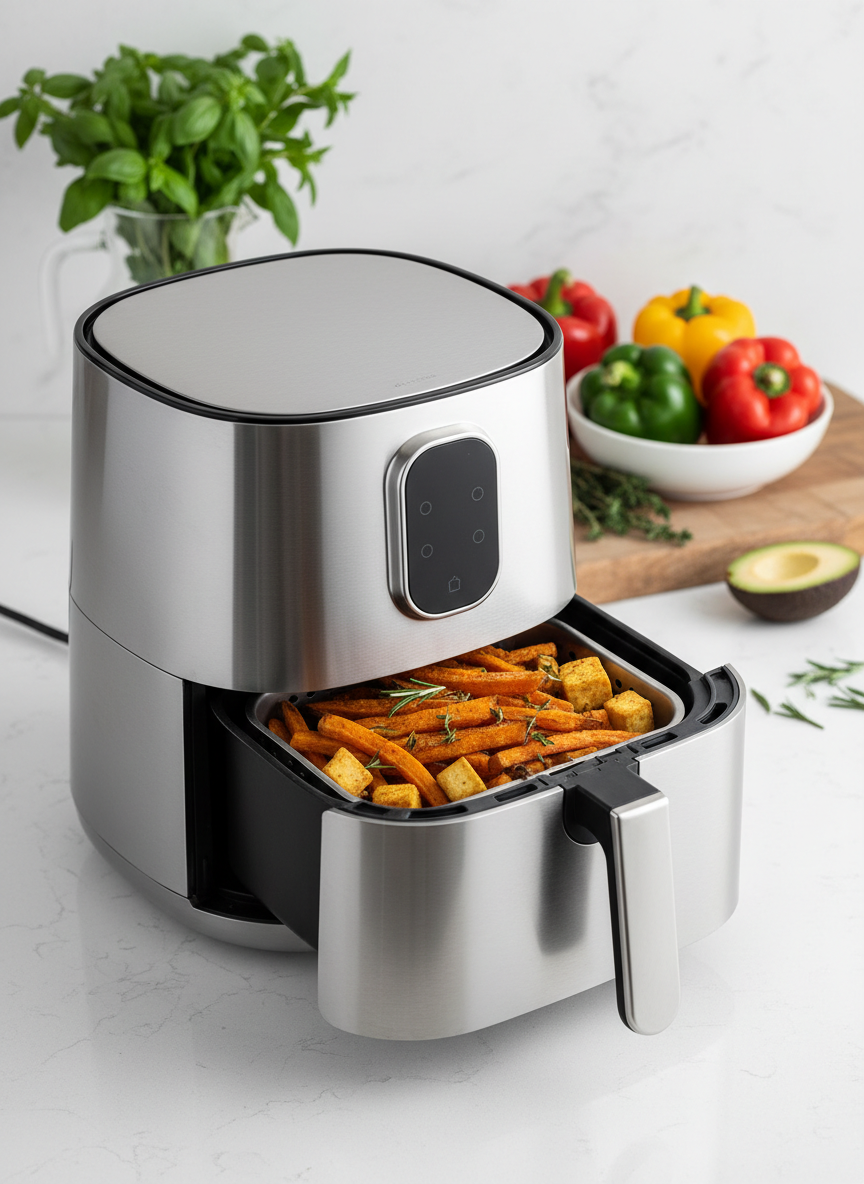
1. GreenPan Valencia Pro 11-Piece
2. Lodge Cast Iron 5-Piece Set
3. Cuisinart Multiclad Pro 12-Piece
4. T-fal Signature Nonstick 12-Piece
* We may earn a small commission from affiliate links at no extra cost to you. Learn more
Best Vegan Cookware Sets
Choosing the right cookware is essential for any plant-based kitchen, as the right materials can make searing tofu, sautéing vegetables, and simmering soups easier and more enjoyable. This guide explores the best materials for vegan cooking and how to build a durable, high-performance kitchen toolkit.
Table of Contents
- The Importance of Quality Cookware
- Understanding Cookware Materials
- Essential Pots and Pans for Vegan Chefs
- Comparison of Cookware Materials
- How to Care for Your Cookware
- Common Mistakes to Avoid
- Advanced Techniques for Vegan Cooking
- Storage and Organization
- Tips for Successful Plant-Based Cooking
- Frequently Asked Questions
- Related Articles
- Newsletter
- Conclusion
The Importance of Quality Cookware
Investing in high-quality cookware is a cornerstone of maintaining a sustainable plant-based lifestyle. When you prepare the majority of your meals at home, your pans become your most utilized kitchen tools. Poor-quality equipment can lead to uneven heating, burnt sauces, and the frustration of food sticking, which discourages home cooking.
By selecting durable materials, you ensure that your vegan staples are cooked consistently. Whether you are mastering a crispy tofu recipe or simmering a vegan lentil soup, the right heat distribution prevents scorching and helps maintain the nutritional integrity of your vegetables and grains. Furthermore, quality cookware reduces the need for excessive added fats, as high-end surfaces often require only a light misting of oil or water to prevent sticking, aligning perfectly with health-conscious plant-based goals.
Understanding Cookware Materials
There are several materials commonly used in modern kitchens, each with distinct benefits for vegan cooking. Stainless steel is often favored by professionals for its durability and resistance to rust or staining. It is excellent for browning mushrooms or caramelizing onions for simple vegan pantry dinners. Look for "tri-ply" or "clad" construction, which means the stainless steel is bonded to a core of conductive material like aluminum or copper, ensuring heat spreads evenly across the base and up the sides of the pan.
Cast iron is another powerhouse, particularly for those looking to add a bit of iron to their diet while cooking. It retains heat exceptionally well, making it perfect for crusty breads or slow-cooked stews. Ceramic coatings offer a non-stick surface without the traditional chemical concerns associated with older non-stick coatings, providing a slick surface that is ideal for delicate items like pancakes or veggie stir-fries.
Copper cookware is often sought after for its responsiveness to heat changes, though it is high-maintenance. For the casual home cook, anodized aluminum is a fantastic middle-ground, offering great durability and a surface that resists chemical reactions with acidic ingredients like tomato-based sauces.
Essential Pots and Pans for Vegan Chefs
To set up a functional kitchen, focus on versatility. A 10-inch skillet, a medium-sized saucepan, and a large Dutch oven are the "holy trinity" of the vegan kitchen. With these three pieces, you can handle everything from vegan stir fry with peanut sauce to hearty vegan mushroom risotto.
Additionally, consider adding a heavy-bottomed stockpot for large batches of soups or freezer-friendly vegan meals. Having a variety of sizes ensures that your cooking experience remains efficient regardless of whether you are prepping for the week or whipping up a quick lunch. Don't forget a well-fitted lid for your Dutch oven, as it creates a closed environment perfect for steam-braising tougher root vegetables or cooking grains like farro or quinoa to perfection.
Expanding Your Toolkit
As you advance in your plant-based journey, consider adding a heavy-duty roasting pan for tray-bake recipes, which are staples for healthy vegan dinners. A dedicated crepe pan or a flat griddle can also revolutionize how you approach plant-based breakfasts, allowing you to flip fragile chickpea-flour crepes or vegan pancakes with ease.
Comparison of Cookware Materials
| Material | Best For | Pros | Cons |
|---|---|---|---|
| Stainless Steel | Sautéing & Searing | Extremely durable, dishwasher safe | Requires some oil, food can stick |
| Cast Iron | Braising & Baking | Natural non-stick, heat retention | Heavy, requires seasoning |
| Ceramic | Low-fat cooking | Easy release, lightweight | Surface can degrade over time |
| Hard-Anodized | Daily use | Heat distribution, non-stick | Requires gentle hand washing |
| Copper | Precision cooking | Incredible heat control | Reactive, high maintenance |
How to Care for Your Cookware
Proper maintenance extends the life of your kitchen tools significantly. Always follow the manufacturer's guidelines, but generally, hand-washing with gentle soap is preferred over the dishwasher for most high-quality pans. Avoid using metal utensils on non-stick or ceramic surfaces to prevent scratching. Instead, opt for silicone or wooden spatulas, which are gentle and heat-resistant.
If you have a cast iron skillet, remember that it requires unique care. Always dry it completely after washing and apply a very light coat of oil before storing to prevent rust. To season it properly, place it in a 350°F oven for one hour after rubbing a thin layer of high-smoke-point oil (like grapeseed oil) over the surface. With proper care, these pieces can last a lifetime, making them a sustainable choice for your kitchen.
Common Mistakes to Avoid
One of the most common mistakes is using the wrong heat level. High heat isn't always better, especially with non-stick or ceramic coatings, which can be damaged by excessive temperatures. Another error is "crowding the pan"; when you put too many vegetables in at once, they steam instead of browning, which ruins the texture. For optimal browning on tofu or broccoli, cook in smaller batches, ensuring there is enough space between pieces for air circulation.
Finally, avoid using harsh abrasive pads on your delicate pans. If food is stuck, try soaking the pan in warm, soapy water for a few minutes. Another pro-tip: if you have burnt residue on stainless steel, simmer a little bit of vinegar and water in the pan for five minutes; the acidity will lift the food effortlessly. Patience in the kitchen is just as important as the quality of the gear you are using.
Pro Tips for Maintenance
Avoid the common mistake of thermal shock. Never place a hot pan directly into cold water, as this can cause the metal to warp, especially with thinner stainless steel or ceramic-coated pans. Always allow your cookware to reach room temperature before cleaning. Furthermore, when dealing with stubborn burnt-on sugars or caramelization, avoid scraping with knives. Instead, create a paste of baking soda and a few drops of water; let it sit for ten minutes, then gently scrub. This removes residue without compromising the pan's finish or its conductive capabilities.
Advanced Techniques for Vegan Cooking
Mastering advanced plant-based techniques often requires specific cookware interactions. For example, the "dry sauté" technique—cooking onions or garlic in a hot stainless steel pan without oil, using only the moisture released from the vegetables—is best achieved with a heavy-bottomed pan to prevent scorching. For vegan braising, using a Dutch oven allows you to maintain consistent internal moisture levels, which is crucial for recipes like seitan pot roast or braised cabbage. Understanding how your pan material interacts with these heat-heavy processes is key to elevating your cooking from basic to gourmet.
Storage and Organization
Proper storage is essential for protecting the integrity of your cookware surfaces. Avoid stacking non-stick pans directly on top of each other, as the rough bottom of one pan can scratch the interior coating of the one below it. Use felt pan protectors or simple paper towels between stacked items. For cast iron, keep it in a dry location, as excess moisture in a cupboard can lead to flash rust on the surface. If you have limited cabinet space, consider a hanging pot rack, which not only saves space but also prevents the wear and tear associated with digging through stacked pots and pans.
Tips for Successful Plant-Based Cooking
Mastering easy vegan meal prep ideas often relies on having organized equipment. Keep your most-used pans accessible, and consider their weight before purchasing. A very heavy pan might be difficult to move if you have limited wrist strength.
Always ensure your pans are preheated before adding your ingredients. A hot pan is the secret to getting a good sear on proteins or a nice crisp on your roasted vegetables. When in doubt, start with a medium heat setting and adjust as needed. If you are roasting vegetables, use a heavy-gauge rimmed baking sheet; thinner sheets tend to warp in high-heat ovens, leading to uneven cooking of your cauliflower or root vegetables.
Maximizing Efficiency
When prepping plant-based meals, keep two burners active with different pans to speed up your routine. For instance, use a non-stick skillet for your tofu scramble while simultaneously using a stainless steel pot to boil grains or legumes. This multitasking approach allows you to finish complex meals in under 30 minutes, keeping your plant-based diet consistent even on busy weeknights.
Frequently Asked Questions
Q1: Is stainless steel the best option for vegan cooking? A1: Stainless steel is incredibly versatile and durable, making it excellent for most cooking tasks, though it requires a small amount of oil or liquid to prevent sticking.
Q2: Do I need a non-stick pan? A2: A non-stick pan is helpful for delicate items like plant-based omelets or thin pancakes, but it is not strictly necessary for general cooking.
Q3: How do I clean my cast iron pan without soap? A3: While modern experts say a drop of soap is fine, you can clean cast iron with a stiff brush and hot water, then immediately dry and oil it.
Q4: Why is my food sticking to my stainless steel pan? A4: Your pan might not be hot enough when you add the oil, or you may be moving the food before it has had a chance to properly sear and release. Always perform the "Leidenfrost test" by dropping a tiny bead of water in the pan; if it skitters across the surface like a ball of mercury, the pan is ready.
Q5: Can I use metal utensils on stainless steel? A5: Yes, high-quality stainless steel is resistant to metal utensils, making it a great workhorse for heavy-duty stir-frying or scraping up fond.
Q6: Are ceramic pans toxic? A6: Most modern ceramic cookware is PTFE- and PFOA-free, making it a safer, non-toxic alternative to traditional non-stick surfaces, provided you handle them with care.
Q7: How often should I re-season my cast iron cookware? A7: You do not need a strict schedule. If you notice food sticking or the surface appearing dry or greyish rather than black, it is time for a fresh layer of oil. Daily use usually maintains the seasoning naturally.
Q8: Can I put my enameled cast iron in the dishwasher? A8: While some manufacturers claim it is dishwasher safe, hand washing is highly recommended. The harsh detergents and intense cycles of a dishwasher can dull the enamel finish over time and may eventually cause micro-cracking, which impacts the lifespan of your pan.
Related Articles
- Vegan Pantry Staples: The Ultimate Guide to Building Your Kitchen
- Easy Vegan Meal Prep Ideas
- Vegan Mushroom Risotto
- Crispy Tofu Recipe
Newsletter
Join our community of plant-based home cooks! Sign up for our newsletter to receive weekly meal inspiration, kitchen hacks, and our latest recipes delivered straight to your inbox.
Conclusion
Selecting the right cookware is an investment in your health and your culinary journey. By choosing high-quality, durable materials and treating them with care, you will find that preparing plant-based meals becomes more intuitive and rewarding. Start with the essentials, focus on quality, and enjoy the process of creating delicious, compassionate food at home. Remember, your cookware is the bridge between your ingredients and the finished dish—taking care of the former ensures the excellence of the latter.
Enjoying this guide?
Browse our favorite recommended vegan products and kitchen essentials.
View Recommended Products →You Might Also Like
Vegan B12 Sources: A Comprehensive Guide to Essential Nutrition
Learn everything you need to know about vegan B12 sources. Discover reliable food options, supplementation tips, and how to maintain optimal health on a plant-based diet.
Plant-based Iron Foods
Discover the best plant-based iron foods to meet your daily needs. Learn how to optimize absorption and fuel your body with these iron-rich vegan staples.
Vegan Cheese Brands
Discover the best vegan cheese brands available today. From melty shreds to artisanal wheels, learn which dairy-free options are perfect for your kitchen.
Plant Based Cake Recipes
Discover the best plant-based cake recipes. From moist chocolate to fluffy vanilla, learn how to bake delicious vegan desserts using simple, wholesome ingredients.
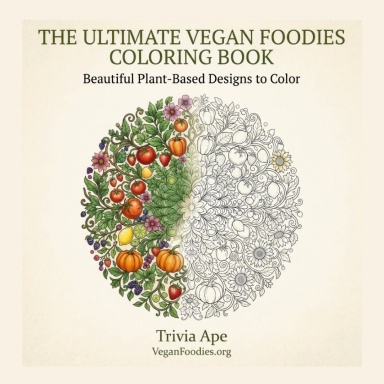
The Ultimate Vegan Foodies Coloring Book
Beautiful Plant-Based Designs to Color
Relax and unwind with beautifully detailed illustrations inspired by fruits, vegetables, herbs, flowers, and wholesome plant-based living. Perfect for stress relief, mindfulness, and creative fun.
by Trivia Ape