Vegan Stir Fry Peanut Sauce
A quick weeknight stir-fry loaded with crispy tofu and vegetables in a rich peanut sauce.
📋 Recipe
Ingredients
- 11 block extra-firm tofu, cubed
- 22 cups broccoli florets
- 31 red bell pepper, sliced
- 41 cup snap peas
- 52 carrots, julienned
- 6For peanut sauce: 3 tbsp PB, 2 tbsp soy sauce, 1 tbsp maple syrup, 1 tbsp rice vinegar, 1 tsp sesame oil, garlic, sriracha
- 7Cooked rice for serving
- 8Sesame seeds and green onion for garnish
Instructions
- 1
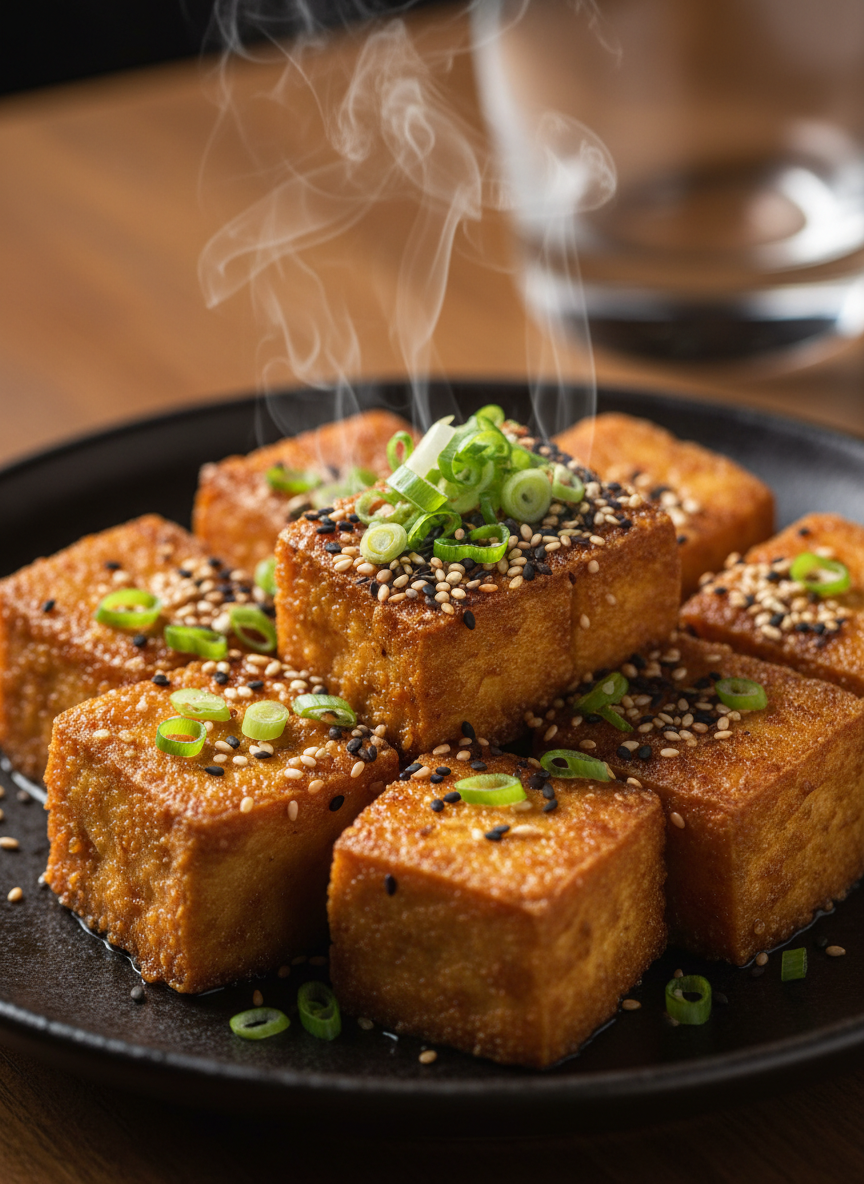
Press and cube tofu. Pan-fry in a little oil until golden and crispy on all sides.
- 2
Remove tofu. In the same pan, stir-fry vegetables for 3-4 minutes until crisp-tender.
- 3
Whisk together all peanut sauce ingredients.
- 4
Return tofu to pan. Pour peanut sauce over everything and toss to coat.
- 5
Serve over rice. Garnish with sesame seeds and sliced green onions.
Nutrition (per serving)
18g
fat
6g
fiber
380
calories
35g
carbs
22g
protein
Vegan Stir Fry Peanut Sauce
This rich and creamy vegan stir fry peanut sauce transforms simple vegetables and tofu into a restaurant-quality meal in under 10 minutes.
Table of Contents
- Why You Will Love This Sauce
- Essential Ingredients
- Step-by-Step Preparation
- Adjusting Consistency and Flavor
- Deep Dive: The Science of Emulsification
- Tips for Perfect Stir Fry
- Common Mistakes to Avoid
- Meal Prep and Storage Strategies
- Advanced Variations and Substitution Guide
- Serving Suggestions
- Nutritional Considerations
- Frequently Asked Questions
- Related Articles
- Key Takeaways
- Newsletter
- Conclusion
Why You Will Love This Sauce
Creating the perfect vegan stir fry sauce is all about achieving a balance between salty, sweet, sour, and spicy notes. This peanut sauce delivers a luxurious mouthfeel without any dairy, making it a versatile staple for your kitchen. Whether you are a meal-prep enthusiast or looking for a quick weeknight dinner solution, this recipe simplifies the process while maximizing flavor.
Unlike store-bought versions that often contain hidden additives, emulsifiers, or excessive sugar, this homemade version allows you complete control over the ingredients. You can easily adjust the intensity of the ginger, garlic, or heat levels to suit your personal preferences, ensuring every bite is exactly how you like it. This sauce is also inherently plant-based and, with one simple swap, easily becomes a staple for those avoiding gluten or soy.
Essential Ingredients
To make this sauce, you will need a few pantry staples that combine to create a deeply flavorful profile. Use high-quality natural peanut butter for the best texture and flavor. Avoid "no-stir" brands that contain added palm oils or excessive sugar.
- Peanut Butter: Natural creamy or crunchy works best. The only ingredients should be peanuts and perhaps a pinch of salt.
- Soy Sauce: Or tamari for a gluten-free option. Coconut aminos are a sweeter, soy-free alternative.
- Rice Vinegar: Provides a necessary acidity to cut through the fat. If unavailable, apple cider vinegar works in a pinch.
- Maple Syrup: A natural sweetener to balance the salt. Agave or brown rice syrup can also be used.
- Fresh Ginger: Finely grated for a bright, aromatic kick. Fresh is significantly more potent than powdered versions.
- Garlic: Minced to add depth and savory notes. For a milder flavor, use garlic paste.
- Sesame Oil: A small amount adds a toasted, nutty aroma. Use toasted sesame oil for maximum impact.
- Warm Water: Used to thin the sauce to your desired consistency.
Step-by-Step Preparation
Making this sauce is incredibly straightforward. Start by whisking your base ingredients in a medium-sized bowl. Combine the peanut butter, soy sauce, rice vinegar, maple syrup, and sesame oil until a thick paste forms.
Once the base is smooth, add the grated ginger and minced garlic. Gradually whisk in warm water one tablespoon at a time until you reach your preferred consistency. If you want a pourable sauce for noodles, keep it thinner; for coating stir-fried tofu or veggies, keep it slightly thicker.
- Whisk the Base: Ensure the peanut butter and vinegar are fully incorporated before adding water.
- Incorporate Aromatics: Fold in your ginger and garlic to ensure they are evenly distributed.
- Emulsify: Add water slowly. If you pour all the water at once, the sauce may separate. Consistent, rhythmic whisking creates a creamy emulsion.
- Taste Test: Check the balance. If it tastes too salty, add a tiny bit more maple syrup or water. If it lacks punch, add another splash of vinegar or chili sauce.
Adjusting Consistency and Flavor
Customization is the biggest benefit of making your own sauces. If the sauce becomes too thick, simply add a teaspoon of warm water or full-fat coconut milk. Coconut milk provides an even creamier, richer texture that pairs beautifully with the peanut flavors and adds a tropical flair.
For those who love heat, consider adding a teaspoon of chili garlic sauce or sriracha. If you find the flavor too intense, add a splash more maple syrup or a squeeze of fresh lime juice to brighten the overall profile. Testing as you go is essential for the best results.
Deep Dive: The Science of Emulsification
Emulsification is the secret behind the restaurant-quality texture of this sauce. Because peanut butter is primarily fat, and our thinner agents (vinegar and water) are water-based, they naturally want to separate. When you add warm water slowly while whisking, you are forcing these two liquids to bond. If the sauce looks grainy, do not worry; keep whisking. Sometimes adding an extra teaspoon of peanut butter can act as a stabilizer to help pull the mixture together into a glossy, smooth consistency.
Tips for Perfect Stir Fry
When incorporating this sauce, always add it during the final minute of cooking. Because peanut butter contains natural sugars, it can scorch if left in a high-heat pan for too long. Adding it at the end ensures the sauce warms through without burning.
Another tip is to blanch your heartier vegetables like broccoli or carrots before tossing them into the wok. This ensures they cook evenly alongside quick-cooking vegetables like bok choy or snap peas, keeping everything at the perfect crisp-tender texture. Always dry your vegetables thoroughly after blanching; excess water on the vegetables will dilute your sauce and prevent it from adhering to the surface of the food.
Common Mistakes to Avoid
- Cold Liquid Usage: Using cold water to thin the sauce often results in a lumpy texture because the cold temperature causes the peanut oil to solidify slightly. Using warm water keeps the oil fluid and easy to mix.
- Ignoring Pan Heat: Adding the sauce while the stove is at full blast is a recipe for a burnt bottom. Turn the heat down to low or off completely before pouring the sauce in.
- Pre-grating Aromatics: Grate your ginger and garlic immediately before adding to the sauce. Pre-grated ginger loses its pungent essential oils quickly.
- Overcrowding the Wok: If you have too many vegetables in the pan, they will steam rather than sear. Work in batches if necessary to keep the veggies crisp.
Meal Prep and Storage Strategies
This sauce is a dream for meal prep. You can make a double or triple batch and keep it in a glass jar in the fridge for up to 7 days. Because it is a natural emulsion, it may thicken as it sits in the refrigerator. To restore it to its original consistency, place the jar in a bowl of warm water for a few minutes or add 1-2 teaspoons of hot water and stir vigorously.
For longer storage, you can freeze the sauce in an ice cube tray. Once frozen, pop the cubes into a freezer-safe bag. When you need a quick dinner, simply drop two cubes into your hot stir-fry pan. This is an excellent way to have a flavorful meal ready in minutes on busy weeknights without any extra prep work.
Advanced Variations and Substitution Guide
| Variation | Modification | Best For |
|---|---|---|
| Thai-Style | Add red curry paste | Zesty, bold meals |
| Nut-Free | Use sunflower butter | School lunches |
| Umami Bomb | Add nutritional yeast | Cheesy, savory notes |
| Citrusy | Add orange zest | Sweet and sour stir-fries |
If you find yourself without rice vinegar, white wine vinegar or lime juice are acceptable substitutes. If you are aiming for a lower-fat version, you can reduce the peanut butter by 25% and increase the amount of coconut milk for a lighter, thinner sauce that still carries plenty of flavor.
Serving Suggestions
This sauce is incredibly versatile. It is not limited to stir-frys; it makes an excellent dipping sauce for fresh spring rolls, rice paper rolls, or a drizzle over grilled tofu skewers. You can even use it as a dressing for cold noodle salads by thinning it slightly more with water and lime juice. It works perfectly with soba noodles, rice noodles, or even spiralized zucchini noodles for a low-carb alternative.
| Usage | Consistency | Best Pairings |
|---|---|---|
| Stir Fry | Thick | Broccoli, Tofu, Carrots |
| Noodle Salad | Thin | Rice Noodles, Cucumbers |
| Dipping Sauce | Extra Thick | Spring Rolls, Dumplings |
| Grain Bowls | Medium | Quinoa, Edamame, Kale |
Nutritional Considerations
While this sauce is nutrient-dense due to the healthy fats in peanut butter, it is calorie-dense as well. Peanut butter provides essential Vitamin E, magnesium, and plant-based protein. By focusing on whole-food ingredients like fresh ginger and garlic, you are also adding anti-inflammatory properties to your meal. To keep the meal balanced, ensure your stir-fry includes plenty of low-calorie, fiber-rich vegetables like snap peas, bell peppers, and mushrooms, which provide volume without excessive calories.
Frequently Asked Questions
Q1: Can I substitute peanut butter with other nut butters? A1: Yes, almond butter or cashew butter are excellent alternatives if you have a peanut allergy. Be aware that cashew butter is slightly sweeter and will require less maple syrup. Q2: How long does this sauce stay fresh in the fridge? A2: You can store this sauce in an airtight container for up to 7 days in the refrigerator. Always ensure the container is clean to avoid spoilage. Q3: Is this recipe gluten-free? A3: Use tamari instead of soy sauce to ensure this recipe is completely gluten-free. Check the label of your tamari to ensure it is certified gluten-free. Q4: Can I freeze this sauce? A4: Yes, you can freeze it in ice cube trays for up to 3 months. Let it thaw slowly in the fridge before using. Q5: Why does my sauce look curdled? A5: This usually happens if the water was added too quickly. Whisk it vigorously or gently heat it while stirring to re-emulsify the fats. Q6: Can I add protein to the sauce directly? A6: It is better to cook your protein (like tofu, tempeh, or chickpeas) in the pan first, then add the sauce to coat everything at the end.
Related Articles
- How to Prepare Perfect Tofu
- Quick Vegan Weeknight Dinners
- Essential Vegan Pantry Staples
- The Art of Wok Cooking at Home
Key Takeaways
- Use natural, unsweetened peanut butter for the best result.
- Warm water is the secret to a smooth, non-clumpy sauce.
- Add the sauce at the very end of cooking to prevent burning.
- Customize heat levels with sriracha or red pepper flakes.
- Store in glass containers to maintain the freshest flavor profile.
Newsletter
Join our community of plant-based food lovers! Sign up for our weekly newsletter to receive curated recipes, cooking tips, and seasonal guides directly to your inbox. No spam, just pure plant-powered inspiration to help you thrive in the kitchen.
Conclusion
Mastering a homemade vegan stir fry peanut sauce opens up a world of possibilities for your weeknight meals. It is a simple, effective way to elevate humble ingredients into a satisfying, flavorful experience. By understanding the balance of aromatics, fats, and acids, you can create a sauce that rivals any takeout dish while remaining completely in control of your nutrition. We hope this guide inspires you to experiment with your own variations, whether you add extra lime, more spice, or a splash of coconut milk.
Happy cooking, and enjoy the delicious results of your time in the kitchen!
Enjoying this guide?
Browse our favorite recommended vegan products and kitchen essentials.
View Recommended Products →You Might Also Like
Plant-based Supplements: A Complete Guide to Optimizing Your Vegan Nutrition
Explore the essential plant-based supplements to support your health. Learn what to look for in vitamins, minerals, and proteins to fuel your vegan lifestyle.
Vegan Air Fryer Recipes
Discover delicious, healthy, and easy vegan air fryer recipes. From crispy tofu to roasted vegetables, master your appliance with these plant-based meal ideas.
Vegan Comfort Food
Discover the best vegan comfort food recipes, from creamy pastas to hearty stews. Indulge in delicious, plant-based classics without the guilt!
Vegan Pantry Staples
Learn how to build a fully stocked vegan pantry. Discover essential dry goods, canned items, and healthy ingredients for delicious, plant-based cooking.

The Ultimate Vegan Foodies Coloring Book
Beautiful Plant-Based Designs to Color
Relax and unwind with beautifully detailed illustrations inspired by fruits, vegetables, herbs, flowers, and wholesome plant-based living. Perfect for stress relief, mindfulness, and creative fun.
by Trivia Ape