Going Vegan Partner Isn't
Practical tips for mixed-diet households. How to eat vegan without tension at the dinner table.
Going Vegan Partner Isn't
Navigating a vegan lifestyle when your partner doesn't share your dietary choices can be a challenge, but it is entirely possible to maintain a healthy, loving, and supportive relationship through communication and mutual respect.
Table of Contents
- The Communication Bridge
- Finding Common Ground in the Kitchen
- Navigating Social Situations and Dining Out
- Managing Shared Grocery Budgets
- Handling Kitchen Hygiene and Cross-Contamination
- Supporting Your Partner's Choices
- Planning Meals Together
- Staying Consistent with Your Values
- Frequently Asked Questions
- Related Articles
The Communication Bridge
Open and honest communication is the cornerstone of any successful relationship, especially when one partner chooses to adopt a vegan lifestyle. It is vital to discuss your reasons for going vegan early on, framing them in terms of your personal values, health, or environmental concerns rather than as an attack on your partner's habits. By sharing your "why," you allow your partner to understand your perspective and empathy, which reduces the potential for defensiveness.
Consider setting aside time to talk about how this change might impact your daily routines. Being transparent about your boundaries—such as whether you feel comfortable with certain products in the home—helps set clear expectations. Remember that patience is key; your partner may need time to adjust to these changes just as you needed time to process your own transition to a plant-based diet.
Pro Tip for Communication
When starting this conversation, choose a neutral time that is not during a meal. Hunger can increase irritability. Approach the discussion as a team, using "I" statements—for example, "I feel more energetic when I eat plant-based"—instead of "You should eat healthier" to ensure the dialogue remains supportive rather than accusatory.
Finding Common Ground in the Kitchen
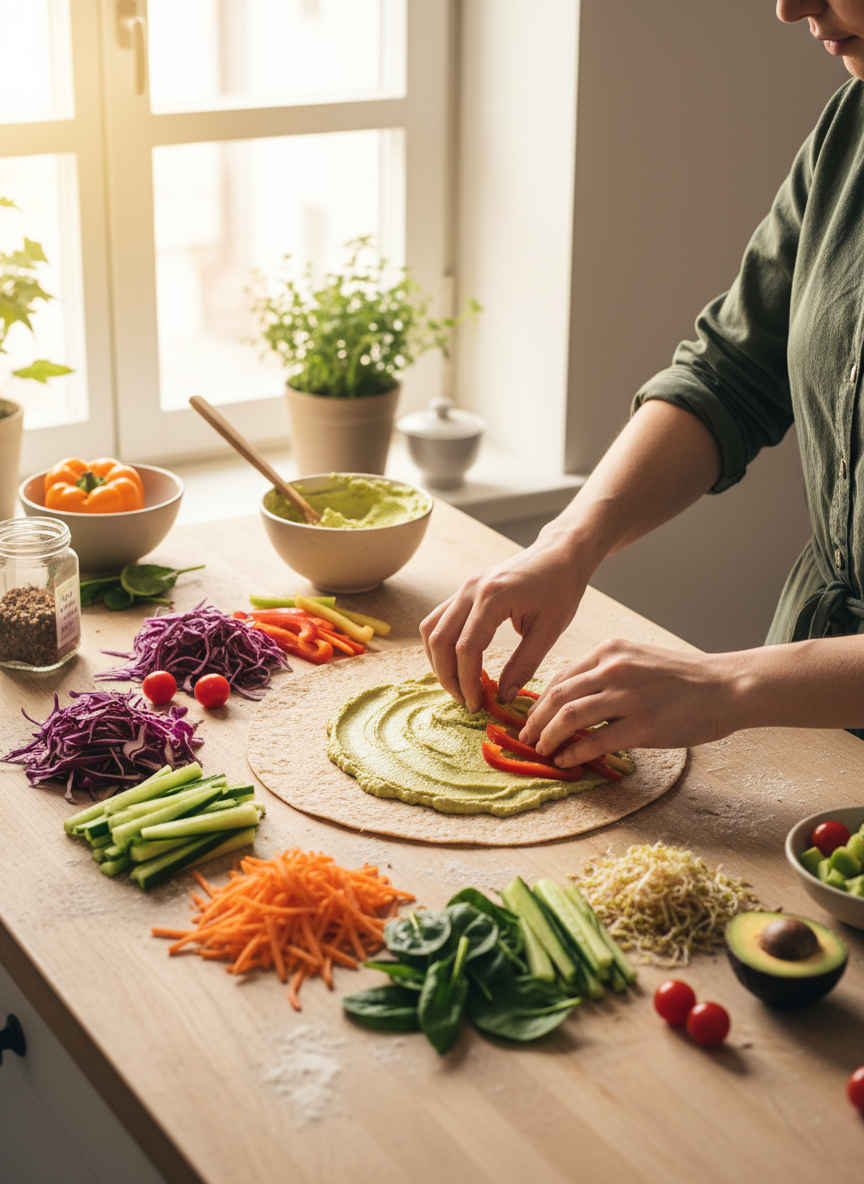
Cooking is often a shared language, and shifting to a vegan diet doesn't have to mean eating separate meals. Focus on the abundance of delicious, naturally plant-based dishes that both of you will enjoy. Exploring cuisines like Mediterranean, Indian, or Mexican offers plenty of naturally vegan options that require little to no modification, such as Vegan Chickpea Curry or Black Bean Tacos Avocado Lime.
If you are cooking a meal that traditionally contains meat or dairy, look for high-quality swaps. Using Vegan Substitutes That Actually Work can help bridge the gap. By keeping the base of your meals plant-based, you save time and energy, allowing your partner to add their preferred protein if they choose, while you enjoy a nutrient-dense, plant-forward dish.
Common Mistakes in Mixed Kitchens
One common mistake is trying to "veganize" every single favorite recipe of your partner immediately. If you replace their favorite beef chili with a lentil version without warning, they might feel a sense of loss. Instead, start by making new dishes together that don't rely on mimicry. This avoids the "this doesn't taste like the original" feedback loop and allows you both to explore new culinary horizons.
Navigating Social Situations and Dining Out
Dining out can be a point of friction if not handled with grace. Before choosing a restaurant, research the menu together to ensure there are options for both of you. Many restaurants now offer extensive plant-based menus, making it easier than ever to find a spot that satisfies both of your needs without compromise.
In social settings, remain confident in your choices while staying respectful of your partner’s preferences. If you are attending events or gatherings, bring a vegan dish to share. This not only ensures you have something delicious to eat but also introduces your friends and family to how flavorful vegan food can be. Confidence in your dietary choices usually leads to more respectful interactions with those around you.
Dining Out Strategies
When you are the one choosing the restaurant, try to select places that specialize in "flexitarian" or "farm-to-table" styles. These establishments usually have dedicated sections for roasted vegetables, ancient grains, and legumes. Always check the online menu beforehand so you aren't stuck asking for modifications in front of other guests, which can sometimes create social pressure for your partner as well.
Managing Shared Grocery Budgets
One of the practicalities of a mixed-diet household is managing the grocery bill. Transparency is essential. Sit down and plan your shopping lists, identifying staples that both of you consume, such as grains, legumes, and fresh produce. Utilizing Affordable Vegan Pantry Staples can help lower costs significantly.
Consider a "base-plus" strategy for groceries. Buy large quantities of versatile plant-based items that form the foundation of your meals. By focusing on whole foods rather than expensive processed alternatives, you can maintain a budget-friendly household. Tracking expenses together ensures that the shared financial responsibility remains balanced and avoids any resentment over individual dietary preferences.
Budgeting Comparison
| Item Category | Vegan Focus | Non-Vegan Focus | Budget Tip |
|---|---|---|---|
| Protein | Lentils, Beans, Tofu | Meat, Eggs, Dairy | Buy dry beans in bulk |
| Grains | Quinoa, Brown Rice | Pasta, Bread | Buy grains in 5lb bags |
| Produce | Seasonal Veggies | Same | Shop farmers markets |
Handling Kitchen Hygiene and Cross-Contamination
If you share a kitchen, establishing clear boundaries regarding food preparation is beneficial for both partners. Discuss storage arrangements—for example, dedicating specific shelves in the refrigerator or pantry for plant-based versus non-vegan items. This helps maintain organization and reduces the likelihood of confusion during busy weeknight meal prep.
Hygiene is particularly important to prevent cross-contamination. Many vegans choose to have separate sponges, cutting boards, or cooking utensils to ensure their food does not come into contact with animal products. Communicating this need kindly as a request for your peace of mind is generally well-received. Respect for these boundaries shows your partner that you value their consideration of your lifestyle.
Advanced Hygiene Tips
For those with limited space, consider using a high-quality food-grade silicone mat for your vegan prep work. When your partner is using the main cutting board for animal products, you can roll out your mat, prep your vegetables, and have a completely clean surface without needing a second wooden board. Always use a separate sponge for vegan dishes to avoid fat residue from dairy or meat, which can linger in sponges.
Supporting Your Partner's Choices
Just as you want support in your journey, extending that same support to your partner is crucial for the relationship's longevity. Avoiding preachy or judgmental language is essential. Instead of focusing on why they should change, focus on maintaining a positive environment where both of you feel respected and heard.
Encourage your partner to explore your favorite vegan recipes, but do not force the issue. When they show interest, share your resources, such as Beginners Guide Going Vegan, as a helpful gesture rather than a demand. By leading by example and showing how joyful and healthy your lifestyle is, you create an inviting atmosphere that may naturally inspire them to try more plant-based meals over time.
Planning Meals Together
Organization is the secret to a harmonious mixed-diet kitchen. Using a weekly meal plan allows you to sync your cooking schedules. For instance, you could spend your Sunday doing Weekly Vegan Meal Prep Sunday while your partner prepares their own components.
| Meal Type | Shared Base | Protein Addition |
|---|---|---|
| Stir-Fry | Rice & Veggies | Tofu vs. Chicken |
| Tacos | Beans & Salsa | Avocado vs. Meat |
| Pasta | Marinara Sauce | Lentils vs. Meatballs |
By creating a shared base, you minimize time spent in the kitchen while maximizing time spent together. This method also encourages variety in your diet while ensuring that you are never left without a quick, nutritious meal.
Managing Leftovers and Storage
To save time, store your pre-prepped bases in clear, airtight glass containers. This allows you to see exactly what you have at a glance, reducing food waste. If you are prepping ingredients that both of you share—like chopped onions, garlic, or bell peppers—keep those in a central "shared" drawer. Keep your specialized items, like opened tubs of vegan yogurt or specialty cheeses, in a dedicated bin on a higher shelf to prevent any accidental usage or contamination.
Staying Consistent with Your Values
Staying true to your values while in a relationship with a non-vegan requires internal strength. You do not need to compromise your beliefs to be a loving partner. Instead, view this as an opportunity to practice patience, compassion, and communication—the same traits that strengthen any relationship.
Keep learning and growing in your own journey by referring to resources like Plant Based Nutrition. When you feel secure and informed about your choices, it is easier to navigate any challenges that arise. Your dedication to your health and ethics is a personal journey that you can share with your partner, inviting them to see the world through your lens without pressure.
Nutritional Considerations
Ensure your own nutritional bases are covered by tracking your intake of Vitamin B12, Iron, and Omega-3 fatty acids. When you feel physically strong and mentally clear, you will naturally be a better partner. If you feel tired or sluggish, it is often easier to fall into frustration. Prioritize your own self-care to ensure you have the energy to navigate complex relationship dynamics gracefully.
Frequently Asked Questions
Q1: How do I handle cooking for my partner if they refuse to eat vegan food? A1: Focus on cooking "naturally vegan" meals that are complete and satisfying. You can also utilize a base-plus approach where the plant-based foundation is shared, and additional proteins are added separately by each person.
Q2: Is it possible to have a healthy relationship with someone who strongly disagrees with veganism? A2: Yes, provided there is mutual respect and shared core values. Differences in diet do not have to result in incompatible lifestyle goals.
Q3: How do I avoid cross-contamination in a small kitchen? A3: Use color-coded cutting boards, maintain separate storage areas in the fridge, and keep distinct cooking utensils to ensure peace of mind and cleanliness.
Q4: Should I ask my partner to go vegan for me? A4: It is better to lead by example and show the benefits of your lifestyle through your own happiness and health, rather than requesting them to change their core habits.
Q5: What should I do if my partner makes fun of my food? A5: Set a firm boundary. Explain that your dietary choices are meaningful to you and that while you don't expect them to follow the same path, you do expect them to respect your values. Often, humor is a defense mechanism for their own discomfort; calm communication is the antidote.
Q6: How do we handle holiday meals when family members have different expectations? A6: Pre-plan your contribution to the meal. Offer to bring a high-quality vegan main dish that everyone can try. This relieves the host of the pressure to cater to you and shows that your diet is inclusive, not restrictive.
Related Articles
- Beginners Guide Going Vegan
- Plant Based Nutrition
- Vegan Substitutes That Actually Work
- Weekly Vegan Meal Prep Sunday
Newsletter
Stay updated with the latest plant-based recipes, relationship advice for mixed-diet households, and meal prep strategies by joining our newsletter. Sign up today for weekly tips delivered straight to your inbox.
Conclusion
Navigating a vegan lifestyle when your partner does not is a journey of patience and open communication. By prioritizing empathy, maintaining boundaries, and finding creative ways to share your time in the kitchen, you can foster a healthy and happy relationship that honors both your values and your partner's individuality. Remember, the goal is mutual support and shared joy, which is entirely possible through consistent, thoughtful effort.
Enjoying this guide?
Browse our favorite recommended vegan products and kitchen essentials.
View Recommended Products →You Might Also Like
Vegan Dessert Ideas
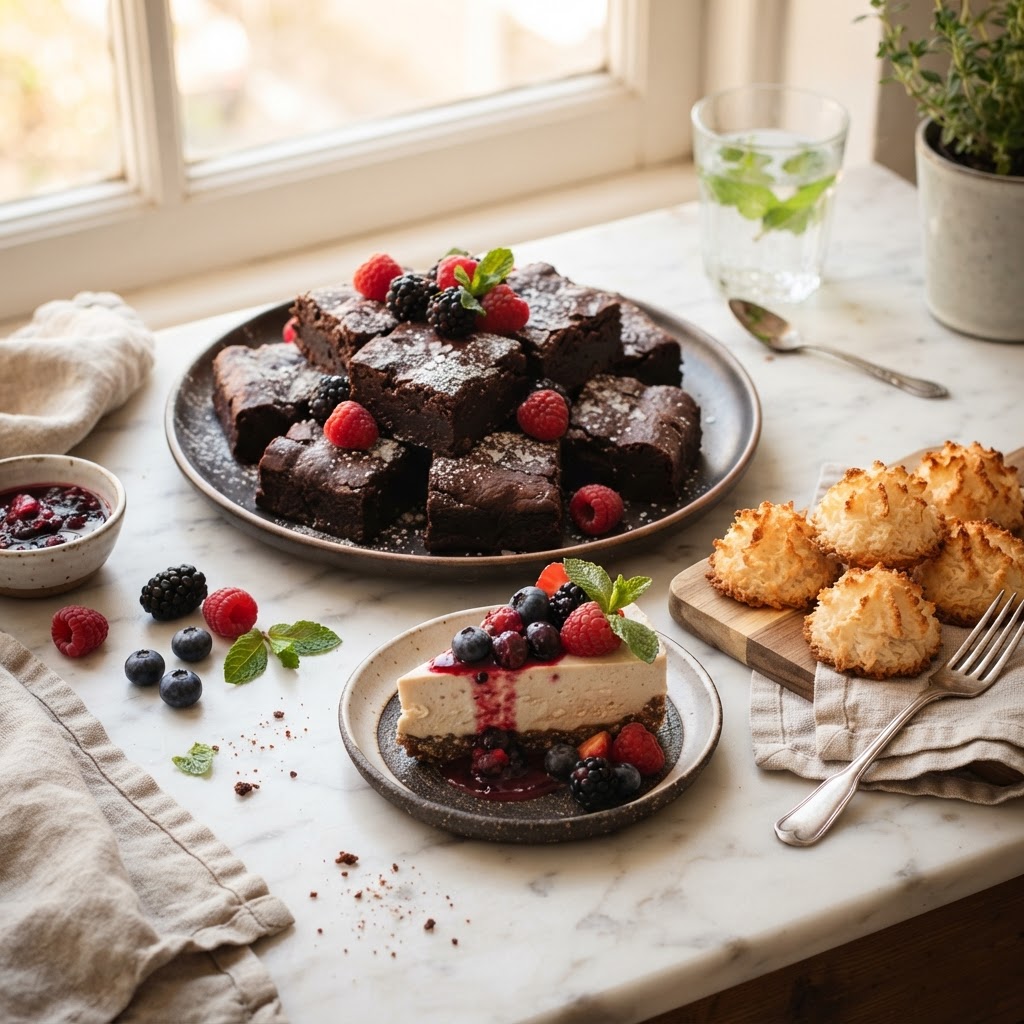
Discover delicious vegan dessert ideas that satisfy every craving. From rich brownies to refreshing treats, learn how to bake plant-based without compromise.
Vegan Meal Planning
Master vegan meal planning with our comprehensive guide. Learn how to organize your pantry, prep nutritious meals, and save time and money on a plant-based diet.
Vegan Cooking Tools
Upgrade your kitchen with essential vegan cooking tools. Discover the best gadgets to simplify plant-based prep, from high-speed blenders to air fryers.
Simple Vegan Cooking
Master simple vegan cooking with our comprehensive guide. Learn essential pantry staples, easy meal prep tips, and delicious recipes for a healthy lifestyle.

The Ultimate Vegan Foodies Coloring Book
Beautiful Plant-Based Designs to Color
Relax and unwind with beautifully detailed illustrations inspired by fruits, vegetables, herbs, flowers, and wholesome plant-based living. Perfect for stress relief, mindfulness, and creative fun.
by Trivia Ape