Vegan Substitutes That Actually Work
From cheese to eggs to bacon — here are the best vegan swaps that even non-vegans love.
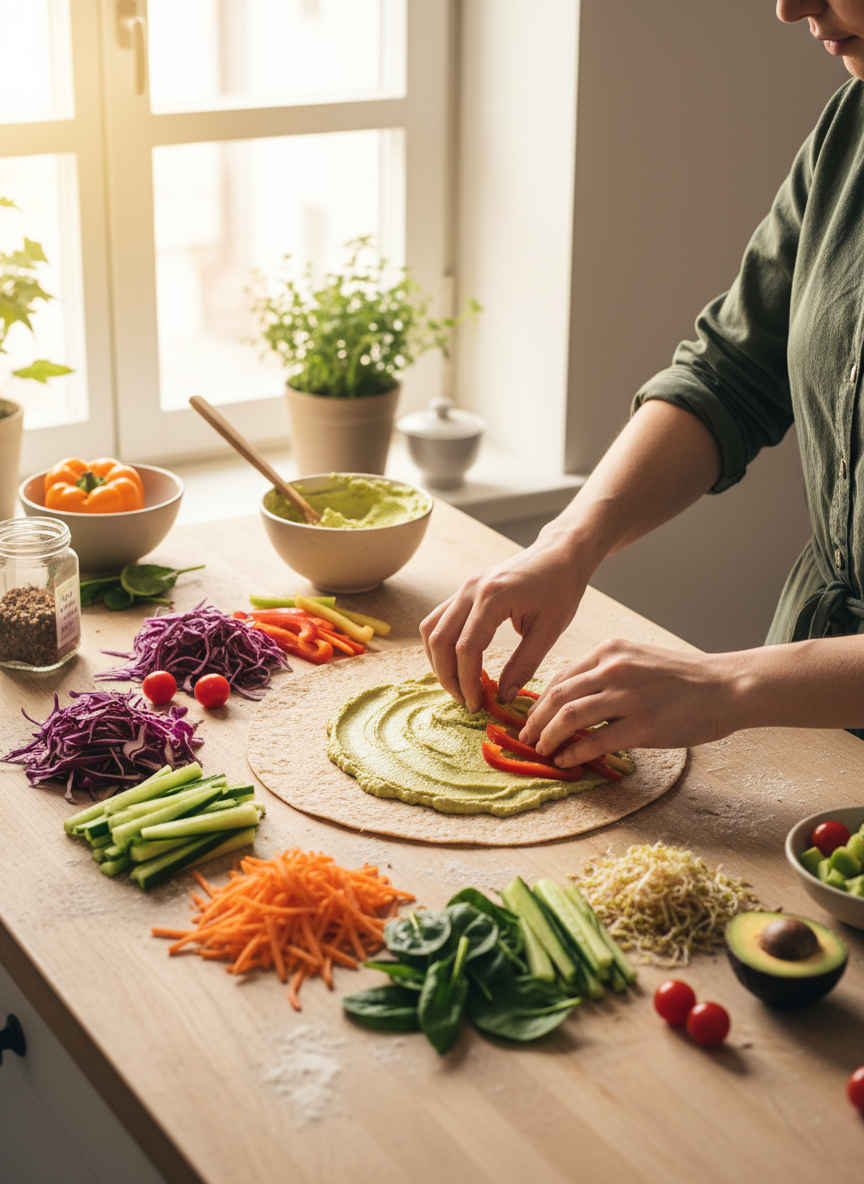
Vegan Substitutes That Actually Work
Transitioning to a plant-based lifestyle doesn't mean sacrificing the flavors and textures you love; understanding how to effectively use vegan substitutes can transform your cooking experience.
Table of Contents
- Introduction
- Understanding Plant-Based Substitutions
- Dairy Replacements for Baking and Cooking
- Egg Alternatives: Mastering the Bind and Rise
- Replacing Meat: Flavor and Texture Essentials
- The Role of Healthy Fats and Umami
- Advanced Techniques: Texture and Moisture Retention
- Common Substitution Mistakes to Avoid
- Quick Reference Comparison Table
- Key Takeaways
- FAQ
- Related Articles
- Newsletter
- Conclusion
Introduction
Embarking on a vegan journey often raises a common question: "What can I use instead of my favorite animal-based ingredients?" Whether you are a long-time vegan or just beginning to explore plant-based nutrition, finding reliable substitutes is the secret to successful cooking. It is about more than just finding a direct swap; it is about understanding the chemical role an ingredient plays in a dish.
Many home cooks worry that their favorite family recipes will lose their charm once butter, eggs, or meat are removed. However, with the right knowledge, you can achieve identical—or even better—results. By focusing on function, such as leavening, moisture, or savory depth, you can confidently adapt almost any recipe. This guide explores the most effective, accessible, and high-quality substitutes to keep your kitchen running smoothly.
Understanding Plant-Based Substitutions
Successful cooking is essentially applied chemistry. When you remove an animal product, you must replace its specific function. For instance, in baking, eggs might provide structure, aeration, or moisture. In a stir-fry, meat provides a chewy texture and savory umami profile. Identifying these roles is the first step toward mastery.
Don't be afraid to experiment with different brands and types of plant-based products. Often, the best results come from combining ingredients—using applesauce for moisture and ground flaxseeds for binding. Keeping a well-stocked pantry with affordable vegan pantry staples ensures you are always prepared to make these swaps whenever inspiration strikes. Think of your pantry as a laboratory; by keeping base ingredients like aquafaba, starches, and various flours in stock, you can pivot between recipes regardless of their original non-vegan requirements.
Dairy Replacements for Baking and Cooking
Butter and milk are the workhorses of many classic recipes. For baking, high-quality vegan butter sticks (not tub margarine) are essential because they contain a similar fat-to-water ratio as dairy butter, ensuring your cookies spread and brown correctly. If you are baking something delicate like a crust or puff pastry, keep the butter extremely cold, just as you would with dairy, to ensure the fat creates steam layers rather than melting too quickly into the dough.
When it comes to liquid dairy, oat milk is often considered the gold standard for coffee and creamy sauces due to its neutral flavor and thick consistency. Almond or soy milk are excellent for lighter baking tasks. For recipes requiring heavy cream, full-fat canned coconut milk is your best friend, offering a rich, velvety texture that works beautifully in soups and desserts. Pro tip: If you want to use coconut milk in a savory dish without the coconut flavor, cook it down with a teaspoon of miso or a splash of apple cider vinegar, which helps neutralize the sweet tropical profile.
Egg Alternatives: Mastering the Bind and Rise
Replacing eggs depends entirely on the application. For cookies and muffins, a "flax egg" (1 tablespoon ground flaxseed meal mixed with 3 tablespoons water, set for 5 minutes) acts as a perfect binder. If you need a lift in cakes, a mixture of apple cider vinegar and baking soda can create the necessary chemical reaction for a fluffy rise. Simply add 1 teaspoon of vinegar to 1 teaspoon of baking soda per egg required.
For scrambled "eggs," firm tofu is unbeatable. Crumble it into a pan and season with nutritional yeast, turmeric for color, and a pinch of black salt (kala namak) to mimic that authentic sulfurous egg aroma. Check out our guide on nutritional yeast uses to learn how to add savory, cheesy depth to any dish. If you are looking for a meringue substitute, use aquafaba—the liquid leftover from a can of chickpeas. Whisking this liquid with a hand mixer for 5–10 minutes produces peaks that look and behave exactly like egg whites for macarons or mousses.
Replacing Meat: Flavor and Texture Essentials
Replacing meat requires attention to both texture and seasoning. Tempeh and seitan are excellent sources of protein that absorb marinades extremely well, making them ideal for stir-fries or grilling. Learn more about creative tempeh recipes to see how versatile this fermented soybean product can be.
If you prefer a simpler route, lentils and chickpeas offer wonderful texture for tacos, bolognese, and soups. The key is to season them aggressively. Smoked paprika, soy sauce, and tomato paste can add that missing depth of flavor, creating a satisfying meal that leaves no one missing the meat. When working with legumes, roast them at 400°F (200°C) with oil and spices for 15 minutes before adding them to your main sauce. This dehydrates them slightly, giving them a "meaty" chew rather than a mushy texture.
The Role of Healthy Fats and Umami
Vegan cooking can sometimes feel light, so incorporating healthy fats like avocado, tahini, and cashews is vital for satisfaction. A blended cashew sauce can mimic the creaminess of alfredo, while tahini adds a deep, savory richness to dressings and roasted vegetables. To get the best results with cashews, soak them in boiling water for 30 minutes before blending to ensure a completely smooth finish that won't feel gritty on the tongue.
Umami, or the "fifth taste," is the savory quality found in meat. You can replicate this easily using soy sauce, miso paste, sun-dried tomatoes, or mushrooms. Adding a splash of miso to your soup or a dash of tamari to your marinade makes all the difference in crafting a complete, balanced dish. For an even more intense umami boost, use mushroom powder (dried shiitakes ground in a spice mill) to season your vegetables or protein-based sauces. It acts like a vegan bouillon and adds a depth that is otherwise difficult to achieve in plant-based cooking.
Advanced Techniques: Texture and Moisture Retention
Achieving the perfect mouthfeel in vegan cooking often involves managing water content. Vegetables have a high water percentage, which can cause stir-fries to turn into soups if not handled correctly. To avoid this, always salt your vegetables after they are mostly cooked, or sear them in small batches over very high heat to ensure the moisture evaporates rather than steams.
When baking, moisture retention is equally vital. Many vegan cakes rely on pureed fruit to replace the structure of eggs and the moisture of butter. Stewed prunes, mashed bananas, or even pureed black beans work effectively. However, the secret lies in measuring by weight rather than volume. Because plant-based ingredients vary in density, a kitchen scale is your best tool for ensuring consistent results. For instance, 100 grams of flour is always 100 grams, whereas a cup can be packed differently depending on how you scoop it.
Storage tip: If you are meal-prepping protein replacements like seitan or tempeh, store them in an airtight container with their cooking liquid. This keeps the protein moist and prevents it from becoming rubbery when reheated. If you are freezing them, separate pieces with parchment paper to avoid a solid block, making it easy to grab single servings for a quick weeknight dinner.
Common Substitution Mistakes to Avoid
One of the biggest mistakes is assuming one swap fits all. For example, trying to use silken tofu as a binder in a dense brownie will result in a soggy mess. Always match the substitute to the specific goal of the ingredient. Silken tofu is a moisture-adding fat replacement, not a binder. If you need binding power, use flax or chia seeds, which form a gel that holds ingredients together.
Another error is not seasoning enough. Plant-based ingredients like beans and grains are more neutral than meats, so they require more intentional seasoning. Never skimp on spices, herbs, or aromatics like garlic and onion; these are the building blocks of flavor that make a dish memorable. Many home cooks make the mistake of using the same amount of spices as they did in a meat-heavy recipe; however, because plant-based bases lack natural animal fat to carry flavor, you often need to increase your spice profile by 10% to 20% to achieve the same intensity.
Furthermore, avoid the "processed substitute trap." While store-bought vegan cheeses and meats are convenient, they often rely on coconut oil or potato starch that don't always behave like real cheese or meat under high heat. If a recipe calls for melting cheese, stick to homemade cashew or potato-based sauces rather than commercial shredded vegan cheese, which is designed for cold salads or toppings rather than high-heat melting tasks.
Quick Reference Comparison Table
| Ingredient | Best Vegan Substitute | Primary Function | Ideal Application |
|---|---|---|---|
| Cow's Milk | Oat/Soy Milk | Liquid/Moisture | Baking/Coffee/Sauces |
| Butter | Vegan Butter Sticks | Fat/Flavor/Spread | Baking/Sautéing |
| Egg | Flax/Chia Meal | Binding | Cookies/Muffins/Quick Breads |
| Heavy Cream | Full-fat Coconut Milk | Creaminess/Fat | Soups/Curries/Desserts |
| Ground Meat | Lentils/Tempeh | Protein/Texture | Bolognese/Tacos/Burgers |
| Egg White | Aquafaba | Aeration/Foam | Meringues/Mousses |
| Parmesan | Nutritional Yeast/Nut Flour | Umami/Salty Finish | Pasta/Salads |
Key Takeaways
- Focus on the function: Is the ingredient binding, leavening, or flavoring?
- Keep pantry staples like flaxseed, nutritional yeast, and oat milk on hand.
- Don't fear the seasoning; plant-based foods thrive with bold flavors and aromatics.
- Experiment with tofu textures for everything from scrambles to "cheese" sauces.
- Invest in a kitchen scale to ensure consistency, especially in baking applications.
- Use high-heat searing for vegetables to prevent soggy stir-fries.
- Utilize mushroom powder or miso for deep, natural umami without animal products.
FAQ
Q1: Can I use almond milk in everything? A1: While almond milk is great for smoothies, it can be too thin for creamy sauces. Oat milk or soy milk are generally more versatile for cooking due to their higher protein and fat content. Q2: Does a flax egg taste like flax? A2: No, when used in baking, the flavor is almost entirely undetectable once the dish is cooked. It takes on the flavor of the other ingredients in the batter. Q3: What is the best way to get a "meaty" texture? A3: Seitan (wheat gluten) or textured vegetable protein (TVP) are excellent for providing a dense, chewy texture similar to animal meat. For a more whole-food approach, use mushrooms or roasted lentils. Q4: Are all store-bought substitutes healthy? A4: Not necessarily; many contain processed oils and additives. Focus on whole-food swaps like beans, seeds, and nuts whenever possible to maximize nutritional value. Q5: Why do my vegan baked goods sometimes collapse? A5: This usually happens if you over-mix the batter or don't use enough leavening. Without the structure of egg proteins, you must be gentle with the batter and ensure your baking powder is fresh. Q6: Can I replace heavy cream with soy milk in soups? A6: Not directly. Soy milk will likely curdle or remain too thin. For a creamy soup, either use full-fat canned coconut milk or blend soaked cashews with vegetable broth to reach a heavy cream consistency.
Related Articles
- Affordable Vegan Pantry Staples
- Nutritional Yeast Uses: The Ultimate Guide to the Vegan Superfood
- Vegan Pantry Staples: The Ultimate Guide to Building Your Kitchen
- Easy Plant Based Swaps Everyday Meals
Newsletter
Want to master your plant-based kitchen? Subscribe to our weekly newsletter for exclusive recipes, pantry tips, and guides delivered straight to your inbox. Join thousands of home cooks in making the transition simple, delicious, and stress-free.
Conclusion
Switching to vegan substitutes is a rewarding process that opens up a world of culinary possibilities. By understanding the chemistry behind your favorite recipes and stocking your pantry with high-quality staples, you can recreate any dish with confidence. Remember that mastery does not happen overnight. Start with one or two small swaps per week, keep a log of what worked and what didn't, and be willing to iterate on your techniques. Whether you are aiming for a healthier lifestyle, environmental sustainability, or simply curiosity, the journey of plant-based living is as delicious as it is transformative. With the right tools and a bit of patience, you will soon find that vegan cooking is not a limitation, but a gateway to a more creative and diverse culinary experience.
Enjoying this guide?
Browse our favorite recommended vegan products and kitchen essentials.
View Recommended Products →You Might Also Like

Vegan Dessert Ideas
Discover delicious vegan dessert ideas that satisfy every craving. From rich brownies to refreshing treats, learn how to bake plant-based without compromise.
Vegan Meal Planning
Master vegan meal planning with our comprehensive guide. Learn how to organize your pantry, prep nutritious meals, and save time and money on a plant-based diet.
Vegan Cooking Tools
Upgrade your kitchen with essential vegan cooking tools. Discover the best gadgets to simplify plant-based prep, from high-speed blenders to air fryers.
Simple Vegan Cooking
Master simple vegan cooking with our comprehensive guide. Learn essential pantry staples, easy meal prep tips, and delicious recipes for a healthy lifestyle.

The Ultimate Vegan Foodies Coloring Book
Beautiful Plant-Based Designs to Color
Relax and unwind with beautifully detailed illustrations inspired by fruits, vegetables, herbs, flowers, and wholesome plant-based living. Perfect for stress relief, mindfulness, and creative fun.
by Trivia Ape