Beginners Guide Hydroponic Herb Gardens
Grow fresh herbs year-round with zero gardening experience. Everything you need to know about indoor hydroponics.
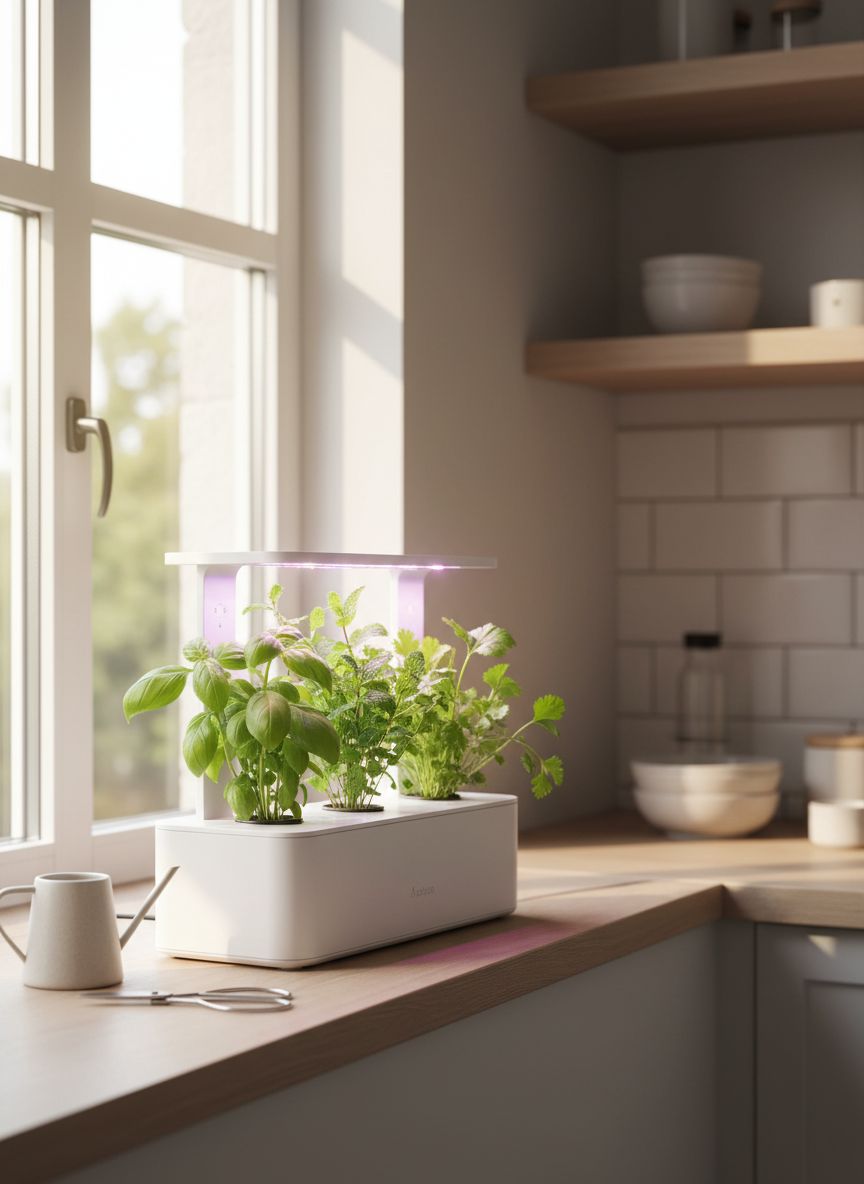
1. AeroGarden Harvest Elite
2. LetPot Indoor Garden Hydroponics
3. Click & Grow Smart Garden 3
* We may earn a small commission from affiliate links at no extra cost to you. Learn more
Beginners Guide Hydroponic Herb Gardens
Discover how to cultivate a thriving indoor herb garden using hydroponic methods, allowing you to enjoy fresh, organic greens year-round without the need for traditional soil.
Table of Contents
- Introduction to Hydroponics
- Why Choose Hydroponic Herb Gardening
- Essential Components for Your Setup
- Choosing the Best Herbs for Hydroponics
- Step-by-Step Planting Process
- Monitoring Nutrient Solutions and pH
- Light Requirements and Timing
- Pro-Tips for Maximizing Your Yield
- Culinary Uses and Storage
- Troubleshooting Common Growth Issues
- Frequently Asked Questions
- Related Articles
- Newsletter
- Key Takeaways
Introduction to Hydroponics
Hydroponic gardening is the practice of growing plants without soil, instead utilizing water-based mineral nutrient solutions. For many vegans and plant-based enthusiasts, this method offers a cleaner, more efficient way to maintain a kitchen garden. By controlling the exact environment in which your herbs grow, you can achieve faster growth rates and higher yields compared to traditional garden beds. The fundamental principle is to deliver water, oxygen, and minerals directly to the root zone, eliminating the plant's need to expend energy searching through soil for sustenance.
Many beginners feel intimidated by the science behind hydroponics, but it is surprisingly accessible. Whether you are living in a small city apartment or a suburban home, you can easily set up a system that provides fresh basil, parsley, and cilantro throughout the year. This guide provides everything you need to start your journey into soil-free indoor gardening, focusing on sustainability and culinary productivity.
Why Choose Hydroponic Herb Gardening
Choosing a hydroponic system for your kitchen has several distinct advantages. First, it eliminates the mess associated with soil; there is no tracking dirt across your countertops or worrying about soil-borne pests like fungus gnats. Hydroponic herbs are often more nutrient-dense because the plant spends less energy developing a large root system to search for nutrients and more energy on foliage growth. You are essentially providing a buffet for your plants rather than forcing them to hunt.
Additionally, these systems are water-efficient. Because the system recirculates the nutrient solution, you use significantly less water than you would with a potted plant. For those focused on Plant Based Nutrition, having an endless supply of fresh herbs elevates every meal, ensuring you always have the best ingredients for your Simple Vegan Pantry Dinners.
Essential Components for Your Setup
To get started, you will need a few foundational items. Most beginners begin with a Deep Water Culture (DWC) system, which consists of a reservoir to hold water, a net pot to hold the plant, a growing medium like clay pebbles or rockwool, and an air pump with an airstone to ensure the roots receive oxygen.
The Anatomy of a Basic System:
- Reservoir: A light-proof container is critical. Light exposure causes algae to bloom in nutrient-rich water, which consumes oxygen meant for your plants.
- Growing Medium: While soil is absent, a support structure is necessary. Clay pebbles are pH-neutral and reusable, whereas rockwool is excellent for moisture retention during the germination phase.
- Air Pump and Airstone: These are the lifeblood of a DWC system. Without active aeration, the water becomes stagnant, leading to root rot.
Lighting is equally vital. Since most kitchen countertops lack sufficient natural light, you will likely need a full-spectrum LED grow light. These lights provide the necessary wavelengths for photosynthesis, mimicking the natural sun and ensuring your plants grow robustly even in the darkest months of winter.
Choosing the Best Herbs for Hydroponics
Not all plants thrive equally in water systems, but herbs are generally the top performers. Leafy herbs like basil, mint, oregano, and cilantro are particularly well-suited for hydroponic environments because they grow quickly and love the high availability of water and nutrients.
Recommended Herbs for Beginners
| Herb | Growth Speed | Skill Level | Light Demand |
|---|---|---|---|
| Basil | Fast | Beginner | High |
| Mint | Very Fast | Easy | Moderate |
| Parsley | Moderate | Beginner | Moderate |
| Cilantro | Fast | Moderate | High |
When selecting your seeds or seedlings, choose high-quality organic varieties to align with your commitment to Going Vegan. You can start from seeds using specialized starter plugs, or purchase established small herb starts from a nursery. If buying pre-grown, ensure you carefully wash all soil from the roots before placing them into the hydroponic system to avoid contamination.
Step-by-Step Planting Process
- Prepare the Reservoir: Fill it with filtered or dechlorinated water. Tap water often contains chlorine which can be harsh for young roots.
- Nutrient Mixing: Add your hydroponic nutrient solution. Always add nutrients to the water, not the other way around. Follow the manufacturer's dosage exactly, as "more" does not equal "better" in hydroponics.
- Seeding/Transplanting: Place your herb seedlings into the net pots. Surround the stem with clay pebbles to stabilize the plant so it stands upright. The base of the plug should just barely touch the water surface.
- Aeration: Connect your air pump. Ensure your airstone is at the bottom of the reservoir to create consistent bubbles, which force oxygen into the solution.
- Lighting: Turn on your grow light. Use a timer set for 14-16 hours of light per day.
Consistency is key. Check your water level weekly and top off the reservoir with a diluted nutrient mix to ensure your herbs never dry out.
Monitoring Nutrient Solutions and pH
Hydroponic success relies on maintaining the correct pH levels. Most herbs prefer a pH between 5.5 and 6.5. You can purchase simple digital pH meters or test strips at local gardening shops to monitor this regularly. If the pH drifts too far—usually because the plants are consuming nutrients unevenly—the roots will be unable to absorb minerals, leading to chlorosis (yellowing leaves) or stunted growth.
Furthermore, keep the nutrient solution clean. Every 2-3 weeks, it is a good idea to perform a "flush," where you empty the reservoir completely and add fresh water and nutrients. This prevents the buildup of mineral salts (often called "nutrient lockout") that can harm your herbs over time. Use a pH-down solution if your local water supply is too alkaline, or pH-up if you use highly acidic reverse-osmosis water.
Light Requirements and Timing
Light intensity and duration are the main drivers of flavor. Herbs need high-intensity light to produce essential oils—these are the compounds responsible for the delicious taste and aroma of your cooking. If your herbs look "leggy" or thin, they are not receiving enough light. This is a common phenomenon called "stretching," where the plant desperately tries to reach for a light source that is too far away.
The Importance of DLI (Daily Light Integral)
While wattage matters, the distance of the light is crucial. Keep your LED panels about 6-12 inches above the canopy. Use an automatic timer to ensure your plants get a consistent day-night cycle. Plants need a "sleep" period to metabolize the starches produced during the day; avoid leaving your lights on for 24 hours a day as this will exhaust the plant.
Pro-Tips for Maximizing Your Yield
- Pruning for Bushiness: Do not be afraid to harvest! To encourage growth, prune your herbs from the top down. Always snip just above a leaf node where two new stems will emerge.
- Harvesting Strategy: Never harvest more than one-third of the plant at once. This ensures the plant has enough foliage to continue photosynthesis.
- Temperature Control: Keep your garden in a room between 65-75°F. Excess heat can lower the dissolved oxygen levels in your reservoir, potentially damaging roots.
- Record Keeping: Keep a simple notebook of when you added nutrients and when you performed your last flush. It helps in troubleshooting if something goes wrong.
Culinary Uses and Storage
Growing your own herbs means you have access to peak freshness. For recipes requiring cilantro or basil, wait until the final moments of cooking before adding them to keep the flavor profile bright and fresh.
If you have an excess of harvest, you can store your herbs in the refrigerator by placing the stems in a glass of water, covered loosely with a plastic bag. For longer preservation, dry your herbs by hanging them upside down in a cool, dark room, or chop them finely and freeze them into ice cubes with a little bit of water or olive oil. These herb-cubes are perfect for tossing directly into hot Simple Vegan Pantry Dinners.
Troubleshooting Common Growth Issues
| Problem | Potential Cause | Solution |
|---|---|---|
| Yellowing Leaves | Nutrient deficiency or pH imbalance | Check pH and adjust nutrient levels |
| Wilting | Lack of oxygen or root rot | Clean reservoir and ensure air pump is functioning |
| Mold/Algae | Light hitting the water | Cover reservoir to block light exposure |
| Leggy Growth | Insufficient light intensity | Lower the lights or upgrade LEDs |
| Brown Spots | Calcium or magnesium deficiency | Use a Cal-Mag supplement in your water |
Frequently Asked Questions
Q1: Do I need specialized hydroponic fertilizer? A1: Yes, standard soil fertilizers lack the specific micronutrients and ratios required for water-based growing; use a dedicated hydroponic nutrient formula. Soil fertilizers often contain organic matter that will decay and cause bacterial growth in water.
Q2: How long until I can harvest my herbs? A2: Most herbs like basil can be harvested within 4-6 weeks of planting in a well-managed hydroponic system. Start harvesting small amounts once the plant has established at least two sets of true leaves.
Q3: Can I grow vegetables in the same system as my herbs? A3: It is generally better to separate them, as vegetables like tomatoes have different light and nutrient needs than leafy herbs. Tomatoes also grow much larger and may crowd out your smaller herbs.
Q4: Does my house temperature affect growth? A4: Yes, keep your hydroponic garden in a room between 65-75°F for optimal photosynthesis and growth. High temperatures lead to root rot, while cold temperatures significantly slow down the growth rate.
Q5: Is it necessary to change the water entirely? A5: Yes, every 2-3 weeks, performing a full water change ensures the plant has access to fresh minerals and prevents the accumulation of waste products that could inhibit growth.
Q6: Why are the roots brown instead of white? A6: Healthy hydroponic roots should be white or creamy. Brown, slimy roots indicate root rot, usually caused by lack of oxygen or water temperatures that are too high. Increase your air pump power immediately.
Related Articles
- Beginners Guide Going Vegan
- Plant Based Nutrition
- Simple Vegan Pantry Dinners
- Best Indoor Herb Gardens
Newsletter
Stay updated with the latest plant-based growing tips and seasonal recipes by joining our community. Sign up for our weekly newsletter to receive direct inspiration for your kitchen garden and pantry cooking straight to your inbox.
Key Takeaways
- Hydroponics uses water and nutrients instead of soil for cleaner, faster plant growth.
- Essential gear includes a reservoir, air pump, net pots, and full-spectrum LED lighting.
- Monitoring pH levels is the most critical task for preventing nutrient lock-out.
- Regular maintenance, including reservoir flushing, ensures a continuous supply of fresh herbs.
- Pruning is an essential technique for encouraging bushier growth and sustained production.
Conclusion
Cultivating a hydroponic herb garden is one of the most rewarding ways to enhance your vegan lifestyle. By providing your herbs with the perfect balance of light, water, and nutrients, you ensure a vibrant, fresh supply of ingredients for all your favorite Easy Vegan Meal Prep Ideas. Start small, keep your environment clean, and enjoy the satisfaction of harvesting fresh basil and mint right from your own kitchen year-round. Hydroponics is not just a hobby; it is a sustainable, efficient, and deeply satisfying way to connect with the food you eat.
Enjoying this guide?
Browse our favorite recommended vegan products and kitchen essentials.
View Recommended Products →You Might Also Like
Vegan B12 Sources: A Comprehensive Guide to Essential Nutrition
Learn everything you need to know about vegan B12 sources. Discover reliable food options, supplementation tips, and how to maintain optimal health on a plant-based diet.
Plant-based Iron Foods
Discover the best plant-based iron foods to meet your daily needs. Learn how to optimize absorption and fuel your body with these iron-rich vegan staples.
Vegan Cheese Brands
Discover the best vegan cheese brands available today. From melty shreds to artisanal wheels, learn which dairy-free options are perfect for your kitchen.
Plant Based Cake Recipes
Discover the best plant-based cake recipes. From moist chocolate to fluffy vanilla, learn how to bake delicious vegan desserts using simple, wholesome ingredients.

The Ultimate Vegan Foodies Coloring Book
Beautiful Plant-Based Designs to Color
Relax and unwind with beautifully detailed illustrations inspired by fruits, vegetables, herbs, flowers, and wholesome plant-based living. Perfect for stress relief, mindfulness, and creative fun.
by Trivia Ape