Cheap Vegan Meals For Families
Feed a family of four on $50 a week with these affordable, filling, and kid-approved vegan meals. Includes a weekly meal plan, shopping list, and money-saving tips.
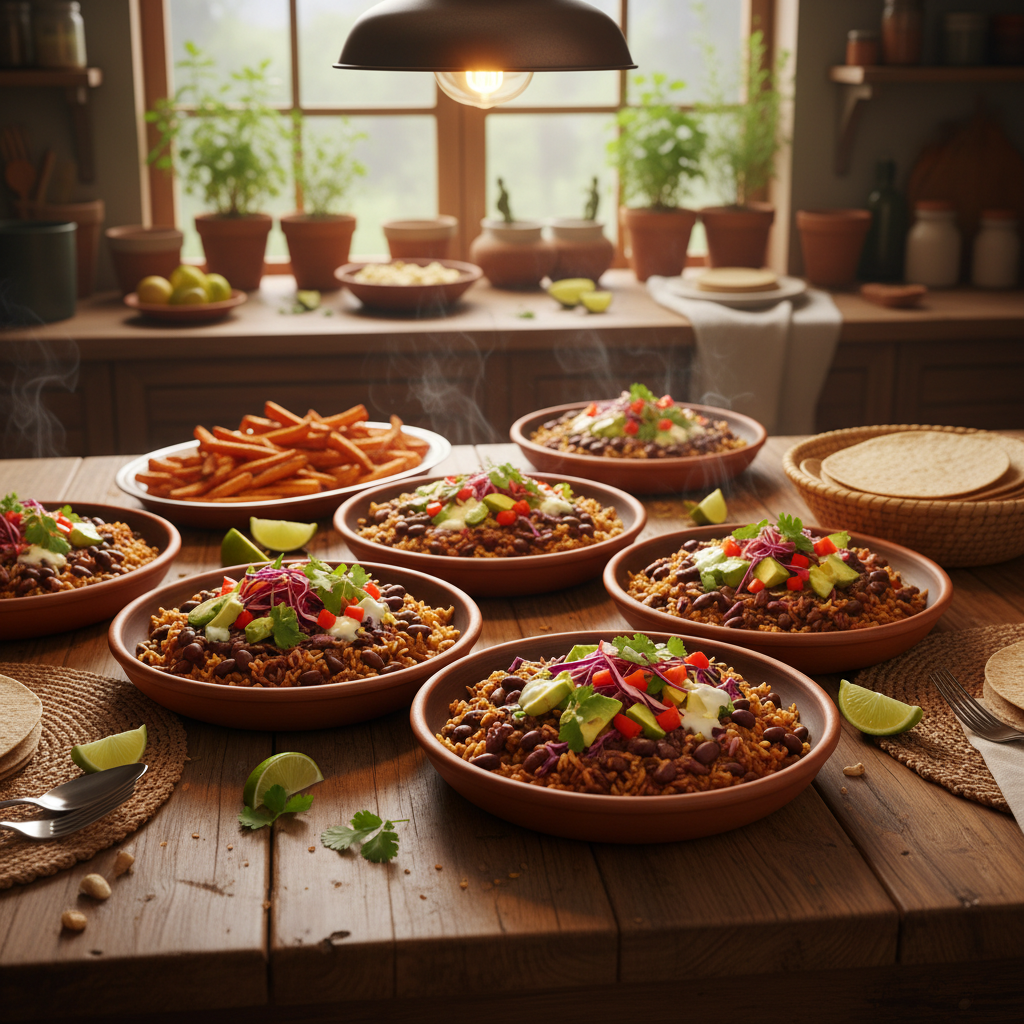
Cheap Vegan Meals For Families
Eating healthy, plant-based meals on a budget is not only possible but can be a rewarding way to nourish your family while keeping grocery costs low. This guide explores practical strategies for planning, shopping, and preparing affordable vegan meals that everyone will love.
Table of Contents
- Smart Budgeting Strategies
- Essential Vegan Pantry Staples
- Meal Planning for Families
- Protein Sources on a Budget
- Creative Ways to Use Leftovers
- Batch Cooking Tips
- Seasonal Produce Advantage
- Common Cooking Mistakes to Avoid
- Frequently Asked Questions
- Related Articles
- Newsletter
- Conclusion
Smart Budgeting Strategies
Transitioning to a vegan lifestyle often intimidates families due to concerns about grocery costs. However, by focusing on whole foods rather than expensive processed alternatives, families can significantly lower their food expenditure. The first step involves setting a clear weekly budget and tracking expenses to identify where savings can be made.
Buying in bulk is one of the most effective ways to stretch your dollar. Items like dried lentils, chickpeas, brown rice, and oats have long shelf lives and are incredibly inexpensive when purchased in larger quantities. Additionally, opting for generic or store-brand products over name brands can save you dozens of dollars each month without sacrificing nutritional quality.
Pro Tip: Price Per Unit Analysis
Always check the shelf tag for the "price per unit" or "price per ounce" rather than just the total cost of the package. Sometimes a smaller bag appears cheaper but costs significantly more in the long run. By keeping a simple spreadsheet or a note on your phone with the average prices of your most-bought items, you can quickly identify when a "sale" is actually a good deal.
Essential Vegan Pantry Staples
Building a strong foundation in your kitchen starts with keeping versatile staples on hand. A well-stocked pantry ensures you can whip up a meal at a moment’s notice without needing to run to the store. Start by maintaining a supply of dried legumes, which serve as the backbone of protein-rich vegan diets.
Beyond legumes, keep pantry items like canned tomatoes, vegetable broth, nutritional yeast, and various spices like cumin, paprika, and turmeric. Having a variety of grains—such as quinoa, barley, and rolled oats—allows for endless meal possibilities. These staples are not only affordable but are essential for creating hearty, satisfying dishes that keep hunger at bay.
The "Emergency Dinner" Kit
Keep a dedicated area in your pantry for "5-minute" meals. This might include a jar of marinara, a box of whole-wheat pasta, a can of chickpeas, and a bag of frozen spinach. When you are too tired to cook, these ingredients prevent the temptation of ordering expensive takeout, keeping your budget intact.
Meal Planning for Families
Planning your weekly meals is crucial for minimizing food waste and maximizing your budget. Dedicate time each weekend to outline your meals for the upcoming week, focusing on recipes that share similar ingredients. This prevents buying specific items for one meal that go to waste later.
Use a modular approach to meal planning: choose one primary grain, one protein source, and several seasonal vegetables for different meal variations throughout the week. By prepping components rather than full meals, you provide flexibility, allowing family members to customize their portions according to their tastes, which reduces the likelihood of uneaten food.
Step-by-Step Planning Method
- Check your fridge and pantry first to see what needs to be used.
- Identify two "base" proteins for the week (e.g., black beans and tofu).
- Choose three vegetable-heavy recipes that share these proteins.
- Write a list categorized by aisle to avoid impulse buys.
- Keep your list on the fridge throughout the week to cross items off.
Protein Sources on a Budget
Many people incorrectly assume that protein is expensive. In reality, plant-based proteins are often the most economical options at the supermarket. Dried beans, peas, and lentils are the gold standard for budget-conscious families. They offer immense nutritional value, high fiber, and cost pennies per serving compared to animal products.
| Protein Source | Cost Efficiency | Versatility |
|---|---|---|
| Dried Lentils | Excellent | Soups, Tacos, Bolognese |
| Chickpeas | High | Hummus, Curry, Roasting |
| Tofu | Moderate | Stir-fry, Scrambles |
| Split Peas | High | Thick Stews, Dips |
| Black Beans | Excellent | Burritos, Chili, Salads |
| Oats | High | Porridge, Baking, Smoothies |
Nutritional Note: Combining Proteins
You do not need to eat all essential amino acids in a single meal to have a healthy diet. By eating a variety of sources—such as grains and legumes throughout the day—your body effectively forms complete proteins. Aiming for diversity in color and texture is a simple, effective way to cover your nutritional bases without stressing over complex food combinations.
Creative Ways to Use Leftovers
Learning to repurpose leftovers is an art form that keeps food bills down. For example, roasted vegetables from Sunday dinner can be tossed into a morning breakfast scramble or blended into a creamy pasta sauce on Monday. Excess rice can be transformed into fried rice with frozen peas and carrots.
Don't discard vegetable scraps; keep them in a freezer bag to create your own nutrient-rich vegetable stock. Boiling these scraps with bay leaves and peppercorns provides a superior-tasting base for soups and stews at zero extra cost. Being creative with leftovers prevents the "boring food" trap and ensures you respect your food budget.
The "Leftover Makeover" Table
| Original Meal | Repurposed Use |
|---|---|
| Baked Sweet Potato | Blend into pasta sauce or mash into oats |
| Roasted Broccoli | Toss into a cold quinoa salad |
| Chili | Serve over a baked potato or inside a wrap |
| Steamed Rice | Use for vegetable fried rice or breakfast porridge |
Batch Cooking Tips
Batch cooking involves preparing large quantities of base ingredients or entire meals at once. On a Sunday afternoon, roast two trays of vegetables, cook a large batch of grains, and simmer a massive pot of lentil soup. This effort streamlines your weeknights, ensuring healthy, hot meals are ready in minutes.
Consider storage efficiency when batch cooking. Use airtight glass containers to keep food fresh for up to five days in the refrigerator. Some meals, like chilis and hearty stews, often taste better after sitting for a day, making them ideal candidates for your weekly batch cooking sessions.
Storage Pro-Tips
Label your containers with the date they were prepared to ensure you use older items first. If you find you have cooked too much, remember that almost all stews, chilis, and curries freeze beautifully. Portion them out into single-serving containers before freezing for a "homemade frozen dinner" on busy weeknights.
Seasonal Produce Advantage
Eating in season is a simple strategy for both flavor and savings. Produce that is in season is more abundant and, therefore, cheaper. Visit your local farmers' markets or check grocery store circulars to see which fruits and vegetables are at their peak. Buying seasonal produce also means higher quality and better taste compared to shipping produce across the world.
If you find a particularly good deal on produce, consider preserving it. Many fruits and vegetables can be frozen, pickled, or dried to extend their shelf life. This proactive approach ensures you have healthy, cost-effective ingredients available even when those items go out of season.
Seasonal Buying Guide
- Spring: Asparagus, peas, radishes, spinach, strawberries.
- Summer: Tomatoes, peppers, zucchini, corn, stone fruits.
- Fall: Pumpkins, apples, cabbage, Brussels sprouts, sweet potatoes.
- Winter: Root vegetables like beets, carrots, turnips, and kale.
Common Cooking Mistakes to Avoid
One of the biggest mistakes families make is trying to recreate expensive meat-based dishes using pricey vegan substitutes. While these products are convenient, they are often processed and cost-prohibitive. Focus on naturally vegan recipes rather than "mimic" meals to stay on budget.
Another mistake is lack of seasoning. Plant-based meals rely heavily on herbs, spices, and acidity—like lemon juice or vinegar—to bring out depth and flavor. If a dish tastes bland, don't assume it's because it's vegan; it’s likely because it needs more salt, acid, or heat to elevate the natural flavors of the produce.
Avoiding Common Pitfalls
- Under-salting: Plant foods often require slightly more seasoning than animal products to bring out their profile.
- Overcooking: Vegetables should be tender-crisp. Mushy vegetables often lead to kids disliking healthy meals.
- Ignoring Texture: If a meal is all soft, add a crunch—like toasted sunflower seeds or air-fried chickpeas—to make it more satisfying.
Frequently Asked Questions
Q1: How can I ensure my children get enough nutrients on a vegan diet? A1: Focus on variety, including plenty of legumes, whole grains, nuts, seeds, and colorful vegetables. Consult with a nutritionist if you have concerns about specific vitamins.
Q2: Are frozen vegetables just as healthy as fresh ones? A2: Yes, frozen vegetables are often picked at their peak ripeness and flash-frozen, preserving their nutritional content, and they are usually cheaper than out-of-season fresh produce.
Q3: What is the easiest way to start meal planning? A3: Start small by planning just three days of dinners. As you get comfortable, expand your planning to cover the full week.
Q4: How do I make tofu taste good? A4: Press the moisture out of the tofu first, then marinate it in a blend of soy sauce, ginger, and garlic, or crisp it in a pan with cornstarch.
Q5: Are organic fruits and vegetables necessary on a budget? A5: If your budget is tight, focus on purchasing produce that is seasonal and local rather than organic. Thoroughly washing conventional produce is a perfectly safe and budget-friendly alternative.
Q6: Can I meal prep for kids who are picky eaters? A6: Yes. Keep components separate (e.g., plain rice, steamed broccoli, and baked beans) instead of mixing them into a casserole. This gives children autonomy over their plates, which often encourages them to try new foods.
Q7: How do I handle social events or family gatherings? A7: Offer to bring a substantial, crowd-pleasing plant-based side dish like a lentil loaf or hearty pasta salad. This ensures you have a reliable, filling meal option available.
Q8: Are spices expensive to buy upfront? A8: Buy spices in the bulk bins to save money. You only pay for the small amount you need rather than an expensive jar, allowing you to experiment with flavors cost-effectively.
Related Articles
Newsletter
Join our community of plant-based foodies! Sign up for our newsletter to receive weekly meal plans, budget-friendly recipes, and expert tips on maintaining a healthy vegan lifestyle delivered straight to your inbox.
Conclusion
Feeding a family on a plant-based diet doesn't have to be expensive or overly complicated. By prioritizing whole foods, embracing meal planning, and learning the art of batch cooking, you can nourish your family affordably and sustainably. Remember that each meal is an opportunity to explore new flavors and establish healthy habits that last a lifetime. With a bit of practice and preparation, your kitchen will become a place of creativity, health, and significant savings. Investing time in these habits now ensures long-term financial health and consistent, nutritious plant-based meals for your household.
Enjoying this guide?
Browse our favorite recommended vegan products and kitchen essentials.
View Recommended Products →You Might Also Like
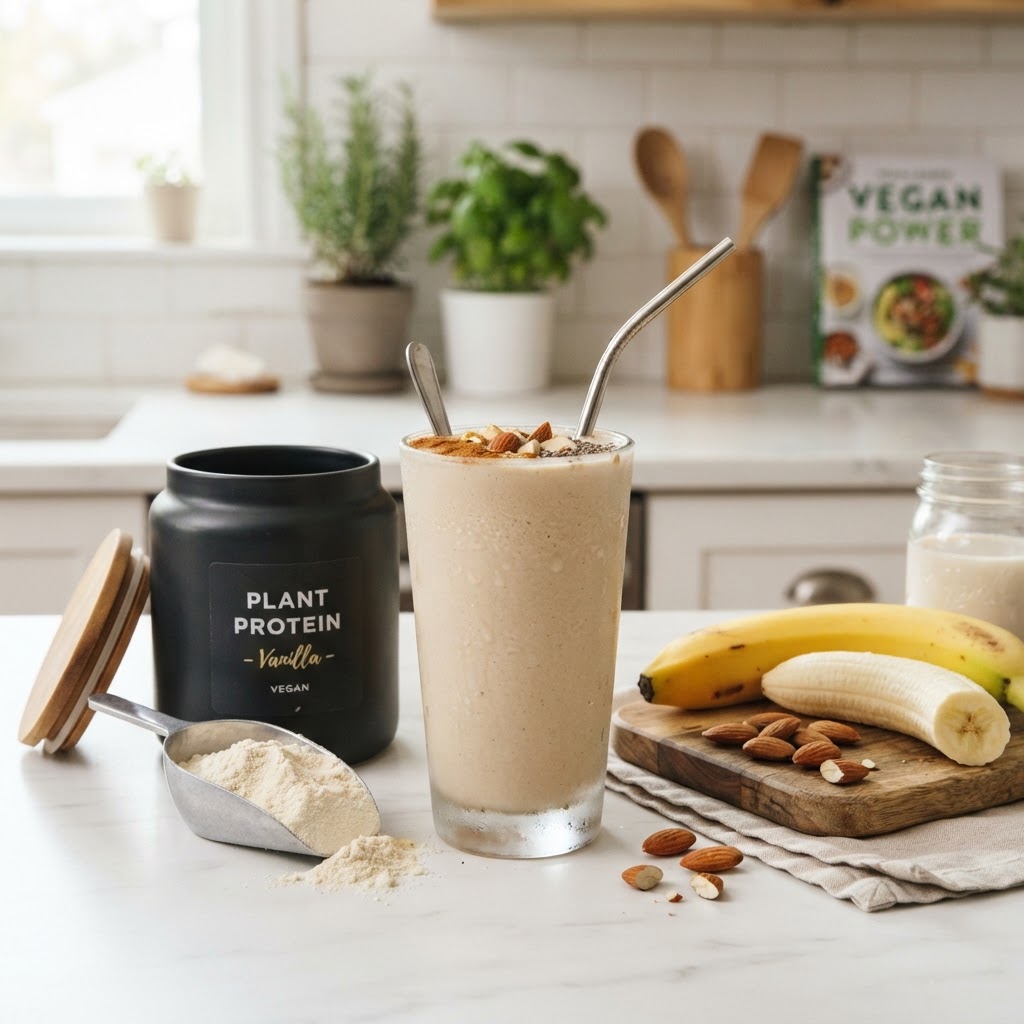
Buy Vegan Protein Powder
Looking to buy vegan protein powder? Discover our comprehensive guide on choosing the best plant-based supplements to meet your fitness and health goals.
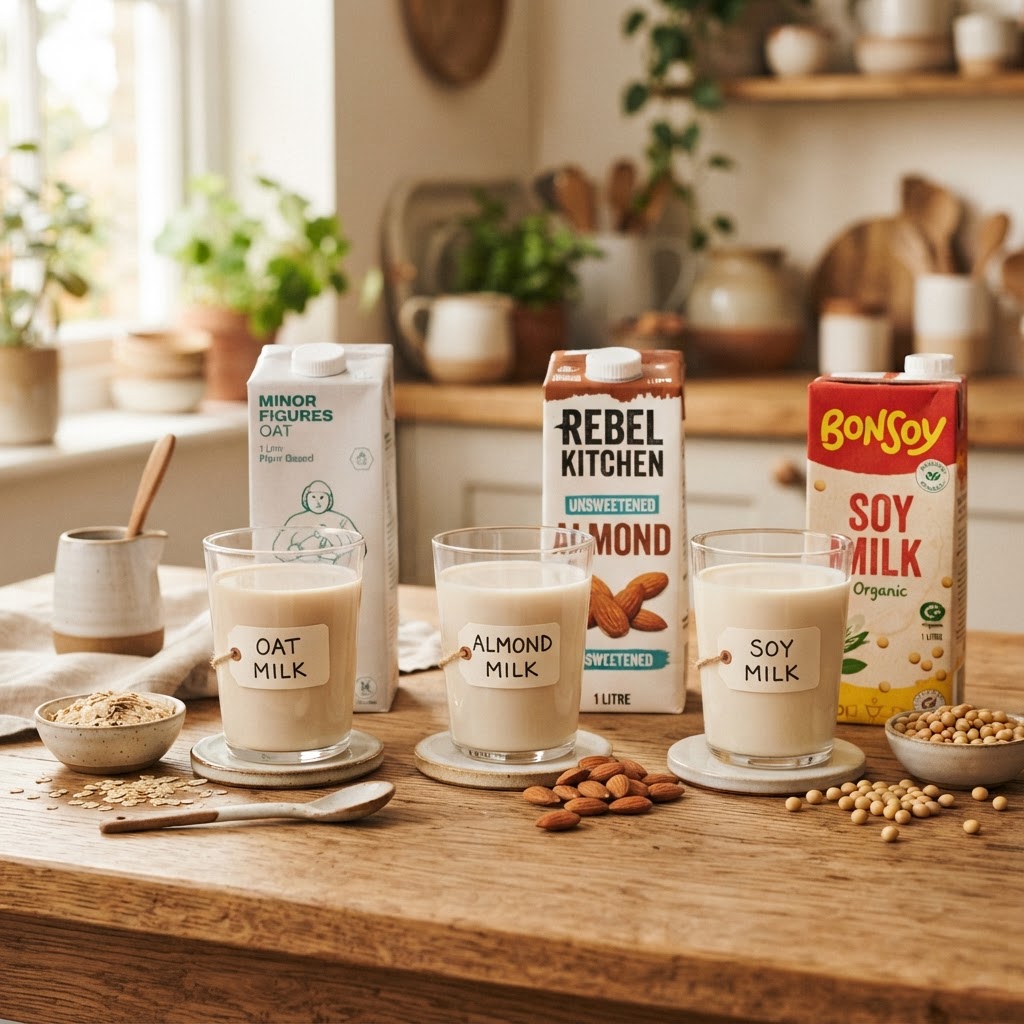
Plant-based Milk Brands
Explore the best plant-based milk brands in this comprehensive guide. From almond to oat, discover the perfect dairy alternative for your diet and lifestyle.
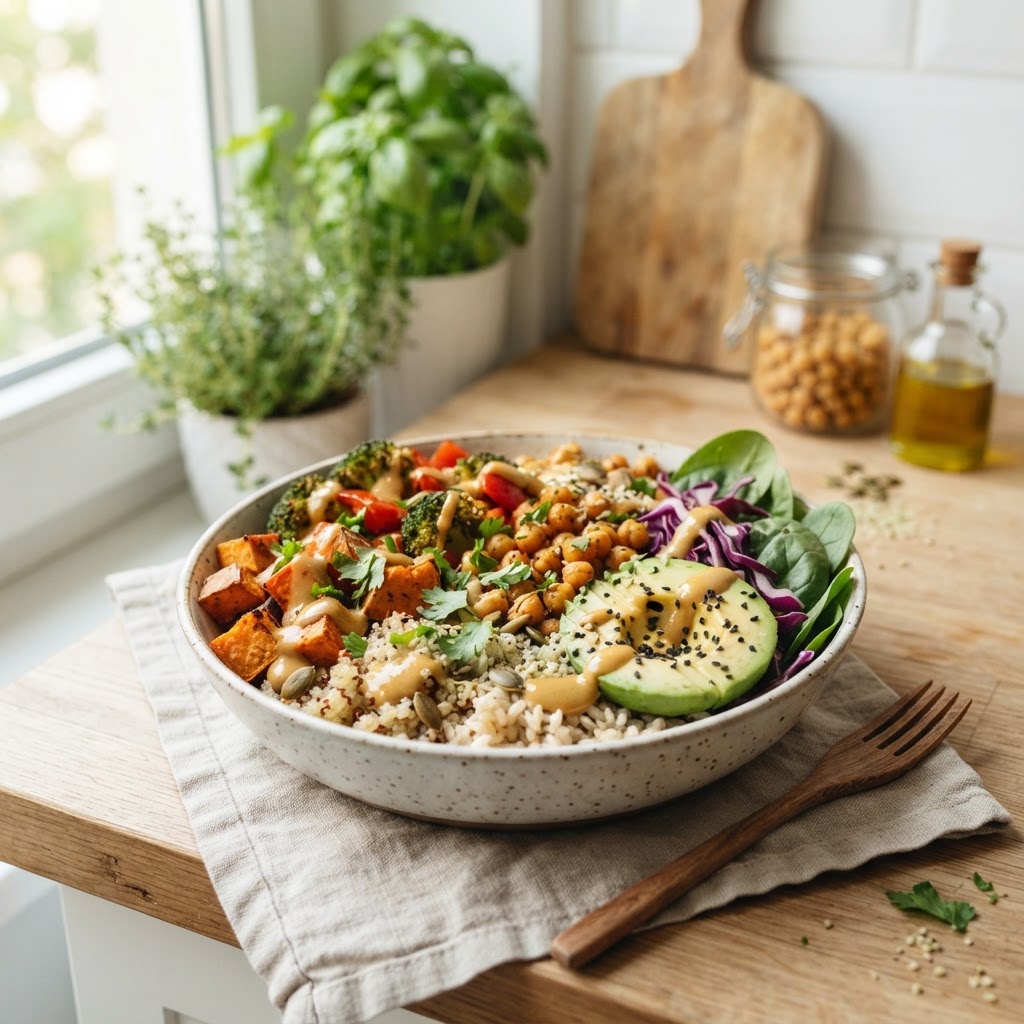
Easy Vegan Recipes
Discover delicious and easy vegan recipes perfect for beginners. From quick weeknight dinners to healthy snacks, simplify your plant-based journey today.
Tofu Preparation Guide
Master tofu preparation with our expert guide. Learn how to press, season, and cook perfect, crispy, and flavorful tofu for any vegan meal.
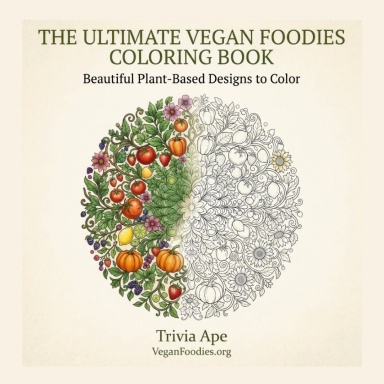
The Ultimate Vegan Foodies Coloring Book
Beautiful Plant-Based Designs to Color
Relax and unwind with beautifully detailed illustrations inspired by fruits, vegetables, herbs, flowers, and wholesome plant-based living. Perfect for stress relief, mindfulness, and creative fun.
by Trivia Ape