Best Vegan Protein Powders
We taste-tested 20+ plant-based protein powders. These are the 5 that actually taste good.
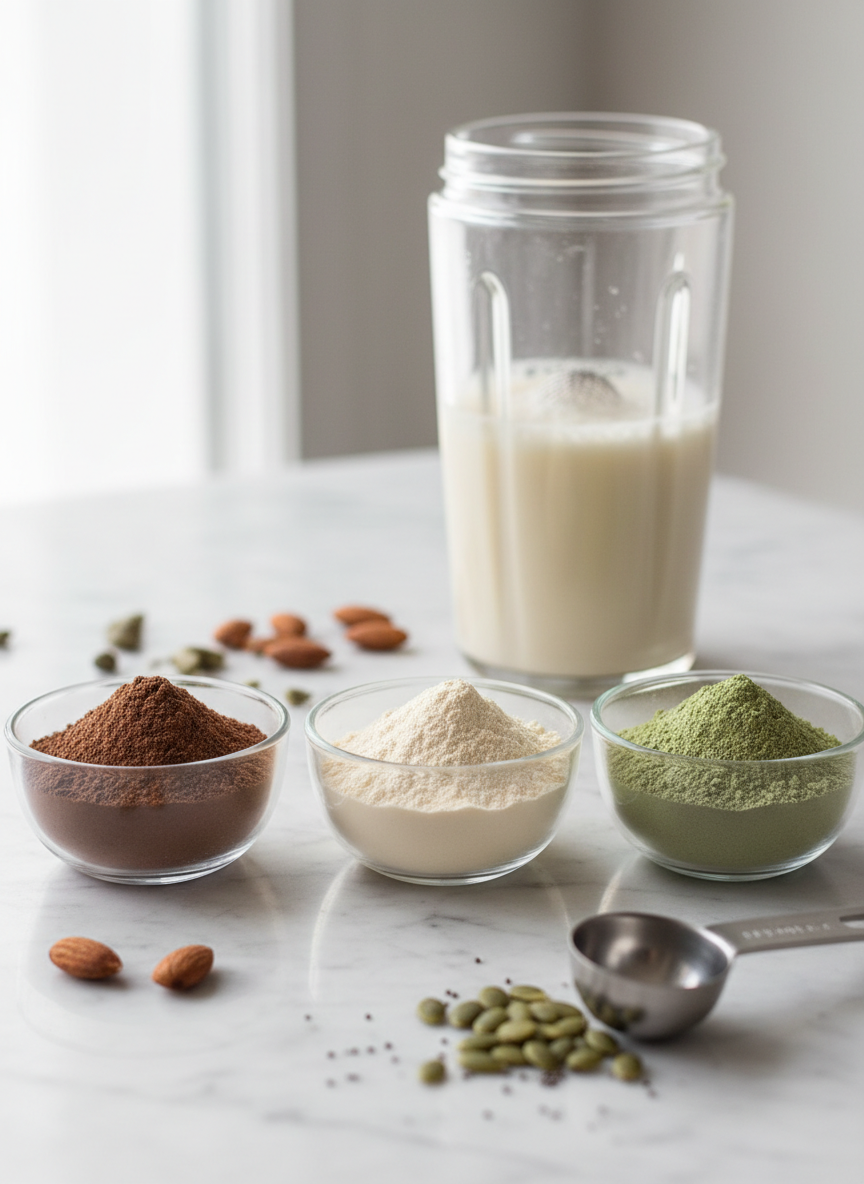
1. Orgain Organic Protein (Chocolate)
2. Garden of Life Raw Organic Protein
3. Vega Sport Premium Protein
4. NOW Sports Pea Protein
5. KOS Organic Plant Protein
* We may earn a small commission from affiliate links at no extra cost to you. Learn more
Best Vegan Protein Powders
Finding the right plant-based fuel for your body can be a challenge, but this guide breaks down how to choose high-quality vegan protein powders to support your fitness and health goals.
Table of Contents
- Understanding Plant-Based Protein
- Common Types of Vegan Protein
- Key Nutritional Considerations
- The Science of Protein Timing
- How to Choose Your Protein Powder
- Common Mistakes to Avoid
- Comparison of Protein Sources
- Tips for Better Smoothies
- Storage and Meal Prep
- Frequently Asked Questions
- Key Takeaways
- Related Articles
- Newsletter
- Conclusion
Understanding Plant-Based Protein
Transitioning to a plant-based diet often raises questions about protein intake. The truth is that plant-based athletes and active individuals can easily meet their requirements through a variety of whole foods and, if needed, supplemental protein powders. Whether you are building muscle or simply looking for a quick post-workout recovery boost, understanding what your body needs is the first step toward long-term success.
Modern plant-based protein powders have evolved significantly. They are no longer gritty, flavorless powders; instead, many brands now utilize innovative blending techniques to ensure a smooth texture and pleasant taste profile. By choosing clean, high-quality sources, you can support your active lifestyle while staying true to your vegan values. Beyond just the protein, these powders often serve as a delivery system for essential minerals, vitamins, and sometimes even probiotics or digestive enzymes, making them a multifunctional addition to a busy lifestyle.
Common Types of Vegan Protein
Most plant-based protein powders are derived from legumes, grains, or seeds. Pea protein is one of the most popular options due to its impressive amino acid profile and high digestibility. It is often the base for many blends because it provides a good balance of essential amino acids, particularly lysine, which is often limiting in other plant sources.
Rice protein is another staple, often paired with pea protein to create a complete amino acid profile. Because rice is low in lysine but high in methionine, and pea is the opposite, the synergy between these two is often cited as the gold standard for plant-based supplementation. Hemp protein is a great choice for those who prefer a less processed option, as it contains healthy fats and fiber. It offers a slightly nutty flavor that works well in porridge or pancake batters. Additionally, soy protein remains a widely recognized, complete protein source that supports muscle growth effectively. It is one of the few plant proteins that naturally contains all nine essential amino acids in proportions that closely mimic animal proteins.
Other emerging sources include pumpkin seed protein, which is rich in magnesium and zinc, and sacha inchi protein, which offers a significant dose of omega-3 fatty acids. Exploring these alternative sources can help diversify your intake and prevent monotony in your diet.
Key Nutritional Considerations
When evaluating a powder, look beyond just the protein content per serving. Check the ingredient list for unnecessary fillers, artificial sweeteners, or heavy gums that might cause digestive discomfort. A clean label should focus on real food ingredients and minimal processing. If a product list is as long as a grocery receipt, it is likely overly processed.
Digestibility is another major factor. Some individuals may find that sprout-based powders are easier on the stomach compared to others. Sprouting legumes and grains can help reduce anti-nutrients like phytic acid, which can interfere with mineral absorption. If you have a sensitive digestive system, start with a single-source protein to identify what your body tolerates best before trying complex, multi-source blends. Look for products that include enzymes like papain or bromelain, which can assist in breaking down plant fibers, leading to less bloating and improved absorption rates.
Furthermore, consider the sodium content. Some plant-based protein powders add significant amounts of salt for flavor, which can be an issue if you are sensitive to sodium or already have a high intake. Aim for less than 150mg of sodium per serving unless you are an endurance athlete training in high-heat conditions.
The Science of Protein Timing
Understanding when to consume your protein can be just as important as what you consume. While the "anabolic window" of 30 minutes post-workout is often exaggerated, spreading your protein intake throughout the day is highly beneficial. For muscle protein synthesis, consuming 20-30 grams of protein every 3 to 4 hours is generally superior to consuming a massive dose in one sitting. Adding a scoop of protein powder to an afternoon snack can help you maintain consistent muscle repair, especially for those with busy schedules who may struggle to cook full plant-based meals on the go.
How to Choose Your Protein Powder
To make an informed decision, always look for the protein content per scoop, usually aiming for 20-25 grams. Consider the flavor profile as well; unflavored options offer the most versatility for adding into savory High Protein Vegan Foods or sweet recipes alike.
Research the manufacturing standards of the brands you consider. Quality assurance, third-party testing, and transparency regarding sourcing are all indicators of a reputable company. Taking the time to read the label ensures you are getting a product that aligns with your health objectives. Check for certificates like "Certified Vegan," "Non-GMO Project Verified," or "NSF Certified for Sport" if you are an athlete concerned about banned substances in supplements.
Pro Tip: If you frequently bake, opt for unflavored pea or soy protein. Pea protein has a neutral profile that works exceptionally well in muffins, pancakes, and even protein-fortified soups without altering the flavor profile significantly.
Common Mistakes to Avoid
One common mistake is relying entirely on supplements rather than whole food sources. Supplements should be treated as an addition to a balanced diet, not a replacement for Plant Based Nutrition. Aim to get the majority of your protein from beans, lentils, and tempeh, which provide phytonutrients and fiber that protein powders lack.
Another mistake is ignoring the total caloric count. Some protein powders, especially those marketed as meal replacements, can be calorie-dense due to added sugars or fats. If your goal is weight management, be mindful of these additions and prioritize powders that allow you to customize your nutrition. Additionally, failing to check for heavy metal testing is a risk; plant proteins can sometimes absorb minerals from the soil. Reputable companies will publish their lab results for heavy metals (lead, mercury, arsenic) upon request.
Comparison of Protein Sources
| Protein Source | Digestibility | Amino Acid Profile | Best For |
|---|---|---|---|
| Pea | High | Strong | Post-workout |
| Rice | Moderate | Incomplete | Smoothies |
| Hemp | High | Complete | Nutritious boost |
| Soy | High | Complete | Muscle building |
| Pumpkin | Moderate | Good | Mineral intake |
Tips for Better Smoothies
Creating a delicious protein shake is an art. For the best consistency, use a high-speed blender and combine your powder with frozen fruits, a handful of leafy greens, and a healthy fat source like chia seeds or nut butter. If you are struggling with a sandy texture, try adding more liquid or incorporating creamy ingredients like banana, frozen zucchini, or silken tofu. Yes, adding a quarter cup of silken tofu to a protein shake makes it incredibly creamy and boosts the protein content without changing the taste.
Don't forget to experiment with flavor pairings. Adding a dash of cinnamon, a drop of vanilla extract, or even a teaspoon of cocoa powder can completely transform the taste of your shake. For those needing an extra energy kick, adding a Green Goddess Smoothie base creates a nutrient-dense breakfast option. If you find your protein shake too sweet, try blending in a handful of baby spinach; the neutral flavor allows the greens to hide completely while providing a hefty dose of vitamins.
Storage and Meal Prep
Proper storage is essential to maintain the shelf life and quality of your protein powder. Keep the container in a cool, dark, and dry place. Moisture is the enemy of protein powder; if it enters the bag or tub, it can lead to clumping and, in extreme cases, mold growth. Always ensure the lid is sealed tightly after every use.
For those who love meal prepping, you can pre-mix your "dry" smoothies. Combine the protein powder with oats, chia seeds, flaxseeds, and dried fruits in individual jars or bags. When you are ready to prepare your shake, just dump the contents of the container into your blender, add your liquid (such as soy or almond milk), and blend. This saves significant time in the morning.
Frequently Asked Questions
Q1: Do I need protein powder to be vegan? A1: No, you can meet your protein needs through whole foods, but powders are convenient for active individuals. Q2: Is soy protein safe to consume? A2: Yes, soy is a high-quality, complete protein that is safe and healthy for the vast majority of people. Q3: What is the best way to avoid a gritty texture? A3: Use a high-quality blender and mix the powder with enough liquid and creamy additives like fruits. Q4: Are there any fillers I should watch out for? A4: Avoid excessive artificial sweeteners, thickeners, and unnecessary fillers that offer no nutritional value. Q5: Can I bake with protein powder? A5: Yes, but reduce the amount of flour in your recipe by roughly 1/4 to 1/2 cup and replace it with protein powder. Since protein lacks the structure of gluten, you may need a bit more liquid or a "flax egg" to hold the baked goods together. Q6: How much protein do I really need? A6: The Recommended Dietary Allowance (RDA) is 0.8g per kilogram of body weight for sedentary adults, but active individuals often thrive on 1.2g to 1.8g per kilogram to support muscle repair and growth.
Key Takeaways
- Focus on whole food sources first, using supplements as a convenient tool.
- Look for clean labels with minimal ingredients and third-party testing.
- Pair different protein sources like pea and rice for a complete amino acid profile.
- Experiment with recipes to improve taste and texture naturally.
- Use protein powder as a baking ingredient to boost the nutritional profile of snacks.
Related Articles
- High Protein Vegan Foods
- Plant Based Nutrition
- Green Goddess Smoothie
- Chocolate Peanut Butter Protein Smoothie
Newsletter
Stay updated with the latest plant-based tips, healthy recipes, and nutrition guides delivered straight to your inbox. Join our community of foodies dedicated to a vibrant, compassionate lifestyle.
Conclusion
Finding the perfect vegan protein powder is a journey of trial and error, but with the right knowledge, you can easily support your body's recovery and energy needs. By prioritizing clean ingredients, understanding amino acid profiles, and integrating these powders into a healthy, whole-food-based diet, you will be well on your way to achieving your fitness goals while enjoying delicious, plant-powered fuel. Remember, the goal is always to enhance your health, so choose products that serve your body well and keep experimenting with flavors until you find what makes your daily routine a little brighter.
Enjoying this guide?
Browse our favorite recommended vegan products and kitchen essentials.
View Recommended Products →You Might Also Like
Vegan Butter Alternatives
Discover the best vegan butter alternatives for baking, cooking, and spreading. Learn how to choose the right plant-based fat for your kitchen needs today.
Vegan Brownie Recipe
Indulge in the ultimate rich, fudgy, and decadent vegan brownie recipe. Easy to make, plant-based, and perfect for satisfying your sweet tooth cravings today.
Affordable Vegan Meals
Eat well for less with our guide to affordable vegan meals. Discover budget-friendly pantry staples, simple recipes, and tips to save money on a plant-based diet.
Immersion Blender vs Stand
Choosing between an immersion blender vs stand mixer? Our guide breaks down the pros, cons, and best uses to help you decide which tool fits your kitchen needs.
The Ultimate Vegan Foodies Coloring Book
Beautiful Plant-Based Designs to Color
Relax and unwind with beautifully detailed illustrations inspired by fruits, vegetables, herbs, flowers, and wholesome plant-based living. Perfect for stress relief, mindfulness, and creative fun.
by Trivia Ape