Vegan Pantry Substitutions Cheat Sheet
Your quick-reference guide to swapping dairy, eggs, and meat in any recipe. Print and keep in your kitchen.
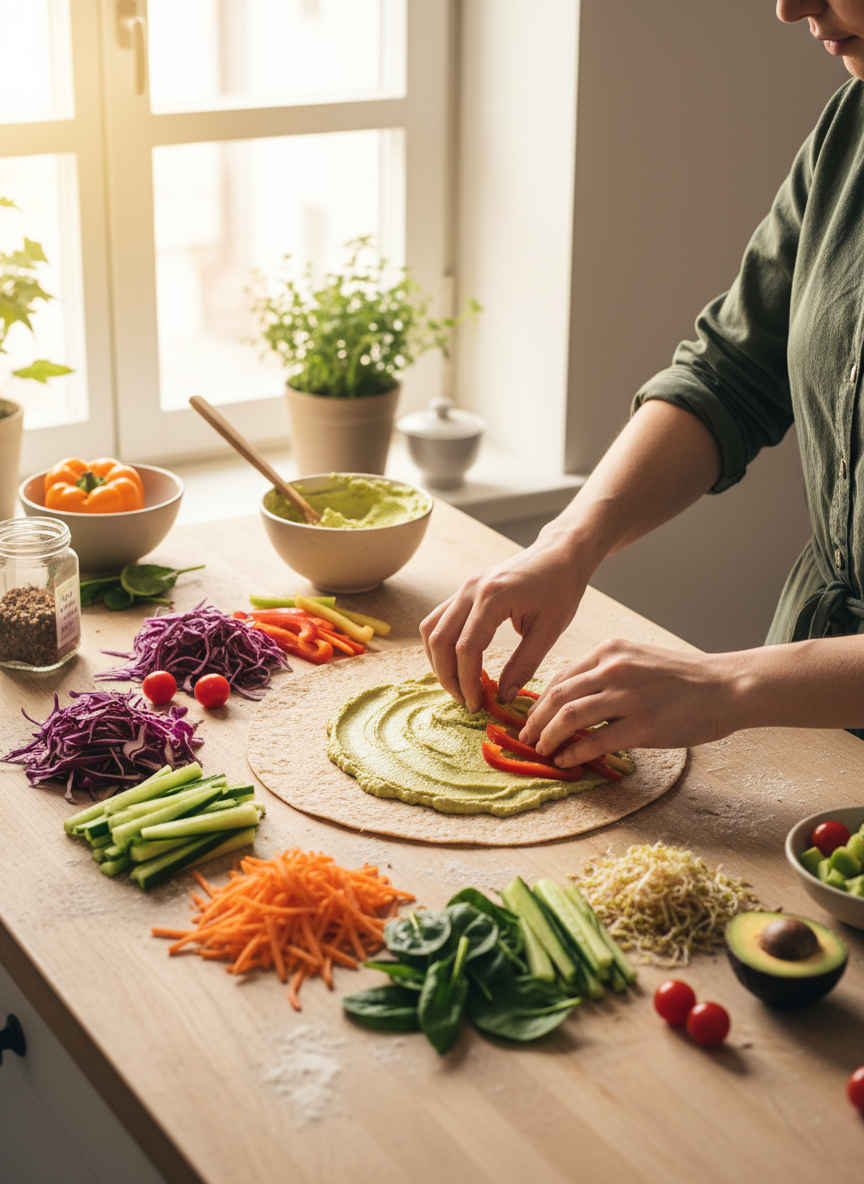
Vegan Pantry Substitutions Cheat Sheet
This comprehensive guide provides simple, effective, and delicious plant-based alternatives to common animal-derived ingredients for every home cook.
Table of Contents
- Introduction
- Baking Substitutions
- Dairy Alternatives
- Egg Replacers
- Flavor Enhancers and Umami
- Sweeteners and Syrups
- Thickening Agents
- Comparison Table
- Common Mistakes to Avoid
- Advanced Tips for Plant-Based Pantry Management
- FAQs
- Related Articles
- Newsletter
- Conclusion
Introduction
Transitioning to a vegan lifestyle often starts in the kitchen. Many new plant-based cooks worry that they will have to sacrifice their favorite recipes, but the truth is that the vegan pantry is robust, versatile, and incredibly creative. Whether you are baking a birthday cake or preparing a savory soup, understanding how to swap ingredients is the key to culinary success.
This cheat sheet is designed to simplify your shopping and cooking process. Instead of viewing substitutions as a restriction, try to view them as an opportunity to expand your flavor profile. Most pantry staples can be replaced with accessible ingredients found in almost any grocery store, making plant-based living easier than ever before.
Baking Substitutions
Baking is often considered a science, but when it comes to vegan substitutions, it is surprisingly forgiving. For butter, you can easily swap in high-quality vegan butter sticks or refined coconut oil. If a recipe calls for melted butter, applesauce or mashed banana can often provide the necessary moisture while lowering the fat content of your baked goods. A standard ratio for applesauce is replacing half the fat with an equal amount of applesauce, though for denser breads, you can replace the full amount.
When it comes to buttermilk, you can make a quick "vegan buttermilk" by adding a tablespoon of apple cider vinegar or lemon juice to a cup of soy milk and letting it sit for five minutes. This acidic reaction provides the lift and tang required for pancakes, muffins, and quick breads, ensuring your results are light and airy every time. If you do not have soy milk, almond milk works, though it may not curdle as significantly due to lower protein levels.
For fats in baking, it is important to distinguish between solid fats (like sticks) and liquid fats (like oil). When a recipe specifically calls for creaming butter and sugar, do not substitute with liquid oil, as the structure of the cookie will be lost. Instead, look for vegan butter formulated with emulsifiers to hold air. If you are baking shortbread, cold solid fats are non-negotiable for that signature flaky texture.
Dairy Alternatives
Milk, cream, and yogurt are among the easiest items to replace in a vegan pantry. For cooking, soy milk is widely regarded as the most versatile choice due to its high protein content, which mimics the behavior of dairy milk in sauces and soups. Oat milk, on the other hand, is excellent for coffee and creamy desserts because of its natural sweetness and thick texture. Be wary of using vanilla-flavored plant milks in savory sauces, as they will add an unwanted sweetness to your meal.
For heavy cream, full-fat canned coconut milk is the gold standard. When chilled, the cream separates from the water, providing a thick, decadent base for curries, ganaches, and whipped toppings. Cashew cream—made by blending soaked raw cashews with water—is another staple that provides a neutral, velvety consistency perfect for creamy pasta sauces or savory dips. To achieve the best consistency for cashew cream, soak the nuts in boiling water for at least 30 minutes before blending, or overnight in cold water.
If you find yourself needing a yogurt substitute for baking or marinating, plain soy or coconut-based yogurts are superior to almond-based ones. They tend to be less prone to breaking down under heat. When using these in baking, treat them as you would sour cream, adding them toward the end of the wet ingredient mixing process to maintain the structure of the batter.
Egg Replacers
Eggs serve multiple functions in cooking, including binding, leavening, and moisture. For cookies and brownies, a "flax egg" (1 tablespoon ground flaxseed mixed with 3 tablespoons of water) works wonders as a binder. For lighter textures like cakes, a mixture of apple cider vinegar and baking soda or commercial egg replacer powders can provide the lift you need. Always allow your flax egg to sit for at least 10 minutes to thicken into a gel-like consistency before adding to your dough.
For dishes like scrambles or quiches, tofu is your best friend. Firm or extra-firm tofu, when crumbled and seasoned with nutritional yeast, turmeric, and kala namak (black salt), creates a realistic, high-protein breakfast scramble. Chickpea flour, when mixed with water and spices, also makes an excellent base for dense, savory omelets or pancakes. Note that when using chickpea flour, the batter must rest for 15 minutes to allow the flour to fully hydrate, otherwise the final dish may taste slightly raw or grainy.
Another innovative replacer is aquafaba—the liquid found in a can of chickpeas. It is a miracle ingredient for meringues, macarons, and mousses. When whipped, it creates stable peaks just like egg whites. Three tablespoons of aquafaba is generally equivalent to one large whole egg, while two tablespoons is equal to one egg white.
Flavor Enhancers and Umami
One of the biggest challenges in vegan cooking is recreating the depth of flavor found in animal-based dishes. Nutritional yeast is essential here, providing a savory, nutty, and cheesy profile that elevates everything from popcorn to pasta. It is a staple that should be in every vegan pantry for its versatility and nutritional density. Store it in a cool, dark place to maintain its potency.
Soy sauce, tamari, and coconut aminos are the foundation of savory depth. For an even deeper flavor, consider adding miso paste or sun-dried tomatoes to your base. These ingredients provide the natural glutamates needed to round out soups, stews, and roasted vegetable dishes, ensuring your meals are deeply satisfying and flavorful. Tomato paste, when browned slightly in a pan before adding liquid, serves as a secret weapon for depth in vegetarian ragus or bean-based chili.
Do not overlook the power of capers and kalamata olives. These salty, briny additions can replicate the savory "punch" often provided by anchovies or bacon in traditional Mediterranean recipes. Similarly, smoked paprika or liquid smoke can be added in small quantities to lentil dishes to provide a lingering, campfire-like smokiness that mimics cured meats.
Sweeteners and Syrups
Replacing honey is simple with the right alternatives. Maple syrup is the most common and widely available substitute, offering a complex flavor profile that works well in both baking and dressings. Agave nectar is another popular choice, known for its neutral flavor and liquid consistency which dissolves perfectly into cold beverages.
For those looking for unrefined options, date paste or date syrup is a nutrient-dense alternative that adds a caramel-like sweetness to smoothies and oatmeal. These sweeteners are not only effective but also provide fiber and essential minerals, making them a pantry upgrade over processed white sugars. To make date paste, simply pit and soak dried Medjool dates in warm water, then blend until perfectly smooth, adding a tablespoon of the soaking liquid to achieve the desired consistency.
When baking with syrups instead of granular sugar, remember to reduce the liquid content of the recipe by about 2-3 tablespoons per cup of syrup used. This ensures your baked goods maintain the intended texture rather than becoming overly dense or soggy.
Thickening Agents
When a soup or sauce needs body, vegan cooks rely on a variety of pantry staples. Cornstarch or arrowroot powder are the classic choices for thickening sauces and gravies. Always whisk your starch into a small amount of cold liquid (a "slurry") before adding it to a hot pan to prevent clumps and ensure a smooth, professional consistency. Arrowroot is particularly great because it remains stable even when reheated, unlike cornstarch which can sometimes break down.
For heartier meals, blended lentils or white beans can act as a natural thickener. They add protein and fiber while creating a creamy texture in soups and chili. Potato flour or even just a handful of instant oats can also absorb excess moisture and provide the desired thickness in stews or veggie burgers. Using pureed roasted cauliflower is another "stealth" thickener that adds creaminess without the heavy fat profile of cream or butter.
Comparison Table
| Ingredient | Vegan Substitute | Best For |
|---|---|---|
| Butter | Vegan butter / Coconut oil | Baking / Spreading |
| Heavy Cream | Full-fat Coconut Milk | Curries / Sauces |
| Egg | Flax egg / Aquafaba | Cookies / Meringues |
| Honey | Maple Syrup / Agave | Glazes / Baking |
| Milk | Soy or Oat Milk | Coffee / Cooking |
| Cheese | Nutritional Yeast / Cashews | Flavor / Creamy Sauces |
| Yogurt | Unsweetened Soy Yogurt | Baking / Marinating |
| Buttermilk | Soy milk + ACV | Pancakes / Muffins |
Common Mistakes to Avoid
One of the most common mistakes is assuming one substitute works for every single recipe. While flax eggs are great for cookies, they will not result in a fluffy soufflé. Always consider the role the original ingredient plays—does it need to bind, lift, or provide fat? Matching the function is more important than matching the name.
Another error is neglecting to season your substitutes. Many plant-based replacements are more neutral than their dairy counterparts. When you swap dairy for oat milk, you may need a pinch more salt to balance the sweetness. Always taste as you go and adjust your seasonings accordingly to keep your food flavorful.
Avoid over-mixing vegan batters. Many vegan recipes rely on different chemical binders that can turn gummy if over-processed. Mix just until combined for the best texture. Furthermore, do not skip the "resting time" specified in recipes utilizing chickpea flour or starches, as these ingredients require time to fully absorb liquids and activate their functional properties.
Advanced Tips for Plant-Based Pantry Management
Building a successful plant-based pantry is about efficiency. Keep a rotating stock of dried legumes, which serve as the primary protein source for most plant-based thickening agents. Store these in airtight glass containers to maintain freshness for up to six months. When purchasing plant-based milks, prioritize shelf-stable versions if you have limited fridge space, but always shake well before opening to ensure the thickeners have been redistributed.
For flavor storage, invest in high-quality dried herbs and spices. Because vegan meals often rely on aromatic intensity to replace the complexity of fats, having fresh-to-the-nose spices like smoked paprika, cumin, and dried oregano is vital. Keep them in a cool, dark cabinet away from the heat of the stove to prevent premature degradation of flavor.
Finally, label your jars. If you are experimenting with different flours like tapioca, almond, or chickpea, they can look surprisingly similar in a dark pantry. Clear labeling saves time and prevents ruined recipes that occur when the wrong starch is used in a thickener or binder role.
FAQs
Q1: What is the best egg substitute for baking cakes? A1: A commercial egg replacer powder or a mixture of apple cider vinegar and baking soda is best for leavening cakes. For denser cakes, a mashed banana is also a reliable choice. Q2: Can I use almond milk for every recipe? A2: Almond milk is quite thin; it is better for cereal or smoothies, but soy or oat milk is preferred for baking and creamy sauces due to their higher protein and fat content. Q3: Does nutritional yeast taste like cheese? A3: It has a savory, nutty, and cheesy flavor profile, making it a perfect dairy-free alternative for toppings and sauces. It does not "melt" like dairy cheese, however. Q4: How long can I keep flax eggs in the fridge? A4: It is best to use a flax egg immediately after preparation, though it can be kept in the fridge for up to 24 hours. If it gets too thick, add a teaspoon of water before using. Q5: Why did my sauce split when I added coconut milk? A5: This usually happens if the coconut milk is added to a boiling sauce too quickly. Always temper your coconut milk by adding a tablespoon of the hot sauce to the milk first, whisking, then adding the mixture back to the pot. Q6: Can I use coconut oil in place of butter for all baking? A6: Not necessarily. Coconut oil is 100% fat, while butter contains water and milk solids. If a recipe needs moisture, replace only part of the butter with oil or add an extra splash of plant milk to balance the ratio.
Related Articles
- Essential Vegan Pantry Staples
- How to Make Cashew Cream
- Guide to Plant-Based Baking
Newsletter
Stay updated with our latest vegan recipes, pantry tips, and nutrition guides delivered straight to your inbox. Subscribe to our weekly newsletter to ensure you never miss a new post or guide to help you master plant-based cooking.
Conclusion
Navigating a vegan pantry does not have to be intimidating. By keeping these key substitutions on hand, you can confidently approach any recipe and adapt it to your lifestyle. Experiment with these basics, find your favorite combinations, and enjoy the process of creating delicious, compassionate meals in your own home.
Remember that cooking is an iterative process. Not every substitution will work perfectly on the first try, but that is part of the fun of learning plant-based culinary techniques. Happy cooking, and enjoy the journey of discovering new flavors in your plant-based kitchen!
Enjoying this guide?
Browse our favorite recommended vegan products and kitchen essentials.
View Recommended Products →You Might Also Like

Vegan Dessert Ideas
Discover delicious vegan dessert ideas that satisfy every craving. From rich brownies to refreshing treats, learn how to bake plant-based without compromise.
Vegan Meal Planning
Master vegan meal planning with our comprehensive guide. Learn how to organize your pantry, prep nutritious meals, and save time and money on a plant-based diet.
Vegan Cooking Tools
Upgrade your kitchen with essential vegan cooking tools. Discover the best gadgets to simplify plant-based prep, from high-speed blenders to air fryers.
Simple Vegan Cooking
Master simple vegan cooking with our comprehensive guide. Learn essential pantry staples, easy meal prep tips, and delicious recipes for a healthy lifestyle.
The Ultimate Vegan Foodies Coloring Book
Beautiful Plant-Based Designs to Color
Relax and unwind with beautifully detailed illustrations inspired by fruits, vegetables, herbs, flowers, and wholesome plant-based living. Perfect for stress relief, mindfulness, and creative fun.
by Trivia Ape